There’s a persistent myth in music that great records need months of studio time, endless overdubs, and a producer who insists on “just one more take.” History tells a different story. Some of the most enduring albums ever made came together in a single sitting, a couple of frantic all-nighters, or a lone marathon session that nobody involved thought would matter fifty years later.
What follows are eight albums where speed wasn’t a limitation. It was the whole point. Whether it was a live show captured on tape or a band too broke to book more studio time, these records prove that urgency can be its own kind of genius.
1. James Brown, Live at the Apollo (1962)
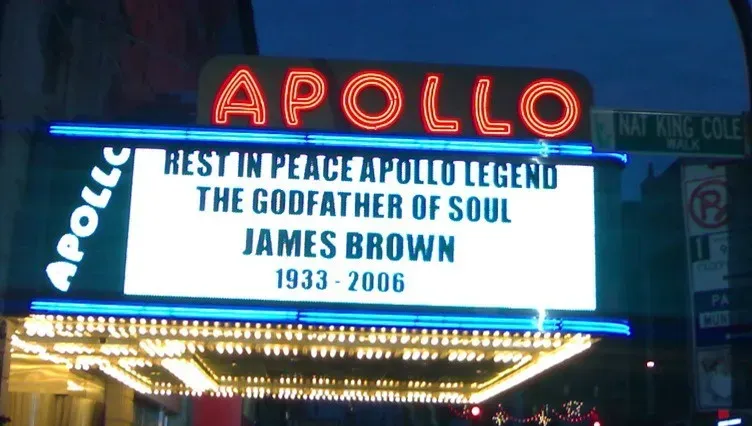
James Brown paid for this recording out of his own pocket after King Records refused to fund it, renting the Apollo Theater for a single show on the night of October 24, 1962. The album was recorded on the night of October 24, 1962, at Brown’s own expense. There was no second chance built into the plan. One performance, one tape roll, and Brown’s entire commercial future riding on it.
The gamble paid off enormously. Released in May 1963, Live at the Apollo ended up spending an astonishing 66 weeks on the Billboard album chart and selling upwards of a million copies. A single night on a New York stage became the record that pushed Brown from R&B star toward crossover legend.
2. Johnny Cash, At Folsom Prison (1968)
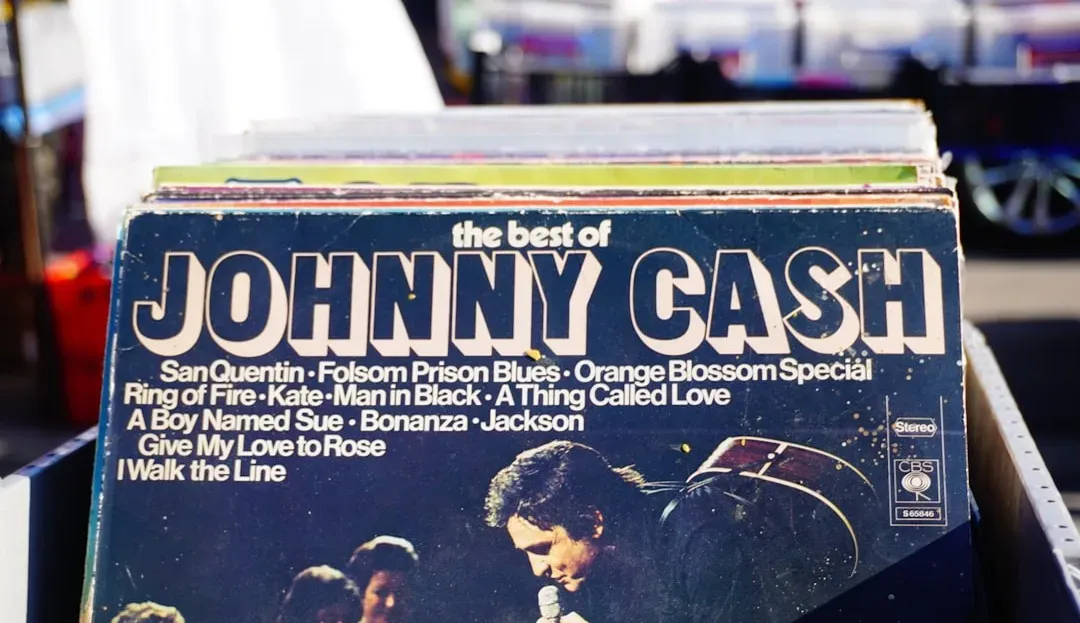
Cash didn’t need a studio at all for this one, just a prison cafeteria and two sets of nerve. The album was recorded in one day at Folsom State Prison in California, where Cash performed two nearly identical shows during the morning and afternoon of January 13, 1968, with 15 tracks chosen for the album. That’s a full album’s worth of material captured before dinner.
The stakes were personal as much as professional. The Folsom concerts, and Cash did two that day, was more than an act of compassion for the inmates, but also a ploy to coax from Cash another album when his drug use had stymied his record production. What emerged from those few hours became one of the defining live albums in American music.
3. MC5, Kick Out the Jams (1968)
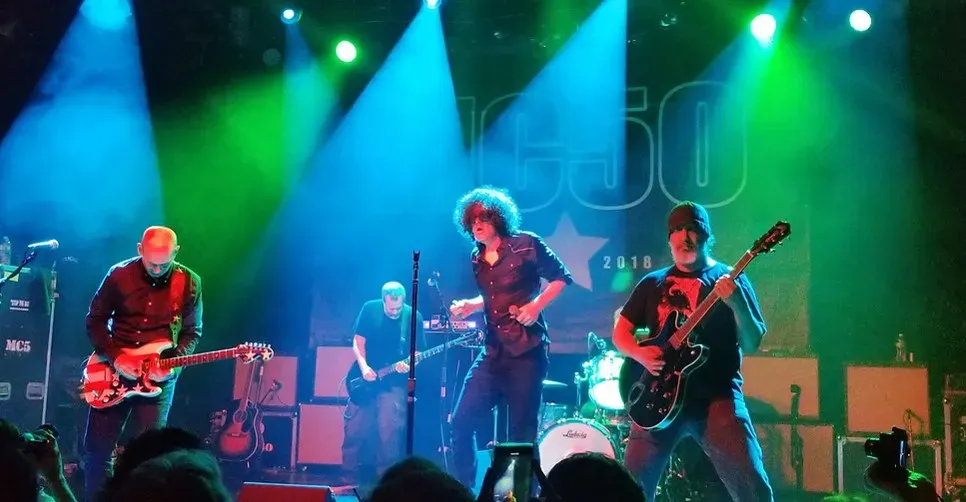
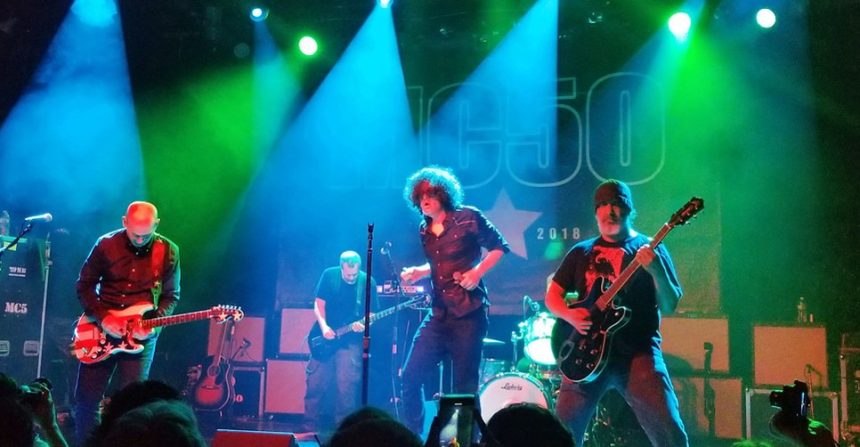
Rather than book studio time the band didn’t know how to use, MC5 and Elektra Records decided to record a live show instead, and they did it in one tight window. It was recorded at the Grande Ballroom in Detroit over two nights, October 30 and 31, 1968, and released in February 1969. Two nights, one venue, and a band famously more comfortable on a stage than behind a studio glass.
The reasoning behind skipping the studio entirely was practical as much as artistic. MC5 didn’t know how to work in the studio, so a studio record could have cost Elektra a fortune and been a lengthy, gruelling process, so the Kick Out The Jams album was recorded live at Detroit’s Grande Ballroom across two nights. The result became a foundational document of proto-punk, all captured in a span shorter than most bands spend mixing a single song today.
4. B.B. King, Live at the Regal (1964)
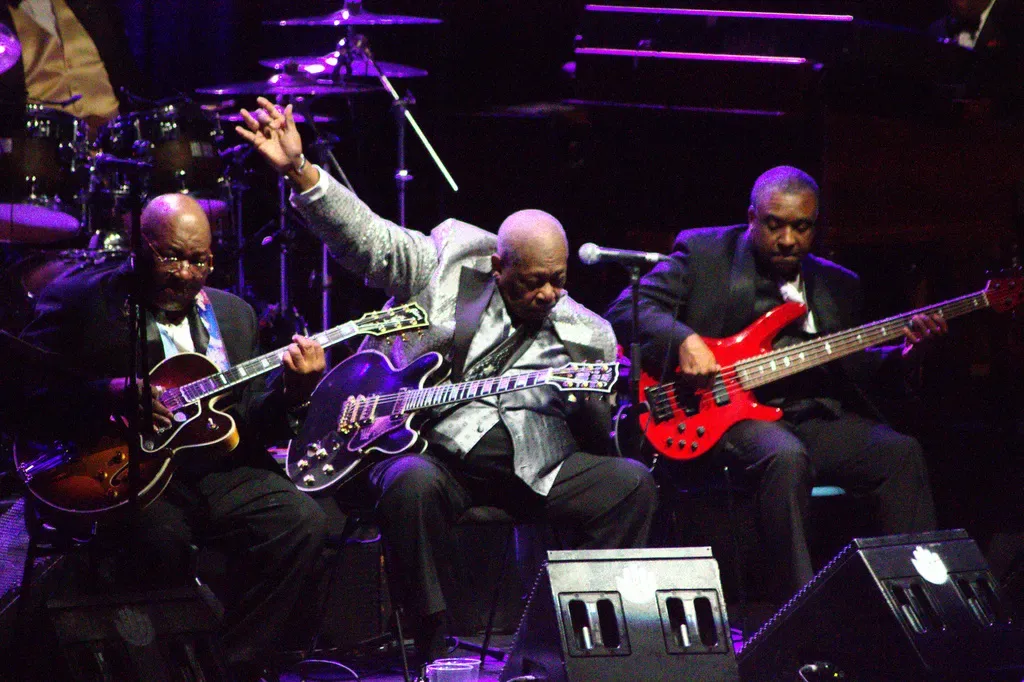
B.B. King’s most celebrated live album came from a single evening at the Regal Theater in Chicago in November 1964, where a home crowd on the South Side pushed him into one of the sharpest performances of his career. There was no multi-night residency behind it, just one show recorded start to finish and later assembled almost exactly as it happened on stage. The tightness of the band and the crowd’s reaction throughout the set are part of why the record still gets pointed to as a benchmark for blues performance.
Partner offer
What makes the album notable beyond its recording window is how little editing seems to separate the concert from the finished product. Listeners often describe it as one of the rare live records that feels genuinely unpolished in the best sense, closer to being in the room than most studio work ever manages. A single night, captured cleanly, turned into a permanent reference point for blues guitar.
5. Sam Cooke, Live at the Harlem Square Club, 1963
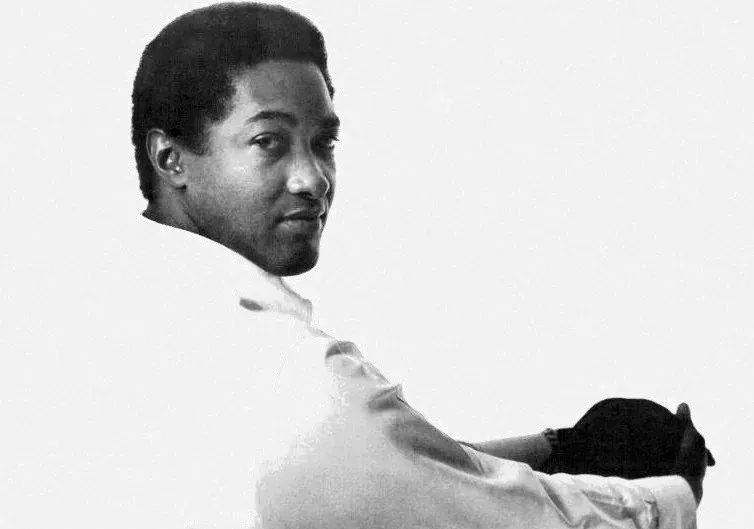
Sam Cooke’s rawest recorded performance came from one night at a small club in Miami’s Overtown neighborhood in January 1963, a set so different from his polished pop singles that RCA reportedly shelved it for decades rather than release it right away. The whole album exists because a single evening’s performance was different enough, and good enough, to eventually demand its own release. It didn’t come out until 1985, more than twenty years after the tape was recorded.
The gap between recording and release is part of what makes the story interesting. A one night performance sat unheard for over two decades before anyone recognized what had actually been captured. When it finally surfaced, critics and fans treated it as a revelation, a grittier and more physical side of Cooke that his studio albums rarely showed.
6. Nirvana, Bleach (1989)
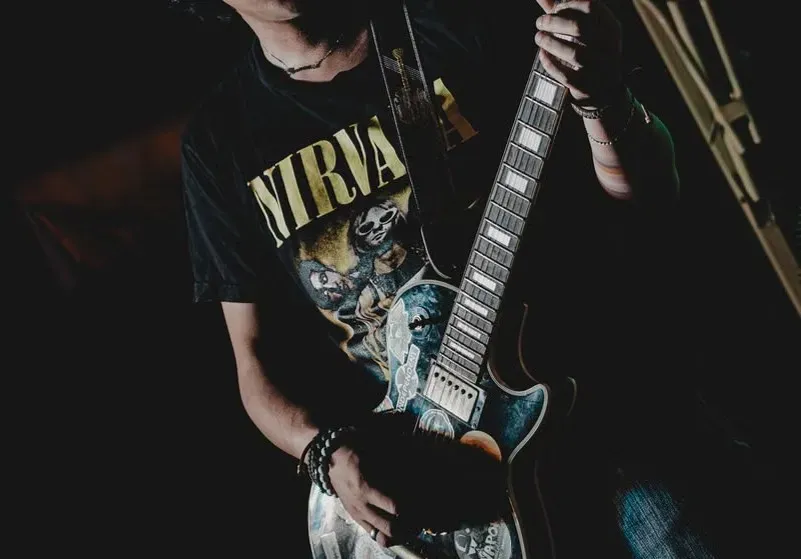
Nirvana’s debut is one of the more frequently cited examples of low budget efficiency in rock history. Working with producer Jack Endino at Reciprocal Recording in Seattle, the band tracked the album on a shoestring budget, with the whole project famously costing around six hundred dollars, a number that has become something of a badge of honor in indie rock lore. The actual hands on studio time involved was remarkably brief given how influential the finished record became.
Speed here wasn’t a creative statement so much as a financial reality. Nirvana simply couldn’t afford to linger, so they didn’t. What came out of those compressed sessions became the first entry in one of the most consequential discographies of the following decade.
7. Bob Dylan, Bob Dylan (1962)
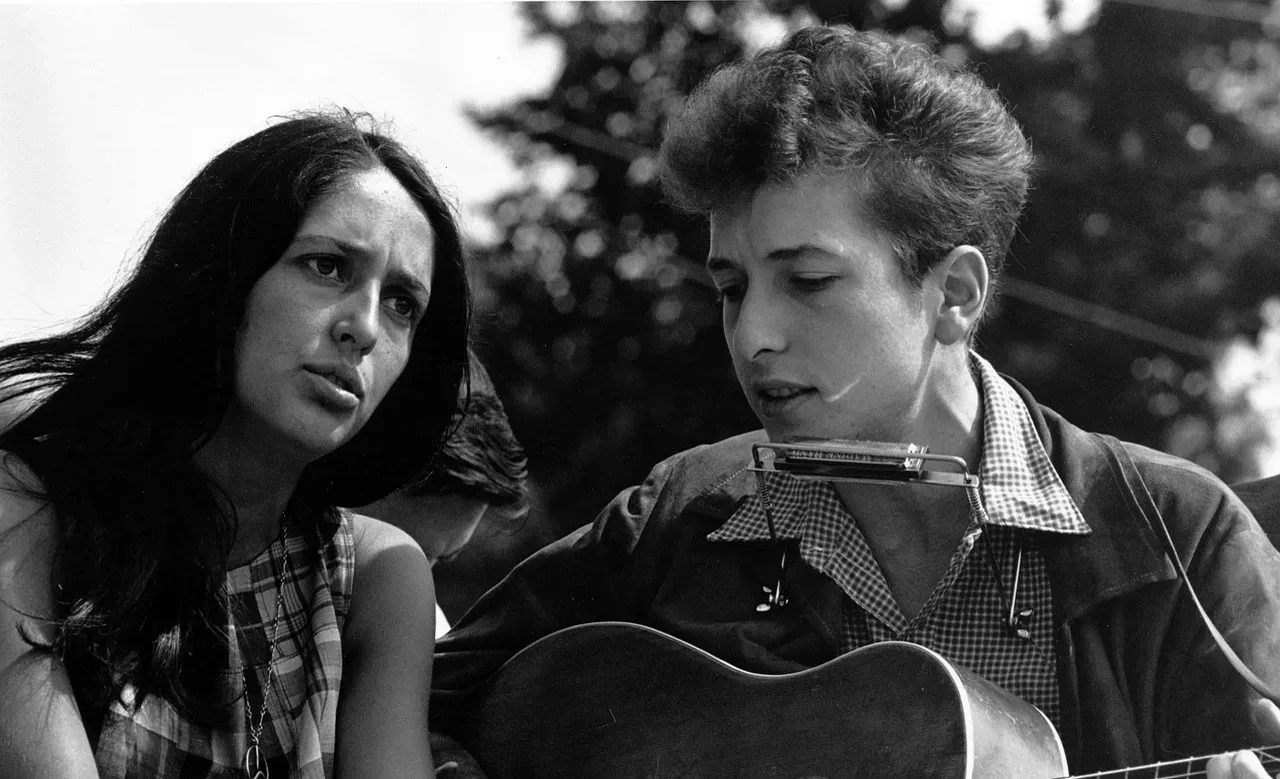
Dylan’s self titled debut is one of folk music’s clearest examples of speed over polish. Producer John Hammond brought the twenty year old into Columbia’s studios for a pair of short sessions in November 1961, and the whole album, thirteen tracks in total, came together in that brief window for a reported budget of a few hundred dollars. There was little in the way of overdubbing or second guessing involved.
The album didn’t sell particularly well at first, and some at Columbia reportedly referred to Dylan as “Hammond’s folly” behind closed doors. Still, the record stands as proof that an artist with strong enough material doesn’t need weeks of studio time to make something that lasts. Dylan’s next albums would take longer, but the debut set the tone for a career built on instinct as much as craft.
8. Miles Davis, Kind of Blue (1959)
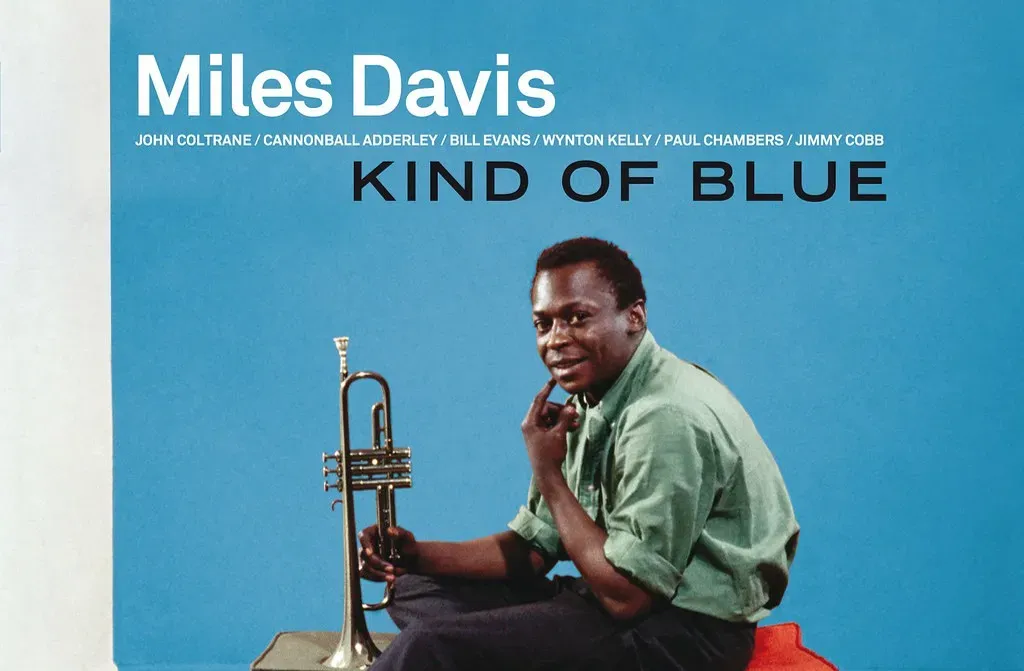
Jazz’s best selling album of all time came together across two relatively short sessions in March and April of 1959, and the musicians involved reportedly hadn’t even rehearsed most of the material beforehand. Davis brought in sketches rather than finished compositions, letting the band, including John Coltrane and Bill Evans, work out the songs largely through first and second takes. The improvisational approach meant the actual recorded output came together far faster than the finished album’s reputation might suggest.
What’s remarkable is how little of that speed shows up in the final product. Kind of Blue sounds unhurried, almost meditative, despite being built from performances that were essentially first drafts. It remains one of the strongest arguments in music history for trusting a room full of skilled musicians over an endless studio calendar.
Partner offer
Planning a trip to Vegas?
Compare hotel rates and show tickets on VEGAS.com.