Every legendary film performance has a shadow history, a version of events where someone else stood in front of the camera. Casting decisions rarely happen in a vacuum. They involve scripts read on tight deadlines, scheduling conflicts, gut instincts, and sometimes plain miscalculation, all filtered through agents and managers advising their clients in real time. What follows are six documented cases where an actress passed on a part that later defined someone else’s career, and in some cases, an entire era of cinema or television.
Michelle Pfeiffer and the role that made Jodie Foster an Oscar winner
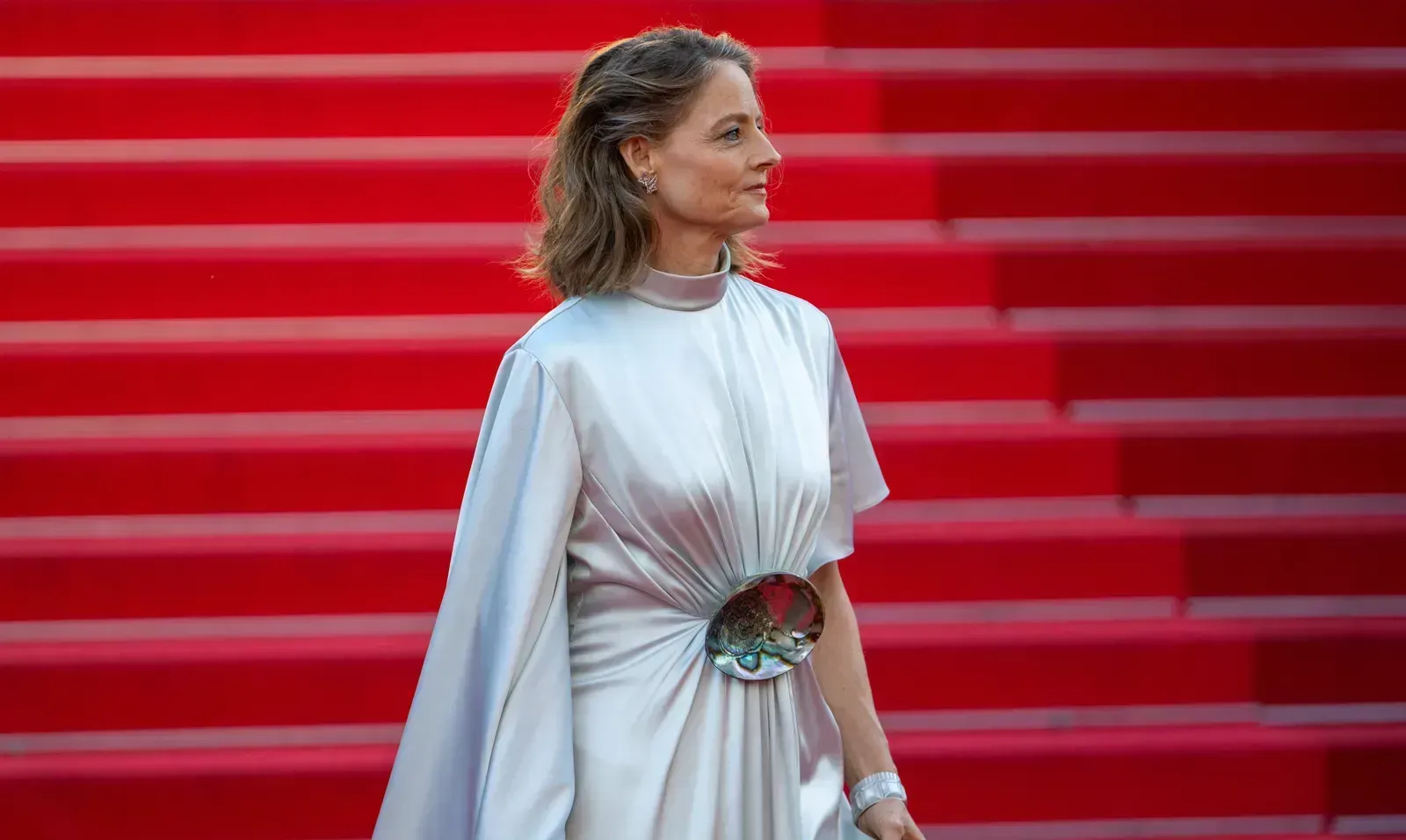
Before Jonathan Demme cast Jodie Foster in The Silence of the Lambs, he wanted Michelle Pfeiffer, having just worked with her on Married to the Mob. Pfeiffer had just worked with the film’s director, Jonathan Demme, on Married to the Mob, and she was his first choice for the role, in fact, he thought Jodie Foster was wrong for the role. Pfeiffer ultimately walked away from the project.
Pfeiffer passed on the role, citing that the script was too dark and that she was “trepidatious.” Foster would go on to win her second Best Actress Oscar for playing the role. Pfeiffer has since acknowledged the missed chance to work with Demme again, a rare instance of an actress openly admitting the decision stung.
Gwyneth Paltrow and the ship that never left the dock for her
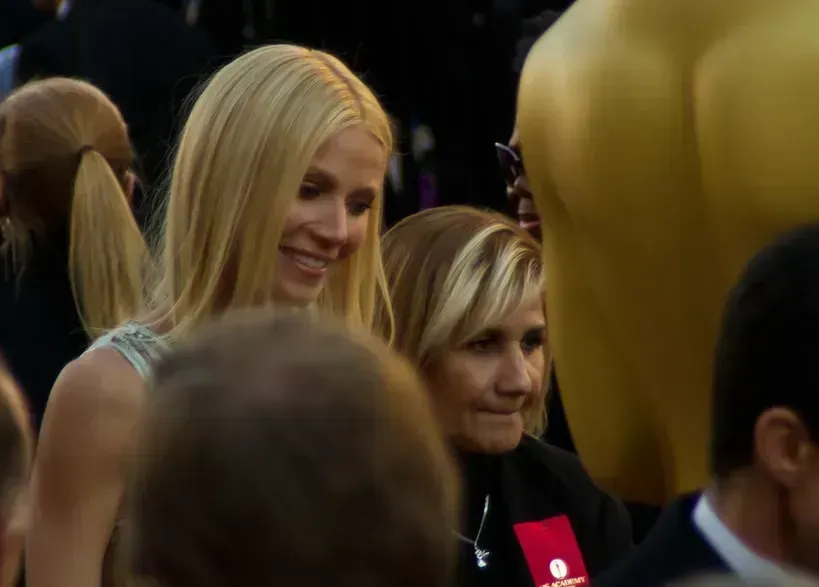
Long before Titanic became a cultural phenomenon, the role of Rose DeWitt Bukater passed through several hands. Gwyneth Paltrow famously turned down the role of Rose DeWitt Bukater in ‘Titanic’ before the part went to Kate Winslet. At the time, the project’s scale was impossible to predict.
The film’s eventual success made the decision look, in hindsight, like one of the biggest misses of the decade. The actress later admitted that she could not change the past but acknowledged the massive global impact of the project, which went on to become one of the highest grossing movies of all time and won eleven Academy Awards. Paltrow has spoken candidly about how far the film’s reach exceeded anyone’s expectations at the time she read the script.
Molly Ringwald and the Pretty Woman script that didn’t feel right
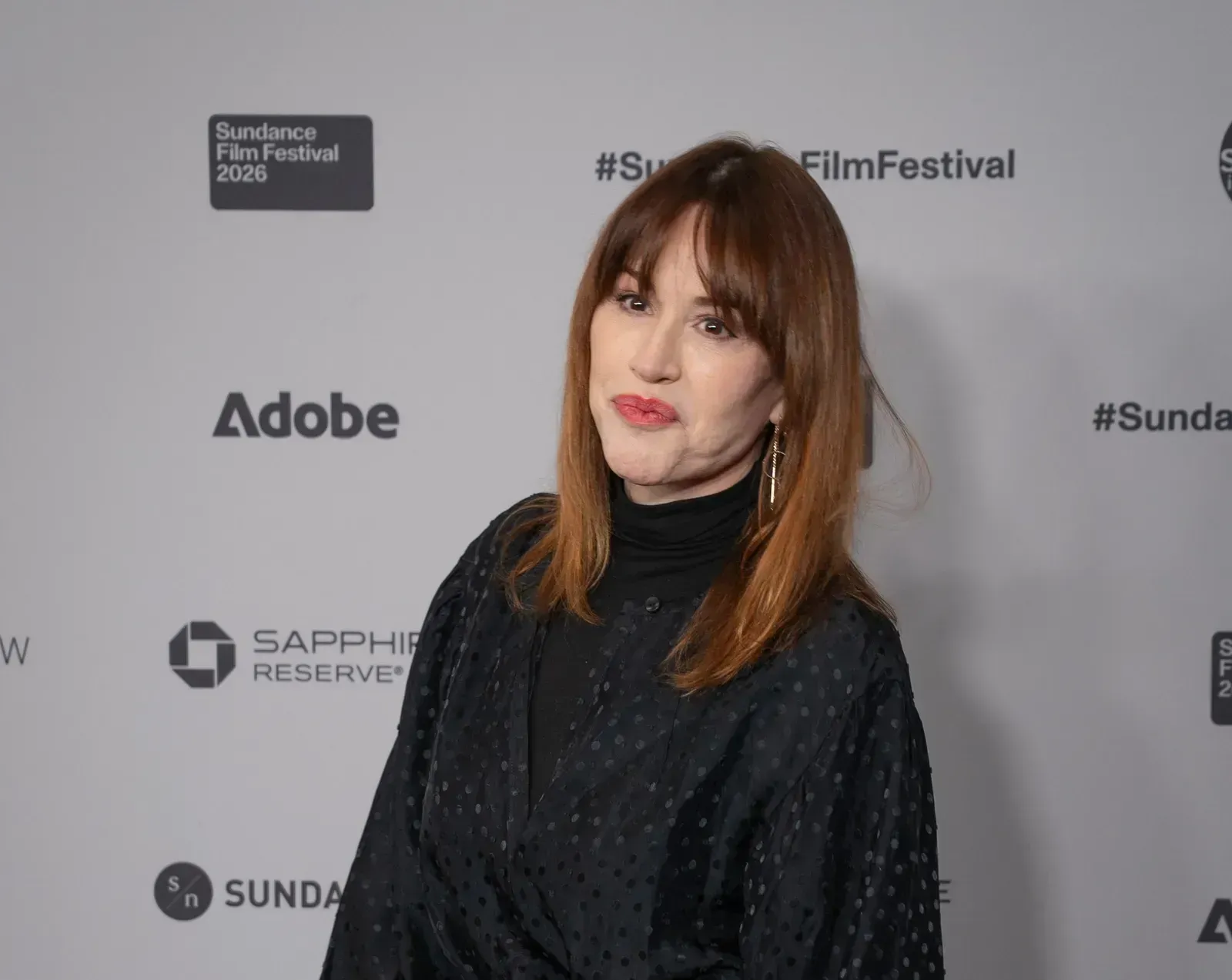
Julia Roberts became a global star playing Vivian Ward in Pretty Woman, but the role had circulated before it landed on her desk. Molly Ringwald was the primary choice for the lead role in the romantic comedy Pretty Woman during its early development stages, and she turned down the part of Vivian Ward because she felt the script did not resonate with her career direction at that time. The film eventually became one of the defining romantic comedies of its era.
The role eventually went to Julia Roberts and launched her into superstardom. Ringwald wasn’t alone in passing on the part either. Ringwald also turned down the lead in ‘Ghost’ which became another massive hit of the era. Her agents at the time were reportedly steering her toward projects that fit a different image than the one Pretty Woman ultimately built for Roberts.
Katie Holmes and the Slayer she never became
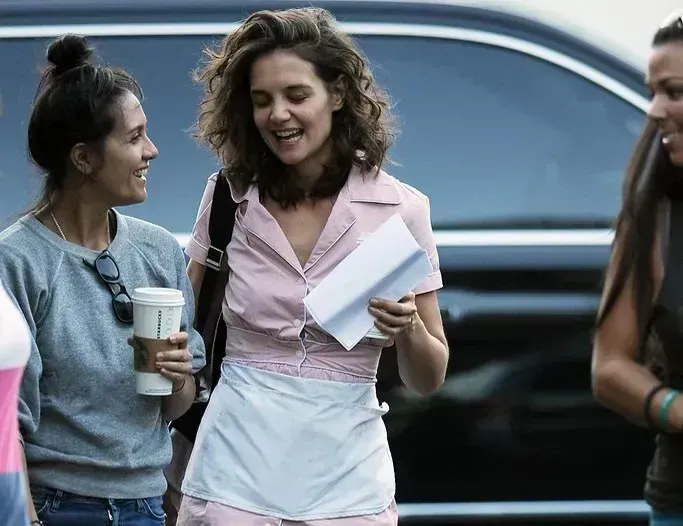
Sarah Michelle Gellar spent seven seasons as Buffy Summers, but the offer initially went elsewhere. Holmes was offered the title role in the television series Buffy the Vampire Slayer, and she turned it down because she wanted to finish high school and focus on her education at the time. It’s the kind of decision that looks reasonable for a teenager weighing school against an unproven show.
Sarah Michelle Gellar eventually took the role and became a television icon for seven seasons, while Holmes later found success on Dawson’s Creek, but Buffy became a landmark of pop culture and feminist storytelling. She has since expressed respect for the show’s legacy and Gellar’s work. Both actresses found their own lanes, but only one became synonymous with a genre-defining vampire slayer.
Christina Applegate and the pink briefcase that went to someone else
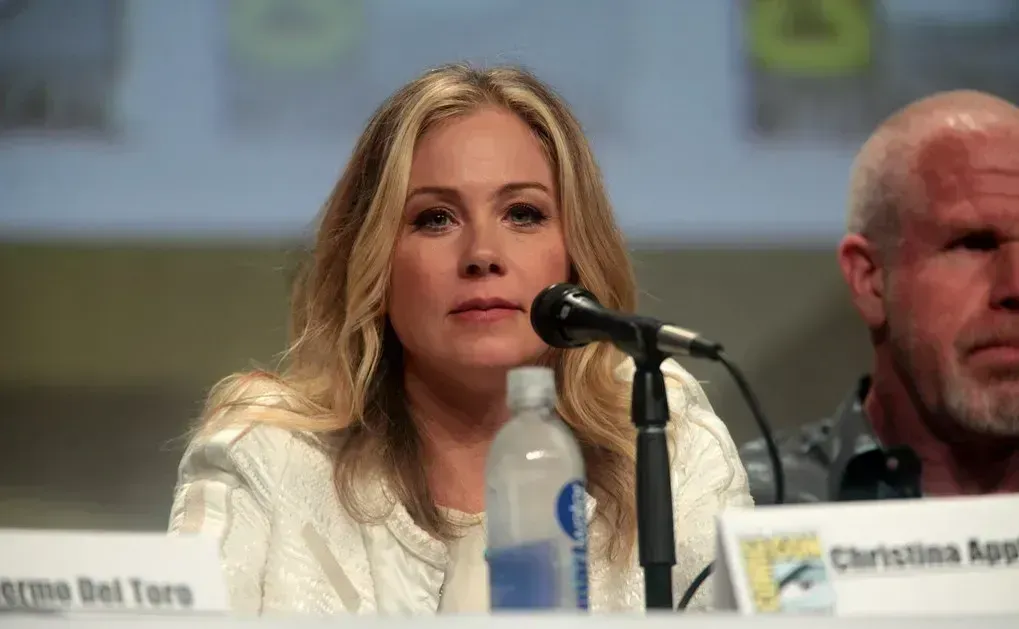
Elle Woods is now inseparable from Reese Witherspoon, but the character almost had a different lead entirely. It’s impossible to imagine anyone else but Reese Witherspoon as Elle Woods, chattering away in her brightest pink outfits, to the point that one could argue the Legally Blonde films are the highlight of her career, yet there could have been another famous performer as Elle had the stars aligned differently, and in 2023, Christina Applegate spoke to Vanity Fair about the one role she regretted turning down. The regret wasn’t subtle.
Applegate has since admitted that it was a silly decision to pass on such a great script, and acknowledged that Witherspoon did a far better job than she likely would have done at the time. Applegate’s honesty about the choice stands out among actors who tend to deflect or downplay these stories, and it’s one reason the anecdote has stuck around in casting retrospectives for years.
Sigourney Weaver and an Oscar that slipped through her agent’s hands
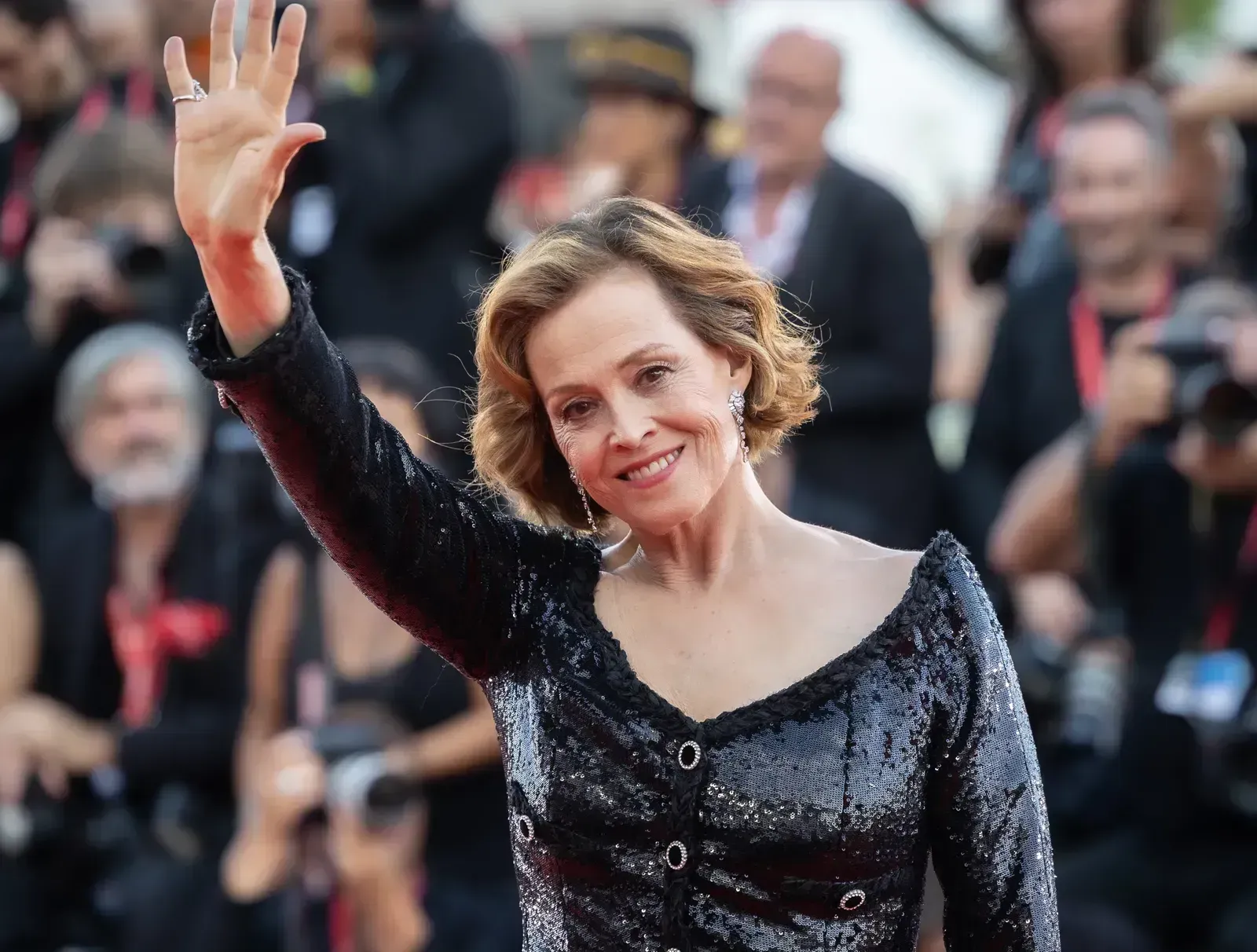
Some missed roles come down to poor communication rather than a deliberate creative choice. Sigourney Weaver was considered for the lead role in ‘The Piano’ but her agent reportedly turned it down without showing her the script. Holly Hunter took the part instead, playing a mute pianist in Jane Campion’s period drama.
Holly Hunter took the role and won the Academy Award for Best Actress for her performance. Weaver was devastated when she found out she had missed the opportunity to work on the film, and she later changed her representation as a result of the incident. It remains one of the clearest examples of how a single decision made on an actress’s behalf, without her even reading the material, can alter the trajectory of a film’s legacy.
Final thoughts on Hollywood’s near misses
These stories share a common thread. None of the decisions were made carelessly, even when they look that way decades later. Scripts get judged on the page, careers get weighed against momentum, and agents make calls based on the information available at the time, not the box office numbers that arrive years down the line.
What makes these particular cases memorable is not just the size of the roles left behind, but how openly several of these actresses have discussed them since. Hollywood rarely offers a do over, but it does offer perspective, and these six women have shown there’s little shame in acknowledging a choice that, in hindsight, went the other way.