Before most big movies reach theaters, studios show them to ordinary audiences and hand out questionnaires. The feedback can be blunt, and sometimes it’s enough to send a filmmaker back to the set.
The seven films below all ended up with different finales than the ones first planned, and test audience reactions are part of each story. Some of the changes are well documented. Others come with a caveat, which is noted where it applies.
Fatal Attraction (1987)
Adrian Lyne’s thriller originally ended with Alex Forrest, played by Glenn Close, taking her own life. Her fingerprints were arranged to frame Michael Douglas’s character, and the scene was set to music from Madame Butterfly. That version fit the dark, tragic tone Lyne had been building.
Test audiences wanted something more satisfying, and they wanted Alex to face a violent comeuppance. The filmmakers reshot the finale as a bathroom struggle that ends with Dan’s wife shooting Alex. The theatrical cut became a huge hit, and the original ending later turned up on home video releases.
Little Shop of Horrors (1986)
Frank Oz’s musical adaptation stayed faithful to the stage show’s bleak ending. Seymour and Audrey are devoured by the man eating plant, and its offspring threaten the world. Oz and his team built a huge, expensive finale around that destruction.
Preview audiences reportedly disliked it, because they’d grown fond of the central couple. The studio reshot a new ending in which Seymour and Audrey survive and the plant is defeated. Decades later, the original ending was restored in a director’s cut released in 2012.
Pretty in Pink (1986)
John Hughes wrote the story, and Howard Deutch directed it. In the first version, Andie, played by Molly Ringwald, ended up with her loyal friend Duckie instead of the wealthy Blane. That fit the film’s theme of friendship and loyalty.
Test viewers reacted poorly, as they’d been rooting for Andie and Blane. The ending was reshot so that Andie and Blane reunite, with Duckie left to move on. It’s one of the best known examples of an audience reaction directly rewriting a romance.
Blade Runner (1982)
Ridley Scott’s sci-fi noir confused some early test audiences, who found its pacing slow and its conclusion murky. The studio responded by adding a voiceover from Deckard and attaching a hopeful ending. That ending showed Deckard and Rachael driving through open countryside, partly using unused aerial footage shot for another film.
Scott disliked these changes. The film’s reputation grew over the following years, and different cuts appeared over time. His preferred version, The Final Cut, was released in 2007 without the voiceover or the sunny finale.
First Blood (1982)
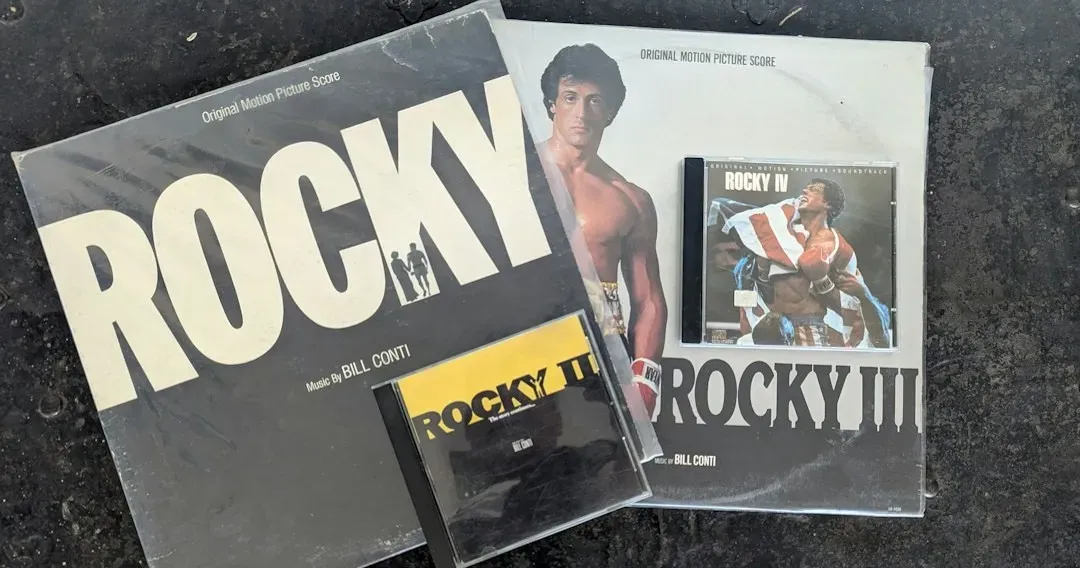
The novel behind First Blood ends with John Rambo’s death, and an early version of the film followed that path. Sylvester Stallone has said he came to feel the story needed something different. Audience reactions to the grim finale are commonly cited as part of that decision.
The final film has Rambo break down in tears and surrender to Colonel Trautman instead. That choice kept the character alive and opened the door to the sequels that followed. The change turned a bleak drama into the start of a long running franchise.
I Am Legend (2007)
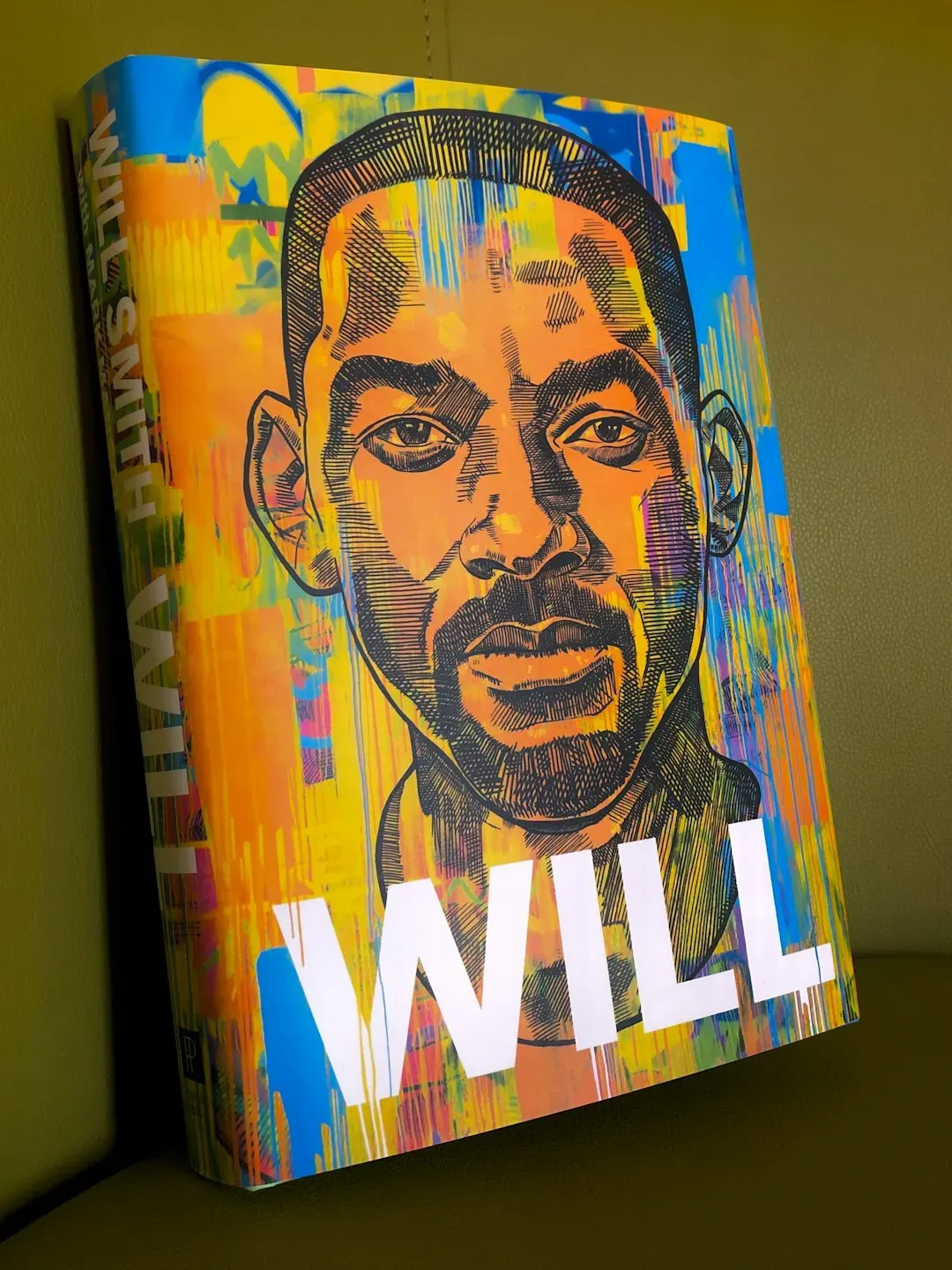
The Will Smith film has two notable endings. In the theatrical version, Robert Neville sacrifices himself with a grenade to protect the survivors he has found. An alternate ending instead has Neville realize the infected creatures are more than mindless, and he lets them reclaim one of their own.
Accounts say the filmmakers changed course after audience reactions to the alternate version, though the exact reasoning is discussed in different ways. The alternate ending is closer in spirit to Richard Matheson’s novel, where the title takes on a different meaning. It appeared on the home release, so viewers can compare the two themselves.
Dr. Strangelove (1964)
Stanley Kubrick’s Cold War satire was meant to finish with a massive pie fight in the War Room. The scene was shot, but it never made it to the final film. Many accounts say Kubrick cut it after a preview screening, though other reasons are sometimes mentioned too.
The concern was that the scene’s slapstick tone didn’t fit and that the pie fight would undercut the film’s final point. Instead, the movie ends with Major Kong riding the bomb and the nuclear detonations set to a gentle song. That finale is now regarded as one of cinema’s most memorable.