There’s a strange myth in songwriting circles that great work only comes from years of tinkering, endless rewrites, and long nights hunched over a notebook. Sometimes that’s true. But every so often a song arrives almost fully formed, scribbled down in the time it takes to boil an egg, and somehow still manages to outsell, outchart, or outlast records that took months to build. The seven songs below prove that speed and staying power aren’t opposites, they just rarely get talked about in the same sentence.
Yesterday by The Beatles
Paul McCartney has told the story so many times it’s practically folklore at this point. When McCartney was 21, he woke up from a dream and penned “Yesterday” in less than a minute, and to this day he still doesn’t fully know how he wrote one of the most famous songs by The Beatles. The melody came to him in the dream, which he quickly pulled together in chords, then he scribbled down lyrics as soon as he awoke. He was so unsettled by how easily it came that he spent weeks playing it for friends just to make sure he hadn’t unconsciously stolen it.
No one recognized the tune, and it turned out to be entirely his own. Following its release in 1965, “Yesterday” peaked at No. 1 on the Billboard Hot 100 and remained at the top for four weeks. It has since become the most covered song in recorded music history, a record that a tune born in someone’s half-asleep brain has held for decades.
Dreams by Fleetwood Mac
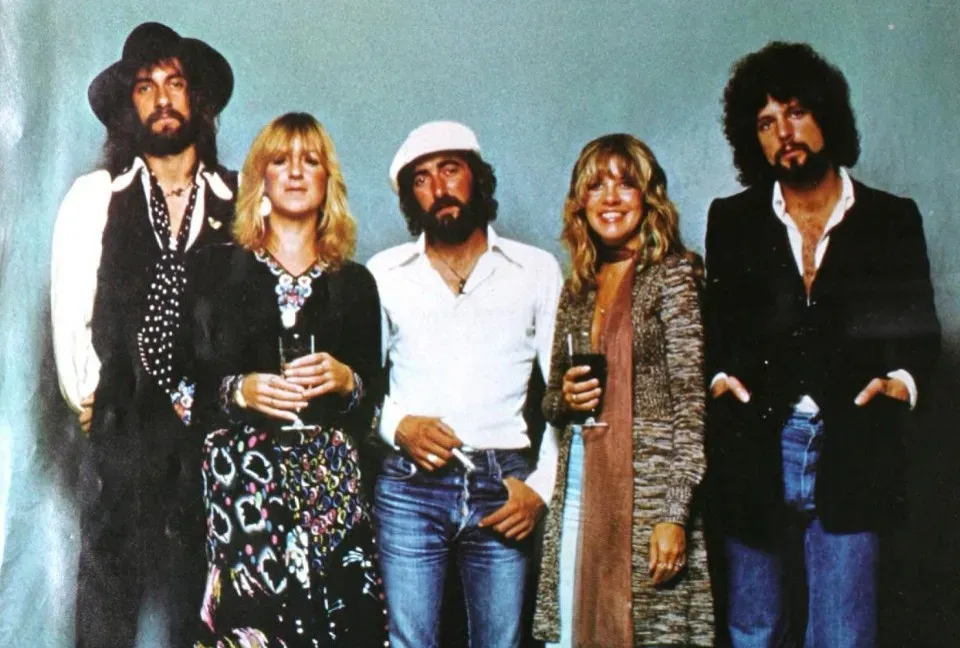
Stevie Nicks wrote “Dreams” while reflecting on her unraveling relationship with bandmate Lindsey Buckingham, and the whole thing came together fast. As legend goes, Nicks reportedly wrote “Dreams” in 10 minutes, arguably the most important 10 minutes of her career, since it became one of the most popular songs of all time. It became Fleetwood Mac’s first and only chart-topping single on the Billboard Hot 100.
The record-breaking part came decades later, though. With sales and streams of “Dreams” spiking after a viral TikTok video, the song returned Fleetwood Mac to the Hot 100’s top 40 for the first time in 30 years, a rock perennial that first ruled the chart in 1977 climbing back into the top 20 in 2020. The track had its best streaming week of all time that October, gaining 8.47 million streams in the U.S., an increase of 125 percent from the previous week. A song written in a single coffee break ended up setting a streaming milestone forty-three years after it was recorded.
My Sharona by The Knack

Doug Fieger was a young musician with a serious crush and not much patience for overthinking. The late Knack singer had feelings for Sharona Alperin, but he had a girlfriend and she had a boyfriend, so still smitten, he wrote a few songs for her, including the one bearing her name, which was written in 15 minutes by Fieger and guitarist Burton Averre. The track came together almost as an afterthought, built around a simple riff and a chorus that repeated her name until it stuck.
Nobody involved expected it to become the phenomenon it did. “My Sharona” became the best-selling single of 1979 in the United States. It’s a rare case where a song written for one specific person, in a matter of minutes, ended up dominating record sales for an entire year.
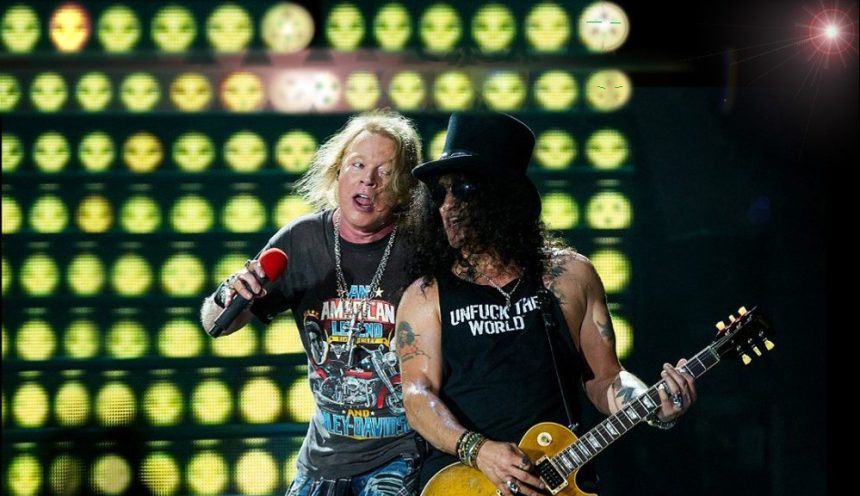
Sweet Child O’ Mine by Guns N’ Roses
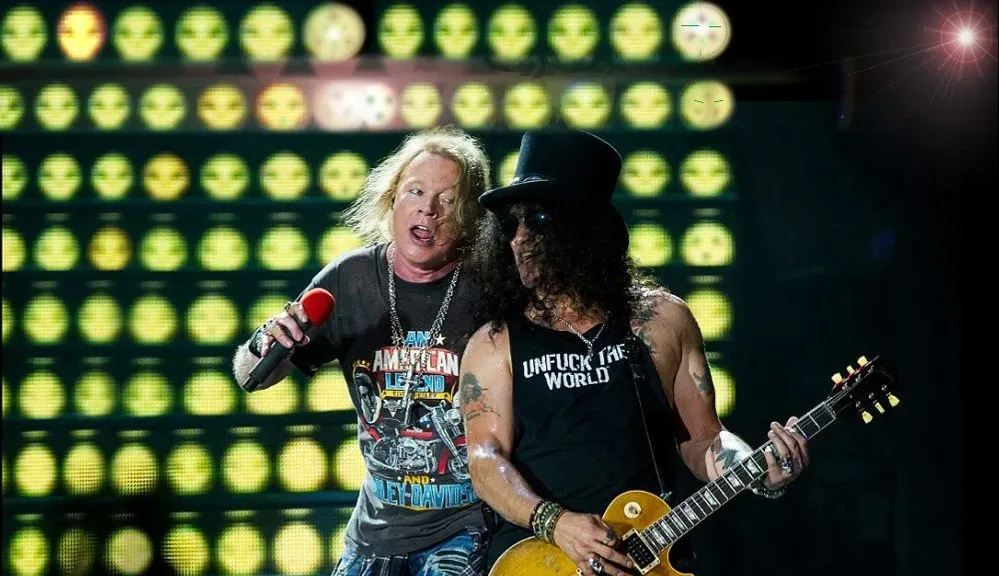
Slash has said many times that the song’s opening riff started as something close to a joke. Duff McKagan recalled that “it was written in five minutes,” calling it one of those songs built on only three chords, and remembering how the band initially thought, “What is this song? It’s gonna be nothing.” The rest of the band put the song together in ten minutes with only three chords, and thought so little of it they figured it would be a good album filler, until Slash saved it with one of the best guitar solos on record.
Partner offer
That filler track became something else entirely. It was the third single released from their 1987 debut Appetite for Destruction, which went on to sell over 30 million copies worldwide, providing Guns N’ Roses with the platform that would see them becoming one of the world’s best-selling bands. A riff born from restriction, played by a guitarist who initially hated the idea, turned into the band’s signature moment.
Satisfaction by The Rolling Stones
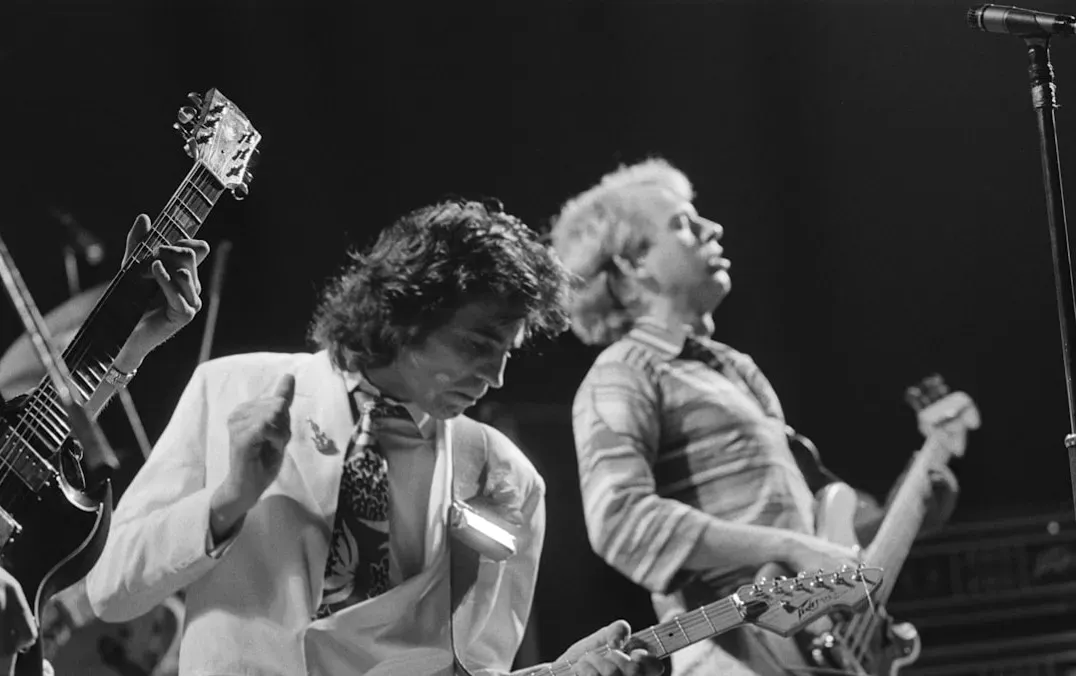
Keith Richards has told this story so consistently over the years that it’s become one of rock’s most quoted origin tales. Richards came up with the unforgettable riff in his sleep, waking long enough to record it on a cassette before drifting off again, and the rest of the song came together in minutes, with Mick Jagger adding the lyrics quickly. Richards has stated the riff gained its origin in two minutes of him fooling about on an acoustic guitar before passing out in a hotel room in Florida.
What started as a half-conscious accident became a defining anthem of the 1960s. The song shot to number one on both sides of the Atlantic and has been named repeatedly on greatest-songs-of-all-time lists ever since. It’s the kind of story that makes you wonder how many other classics got lost because nobody woke up in time to hit record.
Just Dance by Lady Gaga

Before Lady Gaga was a household name, she was in a Los Angeles studio session that started almost as a dare. The song that pushed Lady Gaga into the mainstream was written in just 10 minutes, penned with producers Akon and RedOne as an uplifting song about an optimistic future while she was struggling with depression. There was no grand plan behind it, just a fast, instinctive session that clicked immediately.
The results speak for themselves. “Just Dance” became Gaga’s breakout single, topping charts in multiple countries and launching one of the most commercially dominant pop careers of the following decade. It’s a reminder that some of the biggest launching pads in music history were built almost as an afterthought.
What’d I Say by Ray Charles
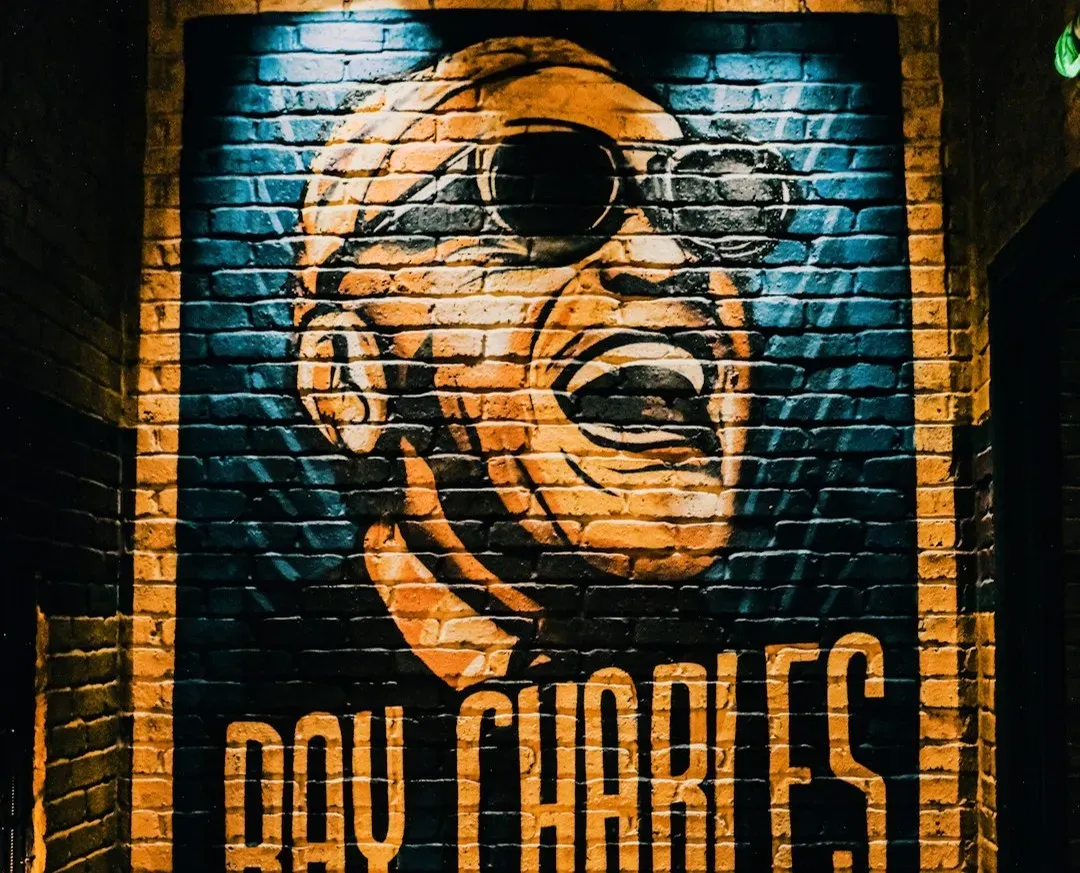
This one wasn’t written at all in the traditional sense, it was invented live, on the spot, out of necessity. In December 1958, Charles and his band had a gig at a Pittsburgh dance hall, a standard four-hour set running from 9 p.m. to 1 a.m., and when he ran out of songs to play, he improvised something entirely new. After playing every song he knew and still having 12 minutes to fill, Charles composed this piece of music on the fly, at a club in Brownsville, Pennsylvania during December 1958.
The crowd’s reaction told him he had stumbled onto something special. Less than two months after its June 1959 release, it hit No. 1 on the Billboard R&B singles chart and reached No. 6 on the Hot 100, becoming the first gold record of his career. It later appeared in Rolling Stone’s “The 500 Greatest Songs of All Time” list, ranked at number 10 in 2003 and number 80 in 2021. A song that only exists because a band ran out of material became one of the most influential recordings in American music.
Looking back at all seven, the pattern isn’t really about speed for its own sake. It’s about musicians trusting an idea the moment it showed up, whether that meant a dream, a bored crowd waiting for one more song, or a riff played half asleep in a hotel room. The songs that took fifteen minutes or less didn’t succeed because they were rushed. They succeeded because nobody got in their own way long enough to overthink them.Partner offer
Planning a trip to Vegas?
Compare hotel rates and show tickets on VEGAS.com.