Talent scouts get it wrong more often than the industry likes to admit. For every executive who spotted the next big thing early, there’s a paper trail of rejection letters, dismissive audition notes, and demo tapes tossed in a drawer that later turned out to belong to some of the most influential acts in music history. What makes these stories worth revisiting isn’t just the irony. It’s the reminder that commercial instinct, even from seasoned professionals, is a guess dressed up as expertise. The following seven cases show how a “no” from one label became the opening line of a much bigger story somewhere else.
Decca Records and The Beatles
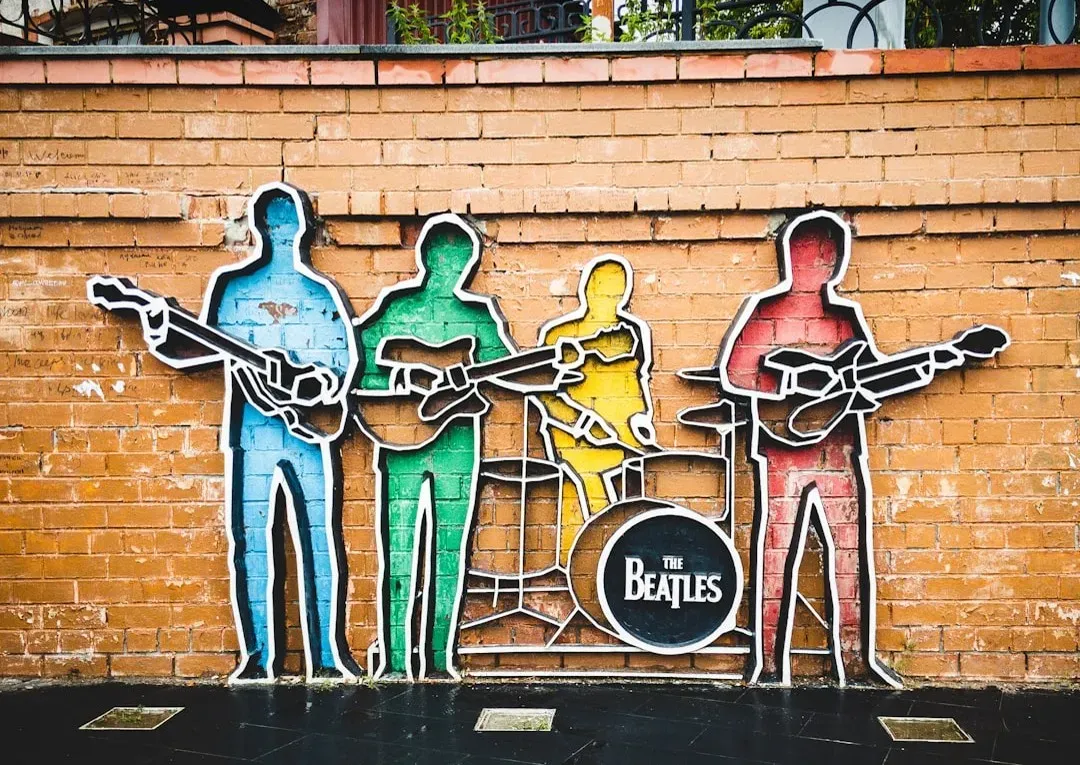
The Beatles were rejected after auditioning for Decca Records on Jan. 1, 1962. The band had driven through a snowstorm from Liverpool to London for the session, and Decca’s A&R man Dick Rowe listened to the results without much enthusiasm. Rowe was unimpressed, famously telling manager Brian Epstein that “guitar groups are on their way out.” It’s one of the most quoted lines in pop music history, mostly because of how spectacularly wrong it turned out to be.
Decca didn’t just pass on the group quietly. They were rejected by the label, who instead signed a contract with Brian Poole and the Tremeloes. That decision looks almost comical in hindsight, since Brian Poole and the Tremeloes never came close to matching what followed. Five months later, the Beatles signed with George Martin at Parlophone, an imprint of EMI, leading to arguably the most successful artist-producer collaboration in history.
Epic Records and the band that became Kiss

Before there was Kiss, there was Wicked Lester, a New York group built around Gene Simmons and Paul Stanley that had a record deal and very little momentum. Wicked Lester were going nowhere fast, and both Simmons and Stanley wanted to break from the group who had recently had their latest album rejected by their label Epic. That rejection turned out to be the push they needed to walk away and start something new. Rather than trying to fix a band that clearly wasn’t working, they scrapped it entirely.
Simmons and Stanley recruited Peter Criss and Ace Frehley, renamed the project Kiss, and started shopping a demo around New York. Casablanca founder Neil Bogart heard it and moved quickly. Kiss fulfilled an important early career goal by signing their first recording contract on Nov. 1, 1973, nine months after performing their first show together, and the greasepaint-wearing group was the first signed to Neil Bogart’s Casablanca Records. The band Epic had effectively let go, in the form of Wicked Lester’s failed material, ended up reborn as one of the biggest arena rock acts of the decade.
RSO Records and U2
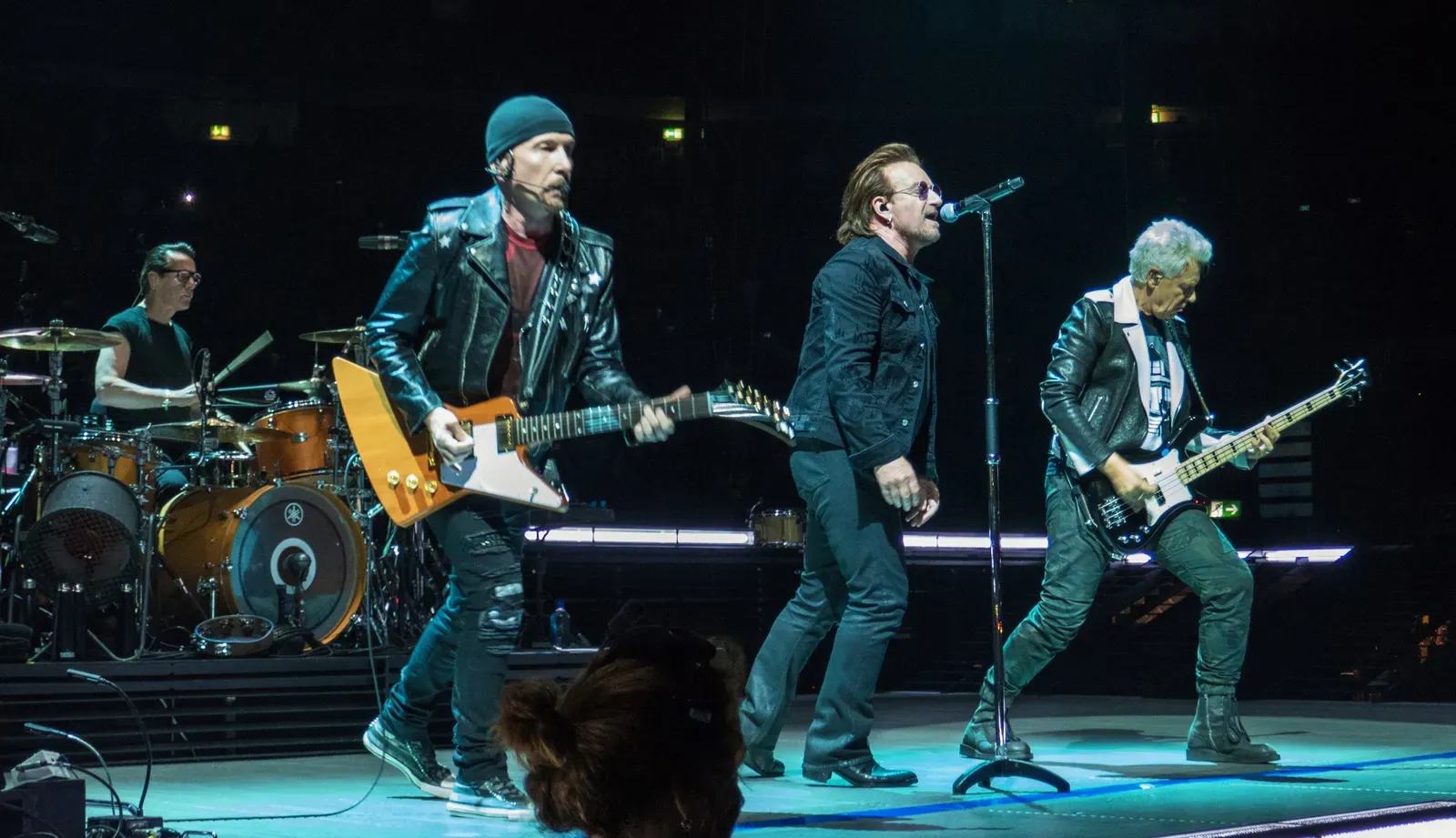
Long before U2 filled stadiums, four teenagers from Dublin sent a demo tape to RSO Records, home to acts like the Bee Gees and Eric Clapton. The response, dated May 1979, has since become one of the most famous rejection letters in music. Before any major label deal, U2 sent a demo to RSO Records and received a now-famous rejection letter addressed to Paul Hewson, which read in part, “we have listened with careful consideration, but feel it is not suitable for us at present.” The band was barely out of school at that point, still known locally rather than internationally.
U2 had formed in Dublin in 1976 as a band called Feedback, and after a couple of name changes ended up as a four-man band called U2 by 1978. The RSO rejection didn’t slow them down for long. In March 1980, U2 signed a major international recording contract with Island Records, covering all territories except Ireland, where CBS retained rights. RSO Records folded in 1983, four years after that letter was sent, the same year U2 released “Sunday Bloody Sunday.”
Island and Chrysalis Records and Genesis
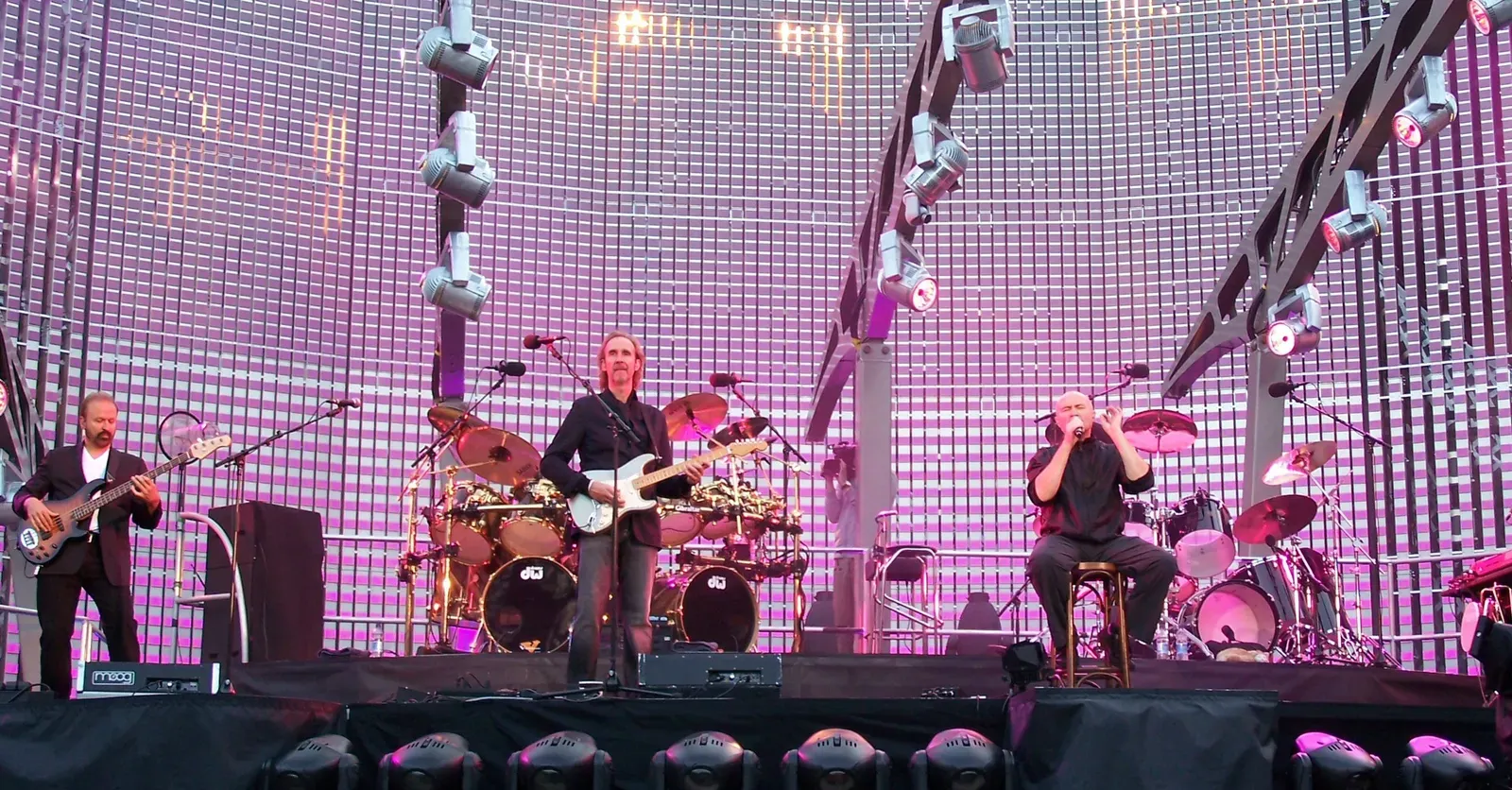
Genesis had a rough beginning that had little to do with the sprawling prog rock catalog they’d eventually build. Their earliest recordings, made under producer Jonathan King, went nowhere commercially. King had arranged a record deal with Decca, and the resulting album, From Genesis to Revelation, sold just 649 copies in its first year. That failure ended their working relationship with King and left the band without direction for a while.
Once they decided to pursue music professionally, things didn’t improve immediately. Initial discussions with Chris Blackwell of Island and Chris Wright of Chrysalis were unsuccessful. Even a fresh set of demos couldn’t find a home. The tape was rejected by each record label that heard it. It took a live performance and a personal recommendation for things to turn around, when producer John Anthony saw the band during a residency in Soho and convinced Charisma Records founder Tony Stratton-Smith to check them out for himself. That connection led to the deal that finally gave Genesis room to develop into the band remembered today.
New York’s major labels and Metallica

In the early 1980s, Metallica wasn’t exactly a hard sell in terms of talent, but thrash metal wasn’t something record executives knew what to do with. Concert promoter Jon Zazula tried to broker a deal on the band’s behalf and hit a wall almost everywhere he went. After he was turned down by every label he approached, Jon decided to start his own, and in 1982 he and his wife Marsha co-founded Megaforce Records. It was a scrappy, self-financed solution to a problem the majors simply refused to touch.
After receiving no interest from various record labels, Zazula borrowed the money to cover the record’s recording budget and signed Metallica to his own label, Megaforce Records. The gamble paid off faster than anyone expected. When Megaforce released Ride the Lightning in the summer of 1984, the major labels had already taken an interest in the band, and less than a week after the album’s release, Metallica was picked up by Elektra Records following a sold-out show at the Roseland Ballroom in New York City. The same labels that wouldn’t return Zazula’s calls two years earlier were suddenly circling.
The labels that passed on Bon Jovi before Mercury
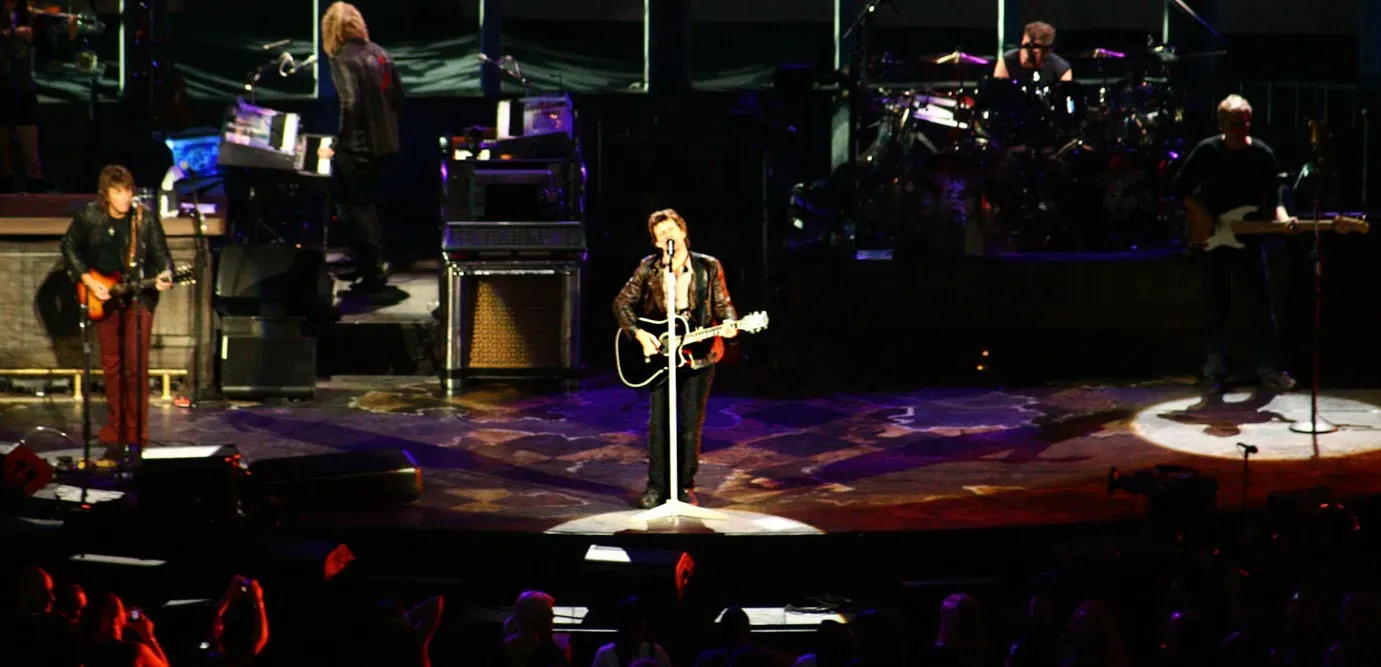
Jon Bon Jovi’s path to a record deal wasn’t smooth either, though his story played out a bit differently than a single dramatic audition. Working odd jobs around a New Jersey recording studio, he cut a demo of a song called “Runaway” and shopped it to label after label, only to be turned down each time. The material simply didn’t fit what most A&R departments were looking for at that moment, and nobody wanted to bet on an unsigned singer from Sayreville.
The turning point came sideways, through radio rather than a label meeting. A local New York station included “Runaway” on a compilation of unsigned artists, and the airplay it generated created enough buzz that Mercury Records, part of PolyGram, eventually signed him in 1983. The labels that had said no missed a songwriter who would go on to sell tens of millions of albums, proving that a demo’s fate can hinge as much on timing as on talent.
The majors that overlooked The Police before A&M

When Stewart Copeland, Sting, and Andy Summers formed The Police in London in 1977, punk and new wave were dominating label attention, and a jazz-trained trio blending reggae rhythms with pop songwriting didn’t fit the mold executives were chasing. Several major labels heard early material and passed, unconvinced there was a commercial angle. It left the band without a real deal for longer than their eventual success would suggest was reasonable.
In the meantime, Stewart Copeland’s brother Miles Copeland released some of their earliest singles through his own independent label, Illegal Records, just to get the music out at all. That grassroots push helped build enough of a following that A&M Records signed the band in 1978, giving them the backing to release Outlandos d’Amour the following year. Within a few years, The Police were among the biggest bands in the world, built on songwriting the majors had initially decided wasn’t worth the risk.