Movie quotes have a strange way of drifting from the screen into everyday speech, picking up small changes along the way until the version we remember barely resembles what was actually filmed. It happens so often that film historians and fact checkers have a name for the pattern, and pop culture writers keep circling back to the same list of offenders. Below are some of the most beloved lines in cinema, matched with the characters who supposedly said them, and the surprising truth about what those characters actually said on screen.
Darth Vader and the line that was never “Luke”

Ask almost anyone to do a Darth Vader impression and they will growl out “Luke, I am your father” without a second thought. It is arguably the most famous misquote in film history, repeated in sitcoms, commercials, and casual conversation for more than four decades. Yet Jones never actually said one of the most popular quotes attributed to the dastardly Lord Vader, “Luke, I am your father.”
The actual scene plays out differently than most people remember. Vader simply says, “No. I am your father.” It is true that due to Vader’s slightly warped manner of speech, it could be argued that what he says sounds a bit like “Luke,” which may be at the root of this popular misconception. Comedies and parodies, including a well known moment in Tommy Boy, helped cement the wrong version in the public memory.
Rick Blaine and the request he never made
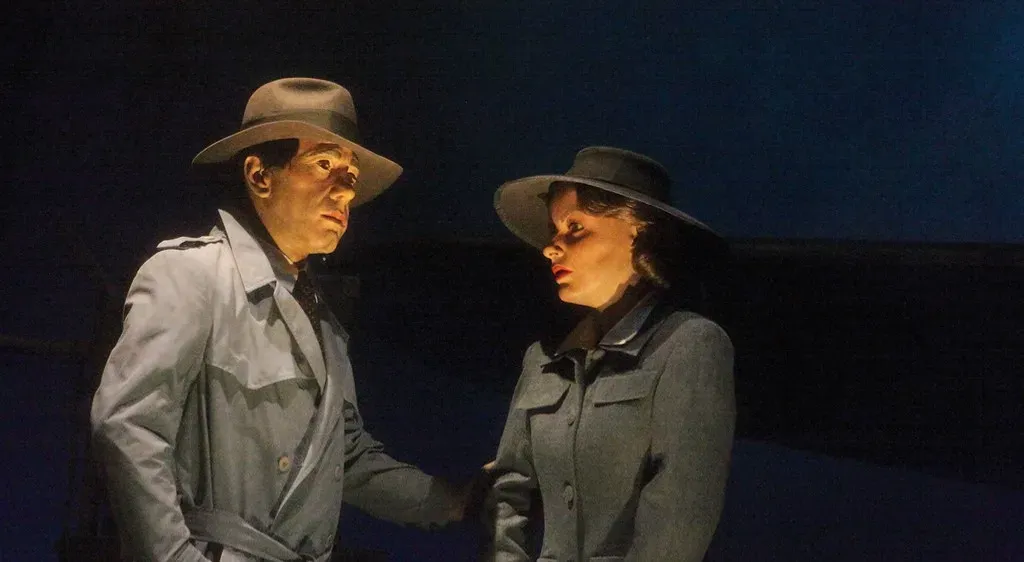
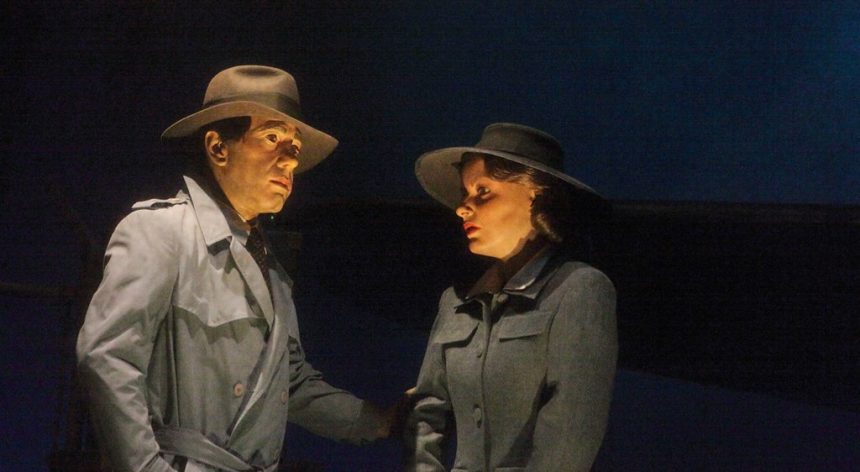
“Play it again, Sam” feels like it belongs to Casablanca so completely that questioning it seems almost disrespectful. The trouble is that Humphrey Bogart’s character, Rick Blaine, never utters that specific phrase anywhere in the 1942 film. The actual quote is “Play it, Sam. Play ‘As Time Goes By.'”
Part of the confusion comes from the film’s earlier scene, when Ilsa makes a similar request to the piano player. One of the most famous movie lines, never spoken, the actual quote from Casablanca is “Play it once, Sam, for old time’s sake.” The misquote became so entrenched in culture that Woody Allen used it as the title of his own 1972 film, which only reinforced the wrong wording for later generations.
Dorothy and the feeling she never quite named as thinking

Dorothy’s line about Kansas is one of the most quoted moments in The Wizard of Oz, and yet the popular phrasing takes small liberties with the script. Many people recall her saying she does not think they are in Kansas anymore, treating it as a matter of logic. What she actually says is “Toto, I’ve got a feeling we’re not in Kansas anymore.”
That distinction matters more than it seems at first glance. It’s not about what Dorothy “thinks.” It’s all about her feelings. The 1939 classic leans on intuition rather than deduction for that moment, a small detail that gets flattened every time someone repeats the tidier, more common version.
Forrest Gump and the chocolate box that changed tense
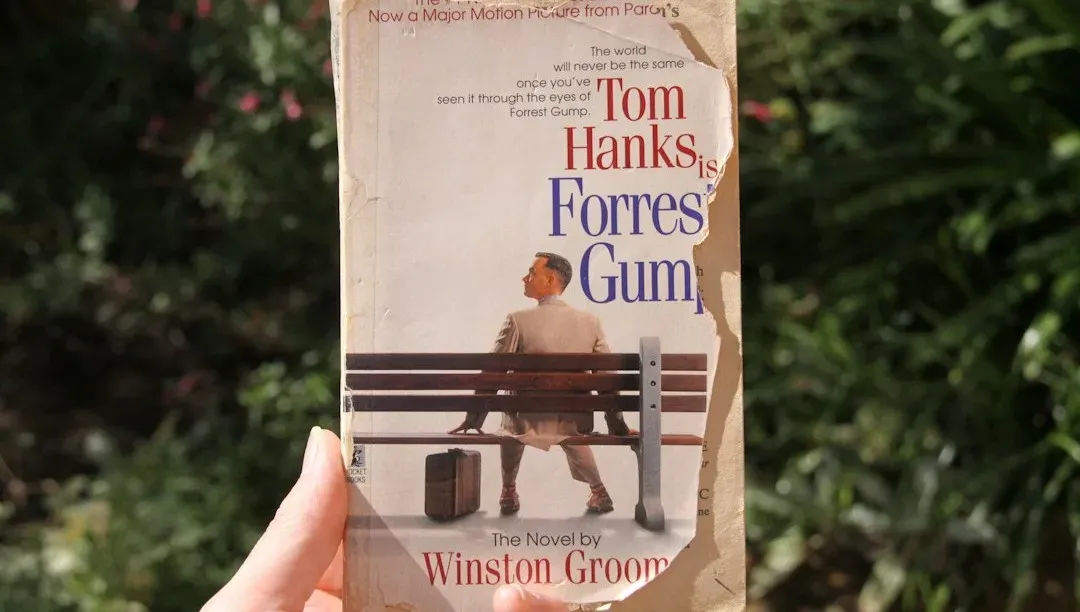
Few lines from nineteen nineties cinema have been repeated as often as the one about life and chocolate boxes from Forrest Gump. The commonly quoted version drops the present tense in for something that was originally meant as reported speech from another person entirely. The actual quote is “My momma always said life was like a box of chocolates. You never know what you’re gonna get.”
The nuance here is about who is speaking and when. The simile does not get lost in the misquote, but some of the context does, since Forrest Gump is reiterating something his mother used to say, using “was” rather than “is” to keep it firmly in the past. Sally Field’s character even says a slightly different version herself earlier in the film, adding to the layers of near identical phrasing that eventually blurred together in public memory.
Obi-Wan Kenobi and a blessing that belongs to someone else

“May the Force be with you” is treated as Obi-Wan Kenobi’s signature phrase throughout Star Wars fandom, appearing on merchandise and in countless tributes to Alec Guinness’s character. The attribution simply does not hold up against the original 1977 film. This line is often attributed to Obi-Wan Kenobi, but he never said it in the original Star Wars films.
The line actually belongs to other characters in that first movie. The quote is commonly attributed to Obi-Wan Kenobi, who never actually says it in the original film, although they slip it in during the prequels, and Han Solo does say it instead. It is a reminder that even within a single franchise, fans can misplace a phrase from one beloved character onto another simply because it feels like it should belong there.
Partner offer
Martin Brody and the boat that got bigger through repetition
Jaws gave audiences one of the most quoted lines in thriller history, and it is almost always repeated with the wrong pronoun. People tend to remember the line as a group statement rather than a direct address between two characters. You’re close, but that’s not exactly what Martin Brody says to his crew mate Quint, since what he actually tells him is, “You’re gonna need a bigger boat.”
That single word swap changes the entire feel of the moment. Turning “you’re” into the more commonly repeated “we’re” makes the line sound like a shared realization rather than Brody speaking directly to Quint about the threat in front of them. The misquote “We’re going to need a bigger boat” has simply outpaced the actual quote, “You’re going to need a bigger boat,” in popular memory.
Benjamin Braddock and the seduction line that got smoothed out
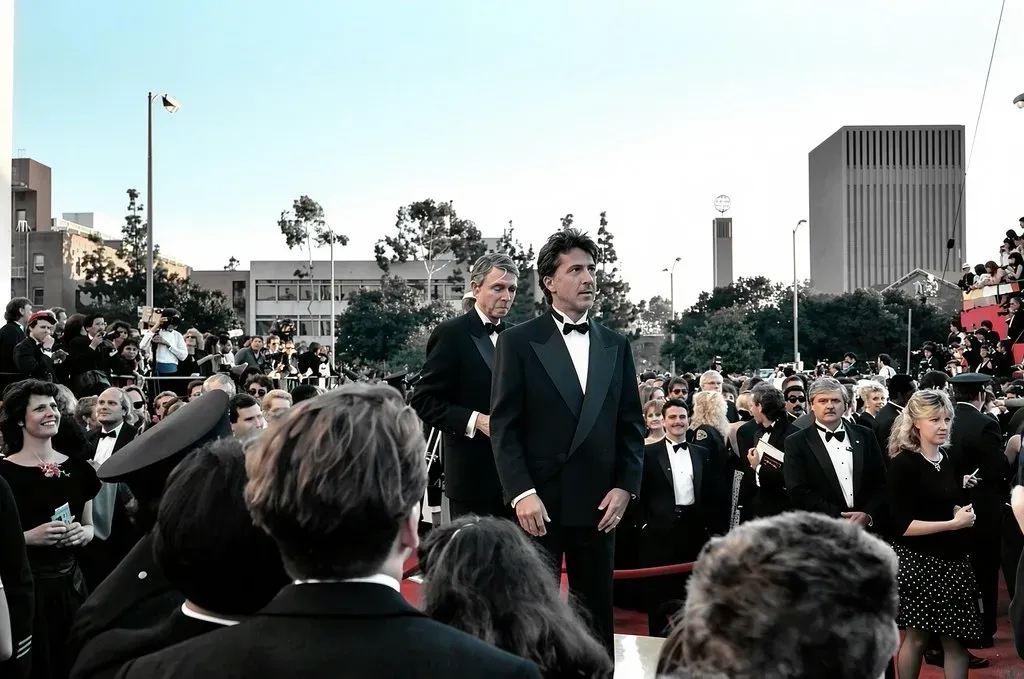
The Graduate produced a line so quotable that people forgot how awkward and unfinished the original delivery actually was. Popular memory turns it into a smooth, confident accusation, when the film version is far more hesitant. In The Graduate, it’s actually delivered in a much more awkward, broken up way, “Mrs. Robinson, you’re trying to seduce me… aren’t you?”
That hesitation was intentional and does real work for the character. That hesitation is part of what makes the moment work. Smoothing the line into a clean question, as most people do when quoting it, strips away the nervous uncertainty that defined Dustin Hoffman’s performance in that scene.
Harry Callahan and the monologue that got trimmed down

Dirty Harry gave audiences an entire tense speech, but pop culture has whittled it down to a much shorter and punchier phrase over the decades. The commonly repeated version skips the psychological setup that made the original moment so effective. The actual quote is “You’ve got to ask yourself one question: ‘Do I feel lucky?’ Well, do ya, punk?”
The full context reveals just how much has been trimmed away from public memory. Here’s the entirety of Clint Eastwood’s monologue, “I know what you’re thinkin’. ‘Did he fire six shots or only five?’ Well, to tell you the truth, in all this excitement, I’ve kinda lost track myself.” The shortened version keeps the menace but loses the deliberate, almost playful buildup that Eastwood delivered in the original scene.
Gordon Gekko and a philosophy that got stripped of its speech
Wall Street gave the nineteen eighties one of its most quoted lines about ambition and money, and it is almost always repeated as a two word slogan rather than the fuller statement it actually was. Michael Douglas’s character delivers his famous idea inside a much longer piece of dialogue during a shareholder meeting. The misquote is simply “Greed is good,” while the actual quote is “The point is, ladies and gentlemen, that greed, for lack of a better word, is good.”
Trimming the line down to two words changes its rhetorical weight considerably. The original phrasing frames greed almost apologetically, as though Gekko is reaching for a better term and settling for the closest available word, rather than proclaiming it as an unqualified virtue. That subtlety gets lost entirely once the line becomes a slogan on posters and T shirts.
Scotty and the beam up request that never quite happened
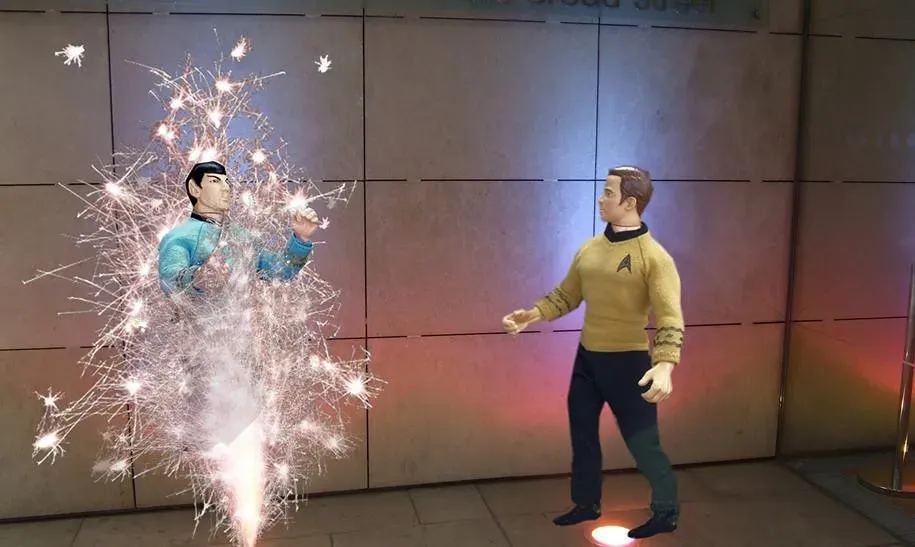
Star Trek fans have repeated “Beam me up, Scotty” for generations, treating it as an ironclad piece of franchise history. The exact phrase, in that exact order, simply does not exist anywhere in the original series. Shockingly, the exact phrasing “Beam me up, Scotty” has never appeared in the Star Trek canon, though countless variations, including “Beam us up, Mr. Scott,” “Scotty, beam us up fast,” and simply “Beam me up,” have.
The closest the franchise ever got to the popular version came years after the original show ended its run. The closest we’ve gotten is when William Shatner’s James T. Kirk says “Scotty, beam me up” in the 1986 film Star Trek IV: The Voyage Home. Even actor James Doohan, who played Scotty, leaned into the misquote by using it as the title of his own autobiography, which only helped the wrong version travel further into popular culture.
Partner offer
Planning a trip to Vegas?
Compare hotel rates and show tickets on VEGAS.com.