There was a particular kind of comedic education that happened between the hours of eight and noon on Saturdays, back when a bowl of cereal and a television dial were the only tools required. Long before streaming algorithms decided what counted as funny, a handful of animated shows quietly rewired how millions of kids understood jokes, timing, and absurdity. Some of these programs snuck adult wit past network censors, while others simply refused to talk down to their audience, and either way, the effect stuck around long after the cartoons themselves left the air.
1. Animaniacs and the Art of the Double Audience
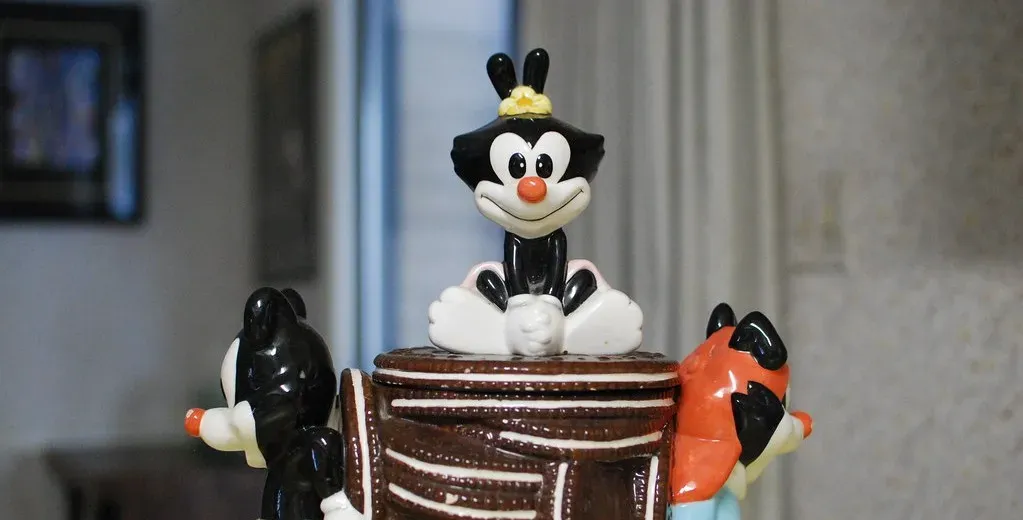
When Animaniacs debuted on Fox Kids in September 1993, it did something unusual for a children’s show: it wrote jokes for the parents in the room too. The series relied on slapstick, parodies, and caricatures of celebrities, balanced by educational segments, and a lot of the humor, while enjoyable for children, was also targeted for adults and attracted a large following in that demographic. That dual appeal wasn’t an accident; it was the whole strategy.
The show’s cultural footprint went beyond ratings. Animaniacs became a ratings success, falling second only to Fox’s Mighty Morphin Power Rangers, and along with Tiny Toons, it almost doubled the ratings of rival shows Darkwing Duck and Goof Troop. It also picked up serious industry recognition, including a Peabody Award during its first season and eight Daytime Emmy Awards over its run. For a generation of kids, Yakko’s rapid-fire wordplay and the show’s willingness to break the fourth wall became a template for what “clever” cartoon comedy could sound like.
2. Tiny Toon Adventures and the Wink at Classic Cartoon Logic
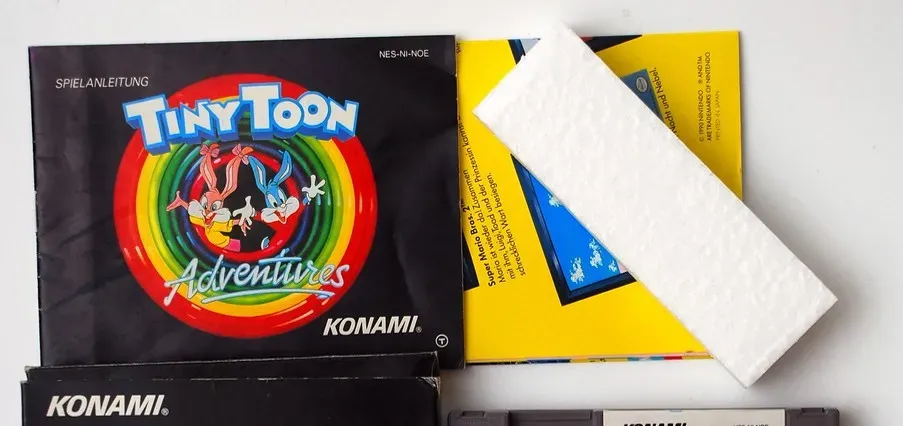
Before Animaniacs, there was Tiny Toon Adventures, the show that essentially proved a new generation could still fall in love with the rhythms of old-school Looney Tunes slapstick. Executive produced by Steven Spielberg alongside the Warner Bros. animation team, it introduced younger versions of classic characters while leaning hard into meta humor about cartoon conventions themselves. Characters routinely acknowledged they were in a cartoon, poked fun at genre tropes, and treated violence and mishaps with the same exaggerated, consequence-free logic that made the original Looney Tunes shorts work. That self-aware streak mattered. Kids who grew up on Tiny Toon Adventures absorbed an early lesson in comedic structure, the idea that a joke could be about the joke itself, not just the pratfall. It set the stage for the more overtly satirical shows that followed it on Saturday mornings, effectively training an audience to expect layered humor rather than simple gags.
3. Ren & Stimpy and the Limits of Good Taste
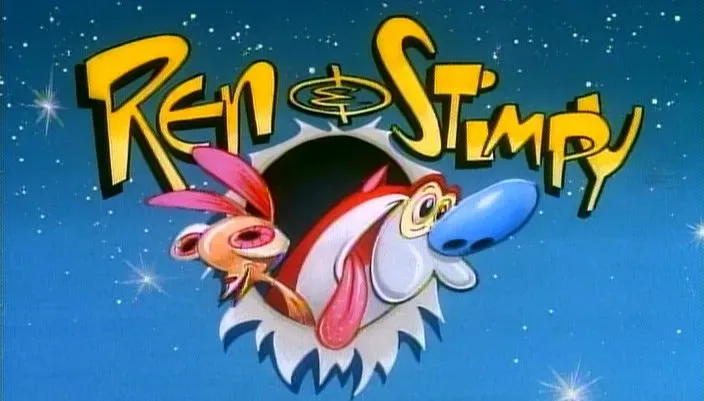
The Ren & Stimpy Show arrived on Nickelodeon in August 1991 and immediately felt like it was breaking rules nobody had written down yet. The series followed the misadventures of Ren Höek, an emotionally unstable and psychotic chihuahua, and Stimpy, a good-natured and dimwitted Manx cat, running on Nickelodeon from 1991 to 1995 across five seasons and 52 episodes. Its humor leaned into grotesque close-ups, bodily functions, and a kind of manic surrealism that no other kids’ show was attempting at the time.
That approach came with real friction behind the scenes. The show generated significant controversy for its dark humor, sexual innuendo, adult humor, violence, and shock value, contributing to creator John Kricfalusi’s termination in 1992 due to altercations with Nickelodeon’s Standards and Practices department. Even so, its influence on comedic sensibility was undeniable, with some critics later crediting it for leading the way for satirical animated shows like Beavis and Butt-head and South Park. Anyone who grew up quoting “Log” or reenacting Stimpy’s manic enthusiasm absorbed a very specific, slightly unhinged comedic rhythm that no cereal-box cartoon had offered before.
Partner offer
4. Rocko’s Modern Life and the Comedy of Everyday Dread
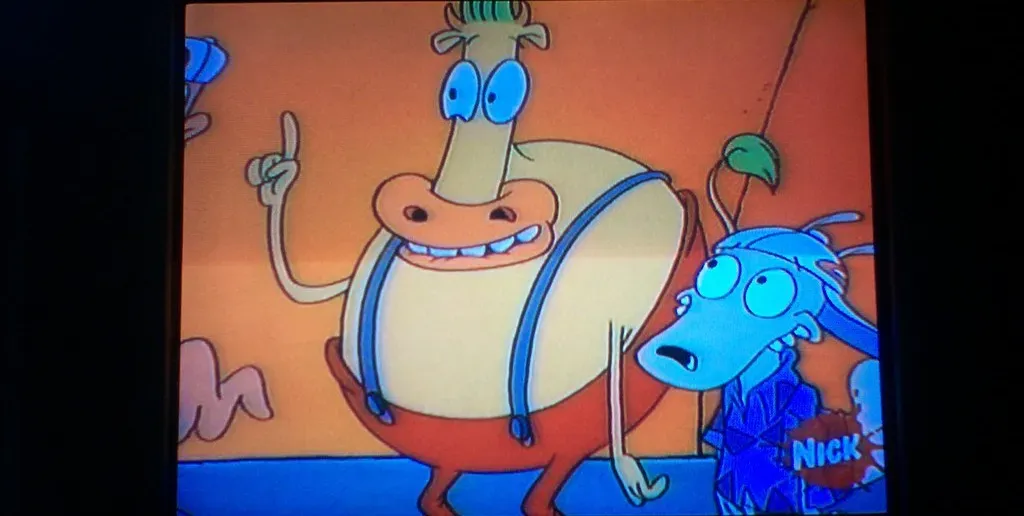
Rocko’s Modern Life, which ran on Nickelodeon from 1993 to 1996, took a different route to the same destination. Instead of chaos or parody, creator Joe Murray built comedy out of mundane anxieties: bad jobs, bureaucratic nightmares, awkward neighbors, and the general indignities of adult life, all filtered through a wallaby protagonist and his oddball friends. It was gentle on the surface but sharply observational underneath, a show that made everyday frustration feel absurd rather than depressing. What made it stick with kids was how relatable the discomfort felt, even secondhand. A child watching Rocko struggle through a terrible customer service call or an overbearing boss was, in a strange way, being prepped for adulthood’s smaller comedic miseries years before they’d experience them directly. That blend of workplace satire and character-driven awkwardness quietly influenced a strain of humor built on discomfort rather than slapstick, something later shows would lean into more directly.
5. Pinky and the Brain and the Comedy of Repetition
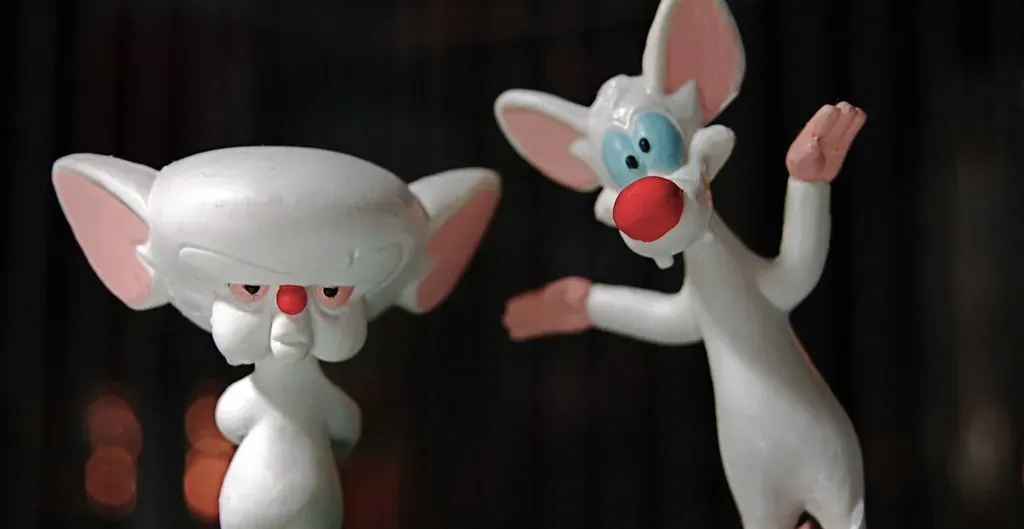
Spun off from Animaniacs in 1995, Pinky and the Brain took a single joke, two lab mice plotting world domination, and proved that repetition itself could be the punchline if the execution stayed sharp enough. Brain’s grandiose, often Shakespearean plans crashing against Pinky’s cheerful incompetence became a structural joke that kids could predict and still laugh at, episode after episode. It was an early, painless lesson in comedic setup and payoff, delivered through a nightly ritual line that became a genuine playground catchphrase. The show also snuck in a surprising amount of political and pop culture satire for something ostensibly about talking mice. Brain’s schemes regularly parodied real world power structures, elections, and media manipulation, giving sharper-eyed kids a taste of satire well before they understood the term. It rewarded attentive viewing in a way that plenty of “smarter” adult comedy still struggles to manage.
6. Freakazoid! and the Joy of Comedic Chaos
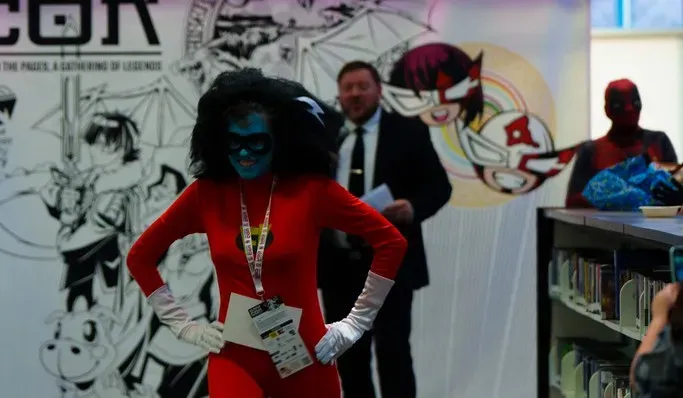
Freakazoid!, which aired on The WB starting in 1995 from the team behind Batman: The Animated Series, took superhero parody and cranked the absurdity dial well past what most Saturday morning shows attempted. Its title character was less a hero than a walking non sequitur generator, prone to breaking into random tangents, addressing the audience directly, and abandoning plotlines mid-episode for no reason other than the joke demanded it. The show’s writers, including Paul Dini, clearly understood that unpredictability itself could be a comedic engine. Despite a relatively short run, Freakazoid! left a disproportionate mark on kids who valued weirdness for its own sake. It taught a specific kind of humor appreciation, one built on tonal whiplash and structural chaos rather than tidy setups, that later resurfaced in more adult-oriented animated comedy. For a certain type of viewer, it was the first cartoon that felt genuinely unpredictable in a good way.
7. Garfield and Friends and the Comedy of the Deadpan Cynic
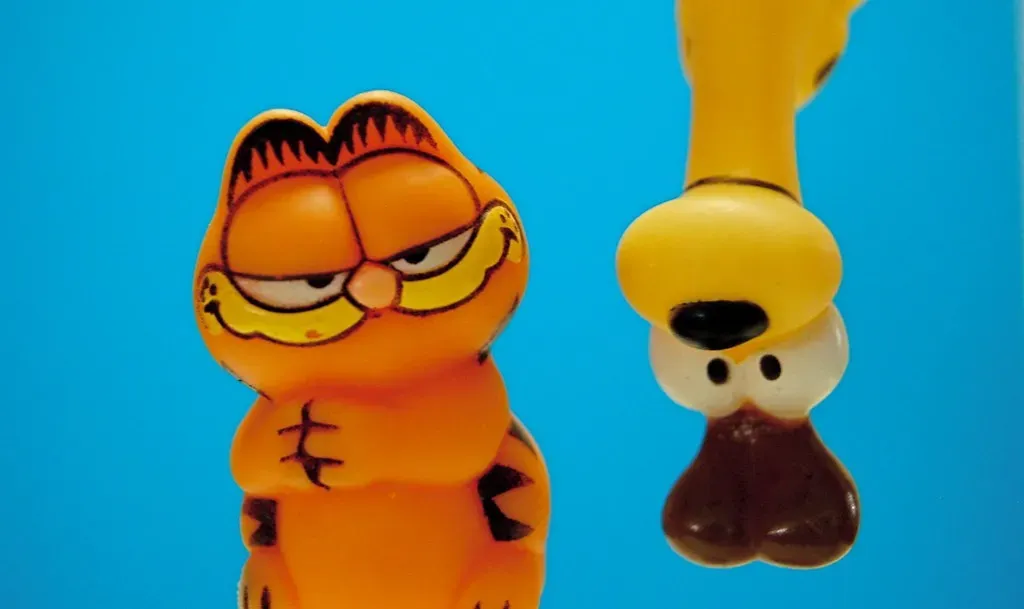
Garfield and Friends ran on CBS from 1988 into the mid 1990s, and while it predates the peak of the shows above, its influence carried well into the Saturday morning era that followed. Built around Jim Davis’s newspaper strip, the show translated Garfield’s lazy, food-obsessed cynicism into a running voice-over commentary that mocked everything around him, including the show’s own plots. That dry, self-aware sarcasm was a notably different comedic register from the manic energy of most kids’ animation at the time. Garfield’s specific brand of humor, low effort, high snark, quietly modeled a kind of comedic detachment that plenty of viewers carried into adulthood without quite realizing where it came from. It also paired oddly well with its companion segment, U.S. Acres, which leaned into gentler, more whimsical humor, giving the show a tonal range that few single cartoons managed. For kids who preferred their jokes delivered with an eye roll rather than a pratfall, Garfield was the training ground.
Taken together, these seven shows didn’t just entertain a generation, they built a shared comedic vocabulary. Kids who grew up trading Animaniacs one liners or reenacting Ren and Stimpy’s manic outbursts on the playground were absorbing timing, structure, and tone in ways that shaped how they’d later recognize good comedy elsewhere. Decades later, the references still surface in adult conversation, proof that Saturday morning humor never really stayed confined to Saturday morning.Partner offer
Planning a trip to Vegas?
Compare hotel rates and show tickets on VEGAS.com.