Every long-running film series eventually hits a wall, and the results are rarely subtle. A sequel arrives with a bloated budget, a strange new direction, or a plot twist nobody asked for, and suddenly the thing fans loved feels tainted. Some franchises bounce back after a misstep. Others never really recover, limping along for years or vanishing entirely.
What follows is a look at nine sequels that did lasting damage to the properties they were supposed to extend. These aren’t just bad movies, plenty of those exist without consequence. These are the ones that changed the trajectory of an entire franchise, sometimes for a decade or more.
Highlander II: The Quickening turned a cult classic into a punchline
The original Highlander built a loyal following on the strength of its swordplay and Queen soundtrack, so the 1991 sequel had a lot riding on it. Instead of building on that foundation, the film retconned the immortals into aliens exiled from a planet called Zeist, undoing the mythology fans had already accepted. Highlander 2 sits at a well-earned 0% on Rotten Tomatoes and bombed, grossing over $14 million on an estimated $34 million production budget.
Critics were not gentle about it either. The site’s critics’ consensus reads: “There should have been only one.” Roger Ebert’s review has become almost as famous as the film itself, and he wrote that “Highlander 2: The Quickening is the most hilariously incomprehensible movie I’ve seen in many a long day — a movie almost awesome in its badness.” The franchise did produce more sequels afterward, but none matched the cultural footprint of the original, and this film is usually cited as the moment things went sideways.
Batman & Robin buried the Bat-suit for eight years
Joel Schumacher’s follow-up to the moderately successful Batman Forever leaned so hard into camp that it alienated the audience that had carried the series through four films. Rotten Tomatoes gave the film a 10% rotten rating, and on Metacritic it holds a 28 out of 100, meaning “generally unfavorable reviews.” The much mocked nipples on the Batsuit became shorthand for everything wrong with the production.
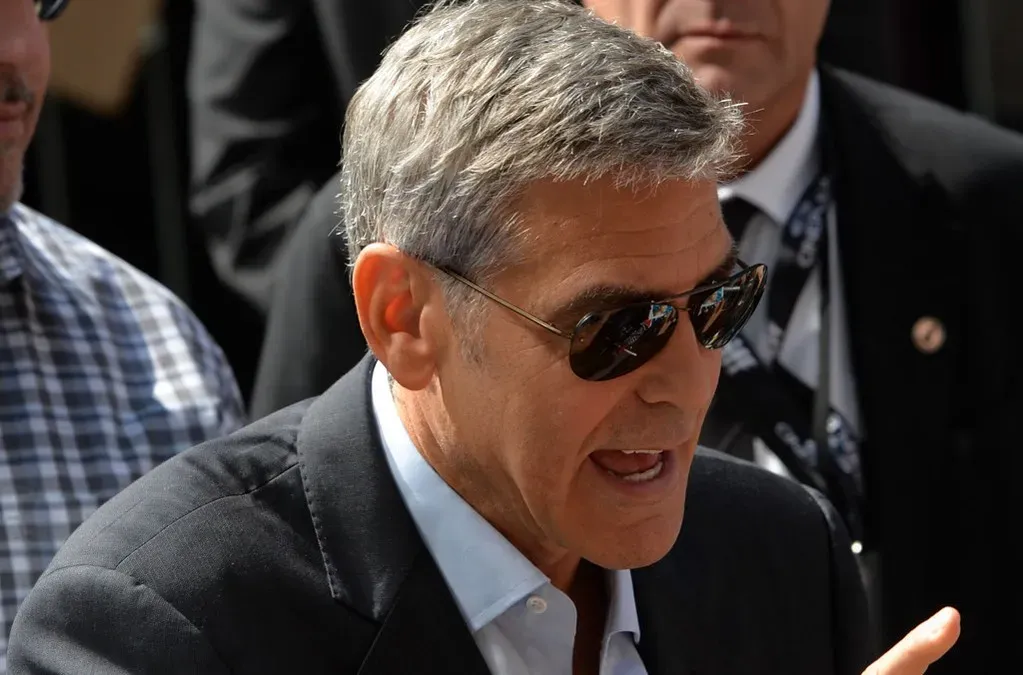
The commercial fallout was just as brutal. The film grossed $238 million worldwide against a production budget of $125 to 160 million, and was considered a box office disappointment. Studios usually expect summer movies in a highly successful series to earn more profit than that, and Warner Brothers canceled the series after four live action films, scrapping plans for a fifth movie titled Batman Unchained. George Clooney, who played Batman in the film, later said plainly that he thought the movie might have killed the franchise.
Speed 2: Cruise Control swapped a bus for a boat and lost everything
Speed worked because it trapped its characters and audience in real time tension on a moving bus with a bomb underneath. The sequel abandoned that tight, claustrophobic premise for a cruise ship crawling along at a few miles an hour, which drained nearly all the urgency from the concept. Keanu Reeves, wisely, chose not to return, and Jason Patric was brought in as a replacement lead who never connected with audiences the same way.
The film was a critical and commercial disaster on release, effectively ending any hope of a continuing series. It has since become a frequently cited example in film discussions of sequels that misunderstood what made the original work in the first place. No further installments followed, and the Speed name has mostly stayed dormant since.
Terminator: Dark Fate proved audience fatigue had finally caught up
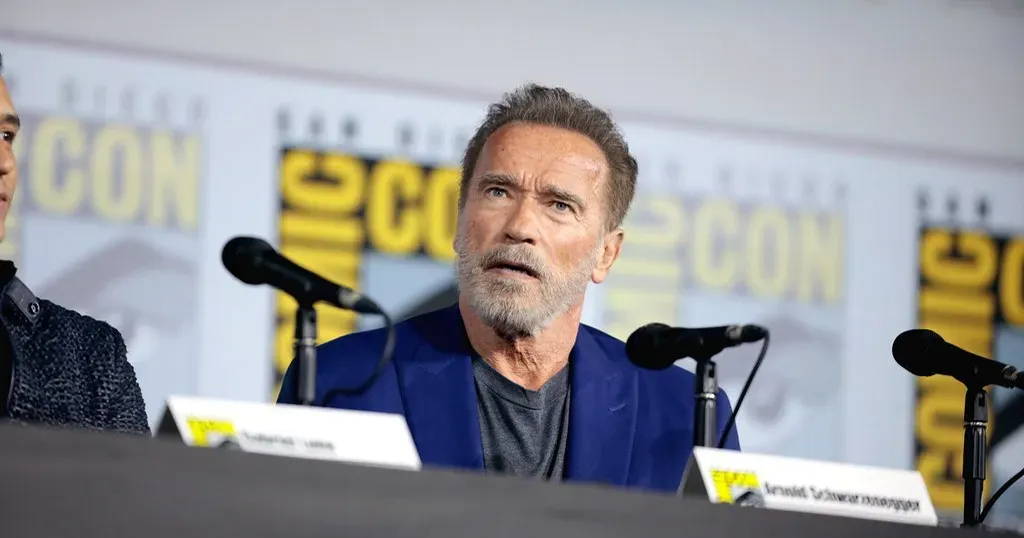
By the time Dark Fate arrived in 2019, the Terminator series had already stumbled through Terminator Salvation and Terminator Genisys, but this one was supposed to be different. James Cameron returned as producer, Linda Hamilton came back as Sarah Connor after nearly three decades away, and reviews were genuinely stronger than the previous two entries. Despite the best reviews in the franchise since T2, Dark Fate became a major box office bomb, grossing only $62 million domestically on a budget of $185 million.
The film struggled globally too. Although it finished first at the box office, it was the lowest opening in the series since the original film when accounting for inflation, which was blamed on the lukewarm critical reception as well as the audience’s disinterest in another Terminator film. The failure suggested something deeper than one bad script, that general fatigue with the franchise had set in regardless of who was involved. No sequel has followed since, and the series remains effectively shelved.
Indiana Jones and the Kingdom of the Crystal Skull cooled off a beloved adventurer
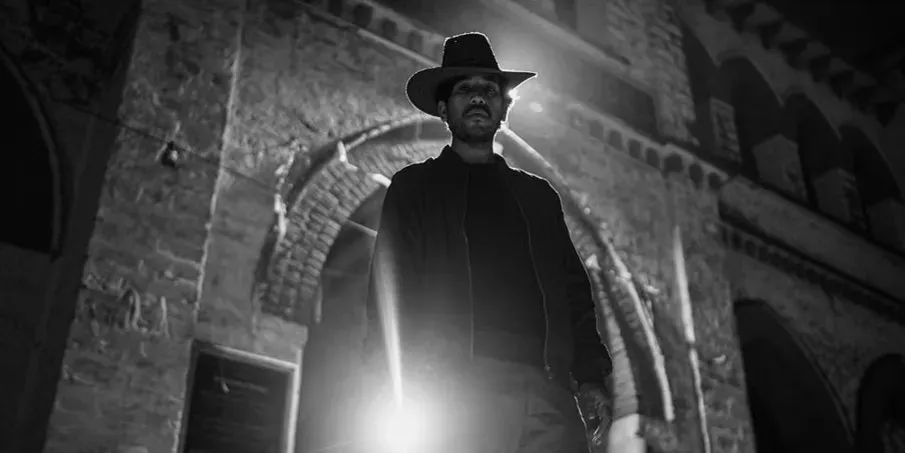
Nineteen years passed between The Last Crusade and this fourth entry, and the gap showed. The decision to center the plot around extraterrestrial artifacts felt like a sharp departure from the archaeological mysticism that defined the earlier films, and the now infamous scene of Indy surviving a nuclear blast inside a refrigerator became a shorthand joke for the franchise overreaching itself.
The film still made money at the box office, riding on nostalgia and Harrison Ford’s return, but critical opinion soured considerably compared to the original trilogy. It took fifteen more years for another Indiana Jones film to arrive, and by then the character felt more like a farewell tour than a continuing adventure series. The damage wasn’t fatal, but it changed how audiences talked about the character going forward.
Alien: Resurrection drained the tension out of a horror icon
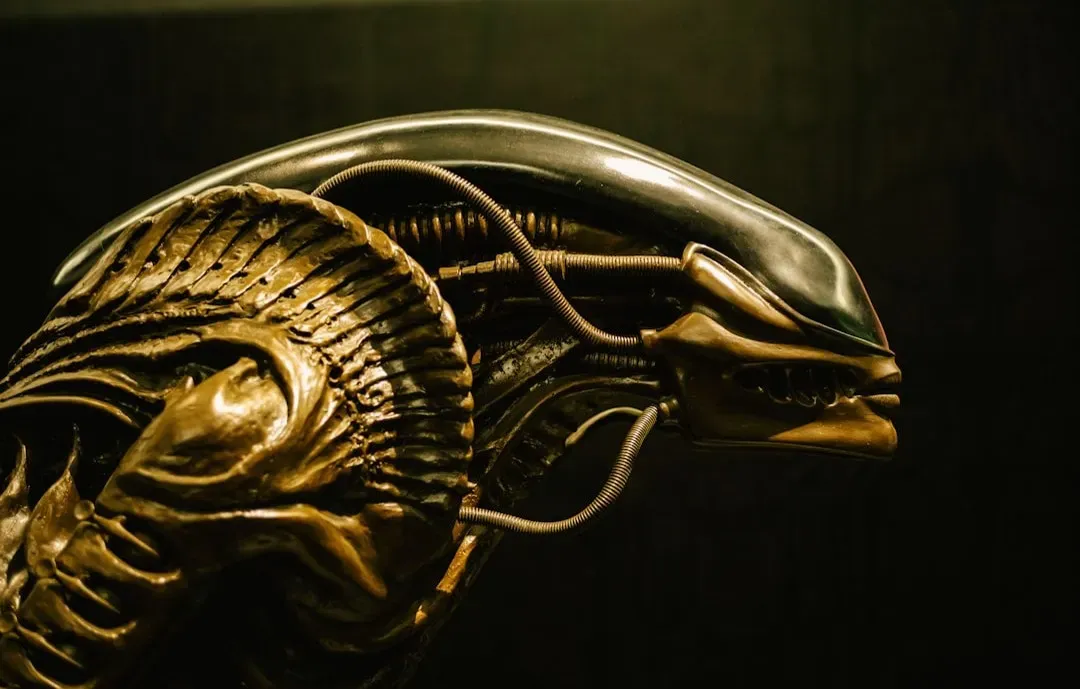
The Alien series had already survived one uneven sequel with Alien 3, but Resurrection pushed the tone even further from the claustrophobic dread that made the 1979 original so effective. Cloning Ripley and leaning into darkly comedic beats felt like a fundamental misunderstanding of what fans wanted from the series. The film’s visual style, heavy on stylized action, distanced it further from the slow burn horror of its predecessors.
Box office returns were soft compared to earlier entries, and critical reception was mixed at best, with many longtime fans expressing disappointment at the direction. It would be seven years before another Alien film reached theaters, and even then the franchise pivoted toward prequels with Prometheus rather than continuing the numbered sequel format. The series never fully returned to the tone that made the original a horror landmark.
Blues Brothers 2000 arrived two decades too late
The original Blues Brothers built its charm on the chemistry between John Belushi and Dan Aykroyd, so making a sequel without Belushi, who had passed away in 1982, was always going to be a tough sell. The 1998 follow-up tried to recapture the magic with new characters and cameo musicians, but audiences largely stayed away. The film underperformed badly at the box office relative to its production costs.
Critics pointed to the absence of Belushi as the film’s central, unfixable problem, no amount of star power in the supporting cast could paper over that gap. The movie has largely faded from cultural memory since, remembered mostly as a cautionary tale about reviving a duo act after losing half the duo. No further sequels were attempted.
Exorcist II: The Heretic confused audiences and critics alike
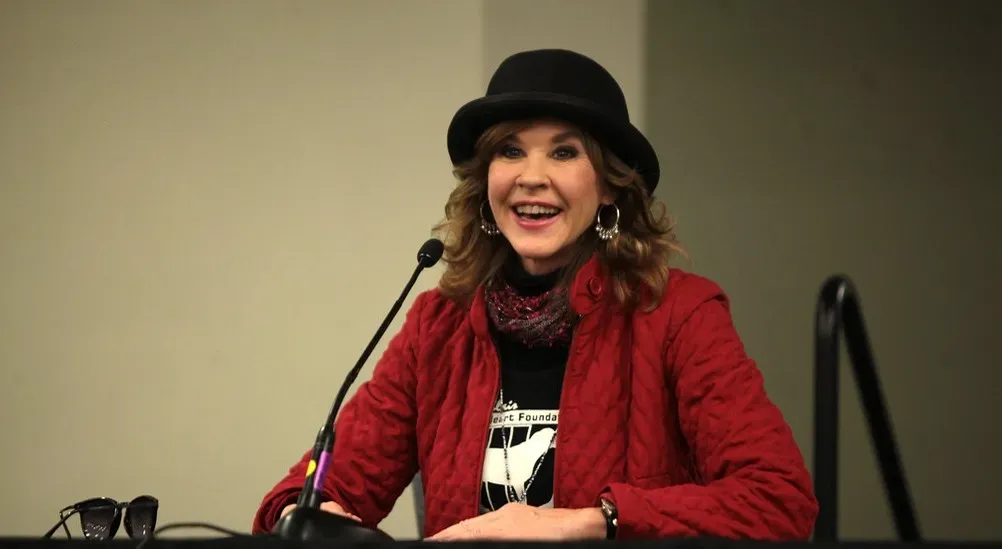
The Exorcist remains one of the most influential horror films ever made, so its 1977 sequel had an enormous shadow to work under. Instead of continuing the grounded, slow dread of the original, the follow-up introduced strange psychic link devices and a tonal shift that many viewers found baffling rather than frightening. Reviews at the time were harshly negative, and the film has continued to rank among the more infamous sequel missteps in horror history.
The financial and critical failure delayed further Exorcist films for over a decade, and when Exorcist III eventually arrived, it wisely ignored much of what the second film established. The damage to the brand lingered for years, with the franchise never quite recapturing the cultural weight of the 1973 original. It remains a frequently cited example of a sequel actively working against its source material.
The Matrix Resurrections left the franchise in limbo
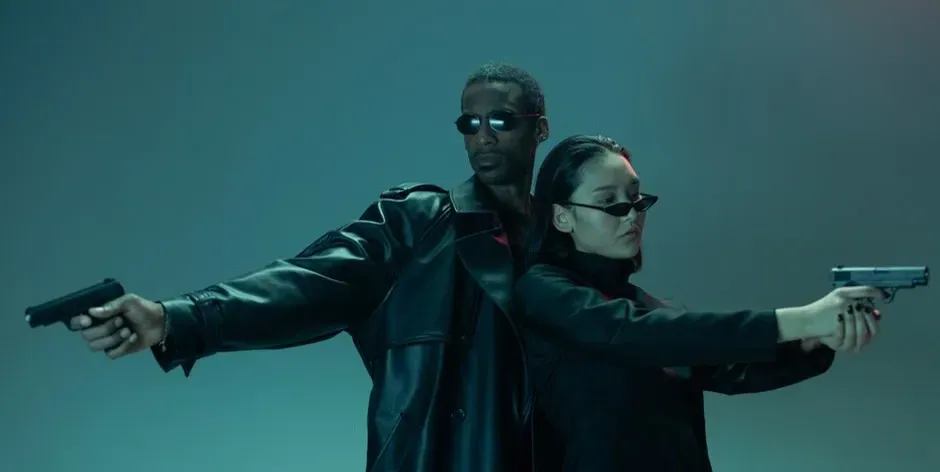
Eighteen years after The Matrix Revolutions, Lana Wachowski returned solo to close out the story with Resurrections in 2021. The film’s meta commentary on legacy sequels and franchise nostalgia divided audiences sharply, with some appreciating the self aware approach and others finding it undercut the emotional stakes of the earlier trilogy. Box office numbers came in well below expectations, especially given the film’s simultaneous release on streaming during the pandemic era.
Critical reception was mixed, landing well short of the original film’s near universal acclaim decades earlier. No further Matrix films have been announced since, and the franchise has effectively sat dormant, its future uncertain as of 2026. The ambitious swing at reinvention didn’t land the way the studio hoped, leaving the series in an unresolved state.
Jurassic World Dominion struggled to justify its own existence
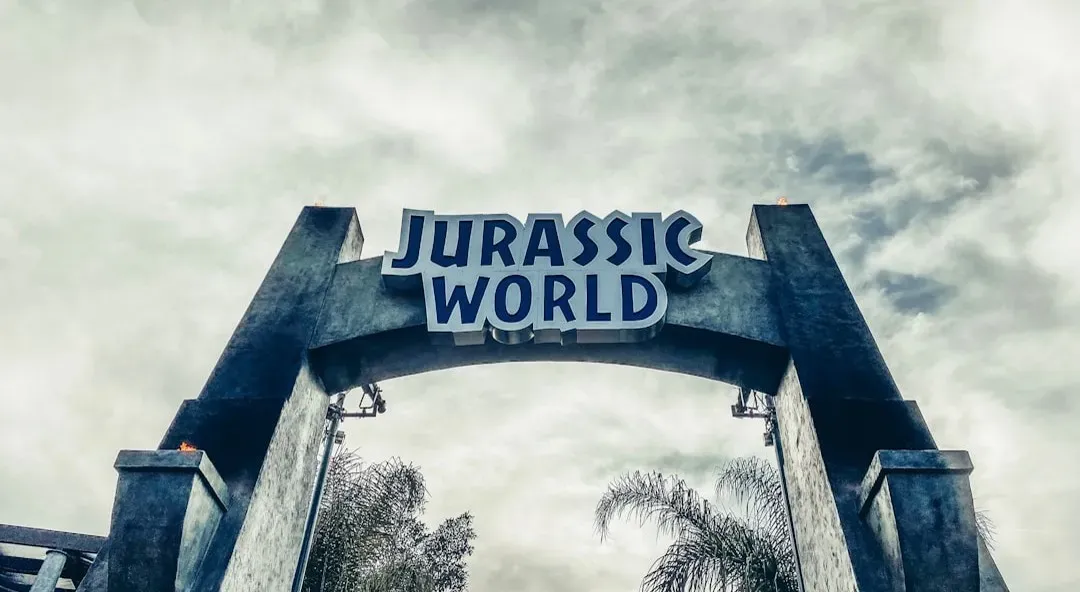
Positioned as the grand finale bringing together the original trilogy cast and the newer Jurassic World characters, Dominion carried enormous expectations when it released in 2022. Reviews were largely negative, with critics pointing to an overstuffed plot involving genetically modified locusts that felt disconnected from what made the earlier dinosaur films compelling. The attempt to blend two generations of characters ended up diluting both rather than honoring either.
The film still performed reasonably at the box office thanks to name recognition, but the reception marked a clear low point for the rebooted series. Talk of future Jurassic entries has continued since, though the franchise has needed to rethink its approach after Dominion’s lukewarm reception. It stands as a reminder that nostalgia alone can’t carry a threequel across the finish line.
Final thoughts
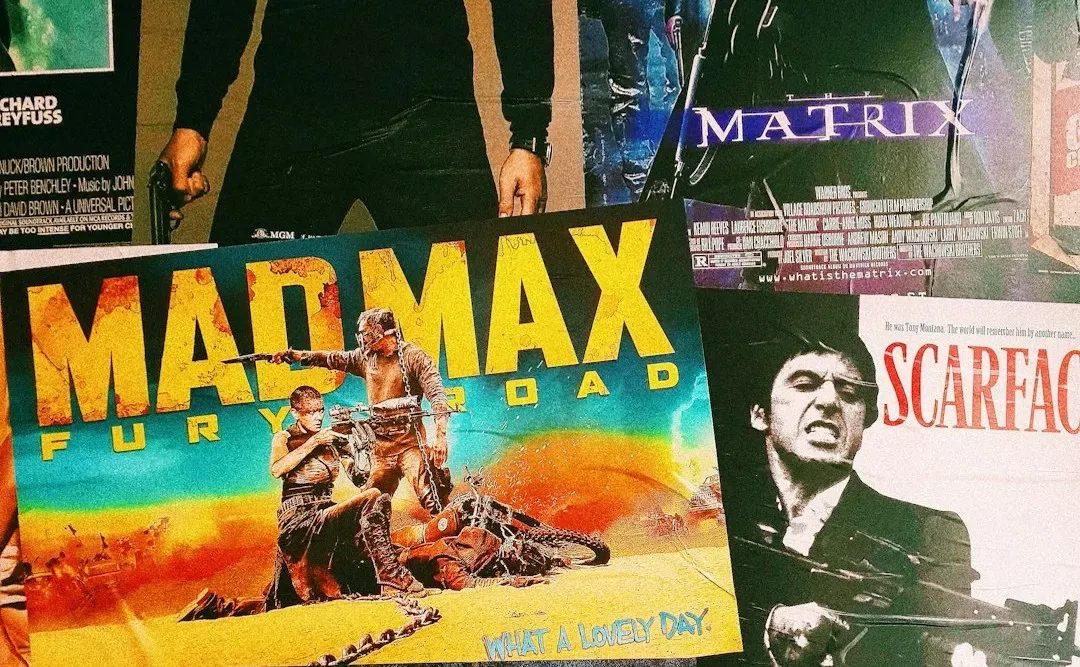
Looking across these nine cases, a pattern emerges that has little to do with budget size or star power. The sequels that did lasting harm usually misunderstood what made the original work in the first place, whether that was tone, pacing, or a simple emotional connection between characters.
Franchises can survive a bad entry, plenty have. What’s harder to survive is a sequel that makes audiences question why they liked the series to begin with. That’s the real damage these nine films left behind, and in most cases, it took years, sometimes decades, before anyone dared try again.