
Award season interviews and press junkets tend to produce the same polished answers. An actress says she chose a project because of the script, the director’s vision, or a story that “needed to be told.” Those reasons are often true, but they rarely tell the whole story of what actually pulls a performer toward one role over another.
Behind the diplomatic soundbites sit more practical, sometimes less flattering considerations. Money, image control, awards positioning, and career timing all play a role, even if publicists prefer these factors stay out of the headlines. Here is a closer look at seven things actresses genuinely weigh, whether or not they say so on the record.
1. How the role might position them for awards season

Prestige matters, and so does the calendar. Films released in the fall festival window at Venice, Telluride, or Toronto carry a built-in advantage heading into Oscar and Golden Globe conversations, which is why so many awards-caliber performances cluster around that stretch of the year. Actresses and their teams pay close attention to release timing, distributor track records, and whether a studio has the muscle to run a proper campaign.
This calculation rarely gets said out loud because it can sound calculating rather than artistic. Yet talent agencies routinely factor in a distributor’s history with awards campaigns before signing off on a project, since a great performance buried in a poor release strategy can vanish without recognition.
2. Whether the paycheck matches the workload and prestige
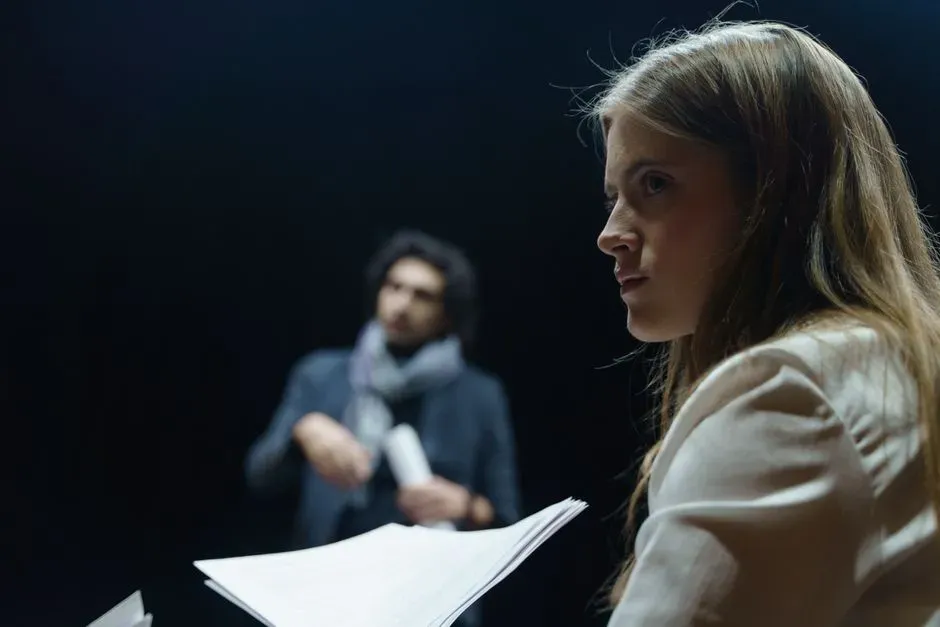
Pay equity has become a far more public conversation since 2017, but the negotiations themselves still happen quietly. Actresses now often have quote leverage tied to box office performance, streaming deals, or awards nominations, and many insist on backend points rather than settling for a flat fee when a project looks promising.
Reports over the past several years have shown persistent gaps between what male and female leads earn on comparable projects, which keeps pay a sensitive but central factor in decision-making. An actress may publicly say she took a role for the material, while privately her team spent weeks negotiating a rate that reflected her market value against a male costar’s quote.
3. How much creative control they will actually have
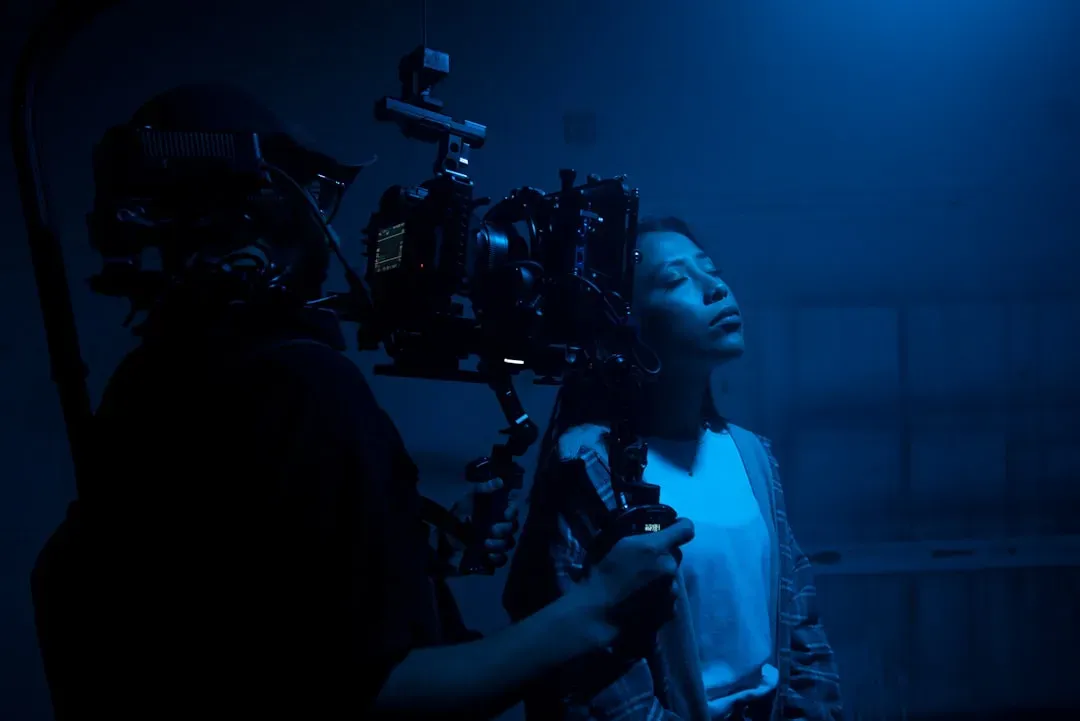
Many established actresses now function as producers on their own projects, a shift accelerated by companies like Reese Witherspoon’s Hello Sunshine and Margot Robbie’s LuckyChap Entertainment. Having a producer credit means influence over casting, script rewrites, and even final cut decisions, which is a very different experience than being hired purely as talent for someone else’s vision.
This desire for control rarely comes up in interviews because it can read as demanding or difficult, labels that have historically followed outspoken women in Hollywood more than their male peers. Still, the rise of actress-led production companies throughout the 2020s shows how much weight creative input now carries in choosing projects.
4. Whether the role could damage or reshape their public image

Casting choices carry reputational risk, and actresses think carefully about how a character might be received before signing on. A morally complicated role, a controversial director, or a project tied to a politically charged subject can shift public perception in ways that outlast the film itself.
Partner offer
Publicists and managers often run informal risk assessments before a deal closes, weighing social media sentiment and past audience reactions to similar material. None of this gets mentioned in press tours, where the safer answer is always about admiring the character’s complexity or the story’s importance.
5. How the role fits into a longer-term career pivot

Actresses frequently use certain roles as deliberate pivots, whether that means moving from romantic comedies into prestige drama, or from film into television as streaming platforms have reshaped where quality work lives. The success of limited series on platforms like HBO, Netflix, and Apple TV+ has made television a legitimate and often preferred destination for film actresses seeking meatier material.
This strategic repositioning is rarely framed that way publicly, since admitting a role was chosen to change perception can undercut the appearance of pure artistic passion. Instead, the pivot gets described as a natural evolution or a long-held dream project, even when industry insiders recognize it as a calculated next step.
6. Whether the schedule works around family or personal life
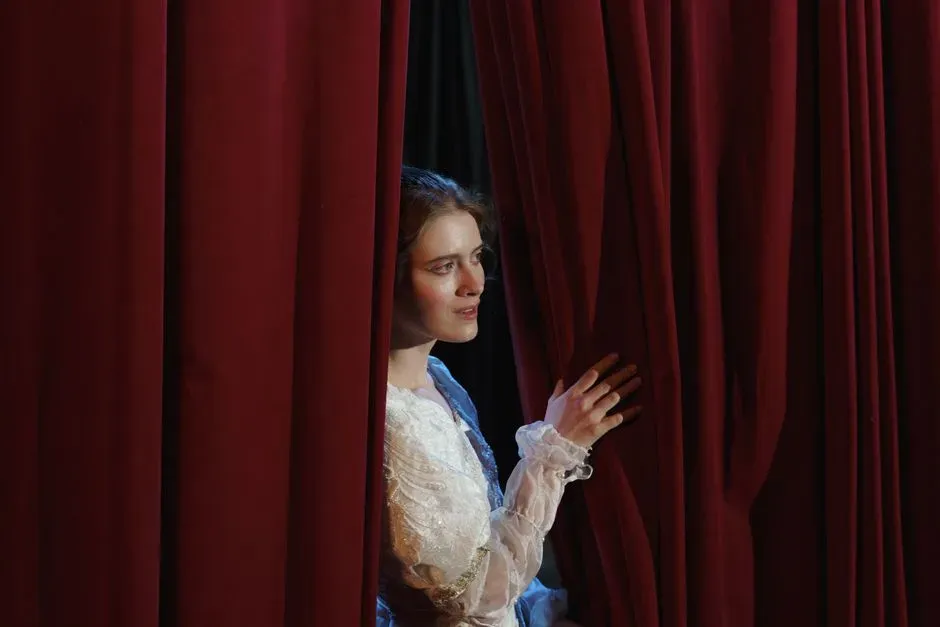
Production schedules can stretch for months, and location shoots often require extended time away from home. For actresses with children or other caregiving responsibilities, a role’s shooting schedule and location can be just as decisive as the script itself, though this consideration is almost never cited as the primary reason for accepting or declining a part.
Some performers have negotiated shorter shooting windows, remote-friendly locations, or on-set accommodations as part of their deals in recent years, reflecting a broader industry shift toward more flexible arrangements. These logistics rarely make it into interviews, where the focus stays on the story rather than the spreadsheet of childcare and travel that made saying yes possible.
7. How working with a particular director or costar affects future opportunities

Relationships in Hollywood compound over time, and working with a sought-after director or a well-connected costar can open doors well beyond a single project. An actress might accept a smaller or less lucrative role specifically because it puts her in the orbit of a filmmaker whose next several projects could shape her career trajectory.
This kind of networking calculation is almost never the stated reason for taking a job, since it can make the choice look transactional rather than passionate. Yet casting directors and industry observers widely acknowledge that proximity to influential collaborators remains one of the most reliable ways to keep landing strong roles year after year.
Taken together, these factors paint a more complete picture than the average red carpet interview allows. The choice to accept a role is rarely as simple as loving a script, even when that is the answer given to cameras and reporters. Money, timing, image, family logistics, and long-term positioning all sit quietly behind the scenes, shaping decisions long before a single line of dialogue gets filmed.
Partner offer
Planning a trip to Vegas?
Compare hotel rates and show tickets on VEGAS.com.