
There’s a persistent assumption that men are almost exclusively drawn to visual cues. Pop psychology, advertising, and decades of somewhat lazy cultural shorthand have reinforced this idea to the point where it feels like settled science. It’s not, really. Physical appearance matters in initial moments of contact, yes, but it rarely explains what sustains interest, deepens attraction, or makes someone genuinely compelling over time.
Research across evolutionary psychology, relationship science, and behavioral studies paints a more nuanced picture. Visual appearance accounts for only about thirty percent of overall attraction, with other elements like personality, voice, and shared values playing crucial roles. The remaining seventy percent is where things get genuinely interesting, and often where most conversations about attraction fail to go.
1. Genuine Confidence Without Performance

Most men in attraction studies rated women who looked confident as more attractive, and that finding holds up across a wide range of research contexts. The key word, though, is “genuine.” There’s a meaningful difference between the kind of confidence that comes from real self-knowledge and the kind that’s performed for an audience. Men tend to register that distinction faster than they’re often given credit for.
Confidence tends to signal emotional stability and self-respect, and when someone is comfortable in their own identity, it often makes interactions feel more natural and engaging. That quality is hard to fake for long, which is precisely why it carries so much weight. It communicates something reliable about how a person moves through the world.
2. A Sharp, Genuine Sense of Humor

Humor is one of those traits that appears on virtually every list of desirable qualities, and yet it still tends to get underestimated as a serious driver of attraction. Humor is widely desired among both men and women, and research suggests it functions as an honest signal of cognitive capacity, creativity, and social intelligence, qualities that reflect real fitness. That’s not a small thing. A well-timed joke is actually a window into how someone thinks.
Some psychologists point out that people use proxy traits like humor, wit, and vocabulary to assess intelligence, which means that being funny is often shorthand for being smart. It’s also deeply social. Shared laughter creates a sense of ease and familiarity that very few other interactions can replicate as quickly.
3. Real Emotional Stability

Men are frequently portrayed as emotionally avoidant, yet research suggests they respond strongly to emotional steadiness in a partner. Based on the psychology of attraction, emotional connections fall into categories that include trust, comfort, and emotional intelligence, and these rank high when men evaluate long-term interest. The ability to navigate difficulty without manufactured drama is a genuinely compelling quality.
Research and relationship experts consistently highlight warmth and emotional intelligence as key factors in long-term attraction, and healthy attraction usually grows through authenticity and communication rather than emotional distance. A person who can hold their composure during stress, disagreement, or uncertainty doesn’t just feel safer to be around. They feel like someone worth knowing.
4. Intelligence That Shows Up in Conversation

Research into attraction patterns reveals that intelligence often ranks high on desirable traits, and in a study by Swami et al., intelligence was consistently ranked as one of the top qualities sought in a partner. The interesting caveat is how that intelligence tends to show itself. Raw IQ is invisible. Conversational depth, quick wit, and the ability to hold a genuinely interesting point of view are not.
Partner offer
Intelligence often shows up in more socially visible ways: wit, humor, quick thinking, creativity, and conversational depth. Men who are drawn to intelligent women often describe the appeal in terms of feeling mentally engaged and even challenged. The influence of intelligence in a relationship extends far beyond initial attraction and fundamentally shapes communication, conflict resolution, and satisfaction.
5. Warmth and Genuine Kindness

Kindness might sound like a soft or obvious answer, but the research behind it is surprisingly robust. Data has shown that kindness, anger, and intelligence all played a pivotal role in attraction, and kindness was determined to be the most important trait in a potential partner. That finding held across both men and women, which makes it more universal than much of the conventional wisdom around gendered attraction suggests.
If you strip away cultural trends and dating-app algorithms, one trait towers above the rest: kindness, and large cross-cultural studies show that men and women both rate it as one of the top qualities they want in a long-term partner. There’s something about genuine warmth that reads as trustworthy in a fundamental way. It signals that a person’s character will hold up in the moments that actually matter.
6. A Clear Sense of Purpose or Direction

Many people find independence appealing because it reflects confidence, ambition, and a strong sense of identity. For men evaluating long-term interest, a person who knows what they want from life and is actively working toward it carries a quiet but powerful appeal. It communicates something about character that goes well beyond specific achievements or career titles.
Long-term attraction usually depends on deeper compatibility, and shared interests, communication styles, and life goals often influence whether initial chemistry develops into a meaningful relationship. Purpose and direction also suggest resilience. Someone who has a reason to get up every morning tends to bring energy and stability to everything around them, including the people they’re close to.
7. Honesty as a Consistent Behavior, Not Just a Value
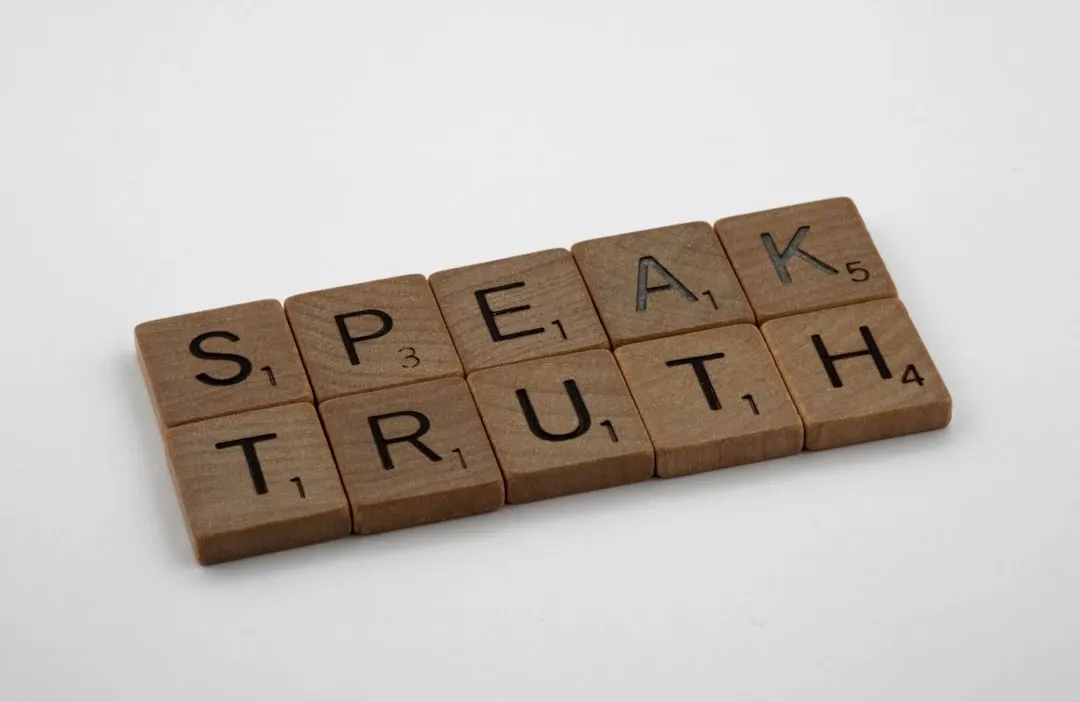
A mate’s honesty is highly valued and preferred by both men and women. Honesty, or the tendency to tell the truth, is a trait that can signal loyalty, and honest behavior can reflect the general propensity to act transparently instead of manipulating or exploiting others. There’s a difference, though, between claiming to value honesty and actually practicing it under pressure. Men tend to notice that gap over time.
The perceived appeal of a social partner can be influenced by nonphysical traits such as liking, respect, and contribution to shared goals. Consistent honesty contributes to all three. It builds the kind of low-level trust that people often describe as feeling “at ease” with someone. That ease is not trivial. Over time, it becomes one of the primary reasons people stay genuinely interested in each other.
What unites most of these qualities is that they all take time to reveal themselves. They can’t be filtered for on a profile, spotted across a room, or confirmed in a first thirty seconds. They require actual interaction, which is perhaps what makes them so compelling once they do surface. The things that hold attention tend to be the things that can’t be faked indefinitely.
Partner offer
Planning a trip to Vegas?
Compare hotel rates and show tickets on VEGAS.com.