There’s a particular kind of person who can walk into a room where music is playing and instantly know something is off, whether it’s a singer slightly sharp on a high note or a drummer dragging the tempo. They don’t analyze it consciously. They just feel it, the way you feel an uneven step on a staircase before your brain fully registers what happened. That’s not a gift they were born with. It’s something that was shaped, quietly and consistently, by the musical environment they grew up in.
Research has confirmed that children who grow up listening to music develop strong music-related connections in the brain, and some of these music pathways actually affect the way we think. Those pathways don’t disappear in adulthood. They just become invisible, folded into everyday behavior so seamlessly that the person rarely notices them. Here are eight things those people tend to do automatically, without ever really thinking about it.
1. They Hear Wrong Notes Before Anyone Else Notices
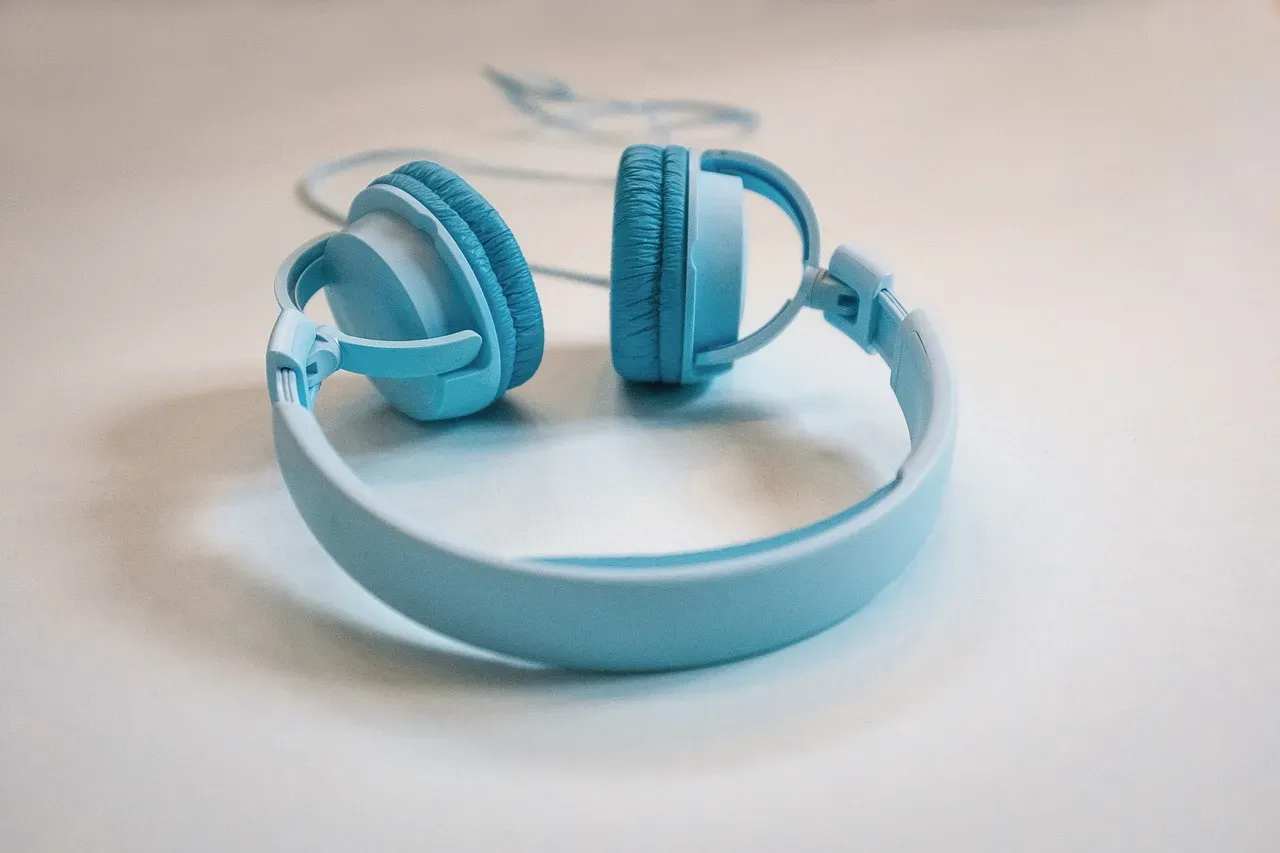
People raised around live instruments or musicians who took their craft seriously develop an almost unconscious sensitivity to pitch. Children who benefit from musical exposure are more sensitive to the key and harmonics of music than untrained children, and even relatively brief music training during childhood has been shown to increase accuracy in detecting minor pitch differences. That sensitivity doesn’t require ongoing practice to maintain. It becomes part of how the ear processes sound.
This means that at a concert, a family gathering, or just a song on the radio, something will subtly register as wrong before the thought fully forms. Absolute pitch, for instance, allows certain individuals to identify a musical note without a reference tone, hearing a car horn or the hum of a refrigerator and knowing its exact pitch. For most people who grew up around music, the ability sits just below that threshold. Close enough to be useful, not quite effortless enough to name.
2. They Naturally Sync to a Beat Without Trying
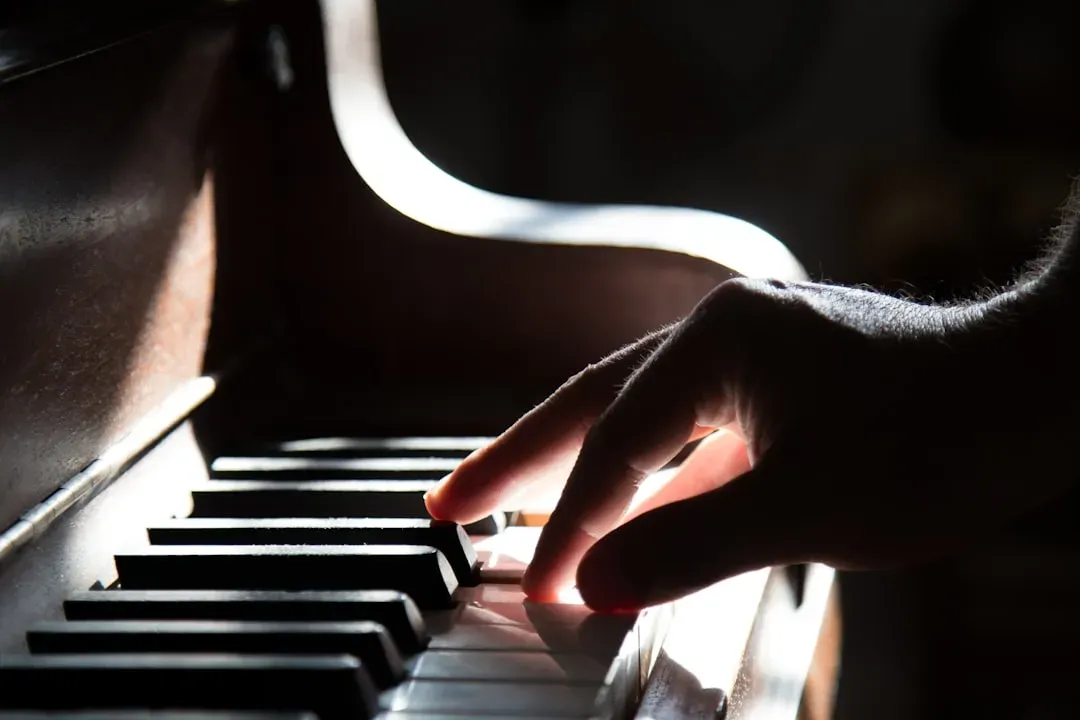
Watch someone who grew up in a musical household walk to music, tap a table, or clap along with a crowd. Their timing tends to land on the beat rather than near it. A sensitive period for musical training has been proposed based on evidence that early-trained musicians demonstrate advantages over late-trained musicians for rhythm synchronization and pitch identification, as well as differences in brain structure, particularly in motor regions. The body essentially learns the grid of music before the mind knows it’s learning anything at all.
This rhythm sensitivity also extends to speech. Musical rhythm perception abilities have been shown to predict rhythmic grouping preferences in speech in adults, while musical rhythmic skills predicted children’s neural sensitivity to mismatches between the speech rhythm of a written word and an auditory rhythm. Growing up inside music, in other words, shapes how you hear everything, not just songs. The beat becomes a reference point that operates quietly in the background of daily life.
3. They Listen to Albums as a Whole, Not Just as Individual Tracks
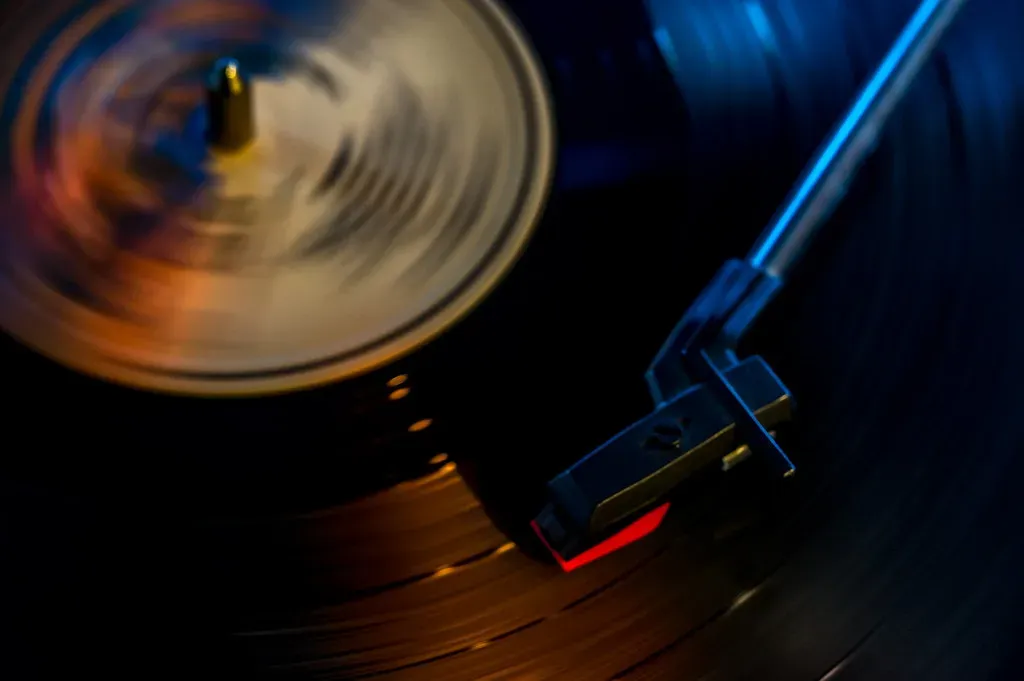
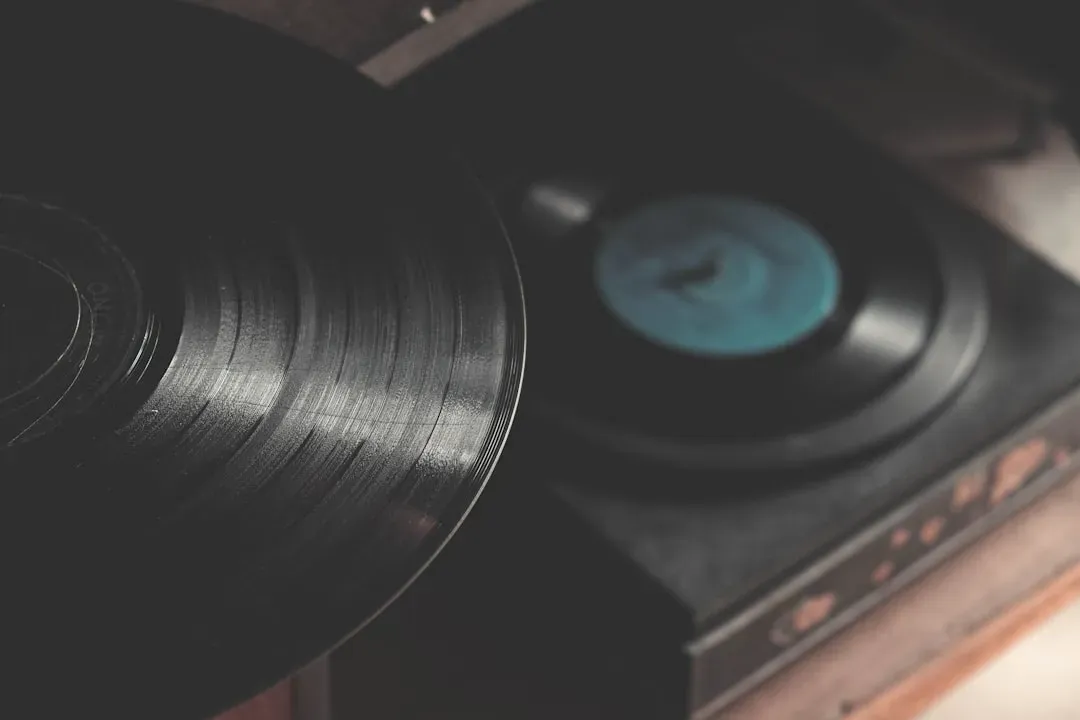
People who grew up with real music in the house, whether that was vinyl on a turntable or a parent who insisted on listening straight through a record, tend to resist the shuffle mentality. Music remembered as something physical had weight. It had a cover, a booklet, lyrics, photographs, and sometimes even a smell connected to plastic cases and printed paper. Buying an album meant choosing carefully, because music was not unlimited. That context taught you that songs had neighbors, that track four meant something different after track three.
Even in the streaming era, this instinct persists. Their habits show that music is never only sound. It is also format, ritual, memory, and control. The way people find music changes the way they value it. Someone who grew up with real musical culture around them will still tend to sit with an album before forming an opinion about it, treating it the way it was likely intended to be treated.
4. They Tune Into Layers of Sound Other People Miss
In most pop songs, casual listeners hear the melody and the beat. People raised around music hear the bass line moving underneath, the countermelody in the backing vocals, the moment a guitar drops out of the mix to let something else breathe. Active music engagement enhances cognitive abilities such as memory, verbal skills, and spatial-temporal skills, and lifelong musicians perform better on a wide range of cognitive domains. That layered listening isn’t a technique they practice. It’s simply how the music arrives.
Music training sets up children’s brains to become better learners by enhancing the sound processing that underpins language, and while we live in a visually oriented world, our brains are fundamentally wired for sound. Someone who grew up hearing their parent dissect a jazz record or explain how a chord voicing worked will carry that mode of listening into adulthood. They’ll notice the moment a string section enters a film score before anyone else in the room reacts.
5. They Have an Instinctive Emotional Response to Key and Mode

Most people know that minor keys tend to sound sad and major keys tend to sound bright. People who grew up immersed in music feel the difference more specifically than that. They’ll notice when a song shifts from major to minor mid-verse, or when a composer lands on a diminished chord to create unease. Sensitivity to melodic contour and relative pitch emerges in early infancy, while sensitivity to harmony reaches adult-like performance levels in later childhood. In a musically rich home, that development gets reinforced constantly.
The emotional wiring that music builds into the brain is durable. During adolescence, music becomes a powerful medium for self-development and peer bonding, with this growing engagement typically sprouting in preadolescence around ages nine to twelve. For children already surrounded by serious music during those formative years, the emotional vocabulary of harmony becomes nearly fluent. They don’t have to think about why a song feels tense or resolved. They just feel it land.
6. They Anticipate What’s Coming Next in a Song
Ask someone who grew up around real music to listen to a song they’ve never heard before. Chances are, they’ll start predicting chord changes and melodic resolutions with surprising accuracy. This isn’t magic. Instrument exposure has been associated with language skills and executive functions, and these associations with instrument engagement were stronger than those for music listening, visual art, or soccer engagement. Exposure to musical structure over years shapes a kind of internal template for how music tends to move.
That predictive sense is rooted in pattern recognition built during early development. Children routinely engage in informal musical activities such as spontaneous singing, being sung to, and listening to music starting in infancy and extending throughout childhood. Given the prevalence of music in the home environment during a time of heightened brain plasticity, researchers have asked whether such exposure might have long-term impacts beyond childhood. The answer, increasingly, is yes. The patterns absorbed early become the lens through which music is heard for the rest of a person’s life.
7. They Can Follow Multiple Conversations in Noisy Rooms Better Than Average
This one surprises people. Growing up around music doesn’t just train you to hear music better. It trains your auditory system to process complex, layered sound more efficiently in general. The auditory systems of children in music programs were maturing faster, and the fine-tuning of their auditory pathway could accelerate their development. Children with music training were more accurate in processing sound compared with other groups. That accuracy doesn’t stay confined to musical contexts.
The ability to filter out irrelevant distracting information, a skill known as executive control, demonstrated more rapid improvement across the teenage years and into adulthood among those with musical training, suggesting that longer exposure to music may compound its benefits over time. In practical terms, this means that someone raised in a musical household often finds it easier to hold a conversation in a crowded restaurant or pick out one voice in a noisy room. Their auditory brain has, in a sense, been trained to separate signal from noise.
8. They Connect Music to Memory With Unusual Intensity

Everyone has songs that take them back to a specific time. For people who grew up around real music, that phenomenon tends to run deeper and fire faster. A few notes into an old record and a whole room, mood, and moment can reassemble itself involuntarily. During adolescence the brain continues to mature, particularly in regions such as the prefrontal cortex and the limbic system, while the limbic system, including structures like the nucleus accumbens, plays a central role in memory, emotions, and reward processing. Music and memory share some of the same neural real estate.
The way people store music changes the way they remember it, and the way they share it changes the way it becomes part of their identity. For someone raised inside genuine musical culture, music was never just background noise. It was how evenings felt, how certain people moved through a room, how celebrations sounded and how grief was held. That depth of association doesn’t fade with time. If anything, it accumulates, so that music keeps carrying more weight the older a person gets.
None of these eight tendencies require effort from the people who have them. That’s precisely the point. What begins as an environment, a parent’s record collection, a household where instruments were played, evenings where music was actually listened to rather than merely heard, slowly becomes a kind of internal architecture. The music fades from the room. The architecture stays.