A name seems like such a small thing until it isn’t. Somewhere between the pitch meeting and the store shelf, a single word swap can trigger reprints, legal battles, marketing overhauls, and in a few memorable cases, outright financial disaster. Publishers rarely change a title on a whim. When they do, the ripple effects can run into the millions, sometimes because of trademark law, sometimes because of a business partner deciding a name is worth more than anyone realized.
The following seven cases span video games, books, and film, but they share a common thread. Each one shows how a title is never just a title. It is a brand, a legal asset, and occasionally a very expensive mistake.
1. FIFA becomes EA Sports FC
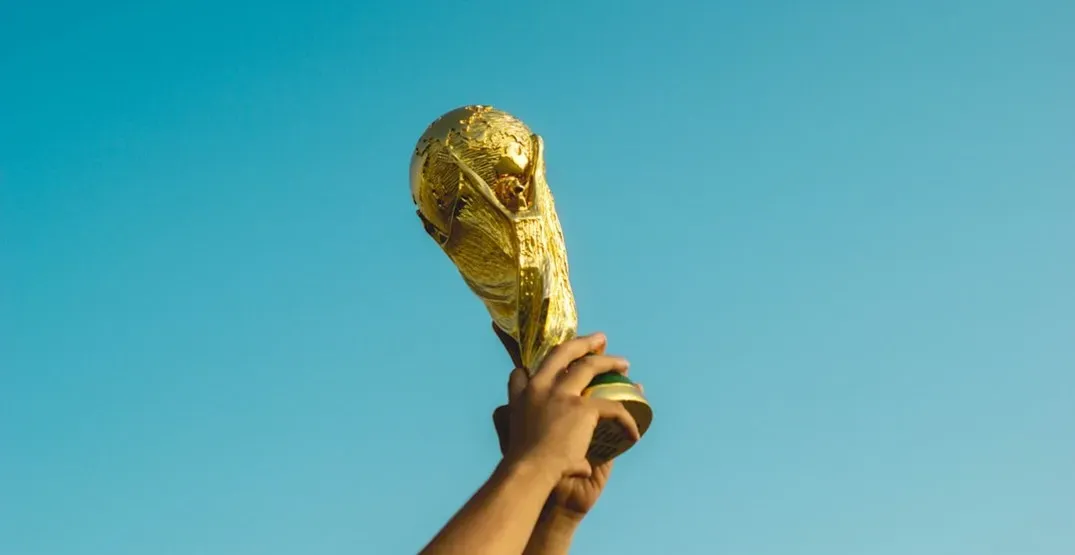
For three decades, EA paid FIFA a licensing fee to slap the governing body’s four letters on its annual soccer game. That fee started modestly but grew to $150 million per year by the 2010s, making it FIFA’s single biggest commercial partnership. When renewal talks came around, EA balked at the governing body’s attempts to charge over $300 million to put its name on the box.
Walking away from the FIFA name did not come cheap either. EA’s marketing and sales expenses increased by $62 million during the nine months ended December 31, 2023, largely due to a $79 million increase related to rebranding investments associated with the launch of EA Sports FC 24. The company effectively traded one massive expense for another, betting that owning its own brand outright was worth the short-term cost of teaching the world a new name for a game it had known for thirty years.
2. The Knife of Never Letting Go becomes Chaos Walking

Patrick Ness’s acclaimed young adult novel carried the title “The Knife of Never Letting Go” for over a decade before Lionsgate brought it to theaters under an entirely different name. The studio rebranded the film after the trilogy’s overall series title, Chaos Walking, likely hoping to avoid confusion with unrelated media using similar phrasing. Whatever the reasoning, the disconnect meant that longtime fans of the book series did not immediately recognize the movie as an adaptation of the story they loved.
The financial outcome was brutal. Made on a production budget between $100 and $125 million, the film grossed only $27.1 million worldwide. A title that no longer matched its source material was hardly the only problem, years of reshoots and delays did plenty of damage on their own, but the mismatch stripped away one of the few built-in advantages the project had: an existing fanbase who might have shown up if they had simply recognized the name.
3. Rainbow Six Quarantine becomes Rainbow Six Extraction
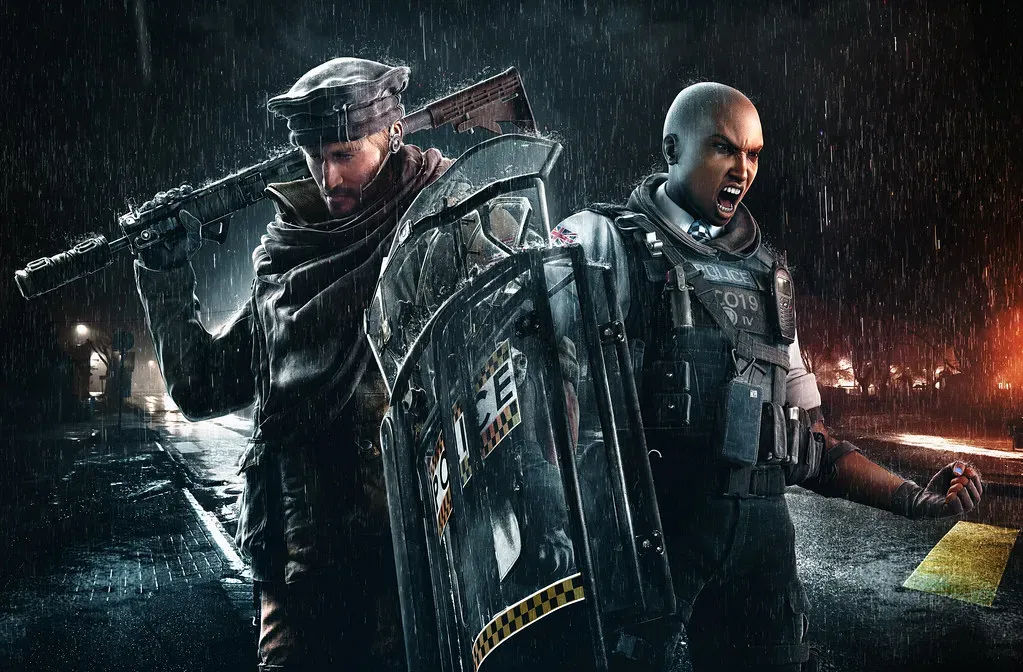
Ubisoft unveiled its cooperative alien-fighting shooter under the working title Rainbow Six Quarantine in 2019, well before anyone had heard of a global pandemic. Once the real world caught up with the game’s premise, marketing a title with the word “Quarantine” attached to a fictional biological outbreak became an obvious liability. The publisher quietly shelved the name and rebuilt the branding around a new title, Rainbow Six Extraction.
The rename was not just a cosmetic swap. Trailers, packaging concepts, store listings, and early marketing materials built around the old title all had to be scrapped and redone. Combined with a release date pushed back roughly a year from its original announcement, the episode illustrates how external events, not just legal disputes, can force a publisher to eat sunk costs on branding that suddenly became unusable.
4. Star Fox becomes Starwing and Lylat Wars in Europe
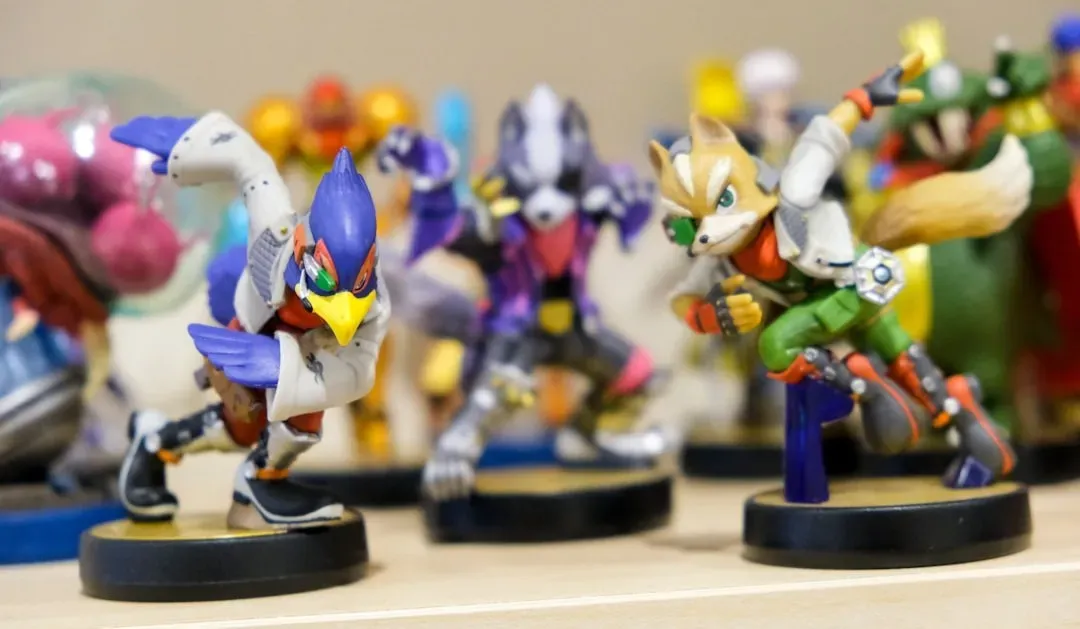
Nintendo’s beloved space combat series ran into trouble the moment it crossed the Atlantic. According to developers involved with the project, Nintendo’s European division worried that the name Star Fox sounded uncomfortably close to a German company called StarVox. Nintendo higher-ups were so afraid of infringing upon German company StarVox that a new European-only moniker was created.
Partner offer
The result was a fractured brand identity that lasted for years. The original Super Nintendo game became Starwing across Europe, while its sequel on the Nintendo 64 was rebranded Lylat Wars for the same territories. Every box, cartridge label, manual, and piece of promotional artwork had to be produced separately for European markets, a costly duplication of effort for what should have been a single unified release.
5. Trenched becomes Iron Brigade in Europe
Microsoft’s mech-building tower defense game Trenched ran into a trademark wall almost immediately after its North American launch. The game’s release in Europe was stymied due to the fact that the title was already the property of a Portuguese designer of a board game called Trench, and under European trademark law, the trademark holder also owns the rights to variants of that name, including Trenched.
Microsoft was not allowed to release the game in Europe under that title, so the game was released as Iron Brigade in Europe instead. That meant new box art, a new digital storefront listing, updated marketing copy, and a second wave of localization work, all for a game that had already shipped once under a different name just months earlier.
6. Contra becomes Probotector across Europe

Konami’s ultra-violent run-and-gun series faced a different kind of obstacle overseas. Concerns about depicting human soldiers being gunned down in graphic fashion led Konami to redesign the entire cast as robots for European audiences, releasing the game under the name Probotector rather than Contra. Given the exorbitant costs involved, publishers were not about to release a single country-only experience and instead applied the changes across the wider region.
Turning human characters into robots was not a simple recolor job. Sprites had to be redrawn, animations reworked, and in some cases dialogue and enemy designs adjusted to fit the new mechanical theme. Konami repeated this costly process across multiple entries in the series throughout the 1990s, effectively maintaining two parallel versions of the same franchise for years.
7. And Then There Were None sheds its original racist title
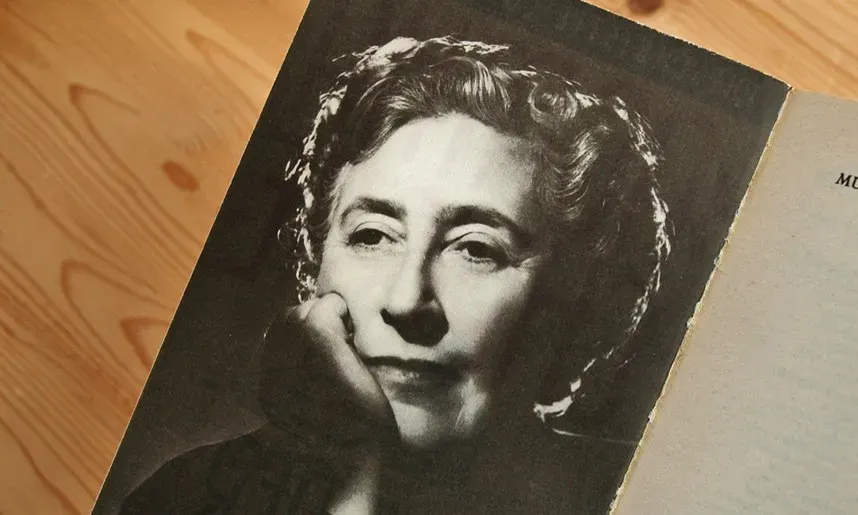
Agatha Christie’s best-selling mystery novel was originally published in the United Kingdom under a title built around a racial slur, a name that stayed in print for decades even as attitudes shifted. Publishers eventually retitled it “And Then There Were None,” aligning it with the title already used in the United States, where the original name had never been acceptable for release. The shift required updating covers, reprinting stock, and revising promotional materials across every market where the book was still actively sold.
Because the novel remains one of the best-selling mystery books ever written, with printings running continuously across multiple languages and formats, the cost of retiring and replacing an established title was far from trivial. Every future edition, translation, and licensing agreement had to reflect the new name, a quiet but expensive correction spread across generations of publishing runs.
Taken together, these seven cases make an odd kind of sense. A title carries legal weight, cultural baggage, and marketing momentum, and disturbing any one of those things tends to disturb the others too. Whether the trigger is a lawsuit, a licensing dispute, current events, or decades of overdue reckoning with the past, the pattern holds. Changing a name is rarely just changing a name.
Partner offer
Planning a trip to Vegas?
Compare hotel rates and show tickets on VEGAS.com.