Every writer who has ever slid a manuscript into an envelope, or these days hit send on an email, knows the particular sting of a form rejection letter. What is less well known is how many books now considered classics collected dozens, sometimes over a hundred, of those letters before anyone agreed to print them. The stories behind these near misses say less about the books themselves and more about how unpredictable publishing has always been. Some of these novels were dismissed as too strange, too long, or simply unmarketable. A few editors even admitted years later that they had been wrong. Looking back at these cases now offers a useful reminder that the gap between a rejected manuscript and a beloved bestseller can be surprisingly thin.
Carrie by Stephen King
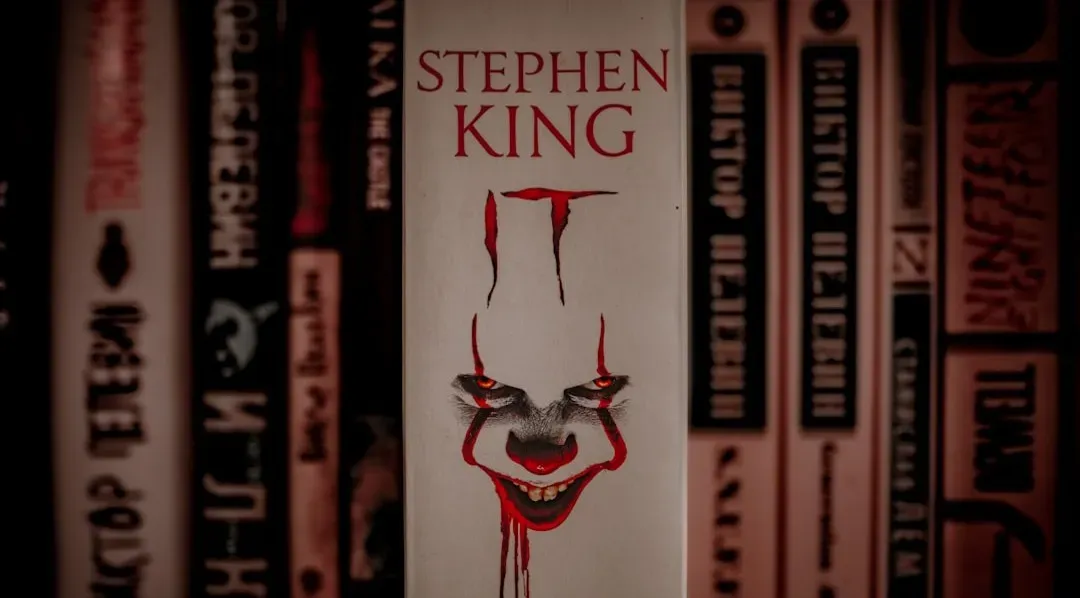
Before Stephen King became one of the best known names in fiction, his debut novel almost never saw daylight. Carrie was the fourth novel King had written, following Rage, The Long Walk and Blaze, and King himself initially rejected the idea, tossing an early draft into the trash after just a few pages. His wife Tabitha retrieved the crumpled pages and pushed him to keep going.
Carrie was then rejected by thirty publishers, with one note reading that the publisher was not interested in science fiction dealing with negative utopias because such stories did not sell. Doubleday eventually took a chance on it in 1974. The novel went on to sell over a million copies in its first year, and King has since sold more than 350 million books worldwide.
Harry Potter and the Philosopher’s Stone by J.K. Rowling
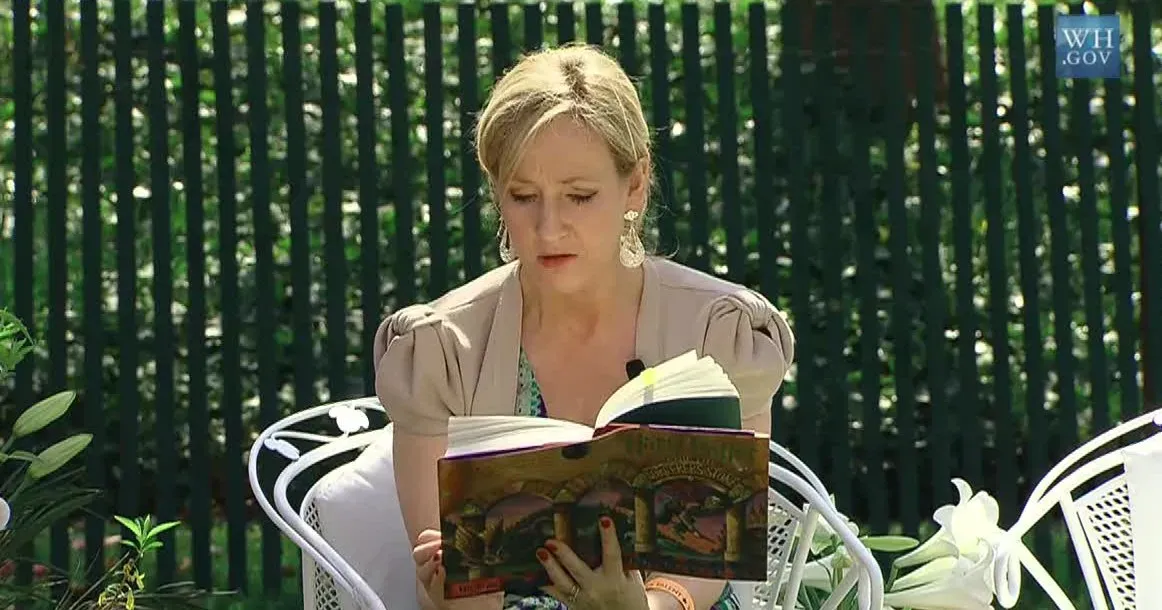
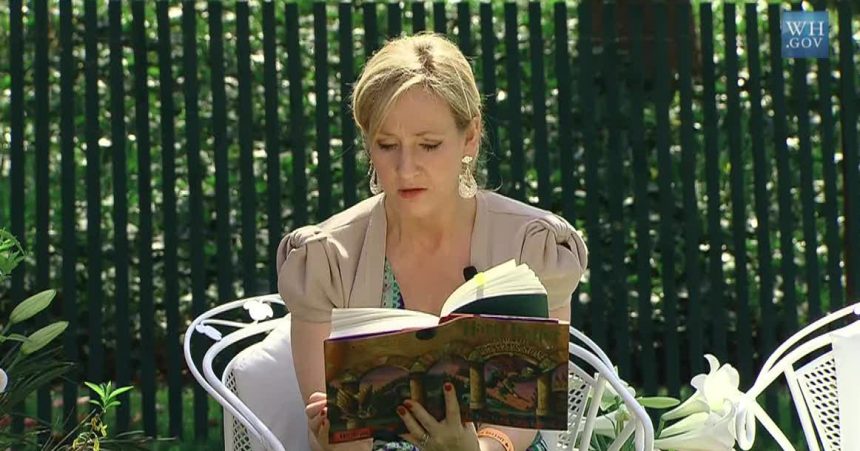
It is easy to forget that the biggest publishing phenomenon of the past three decades almost did not happen. It is well known that twelve publishers rejected Harry Potter and the Philosopher’s Stone before Bloomsbury agreed to take it on. Rowling was a single mother writing in cafes in Edinburgh at the time, with little reason to expect the series would ever become a household name.
Rowling reportedly got into print for a modest advance only after the eight year old daughter of a publisher pleaded for the book to be taken on. That small nudge from a child reader turned out to be one of the more consequential moments in modern publishing history. The Harry Potter series has since sold hundreds of millions of copies and spawned films, theme parks, and a global fandom that shows no sign of slowing down even decades later.
Gone with the Wind by Margaret Mitchell
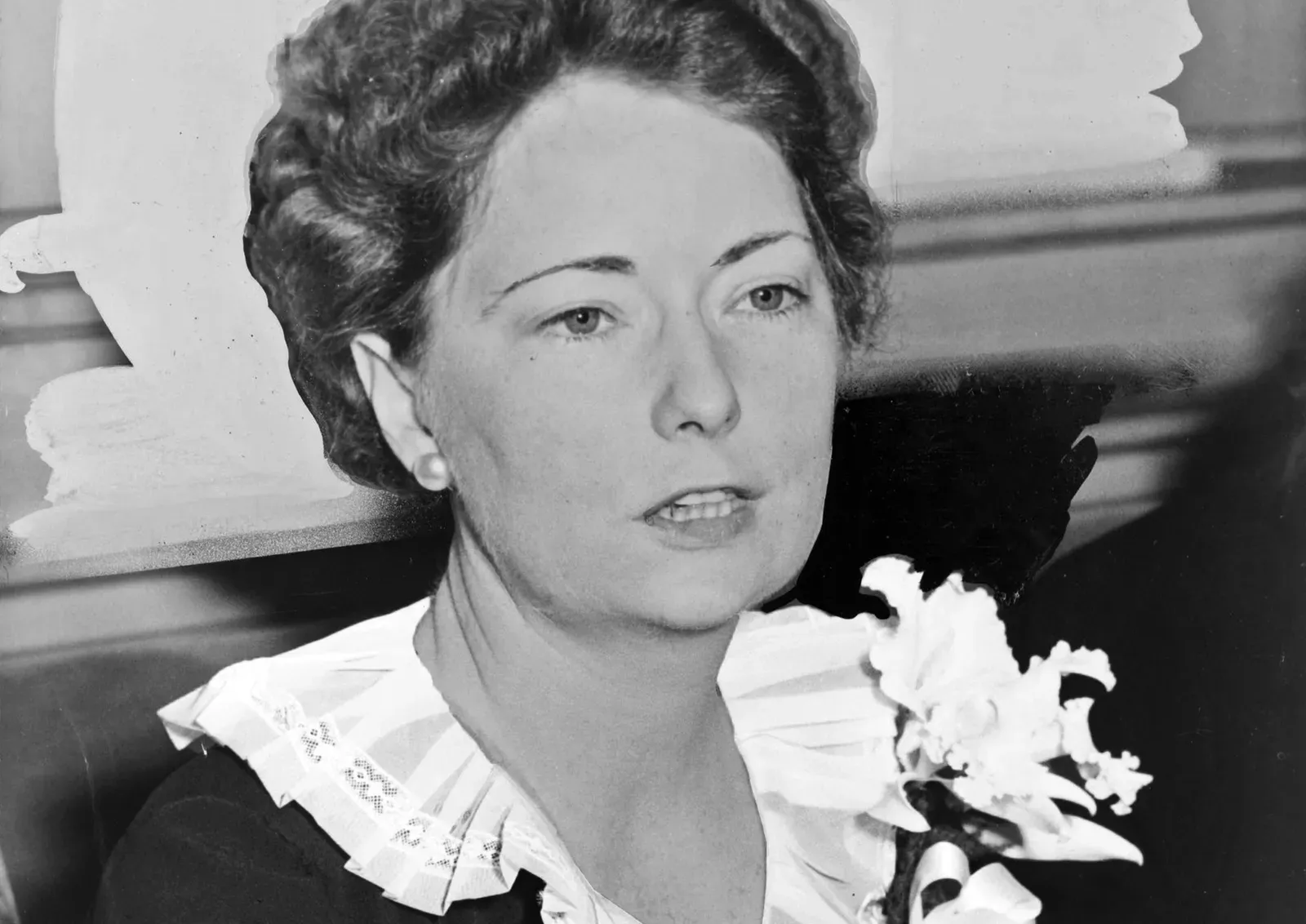
Margaret Mitchell’s sweeping Civil War era romance is now considered one of the defining American novels of the twentieth century. Getting there was not easy. Gone with the Wind collected 38 rejections before it finally found a publisher willing to bet on it.
Once Macmillan picked it up in 1936, the novel became an immediate sensation. Margaret Mitchell had faced 38 rejections from publishers before finding one willing to publish her novel, which went on to sell around 30 million copies. It later won the Pulitzer Prize and was adapted into one of the highest grossing films of all time when adjusted for inflation.
Dune by Frank Herbert

Frank Herbert’s sprawling desert planet epic is now regarded as the best selling science fiction novel ever written, but it took a long road to get there. Dune was turned down 23 times before it eventually became the best selling science fiction novel ever, according to one widely cited tally. Other sources place the number closer to twenty, though accounts vary slightly depending on the source consulted.
Dune was rejected by almost all the major publishers of the time, until Chilton Books, a company better known for printing auto repair manuals, decided to bet on it, and that bet paid off handsomely. The novel’s dense world building and political themes were apparently too unconventional for mainstream houses at the time. Today Dune has sold tens of millions of copies and inspired a franchise of films, sequels, and a devoted readership that continues to grow.
Watership Down by Richard Adams

A novel about a group of rabbits searching for a new home does not sound like an obvious commercial hit, and plenty of publishers agreed with that assessment at the time. Richard Adams’s two daughters encouraged him to publish Watership Down as a book, but thirteen publishers did not agree.
One rejection letter reportedly questioned the entire premise outright. One publisher simply asked who would want to read a book about rabbits, yet as it turned out, millions of readers loved the concept. Watership Down went on to become one of the fastest selling books of its era and remains a staple of school reading lists and animated adaptations to this day.
A Wrinkle in Time by Madeleine L’Engle

Madeleine L’Engle’s science fiction novel for young readers, centered on a female protagonist navigating themes of good and evil across dimensions, struggled to find a home for years. A Wrinkle in Time was rejected 26 times by publishers before finally being accepted. L’Engle later reflected candidly on how frustrating that stretch had been.
L’Engle wrote that she felt out of joint with time, noting that two of her books for children were rejected for reasons that would be considered absurd today. Editors reportedly struggled with the fact that the book dealt seriously with the problem of evil and could not decide whether it was meant for children or adults. Once published, it won the Newbery Medal and has sold millions of copies, becoming a fixture of American children’s literature.
Zen and the Art of Motorcycle Maintenance by Robert Pirsig

Few rejection stories are as extreme as this one. Robert Pirsig received 121 rejections before an editor finally accepted the book for publication, and even then the editor thought it would never generate a profit. The manuscript blended a father son motorcycle trip across the American West with dense philosophical reflections on quality and meaning, a combination that many editors simply could not categorize.
The editor who eventually said yes did so almost as a matter of principle rather than a bet on sales. The Morrow editor who accepted it wrote that the book was brilliant beyond belief, calling it probably a work of genius that would attain classic status. It ended up selling 50,000 copies in its first three months and more than five million copies since, holding a spot in the Guinness Book of Records for the most rejections of any best selling book.
Jonathan Livingston Seagull by Richard Bach

A short novel about a seagull who refuses to conform to flock behavior does not sound like a natural bestseller, and that skepticism showed in the response from publishers. Eighteen publishers thought a book about a seagull was ridiculous before Jonathan Livingston Seagull was picked up. The rejection letters reportedly dismissed the premise outright, assuming readers would have no interest in a fable centered entirely on flight and self discovery.
Once Macmillan published it in 1970, the book became a cultural phenomenon almost overnight. Jonathan Livingston Seagull went on to sell 44 million copies despite one rejection note flatly stating that nobody would want to read a book about a seagull. It topped bestseller lists for over a year and remains one of the most widely read short novels of the twentieth century.
These eight stories share a common thread. In each case, the books that editors turned down were not flawed exactly, they were simply unfamiliar. Publishers are in the business of predicting what readers want, and history shows that even experienced professionals can misjudge which stories will resonate. What connects Carrie, Harry Potter, Gone with the Wind, Dune, Watership Down, A Wrinkle in Time, Zen and the Art of Motorcycle Maintenance, and Jonathan Livingston Seagull is not luck alone but the persistence of authors and, in several cases, the people around them who refused to let a good manuscript die in a drawer.