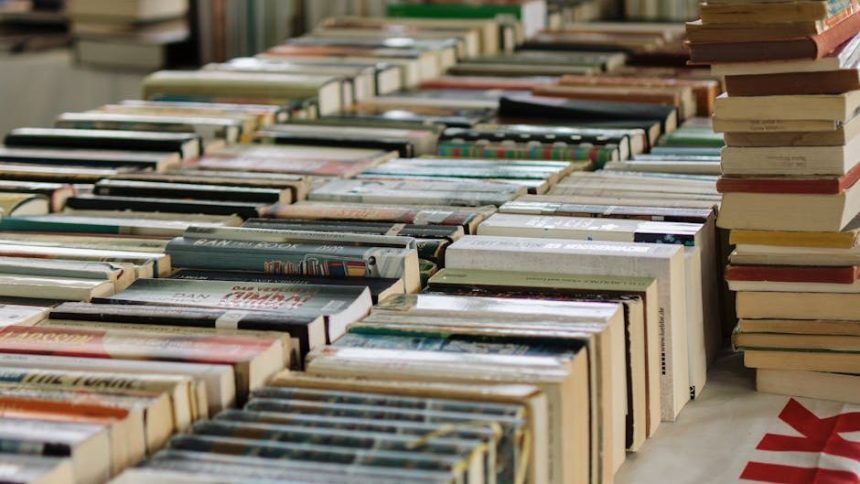
There’s something worth thinking about every time you stand in front of a bookshelf deciding which copy to grab. Hardcovers look elegant. They feel authoritative. Yet when it actually comes to reading, a surprisingly wide range of books work better in their soft, flexible, creased-spine form. Not every title, but definitely some.
In a Goodreads poll of over twenty-one thousand respondents, more than half preferred paperback over hardback. That number alone hints at something the publishing world has always known quietly: the paperback isn’t just a cheaper version of the real thing. For certain books, it genuinely is the better version. Here are ten types of books where the paperback format wins, and why.
1. Literary Fiction You Plan to Read Slowly
Literary fiction rewards rereading, margin notes, and the kind of close attention you give a book over weeks rather than days. The flexibility of a paperback cover allows you to easily hold and manipulate the book, which matters enormously when you’re folding the cover back, shifting position on the sofa, or balancing it one-handed on a train. A rigid hardcover resists that casual intimacy.
In an ideal world, the trade paperback is the format for longevity, the kind of book that is perennially in stock and available at your favorite local indie so that new readers can find it again and again. Literary novels often gain their best audience not at launch but in the years following, when readers pass worn copies between friends. That life cycle suits paperback perfectly.
2. Long-Haul Travel Reads
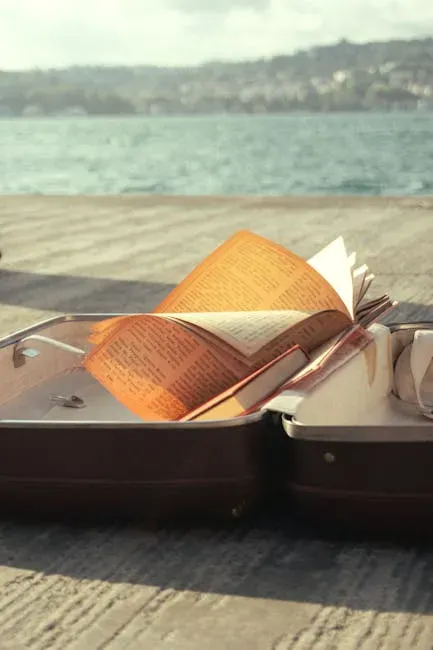
There’s something to be said about the tactile pleasure of a physical book, especially a compact paperback that can easily fit into your travel bag. For backpackers, lightweight paperbacks are the perfect books for travels, making them easy to carry and accessible anywhere. A thick hardcover in a carry-on is simply unnecessary weight, and airport security will not thank you for it.
The lighter weight and flexible cover make a paperback convenient to carry around and read on the go. On longer journeys, when you might finish a book and leave it behind at a hostel book exchange or pass it to a fellow traveler, the disposable logic of a paperback also makes emotional sense. You don’t feel the same pang giving away a ten-dollar paperback that you would with a twenty-eight-dollar hardback.
3. Thrillers and Page-Turners
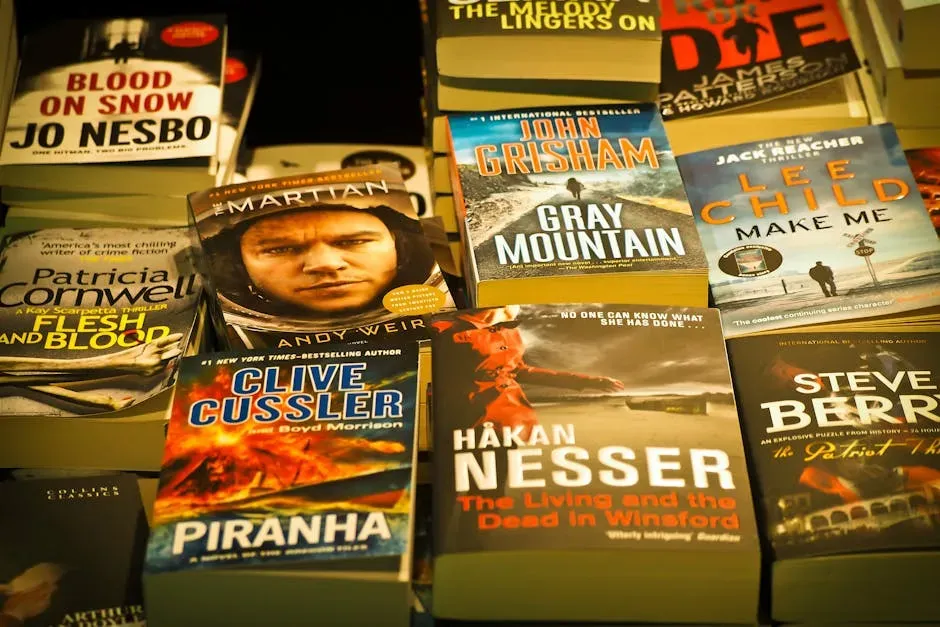
Thrillers are built for speed. You read them urgently, often in one or two sittings, with no real intention of annotating or revisiting particular passages. Thrillers are your typical page-turners, full of action and suspense, and they often cross genres, particularly with crime and mystery. That racing momentum feels strangely at odds with a hardcover’s physical heft and formal weight.
The mass-market paperback was practically invented for genre fiction like this. Within certain genres, notably mass-market fiction, paperbacks tend to outshine hardcovers in sales, presenting a preferred format. Readers in this space aren’t buying for the shelf. They’re buying for the read itself, and a compact, light paperback delivers that transaction cleanly.
4. Self-Help and Productivity Books
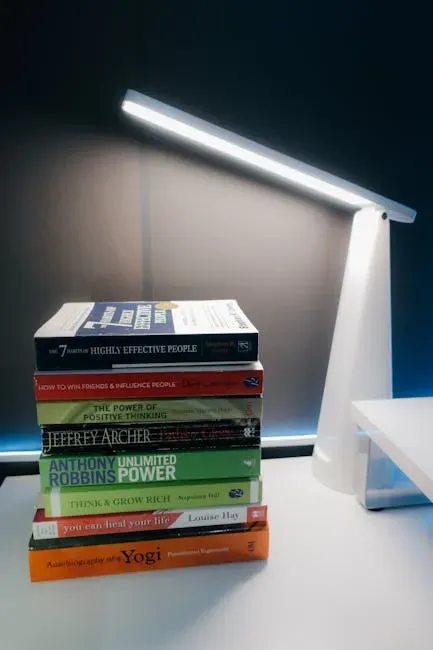
Self-help books get used rather than admired. Readers underline paragraphs, fold corners, return to flagged chapters weeks after the first read. There is limited space for note-taking in paperbacks, which is partly why readers who treat these books as working documents tend to develop their own systems of margin shorthand. The flexible cover bends flat on a desk in a way that most hardcovers simply won’t.
There’s a practical argument here rooted in affordability, too. On average, hardcover editions retail for $24.99 to $32.99, while trade paperbacks range from $15.99 to $19.99. For a self-help book you might replace after a year, or buy multiple copies to share with colleagues, the price difference adds up fast. The content is identical. The savings are real.
5. Romance Novels
Romance readers are among the most voracious readers in any genre, often finishing several books a month. Subscription services like Book of the Month and audiobook bundles have conditioned readers to expect lower-cost, portable options. The rise of bookstagram and TikTok book communities also favors paperbacks, since they’re easier to photograph flat, fit into aesthetic spreads, and tote around for daily reads.
Romance paperbacks also have a visual identity that’s distinct from their hardcover counterparts. Publishers have long understood that this audience reads for pleasure and volume, not collection. Some titles now launch simultaneously in both formats, particularly in genres like romance, self-help, and thrillers where volume sales matter more than prestige. When the genre itself is built around accessibility and ease, paperback is a natural fit.
Partner offer
6. Short Story Collections
Short story collections invite a different kind of reading. You might read one story at breakfast and another three days later. You pick the book up, set it down, return to it without guilt. Paperback is popular for its portability, making it a preferred choice for readers on the go. That on-the-go quality meshes well with the fragmented, non-linear way most people read short fiction.
There’s also a cultural argument. Short fiction has historically lived in trade paperback imprints, and some of the most celebrated story collections in the English language were first published and widely read in that form. Paperback imprints like Vintage and Picador, as well as a great number of indie press imprints, are putting out new and impressive originals regularly. The format carries its own literary credibility.
7. Books You Want to Lend
Every committed reader has a list of books they press into the hands of people they care about. The lending economy of books depends on a simple social contract: it should feel low-stakes enough that you’ll actually hand it over, and the recipient won’t feel anxious about returning it in pristine condition. Some readers appreciate hardcovers especially for collectible editions or books they intend to keep for a lifetime. Others may prefer the convenience and affordability of paperbacks, particularly for casual reading or traveling.
A well-loved paperback that comes back slightly dog-eared and spine-cracked is evidence of a good read. A hardcover that returns with a scuffed dust jacket and a bent corner feels like a small tragedy. The paperback absorbs use gracefully. That makes it the correct format for books you want to travel between households rather than sit protected on a shelf.
8. Essay Collections and Cultural Criticism
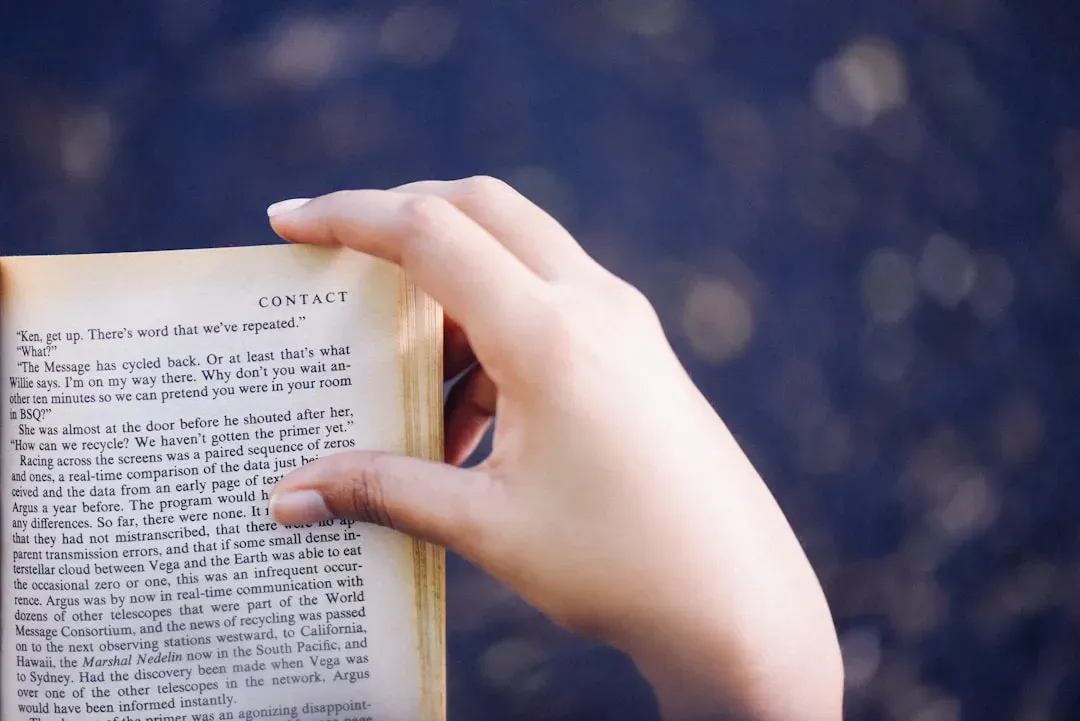
Essay collections share something with short story collections in terms of reading behavior, but they tend to generate even more active reader engagement. People argue back against essayists, mark sentences that irritate them, fold back pages to revisit an argument later. A paperback absorbs that rougher treatment with less fanfare than a hardcover would.
According to the Association of American Publishers, print book sales rose 3.7% in 2024 compared to the previous year, with trade paperbacks leading the growth. Essay collections and cultural criticism have benefited particularly from that growth, as readers who engage with ideas seek formats they can treat as working documents. The paperback facilitates that relationship between reader and text in a way a stiff hardcover often doesn’t.
9. Backlist Classics and Canonical Texts
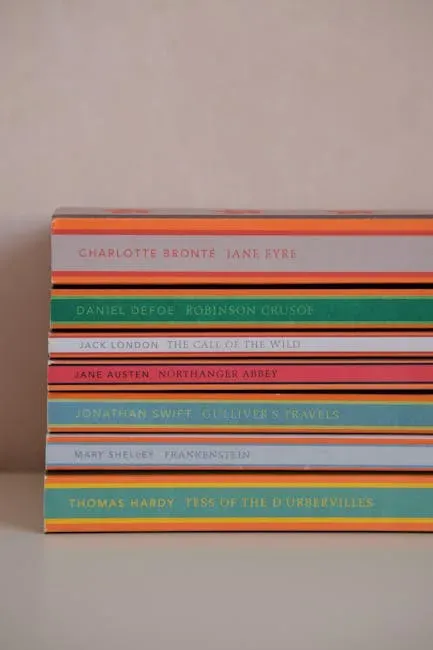
Reading a canonical novel for the first time carries a certain pressure when you’re holding a beautiful hardcover edition. There’s an implied reverence that can, paradoxically, get in the way of actually reading. A familiar, slightly battered paperback of a classic invites you in without ceremony. The text is the same. The emotional threshold to begin is lower.
At best, the trade paper reprint gives both the author and publisher a second chance at success. For classic texts, the paperback is often the format that kept the book alive between its original publication and its reputation. The Penguin Classics paperback, the Vintage International edition, the Picador trade paperback. These are the formats that carried great books across generations of new readers, not the original hardcovers.
10. Books That Reward Annotation
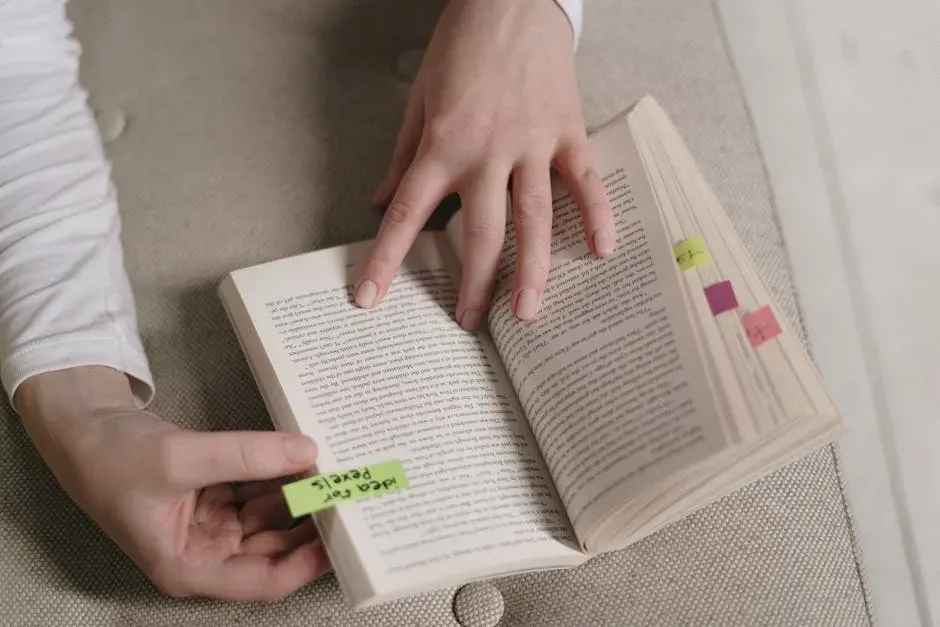
Some readers treat their books as conversations. They underline, they write in margins, they draw arrows between passages, they respond in shorthand to sentences that move or confuse them. This practice transforms reading from a passive activity into an active one, and paperbacks offer nostalgia, sensory satisfaction, and that indescribable feeling of holding a book while remaining physically easy to work with across long reading sessions.
A survey conducted by Penguin Random House in early 2025 found that 68% of readers under 35 prefer paperbacks for daily reading, citing ease of handling and reduced strain during long sessions. For sustained, annotative reading, the paperback’s flexibility and lighter weight reduce physical fatigue in a way that matters over hours of reading. When the book is also a tool, it pays to choose the more workable form.
The hardcover has its place, clearly. For gifts, for beloved authors, for books you already know you’ll keep forever. But for reading, for using, for lending and marking and carrying across the world in a bag that’s already too full? The paperback holds its own, and in many cases, it holds it better.
Partner offer
Planning a trip to Vegas?
Compare hotel rates and show tickets on VEGAS.com.