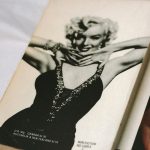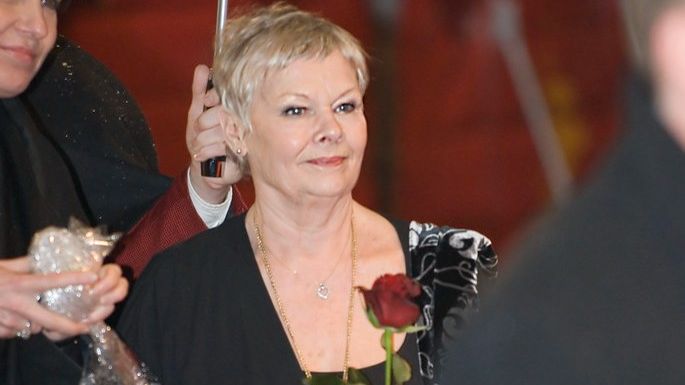
Hollywood has a long and uncomfortable habit of telling women exactly what they can’t be, can’t play, and can’t sell. Too tall, too short, too dark, too plain, too unconventional – the list of reasons the industry has invented to dismiss talented women is both staggering and remarkably unimaginative. The gatekeepers have been wrong before, but rarely as spectacularly as in these cases.
These eight actresses didn’t just survive rejection. They dismantled the narrow assumptions behind it, built careers that no one predicted, and in some cases permanently changed the way Hollywood thinks about who gets to lead a film. Their stories are worth knowing.
Meryl Streep – Called “Ugly” Before She Became the Most Nominated Actress in Oscar History
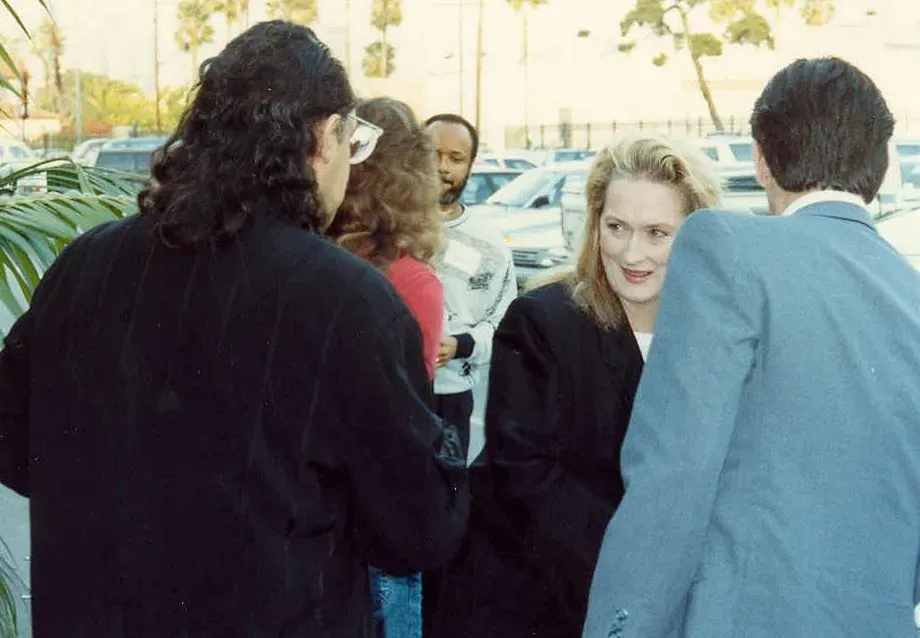
Early in her film career, Streep auditioned for the female lead in the 1976 remake of King Kong, produced by Italian filmmaker Dino De Laurentiis, after his son had spotted her in a play and brought her in for consideration. When she walked in, the elder De Laurentiis told his son in Italian “che brutta,” meaning “how ugly,” and Streep, who understood Italian, responded that she was sorry she wasn’t beautiful enough for King Kong.
The role went to another relatively unknown actress of similar age making her big screen debut: Jessica Lange. Streep’s composure in that room and her refusal to let one producer’s contempt define her trajectory turned out to be exactly the kind of resilience the industry never counted on. She is now frequently called one of the greatest actors to ever live, winning Oscars for Kramer vs. Kramer, Sophie’s Choice, and The Iron Lady, with nearly twenty Oscar nominations across her career.
Viola Davis – Told She Was “Not Classically Beautiful” Before Winning Acting’s Triple Crown
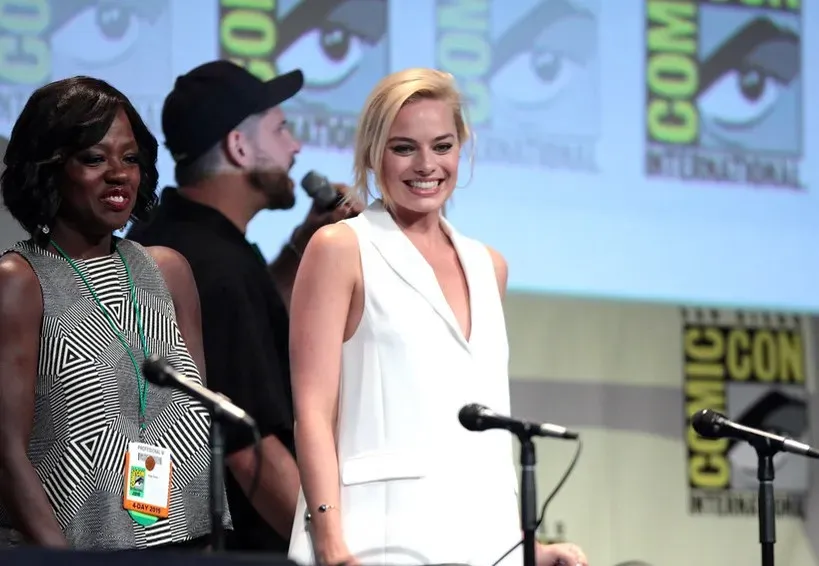
According to Davis, casting directors thought she was “too dark” and “not classically beautiful” enough to lead a romance film. Davis recalled in her memoir “Finding Me” that her physical appearance was far too often a topic of debate, from being called “ugly” by childhood bullies to attending Juilliard, which she felt pressured her to eliminate her Blackness from her performance.
Even when she was cast in Shonda Rhimes’ drama “How to Get Away With Murder,” Davis said fellow Black actors told her she wasn’t pretty enough to pull it off – while Rhimes had actually wanted her as her first choice. Davis went on to become the first Black actor in history to achieve the “Triple Crown of Acting,” winning an Academy Award, an Emmy Award, and two Tony Awards.
Judi Dench – Told She Had the Wrong Face for Film
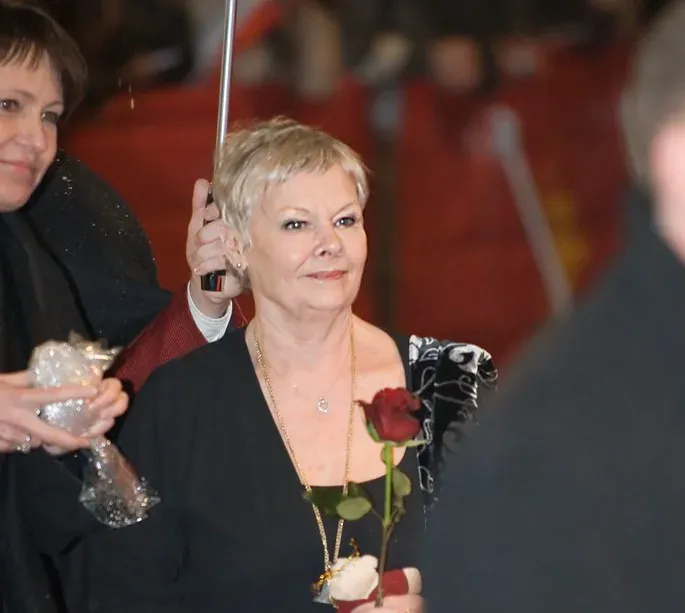
Despite her many years on stage, Judi Dench was actually discouraged from taking film roles, and a director flat-out told her she had the “wrong face” for the screen. Dench, who preferred the stage anyway, said this made her wary of shifting gears into film. That wary distance from cinema lasted for decades, which in retrospect makes the eventual scale of her film career all the more remarkable.
The grand dame of British acting didn’t really start making movies until she was in her 50s. What makes the story endure is not just that Dench proved them wrong, but that she did it so completely that the original note now reads like accidental comedy – a face that supposedly didn’t belong on screen ended up carrying decades of prestige, authority, and unmistakable presence. Her Oscar, BAFTAs, Golden Globes, and SAG Awards prove otherwise.
Sally Field – Dismissed as “Not Pretty Enough” Before Winning Two Academy Awards
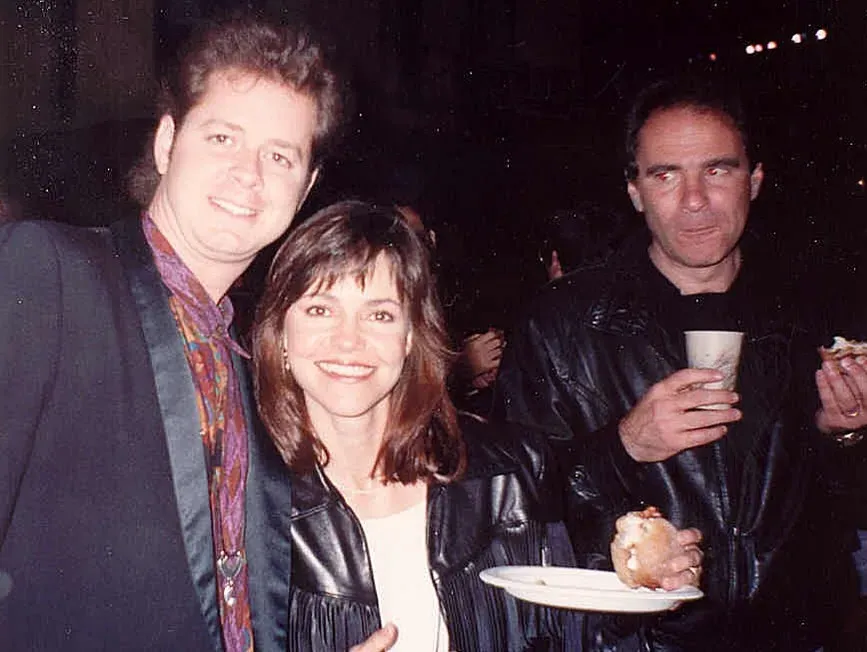
Sally Field was told early in her career that she was not pretty enough for movies and should stay in television, with many people viewing her only as the girl next door who couldn’t handle serious dramatic roles. Her own management told her she was “not pretty enough” to become a film star and she experienced relentless rejection. The cruelty of that particular criticism is its specificity – it wasn’t even about talent, just a limiting idea of what a film actress was supposed to look like.
Some industry experts told Field she was not pretty enough for film stardom, but television success provided a foothold as she expanded into cinema. Two Academy Awards for Norma Rae and Places in the Heart, followed by decades of respected work, ultimately disproved those early assessments. Her performances in those two films are now considered masterclasses in acting.
Nia Vardalos – Told There Were No Roles for Greek Women in Hollywood
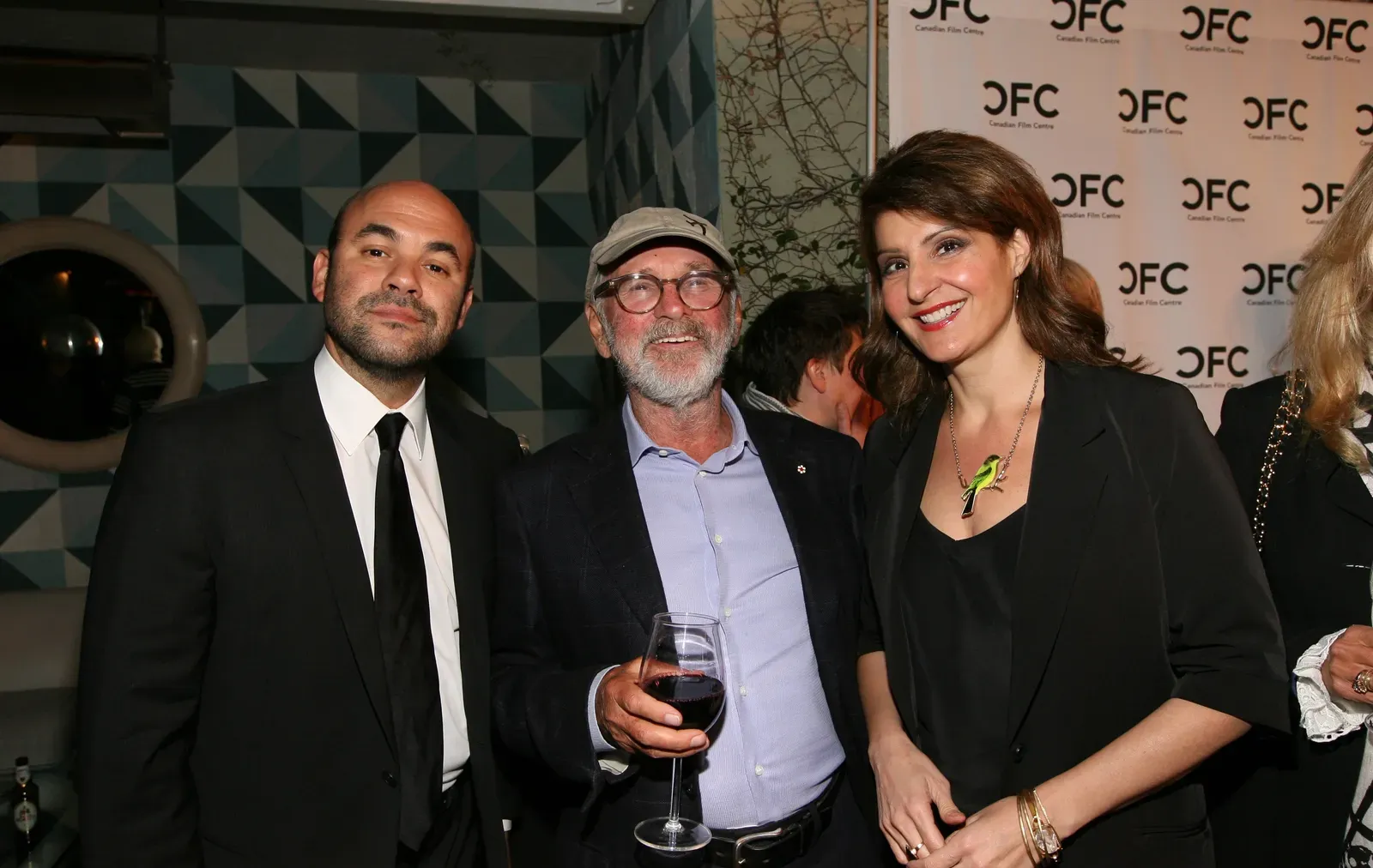
Nia Vardalos was told by her early agents that she was not pretty enough to be a leading lady and not fat enough to be a character actress, and they told her there were no roles for Greek women in Hollywood and suggested she change her look. Rather than reshape herself, she did something the industry almost never anticipates: she wrote her own story.
She responded by writing her own screenplay based on her life, which became “My Big Fat Greek Wedding.” The film turned into one of the highest grossing romantic comedies of all time, proving that audiences crave authentic stories and relatable performers. It remains one of the sharpest rebukes in modern Hollywood history to the idea that certain stories simply don’t sell.
Melissa McCarthy – Sidelined as an Unconventional Leading Lady Before Reshaping Comedy
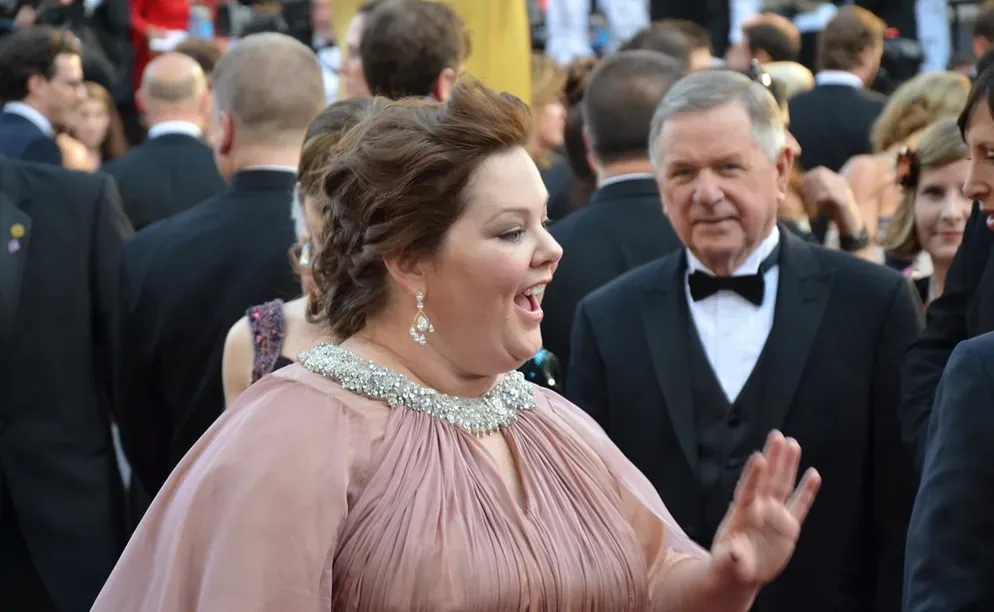
Although her size made her an unconventional leading lady by Hollywood standards, McCarthy was soon starring in films that proved her box-office appeal. Early auditions often dismissed Melissa McCarthy and limited her opportunities, but persistence through television and comedy eventually changed perceptions, with breakout performances showcasing range and timing that led to box office hits.
In 2011, McCarthy had a breakout performance in the comedy film Bridesmaids and received wide critical acclaim and press coverage, earning an Academy Award nomination for Best Supporting Actress. She later received a second Academy Award nomination, this time for Best Actress, for her portrayal of writer Lee Israel in the biographical film Can You Ever Forgive Me? That dramatic nomination, years after being dismissed as a physical comedy act, said everything.
Mindy Kaling – Told She Wasn’t Attractive Enough to Play Herself
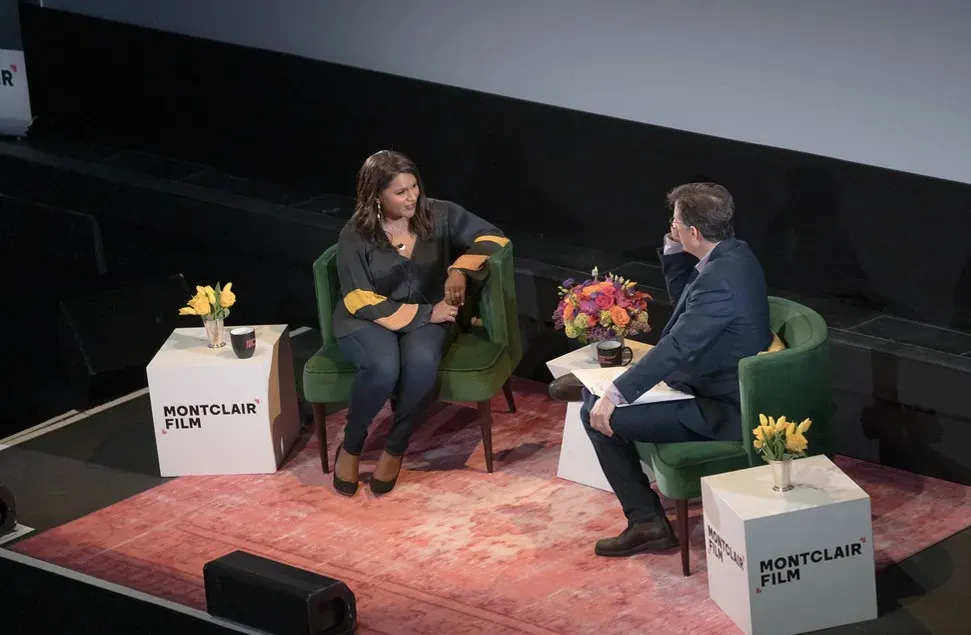
Mindy Kaling was once told by a production company that she was not attractive enough to play herself in a sketch show she wrote, but she did not let the insult stop her and went on to become a lead writer and performer on “The Office,” later creating and starring in “The Mindy Project,” which ran for six successful seasons. The absurdity of being told you’re the wrong person to portray yourself is hard to overstate.
She is now a major producer and writer who advocates for diverse representation in media. Kaling built an empire on the exact image the industry told her wasn’t viable, and in doing so opened up conversations about representation in Hollywood that were long overdue. Her trajectory is proof that sometimes the most subversive thing an actress can do is simply refuse to disappear.
Sarah Paulson – Warned Her Identity Would Make Her “Uncastable”
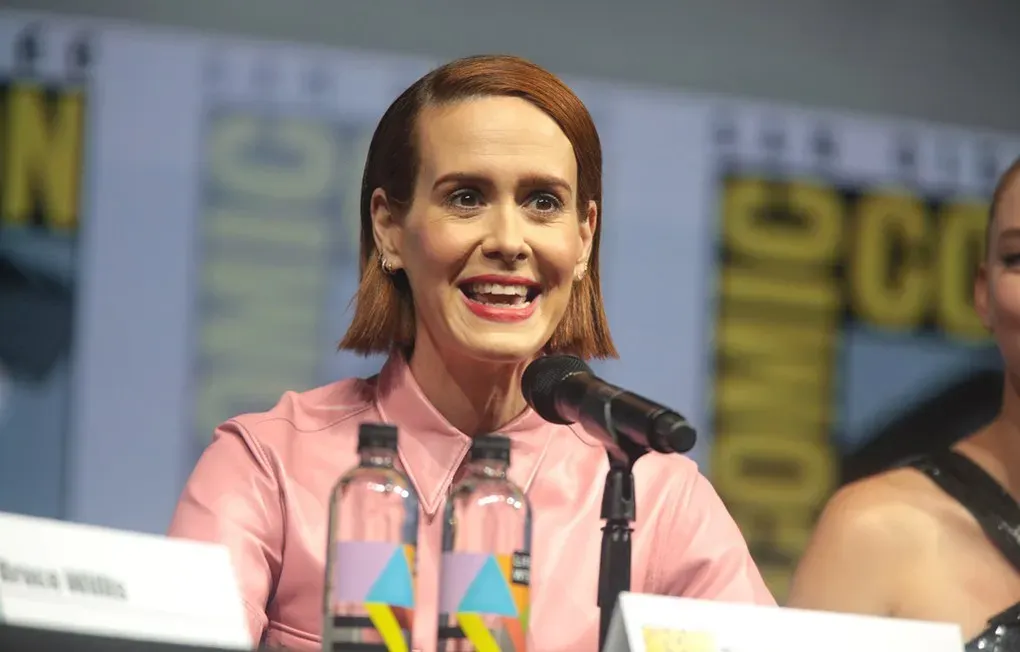
While Sarah Paulson is currently a mainstay of modern television, she was once warned that her sexuality would ruin her career. Before her success on “American Horror Story,” her relationship with actress Cherry Jones led to warnings from agents and colleagues that being public about her partnership would make her “uncastable” in romantic lead roles. For a period, she found it difficult to secure high-profile projects that weren’t niche or supporting characters.
Her eventual rise to superstardom proved the critics wrong, but the early pressure to remain closeted was a significant hurdle. Paulson went on to become one of the most versatile and critically celebrated actresses working in American television, earning Emmy recognition and collaborating repeatedly with Ryan Murphy across multiple prestige projects. The warning that her identity would close doors turned out to be exactly backward.
What ties all eight of these women together isn’t just talent, though they clearly have it. It’s the specific experience of being told that something fixed about them – their face, their body, their background, their identity – disqualified them from the roles they were born to play. The industry was wrong every single time. That’s worth sitting with.