Modern records can take years. Artists chase perfect takes, rework mixes and delay release dates. Yet some of the most admired albums ever made came together in days, or even a single afternoon.
Speed alone doesn’t make a record good. Still, these eight show what happens when a band is well rehearsed, the studio clock is ticking and nobody has time to overthink.
The Beatles, Please Please Me (1963)
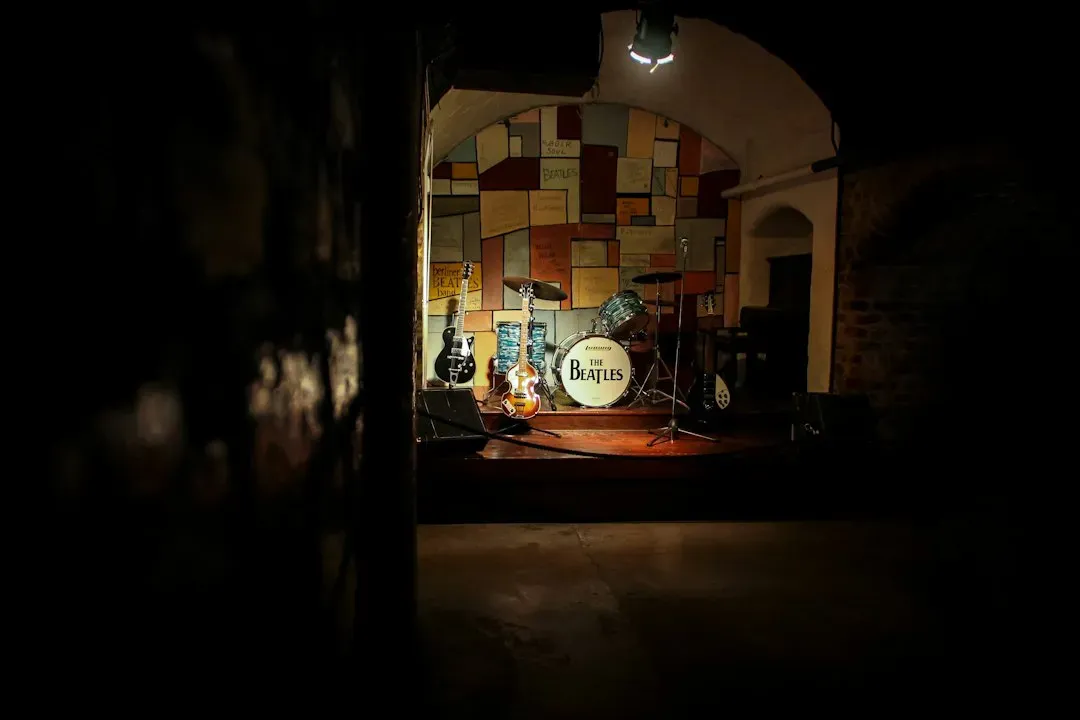
The Beatles’ debut album was largely recorded on February 11, 1963, at EMI’s Abbey Road studios in London. Producer George Martin had them play through ten songs in a marathon session, which sat alongside tracks from earlier singles. The group were already road tested from their Hamburg and Liverpool club years, so they could move fast.
The final song of the day was “Twist and Shout,” with John Lennon’s voice already worn thin. It was done in very few takes, and that rawness is part of why it still sounds so alive. The album reached number one in the United Kingdom after its release in March 1963.
Ramones, Ramones (1976)
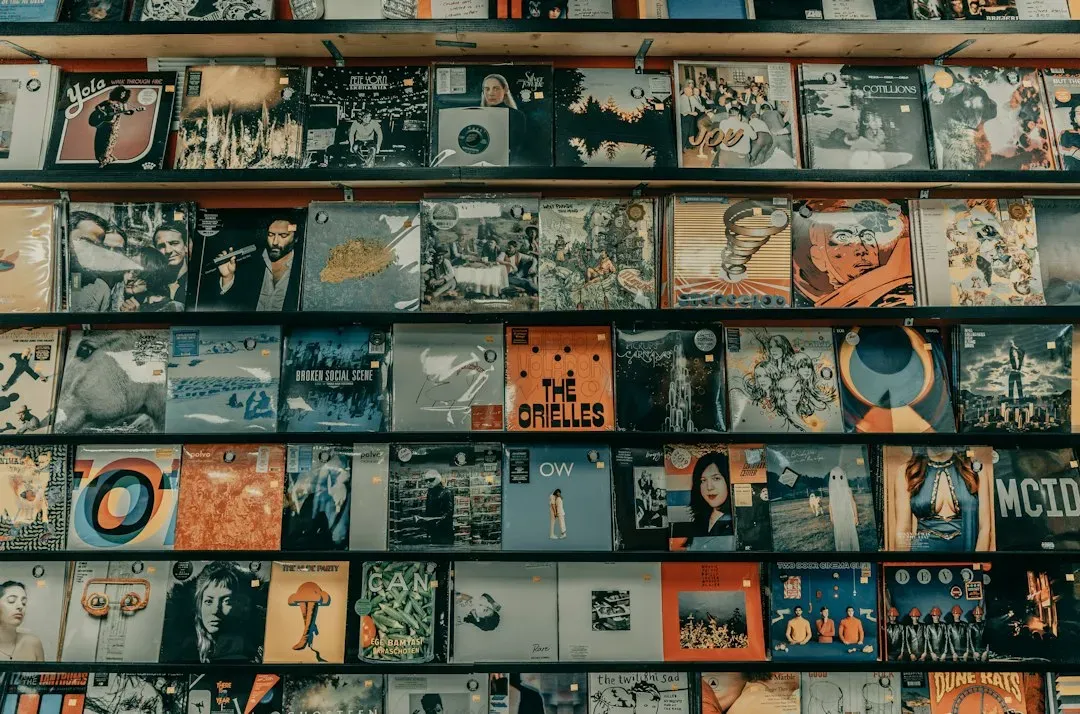
The Ramones’ debut was cut at Plaza Sound in New York in February 1976, in roughly . The commonly cited budget was about six thousand dollars, which is tiny even by the standards of the time. The band played songs they had already drilled relentlessly onstage.
The result runs fourteen songs and under thirty minutes, with almost no studio polish. It arrived in April 1976 and became a template for punk on both sides of the Atlantic. Short songs, fast tempos and zero filler were partly a matter of necessity.
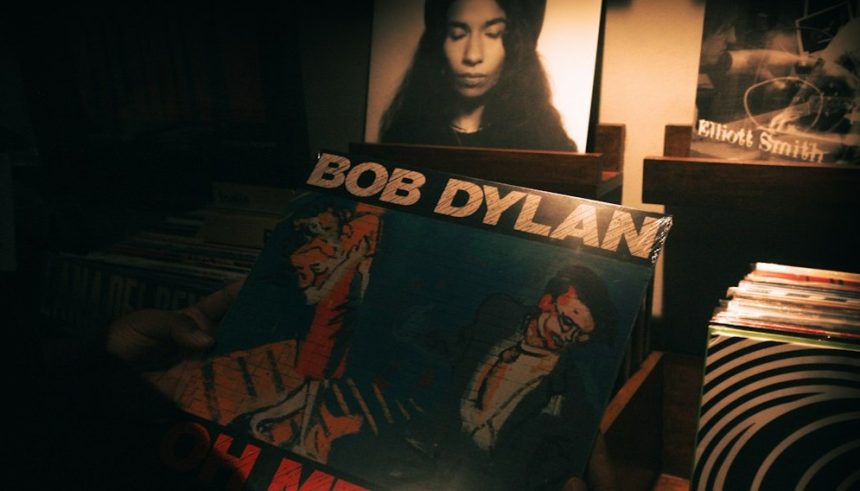
Bob Dylan, Bob Dylan (1962)
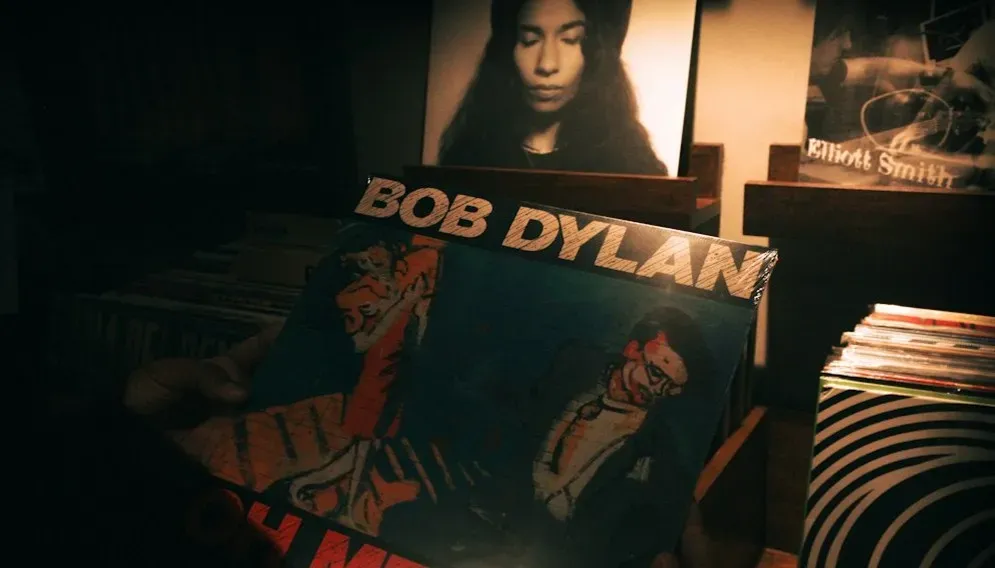
Dylan’s self-titled first album was recorded at Columbia’s studios in New York in two sessions, on November 20 and 22, 1961. John Hammond, the producer who signed him, oversaw the work. It is often reported to have cost only a few hundred dollars.
Most of the thirteen tracks are folk and blues standards, with just two originals. Dylan mostly played them live in the room, with his guitar and harmonica. The album came out in March 1962 and sold modestly, but it launched one of the most closely studied careers in popular music.
Bob Dylan, Another Side of Bob Dylan (1964)
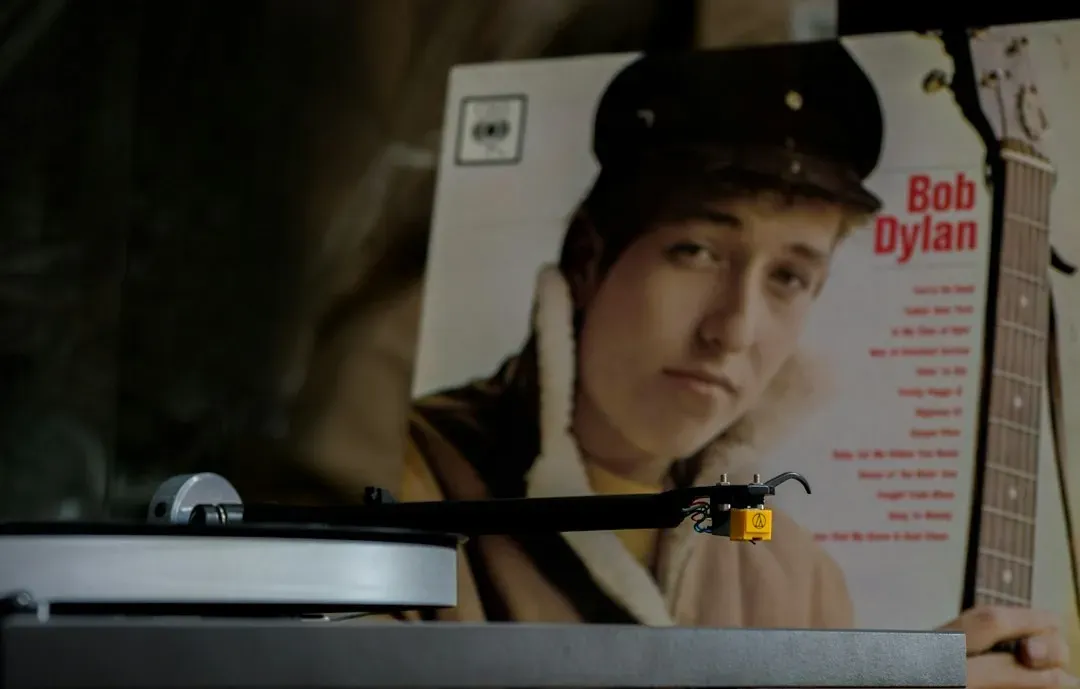
Dylan made his fourth album in one evening, on June 9, 1964, at Columbia Studio A in New York. Tom Wilson produced, and Dylan played alone with guitar, harmonica and piano on one track. There were no backing musicians to coordinate.
The songs were a turn away from the topical protest numbers of his earlier records. They are more personal and often more playful, and they include “It Ain’t Me Babe” and “My Back Pages.” The whole record was finished in a single session, which fits its loose, conversational feel.
John Coltrane, A Love Supreme (1965)
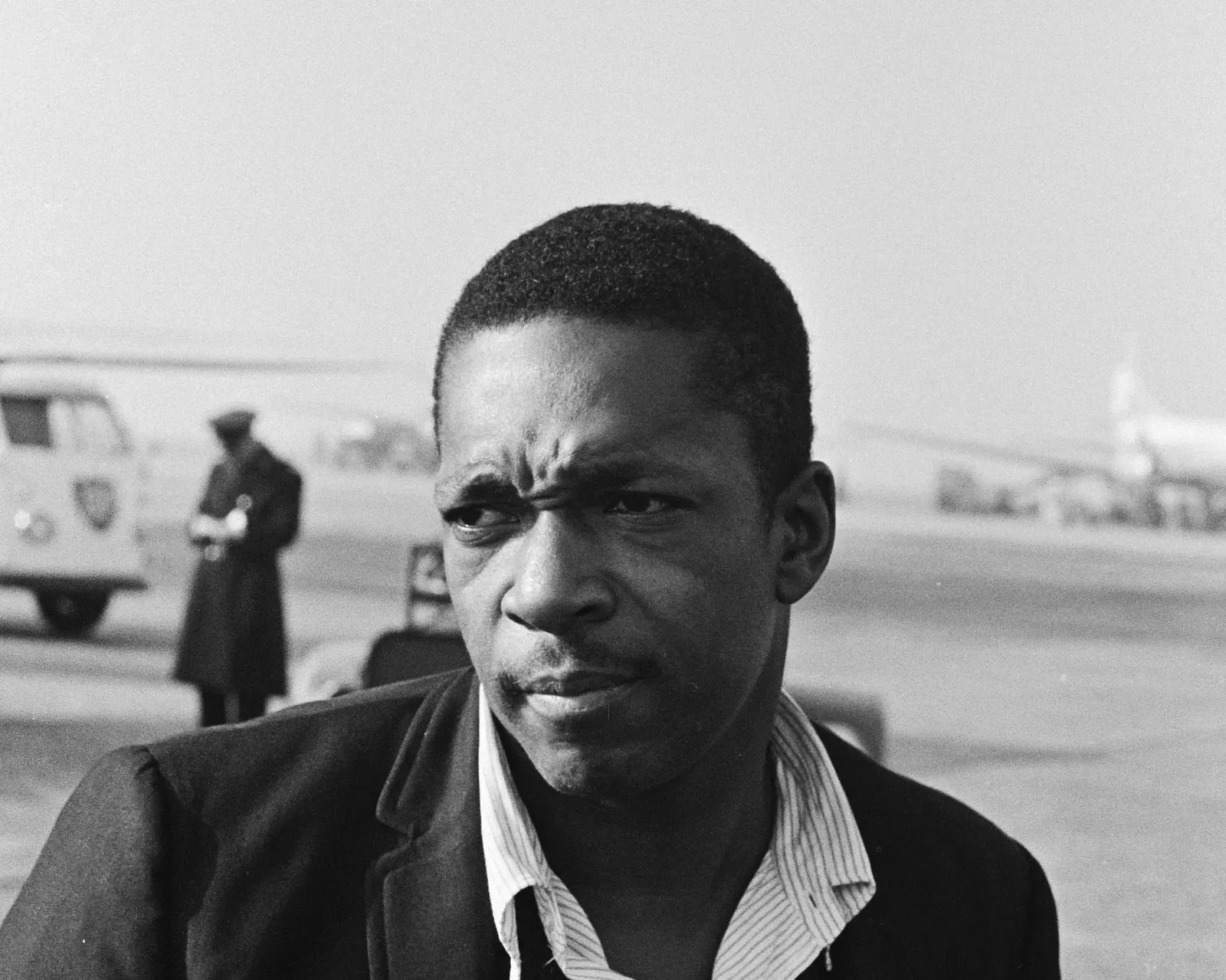
Coltrane recorded this suite on December 9, 1964, at Rudy Van Gelder’s studio in Englewood Cliffs, New Jersey. He worked with his classic quartet: McCoy Tyner on piano, Jimmy Garrison on bass and Elvin Jones on drums. The four of them captured the complete four part work in one session.
The music is a spiritual statement, built around a simple bass motif and a long chant. It was released in early 1965 and is regularly named among the greatest jazz albums. The quick session suited a piece that Coltrane had clearly prepared in his head.
Black Sabbath, Black Sabbath (1970)
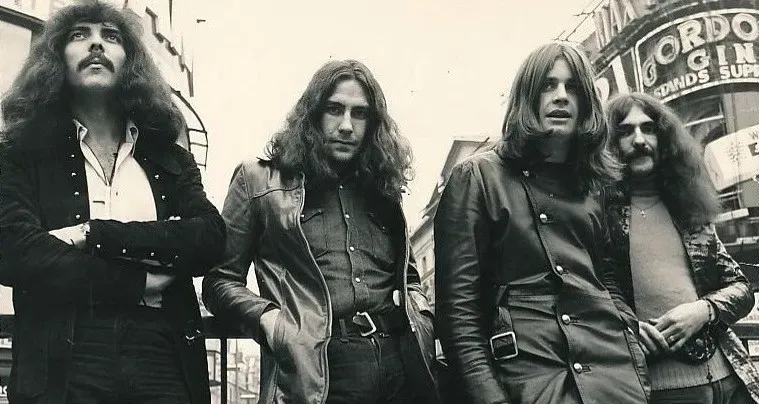
Black Sabbath’s debut is generally reported to have been recorded in a single day, October 16, 1969, at Regent Sound in London. Producer Rodger Bain kept the process simple, with the band playing much as they did live. Some overdubs and mixing followed, but the core was set quickly.
The slow, heavy sound of the title track helped define what became heavy metal. The album was released on Friday, February 13, 1970. Its cheap, fast origins are easy to hear in the thick, unvarnished guitar and bass.
Nirvana, Bleach (1989)
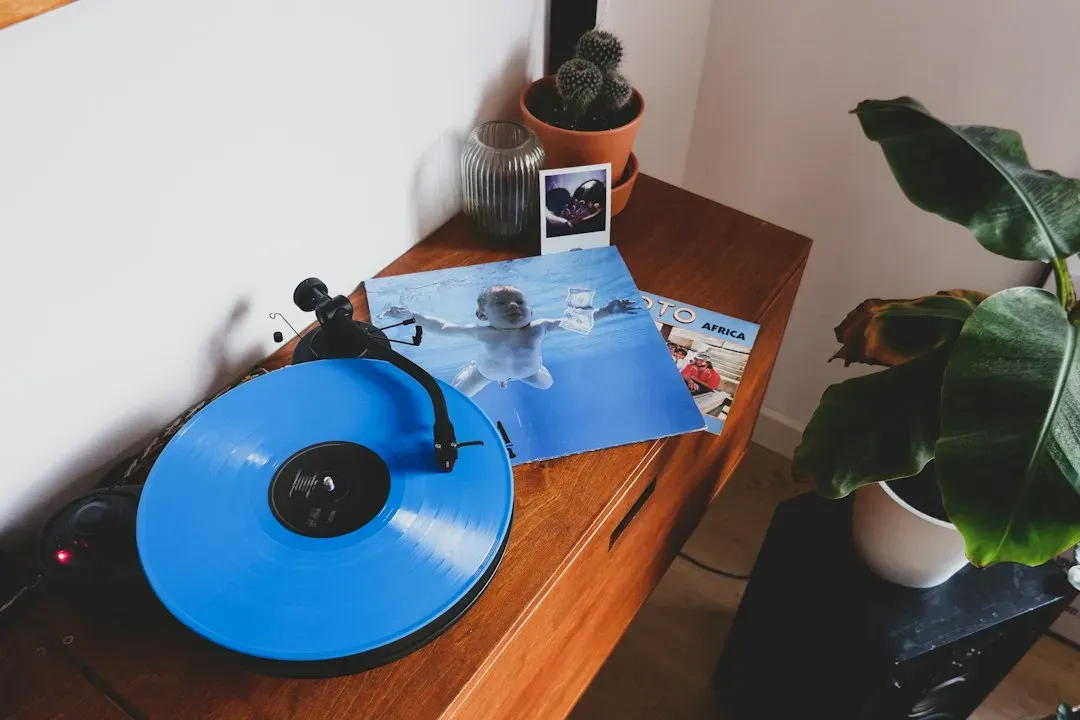
Nirvana recorded most of Bleach with producer Jack Endino at Reciprocal Recording in Seattle, mainly in a few sessions around the end of 1988 and start of 1989. The total studio time was about thirty hours. The oft quoted cost is just over six hundred dollars, paid by a friend of the band.
Sub Pop released the album in June 1989. Its murky, sludgy sound reflects both the budget and the band’s early influences. The album sold slowly at first, then gained attention after Nirvana became globally famous.
Pixies, Come On Pilgrim (1987)
Pixies’ first release was made at Fort Apache Studios in Boston in March 1987, with producer Gary Smith. The sessions took only a matter of days, with accounts varying slightly on whether it was two or three. The material was originally intended as a demo tape.
The recordings were released by 4AD as an eight song mini album later that year. It captures Black Francis and the band at full speed, with sharp turns between screamed vocals and surf tinged guitar. The record set up the more polished Surfer Rosa that followed in 1988.