There’s a particular kind of magic in a cold open done right. Before the theme song, before the credits, before you even know a single character’s name, a show can grab you by the collar and refuse to let go. Some of television’s most beloved series understood this instinctively, using their opening seconds not as a warm-up but as a statement of intent. The following pilots didn’t ease viewers in. They dropped them straight into chaos, mystery, or dread, then made them sit through the rest of the episode just to find out how everyone got there. Here’s a look at nine that pulled it off.
Breaking Bad: A Man in Underwear and a Gas Mask
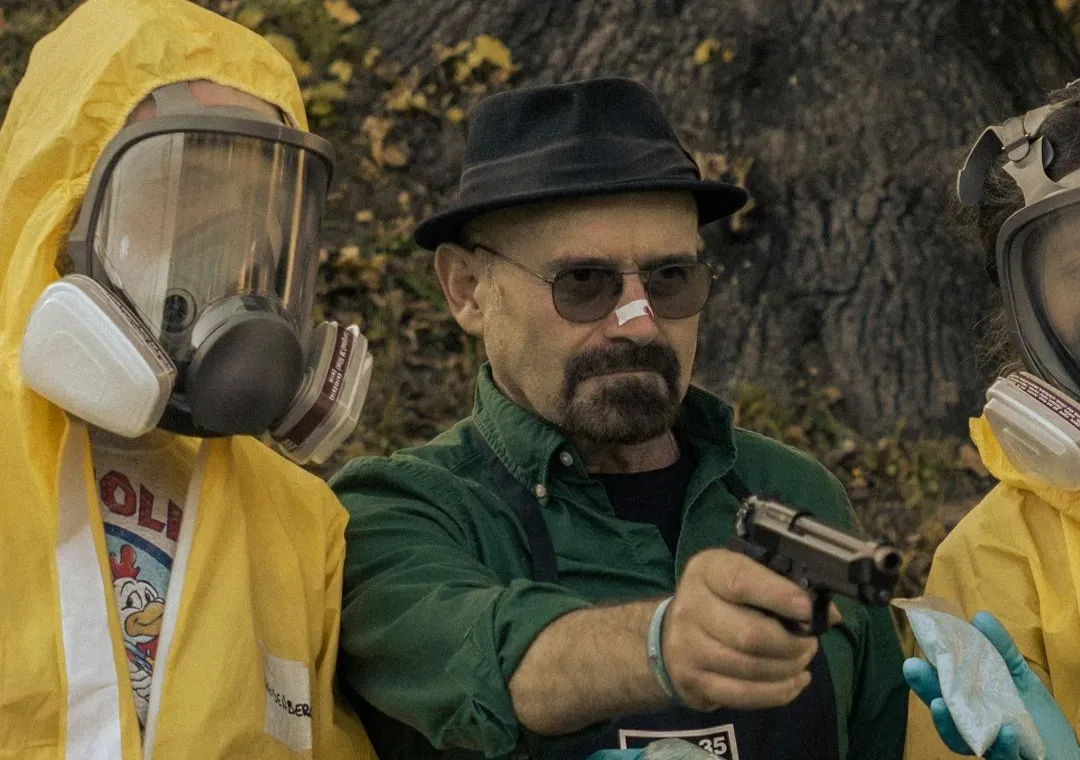
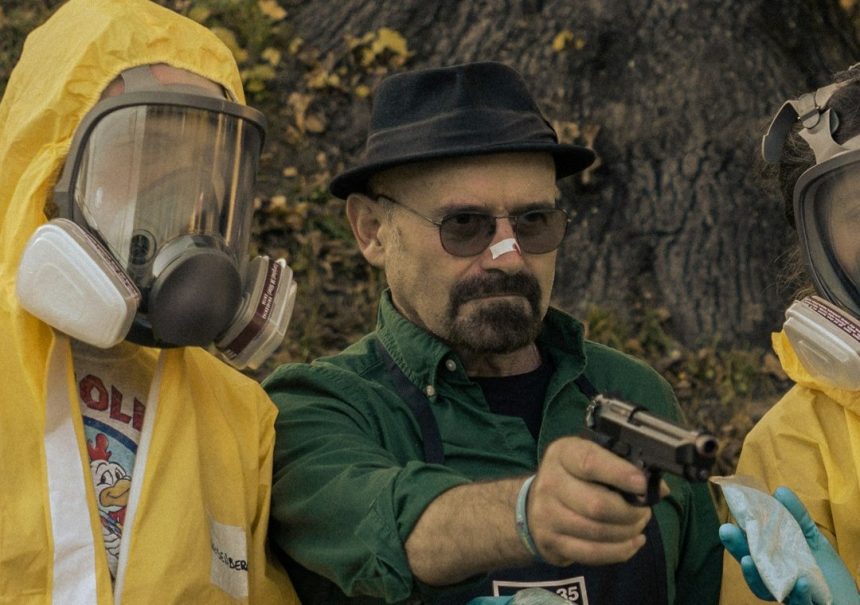
Vince Gilligan’s pilot for Breaking Bad opens with what might be the most disorienting image in modern television history. A middle-aged man, in only underpants and a gas mask, drives an RV recklessly down a desert road, while checking on three unconscious men. There’s no dialogue to explain any of it, just chaos unfolding in real time.
The scene escalates fast. During the cook, Emilio tosses a lit cigarette out the window of the RV, causing a brush fire, and Walt synthesizes phosphine gas with red phosphorus, causing an explosion. By the time the RV crashes and the man stumbles out clutching a gun, aiming it at approaching sirens, viewers had no idea who Walter White was, only that they needed to know how a chemistry teacher ended up here.
Lost: An Eye Opens in the Jungle

J.J. Abrams and Damon Lindelof built one of the most expensive pilots in network history around a single, quiet image before unleashing pure spectacle. The episode opens with a close-up of Jack’s eye, pulling back and showing him alone in the jungle. That stillness lasts only seconds.
What follows is a sprint into disaster. He runs out of the jungle, onto a beach, where we see the remains of a plane crash and absolute panic among the survivors, and he quickly runs around helping as many people as he can, saving the heavily pregnant Claire Littleton from a falling plane wing. It’s a scene built entirely on forward motion, and it made Lost impossible to turn off.
The Walking Dead: A Girl in Bunny Slippers

Frank Darabont’s pilot understood that a slow burn needed one shocking spark to justify the wait. Rick Grimes wanders a stalled highway of abandoned cars, and he bends down to see a little girl’s legs under a car, wearing pink bunny slippers and a bathrobe, and holding a teddy bear. For a moment, it looks like a rescue.
Then the tone flips entirely. She growls and starts walking towards Rick, who is forced to pull out his revolver and shoot her, and as she falls to the ground, he stares in shock. Killing a child, even an undead one, in the show’s opening minute told viewers exactly what kind of series they’d signed up for.
Stranger Things: A Scientist Loses the Race
The Duffer Brothers borrowed heavily from eighties horror, and their pilot’s opening scene plays like a compressed slasher film. Stranger Things begins with a cold open of a scientist in an underground lab running away from an unseen threat, and just as he thinks he’s gotten away, he is caught by the monster in the elevator and meets a grisly end.
The genius of the scene is restraint. Viewers never see the creature clearly, only its effect, and that absence does more work than any reveal could. That hope is immediately shattered when he and the audience realize that his terrifying pursuer has somehow ended up in the elevator with him, and the scientist is pulled out of sight with a scream. It set the show’s rules before a single kid on a bike ever appeared on screen.
Dexter: Blood, Routine, and a Smile

Dexter Morgan’s introduction is unsettling precisely because of how calm it feels. The pilot opens on a nighttime hunt, Dexter tracking down a man who has harmed children, and narrates his own actions with a chipper, almost cheerful detachment that clashes violently with the violence on screen. The show never raises its voice, and that’s the point.
By the time Dexter walks away from the scene humming to himself, the series has already told you everything about its central tension. He is a serial killer with a code, a monster who works in blood spatter analysis for the Miami police by day. Few pilots have managed to make menace feel this relaxed.
Six Feet Under: Death Arrives Without Warning
Alan Ball’s pilot opens on an ordinary evening for the Fisher family funeral home, all mundane chatter and holiday plans. Then, without any dramatic buildup, the family patriarch is killed in a sudden car accident involving the very hearse he drives for a living. The irony is blunt, almost cruel, and entirely deliberate.
What makes the scene work is its refusal to linger on grief before delivering the joke. A quick cut to a cheesy funeral home commercial plays right after the death, jarring viewers out of sorrow and into the show’s signature blend of dark comedy and mortality. It told audiences immediately that death here would be treated as both tragedy and punchline.
Weeds: Suburbia’s Secret Economy
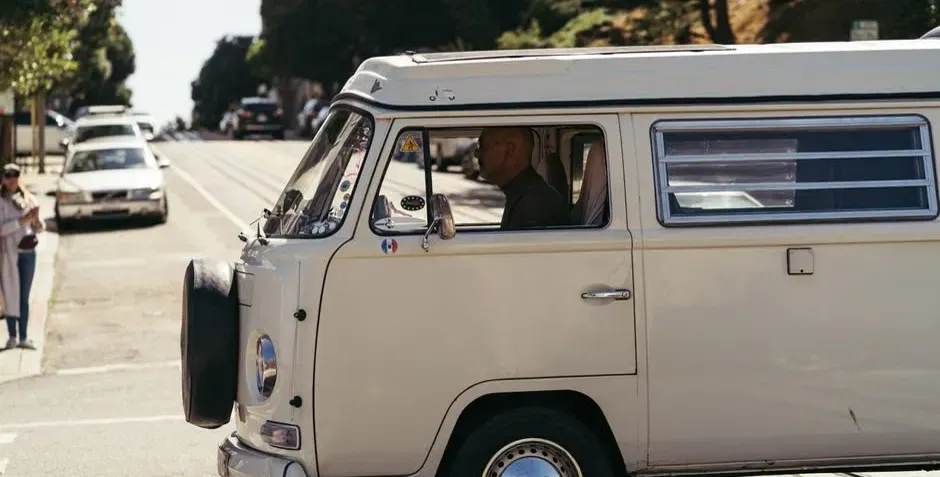
Jenji Kohan’s pilot wastes no time exposing the gap between suburban appearances and suburban reality. The opening minutes follow Nancy Botwin through her daily routine as a widowed mother, cutting between her ordinary errands and the fact that she’s quietly running a marijuana business out of her minivan.
The satire lands immediately because the visuals do the talking. Soccer games, PTA meetings, and manicured lawns are shown alongside drug deals conducted with the same casual efficiency as grocery shopping. It’s a cold open built on contrast rather than shock, and it defined the show’s tone before the first line of real dialogue.
True Detective: A Body in the Field
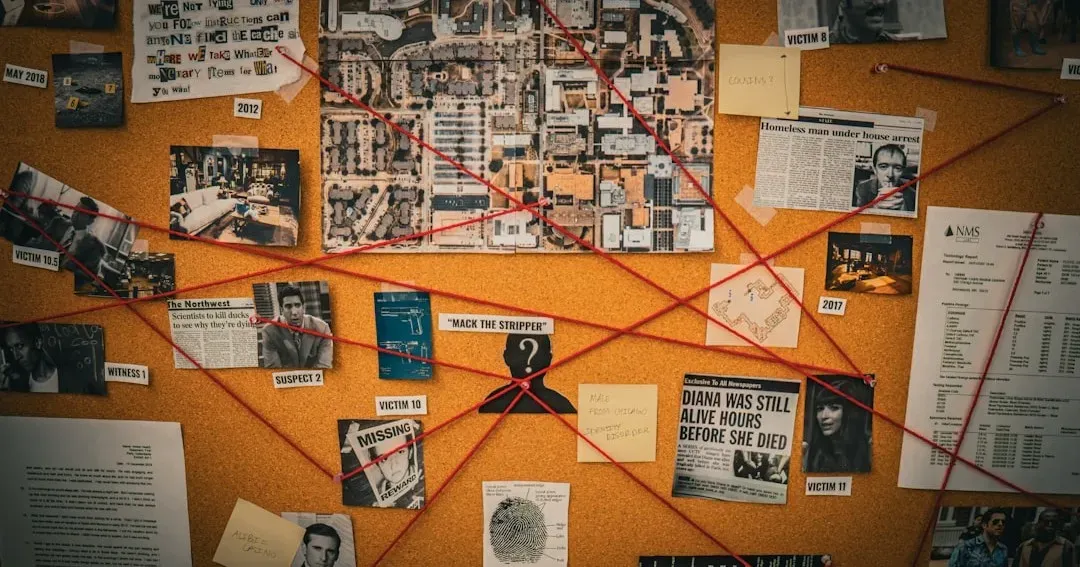
The first season of True Detective opens with a structure rather than a single jolt, cutting between a present-day interrogation and the discovery of a ritualistically staged murder scene in rural Louisiana. Detectives Rust Cohle and Marty Hart are shown years apart from the crime, being questioned separately about a case that clearly still haunts them.
The unease comes from the layering. Viewers see the crime scene itself, a woman’s body arranged with antlers and strange markings, before understanding any of the men investigating it. That fractured timeline, planted in the very first minutes, became the backbone of the entire season’s slow unraveling.
The Leftovers: A Sudden, Unexplained Vanishing
HBO’s The Leftovers opens on an unremarkable morning, a mother juggling errands with a baby in the back seat of her car outside a laundromat. She steps away for only a moment. When she returns, the baby is gone, along with millions of other people worldwide, in an event the show never fully explains.
The panic that follows is immediate and visceral, cars crashing, people screaming, a world losing its grip on logic in real time. What makes this cold open so effective is its refusal to offer answers, a choice that defined the entire series’ approach to grief and mystery. It’s a pilot that hooks you specifically by promising nothing will ever be neatly resolved.
Final Thoughts
What ties these nine openings together isn’t gore or shock value alone, though several lean on both. It’s confidence, the willingness of a show to trust that a strong enough image or question will do more work than exposition ever could.
These pilots understood that television audiences, especially now with endless options competing for attention, need a reason to stay in the first sixty seconds. Each of these cold opens gave viewers exactly that: a puzzle, a shock, or a quiet dread that demanded resolution, and a promise that whatever came next would be worth the wait.