Hollywood and Broadway have been swapping ideas for decades, but the traffic really picked up once Disney started turning its animated classics into stage spectacles. What followed was a steady stream of movie-to-musical adaptations, some modest, some record-shattering, that reshaped what audiences expect from a Times Square ticket. Looking at how long each of these shows actually stayed open tells you something about which stories translate best from screen to stage, and which ones simply caught lightning in a bottle for a shorter run.
1. The Lion King

No film-to-stage adaptation comes close to what The Lion King has done on Broadway. As of mid September 2026, the show has reached 11,386 performances since it opened, a number that keeps climbing every week it stays open at the Minskoff Theatre. That run has made it Broadway’s third longest-running production of any kind, film-based or otherwise, and it shows no signs of slowing down.
The financial numbers match the longevity. The production has grossed $2,204,548,078 with total attendance of 19,076,784, figures that put it in a category by itself among stage musicals. Julie Taymor’s puppetry-driven staging turned a beloved animated film into something theatrical audiences still can’t quite see anywhere else, which helps explain why the show has outlasted nearly every other title on Broadway.
2. Beauty and the Beast

Before The Lion King, it was Beauty and the Beast that proved Disney could translate an animated hit into a lasting stage franchise. The show closed on July 29, 2007, ending its run with a total of 5,464 performances and 46 previews, a run that lasted thirteen years at two different theaters. That kind of staying power was unheard of for a family-friendly musical at the time.
The show’s success went well beyond Broadway itself. The musical grossed more than $1.7 billion worldwide and played in thirteen countries and 115 cities, numbers that reflect how thoroughly the production toured after its Broadway closing. Composer Alan Menken expanded his Oscar-winning film score with new songs written alongside Tim Rice, giving the stage version its own identity beyond a straight film transcription.
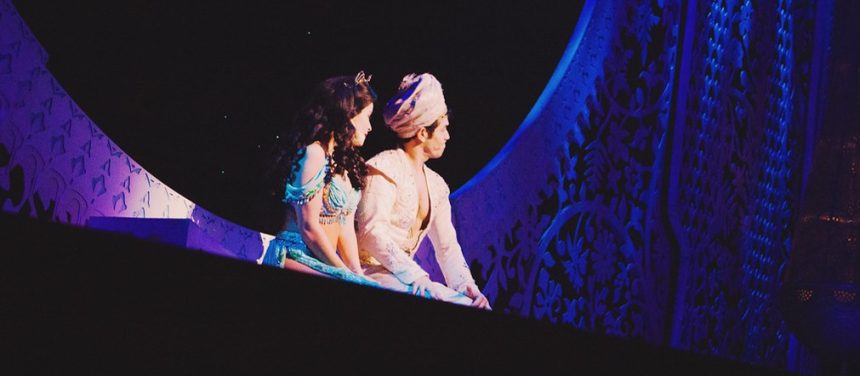
3. Aladdin
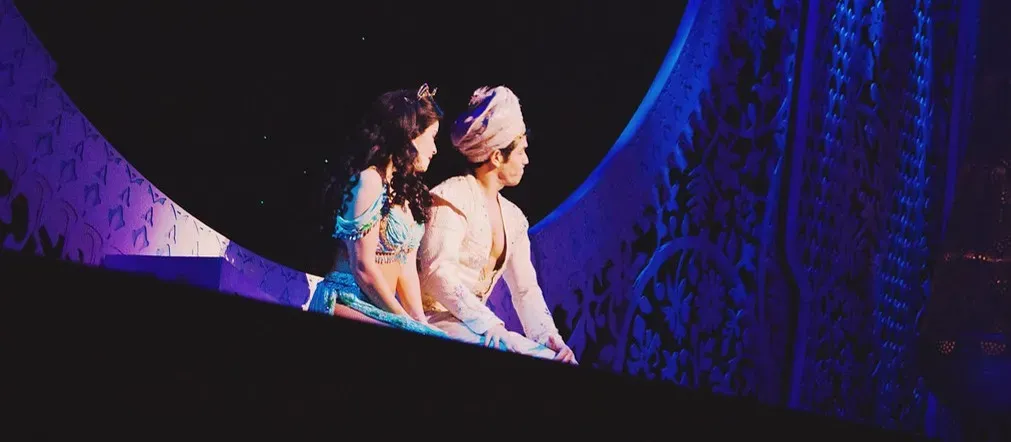
Disney’s third major animated-to-stage adaptation has settled into a long, steady Broadway residency of its own. According to Playbill’s tally of long-running shows, Aladdin has reached 4,541 performances and is still running as of September 2026. That places it comfortably among Broadway’s top fifteen longest-running productions of all time.
Unlike Beauty and the Beast or The Lion King, Aladdin arrived on Broadway relatively late, opening in 2014 after Disney had already refined its formula for adapting animated films for the stage. The show leaned heavily on comedy and spectacle, particularly around the Genie character, which helped it find a loyal audience even as newer musicals competed for tourist dollars. Its continued run alongside The Lion King means Disney currently has two film-based musicals both still performing on Broadway at the same time.
4. Billy Elliot: The Musical
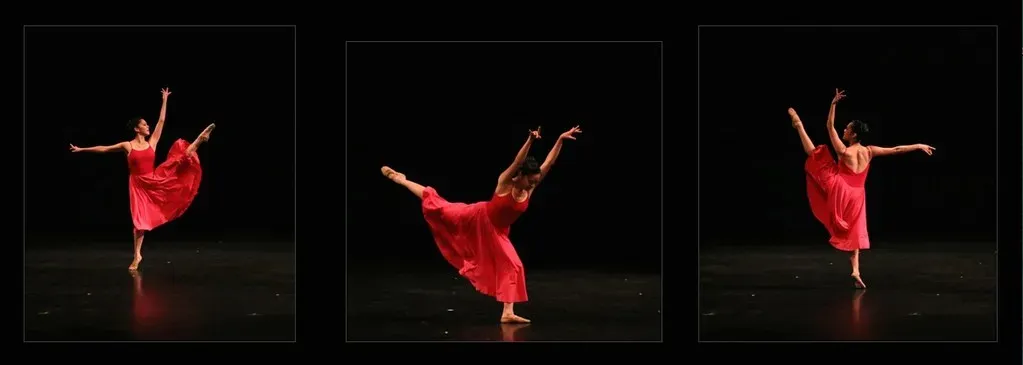
Not every film-based musical needs animation or a Disney label to succeed for years on Broadway. Billy Elliot, adapted from the 2000 British drama about a boy pursuing ballet against his working-class father’s wishes, quietly built one of the more respectable runs among non-Disney film adaptations. The show closed with 1,316 performances, landing it among Broadway’s top 100 longest-running productions.
Elton John wrote the score, giving the production a recognizable musical pedigree that helped it stand out from the crowded Disney-dominated field of film adaptations. The show won ten Tony Awards, including Best Musical, cementing its critical reputation even though its run fell well short of the animated Disney titles above it. Its performance count still represents a solid, multi-year Broadway life for a drama-driven story rather than a family spectacle.
5. School of Rock – The Musical

Andrew Lloyd Webber’s adaptation of the 2003 Jack Black comedy turned out to be one of the more durable non-Disney film musicals of the 2010s. School of Rock closed after 1,312 performances, a run that landed it just behind Billy Elliot on Broadway’s all-time list. That’s a notable achievement for a show built around child performers playing their own instruments live eight times a week.
The production’s appeal came largely from its energetic, kid-powered rock numbers, which gave it a different flavor than the more polished Disney productions on this list. Lloyd Webber wrote an entirely new score for the stage version rather than simply adapting existing film music, a choice that helped the show feel distinct from its source material. Its multi-year run proved that mid-budget film adaptations without a major studio brand behind them could still find sustained Broadway success.
6. Mean Girls
Tina Fey’s adaptation of her own 2004 screenplay became one of the more talked-about movie-to-musical transfers of the late 2010s, but its Broadway life was cut short by circumstances outside its control. The production ended March 11, 2020, running for 29 previews and 804 regular performances, giving it a combined total commonly cited as 833 performances before the COVID-19 pandemic forced Broadway’s shutdown. It never reopened, with producers formally announcing the closure in January 2021.
Despite the abrupt ending, the numbers were strong while the show ran. The production grossed $124.2 million on Broadway during its run, with 980,469 total admissions, a figure that reflects how popular the show had become before the pandemic interrupted it. Had Broadway not shut down when it did, Mean Girls likely would have continued running and posted a considerably higher performance count than it ultimately achieved.
7. Legally Blonde
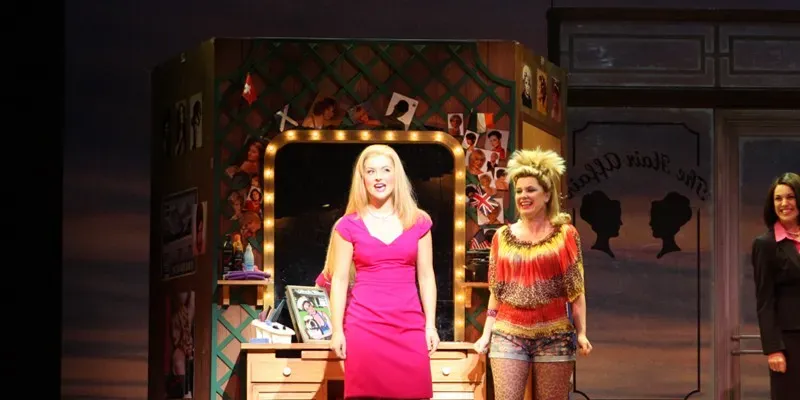
The stage version of the 2001 comedy about a sorority girl who enrolls at Harvard Law arrived on Broadway in spring 2007 carrying high expectations after a strong pre-Broadway tryout. The show opened April 29, 2007 and closed October 19, 2008, a run of roughly a year and a half that fell short of the longer-running titles on this list. Reviews were mixed, and while the show developed a devoted fan base, it never built the kind of momentum that kept Disney’s animated adaptations running for years.
Despite its comparatively shorter Broadway run, Legally Blonde found a robust afterlife beyond New York. The West End production opened in January 2010 at the Savoy Theatre, and the show has since become a staple of regional and school theater programs. Its Broadway closing after less than two years stands as a reminder that a strong opening and enthusiastic reviews don’t always translate into a marathon run.
8. Shrek the Musical
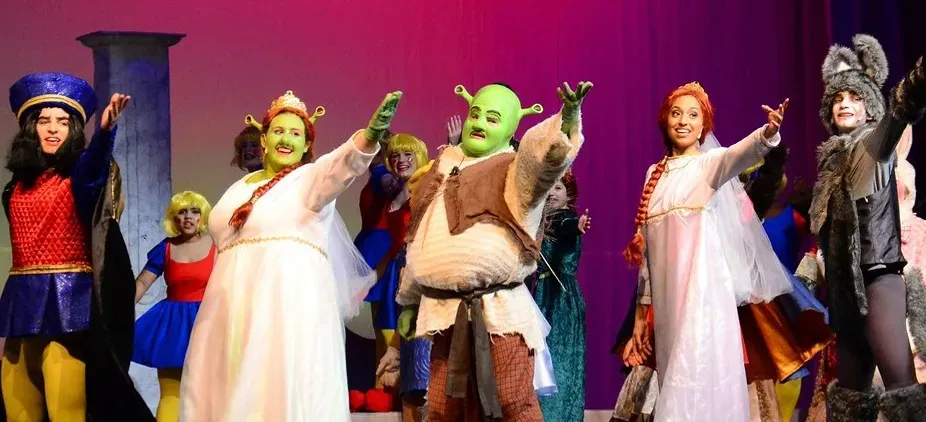
DreamWorks’ answer to Disney’s stage ambitions brought the 2001 animated hit Shrek to Broadway in December 2008, complete with elaborate prosthetic makeup and a cast built around the ogre’s unglamorous swamp life. The show earned solid reviews and a Tony nomination for Best Musical, but its Broadway run proved considerably shorter than the Disney titles that inspired it. It closed in January 2010, giving it the shortest Broadway life among the eight productions on this list.
Even with a shorter run, Shrek the Musical developed a lasting presence through licensing, school productions, and touring companies around the world. The show’s comedic tone and fairy-tale-mashup structure gave it broad appeal for family audiences, even if it couldn’t sustain a multi-year Broadway residency the way The Lion King or Beauty and the Beast did. Its relatively brief run illustrates how competitive the film-to-musical genre became once several major studios were producing similar family-friendly adaptations at the same time.
Ranking these eight shows by performance count makes one thing clear: Disney’s animated library produced the genre’s biggest hits by a wide margin, while non-Disney adaptations found more modest, though still meaningful, Broadway lives. The gap between The Lion King’s tens of thousands of performances and Shrek’s few hundred says less about quality than about how differently each production connected with audiences over time. What all eight share is proof that a good film can become the seed of a genuinely different, and sometimes far longer-lived, piece of theater.