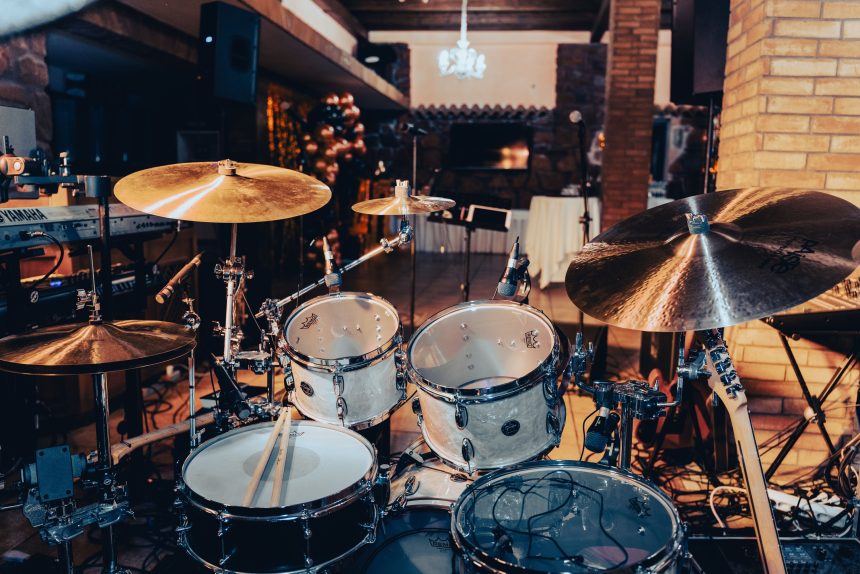
Walk into a Nashville studio on a Tuesday and then a rock tracking session in Los Angeles two days later, and you’d swear the drummer left their entire personality at the door of one room and picked up a different one at the other. Session drummers who work across genres talk about this shift constantly, and it’s not just about hitting things harder or softer. It touches tuning, mic placement, feel, even how much they’re allowed to improvise once the tape starts rolling. The differences aren’t cosmetic. They come from decades of genre-specific expectations that producers, songwriters, and listeners have baked into what “country” and “rock” are supposed to sound like on record. A drummer who ignores those unwritten rules, even a technically brilliant one, can throw off an entire mix.
Groove Placement and the Country Pocket
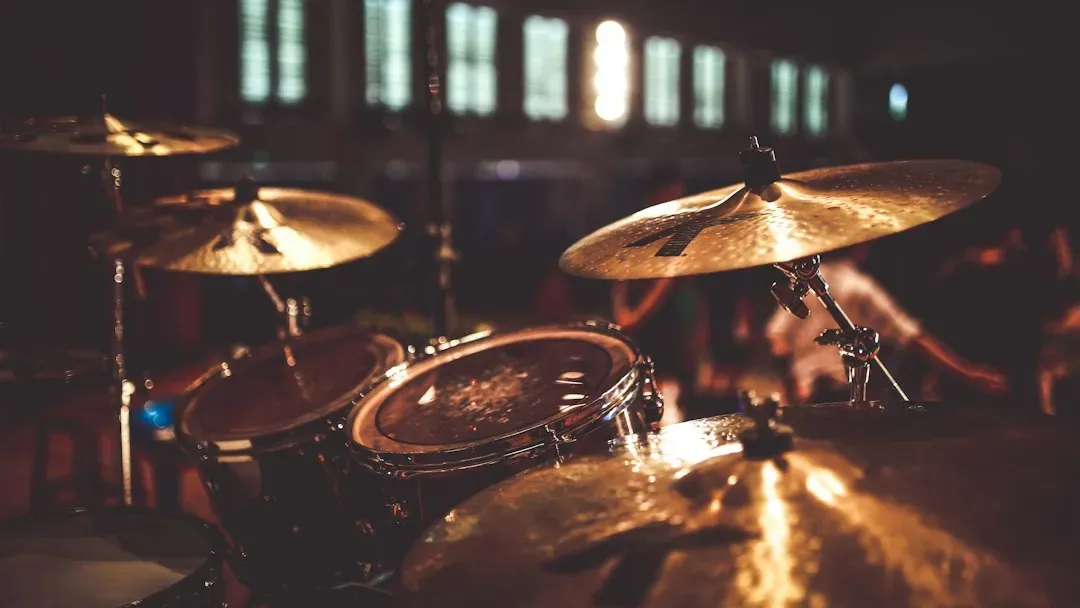
Country records tend to favor a drummer who sits slightly behind or right on the beat rather than pushing ahead of it. This creates what many Nashville players call the “pocket,” a relaxed, unhurried feel that supports the vocal and lyric rather than competing with it. The genre’s storytelling roots mean the drummer’s job is often to stay out of the way until a fill or chorus calls for more presence.
Rock drumming, by contrast, frequently rewards a bit of forward lean, especially in genres like punk-influenced rock or arena rock where energy needs to feel propulsive. Drummers moving between the two often describe consciously dialing back their timing instincts when they walk into a country session. It’s less about slowing down and more about trusting silence and space in a way rock rarely allows.
Kick Drum Patterns and Song Function
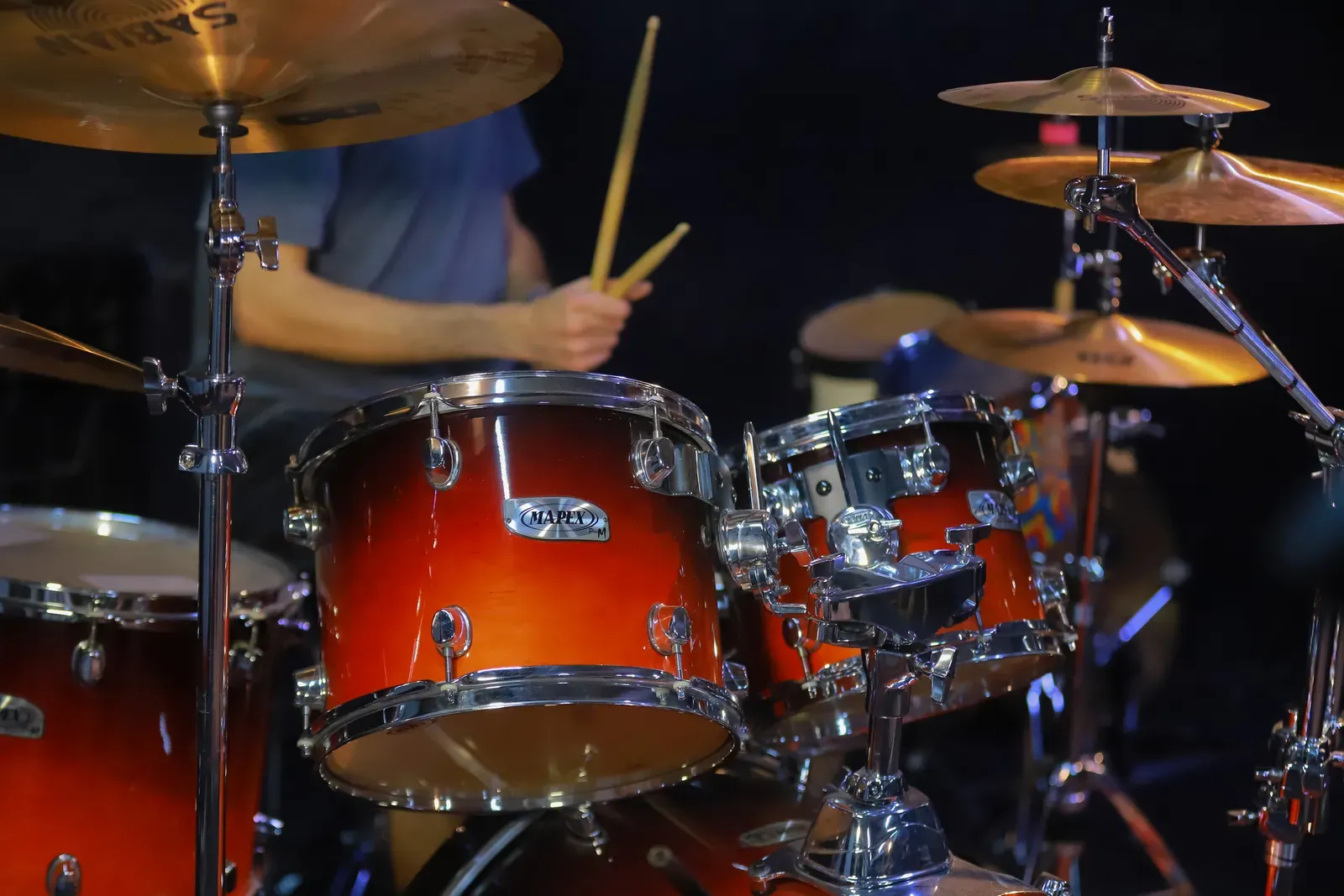
In country music, the kick drum usually locks tightly with the bass line and acoustic guitar strums, creating a pattern that feels grounded and steady rather than flashy. Many contemporary country hits use a four-on-the-floor or simple alternating kick pattern that mirrors the genre’s roots in honky-tonk and bluegrass rhythm sections. The goal is support, not spectacle.
Rock records often ask the kick to do more storytelling on its own, particularly in genres like hard rock or metal-adjacent rock where double kick patterns or syncopated accents drive the song’s intensity. A session player working a rock date might be asked to add extra kick hits during a pre-chorus buildup, something that would feel out of place on a country ballad. The kick becomes an instrument of tension and release rather than a steady foundation.
Snare Tuning and Tonal Character
Country snare tones typically lean toward a crisp, higher-pitched crack that cuts through acoustic instrumentation without overwhelming it. Session drummers often bring multiple snares to a country date specifically because producers want that bright, present sound sitting just under the vocal. A dead or heavily muffled snare rarely works in this context because it swallows the clarity the genre depends on.
Rock sessions frequently call for a fatter, lower snare with more body and sustain, especially in genres influenced by classic rock or modern alternative rock. Drummers sometimes detune the snare or add moon gel to control overtones for a thicker crack that matches distorted guitars. The tonal shift between the two genres is significant enough that some session players keep entirely separate snare cases labeled by genre.
Fill Frequency and Restraint

Country songwriting structures tend to be tight and lyric-driven, which means fills are used sparingly and almost always serve a transitional purpose, moving the listener from verse to chorus without drawing attention to themselves. Overplaying in a country session is one of the fastest ways for a session drummer to get a reputation as difficult to work with. Restraint here isn’t a limitation, it’s the actual skill being hired.
Rock records generally give drummers more room to insert personality through fills, especially in genres where the drummer functions as a co-lead instrument alongside guitar. A driving rock chorus might invite a tom run or crash accent that would feel excessive in a country arrangement. Session players moving between genres often say the hardest adjustment isn’t playing more, it’s remembering when playing less is correct.
Brush Work and Acoustic Textures
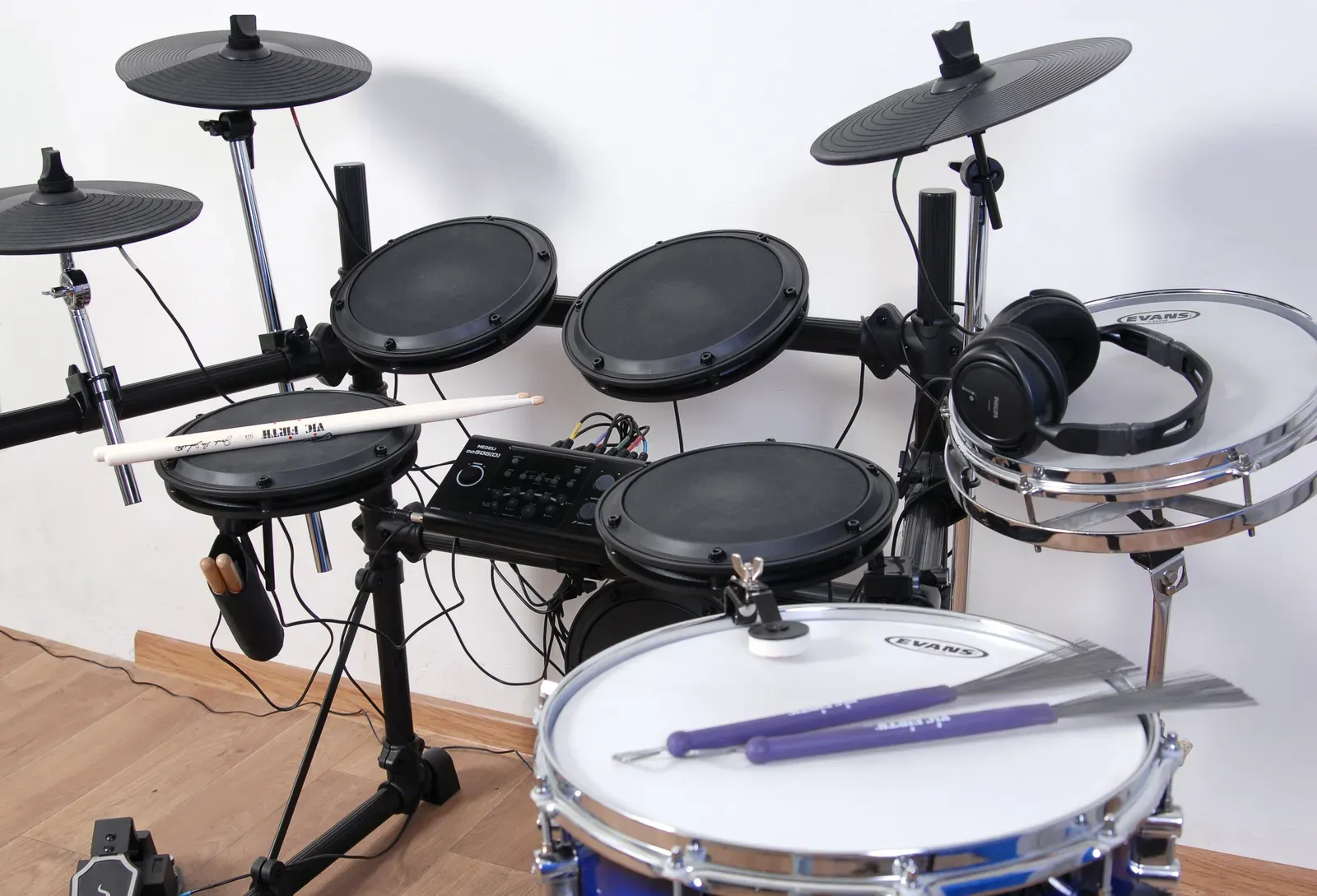
Brushes remain a distinctly common tool in country music, particularly on ballads or mid-tempo tracks where a full stick attack would feel too aggressive against acoustic guitar and pedal steel. The technique requires an entirely different set of muscle memory, producing a soft swirl or subtle backbeat rather than a defined crack. Many session drummers spend years refining brush technique specifically because Nashville studios expect it as a baseline skill.
Rock records rarely call for brushes at all, since the genre’s energy typically demands the volume and attack that only sticks can provide. A drummer who primarily works rock sessions might not touch brushes for months at a time, while a country specialist could use them multiple times in a single week of sessions. This divide alone illustrates how genre expectations shape which techniques stay sharp and which ones fade from regular use.
Dynamic Range Across a Song
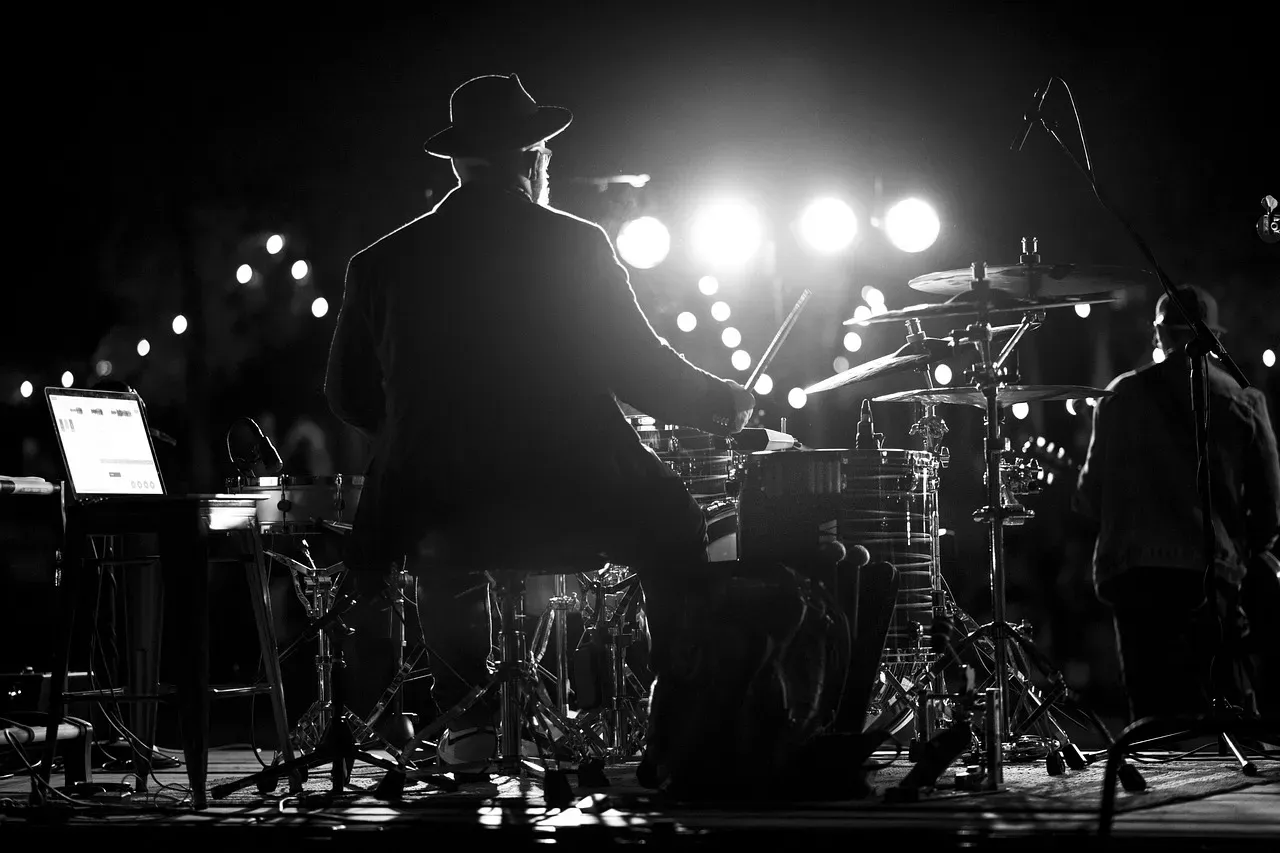
Country arrangements often build dynamics gradually, moving from a stripped-down verse with minimal percussion to a fuller chorus where the drummer adds weight through cymbal choices rather than volume alone. The shifts tend to be subtle, designed to support an emotional lyric arc without ever feeling jarring. Session drummers describe this as painting with a smaller color palette but needing precise control over every shade within it.
Rock records frequently ask for more dramatic dynamic swings, sometimes moving from near silence to full-kit intensity within a few bars to match a guitar-driven buildup. This kind of contrast is common in genres ranging from alternative rock to hard rock, where tension and release define the songwriting structure. Drummers working rock dates often need faster reflexes for dynamic shifts than their country counterparts, since the changes can happen with far less warning.
Cymbal Choices and Sonic Space
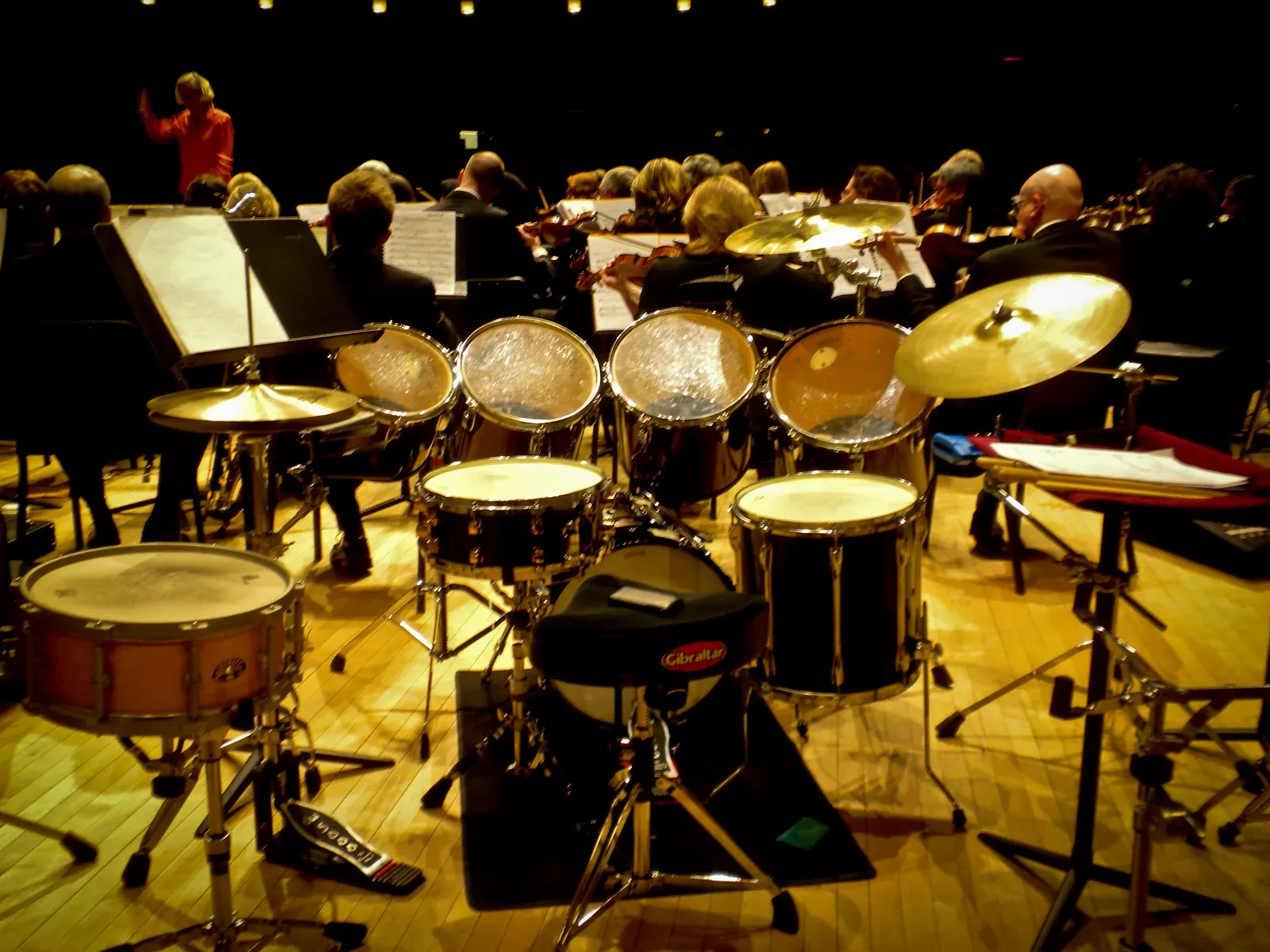
Country productions typically favor smaller, darker cymbals that add texture without cutting too sharply through the mix, since the genre’s arrangements already prioritize vocal and acoustic clarity. Hi-hats often carry more rhythmic responsibility than crashes in this context, ticking along steadily rather than accenting big moments. A session drummer working country dates learns to treat cymbals as seasoning rather than a main flavor.
Rock records generally embrace larger, brighter cymbals capable of cutting through distorted guitars and bass, with crashes playing a much more prominent role in marking song sections. The physical size difference between a typical country cymbal setup and a rock one can be noticeable just looking at the kit before a note is played. Session players sometimes travel with two entirely different cymbal bags depending on which genre they’re booked for that week.
Studio Communication and Producer Expectations
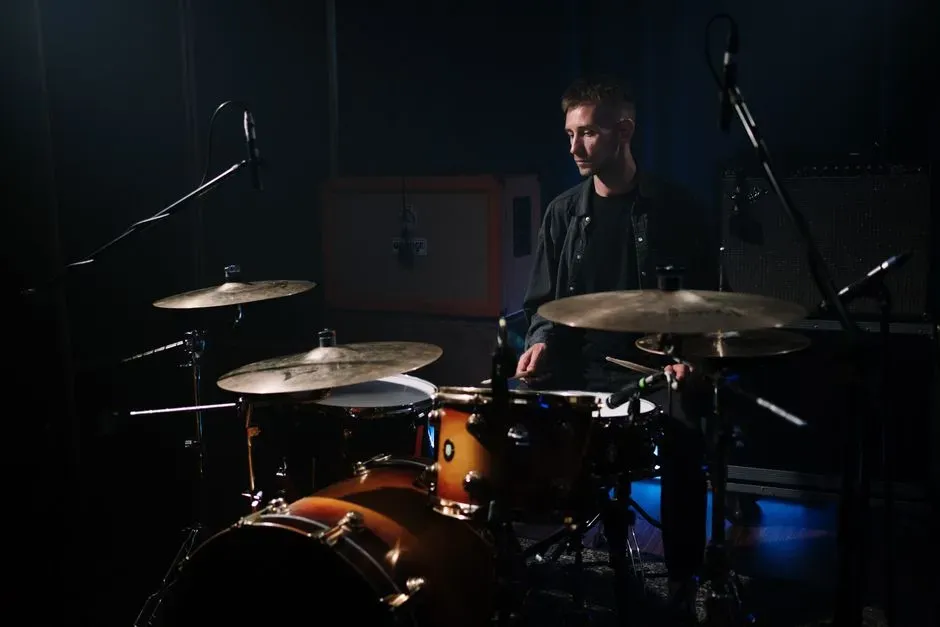
Country sessions in Nashville often operate on a highly structured system where producers and songwriters expect drummers to interpret a demo closely, sometimes replicating programmed drum patterns with human feel rather than reinventing the part. This tradition traces back to the city’s long history of number system charts and quick turnaround sessions where efficiency matters as much as creativity. A session drummer’s reputation in this environment often hinges on how well they can read a room and match intent without needing lengthy explanation.
Rock sessions, particularly in genres with more experimental or alternative leanings, sometimes give drummers wider creative latitude to reshape a part entirely if it serves the song better. Producers in these settings may present a rough idea and ask the drummer to build outward from it rather than replicate something exact. This difference in creative trust shapes not just what gets played but how confidently a session musician approaches the kit in the first place.
Physical Setup and Gear Adaptation
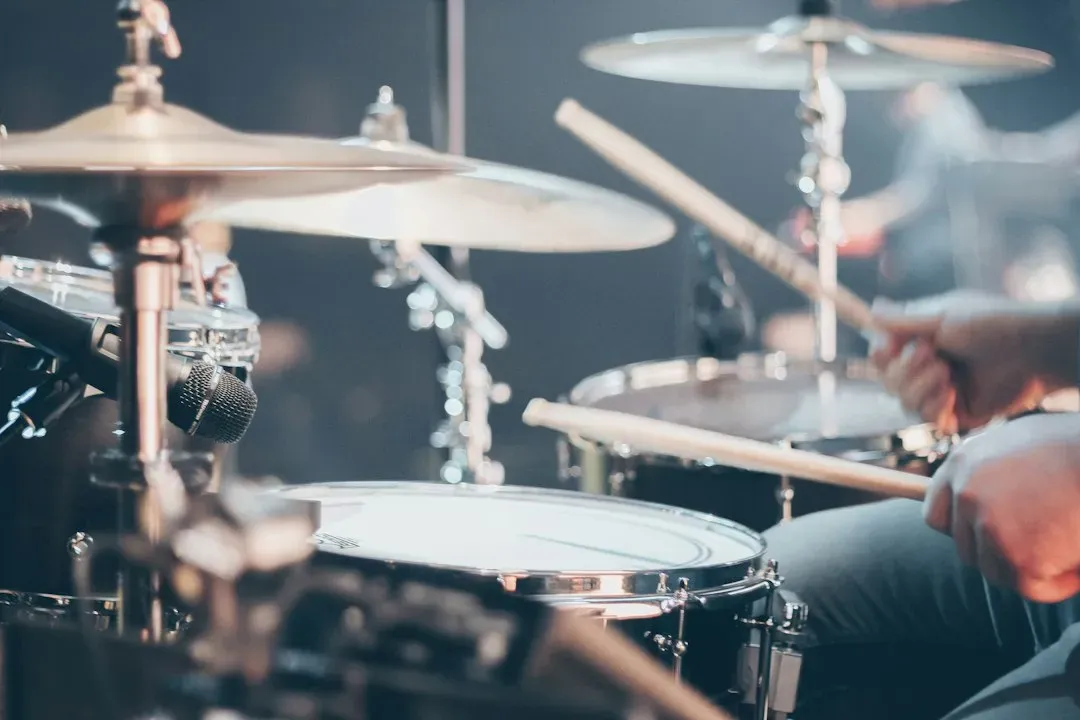
Many touring and session drummers maintain genre-specific kit configurations, adjusting drum sizes, head types, and even stool height depending on whether they’re walking into a country or rock date. Smaller, more resonant drums with coated heads often suit country’s need for warmth and clarity, while deeper shells and thicker heads support the low-end punch rock productions require. These aren’t arbitrary choices, they reflect years of trial and error matching gear to genre expectations.
Beyond the drums themselves, microphone placement and studio setup often differ significantly between the two genres, with country sessions sometimes favoring more room mic blend to capture natural acoustic ambiance. Rock sessions frequently push for tighter, more isolated mic setups to control bleed from louder amplifiers and heavier playing. A session drummer aware of these engineering differences can adjust their dynamics on the fly to work with, rather than against, how the room is being captured.