Every so often, a filmmaker takes a hard left turn that nobody saw coming. One year they’re known for gritty indie dramas, the next they’re steering a nine-figure blockbuster with talking animals or superheroes in capes. These leaps rarely happen by accident. They usually come from a director chasing a story that simply refused to fit their old mold.
What makes these transitions worth studying isn’t just the surprise factor. It’s how often the director’s original sensibility, whatever made their earlier work distinct, ends up quietly reshaping the new genre instead of disappearing into it. The following eight filmmakers each made a genre jump that reordered expectations about what they were capable of.
1. Jordan Peele: From sketch comedy to horror auteur
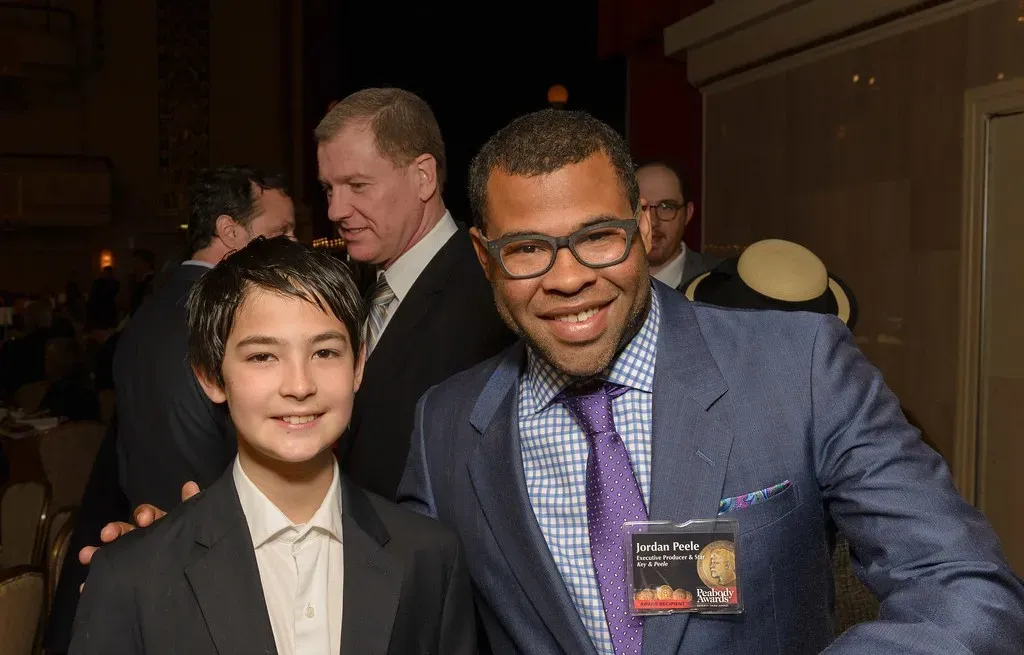
Before “Get Out” hit theaters in 2017, Jordan Peele was known almost exclusively as one half of the sketch comedy duo behind “Key & Peele,” a show built on rapid-fire absurdity rather than dread. His shift into horror looked, on paper, like a strange career detour for a comedian with no directing credits in the genre. Instead, “Get Out” became a cultural event, using social tension as the engine for its scares rather than as background texture.
Peele followed it with “Us” and “Nope,” each one leaning further into big-swing horror concepts while keeping a satirical edge that traces directly back to his comedy roots. His track record now suggests the pivot wasn’t really a departure from comedy at all, but an extension of the same instinct for reading a room and subverting it. Few directors have moved between genres this cleanly while keeping such a consistent authorial voice.
2. Chloé Zhao: From quiet indie westerns to Marvel spectacle
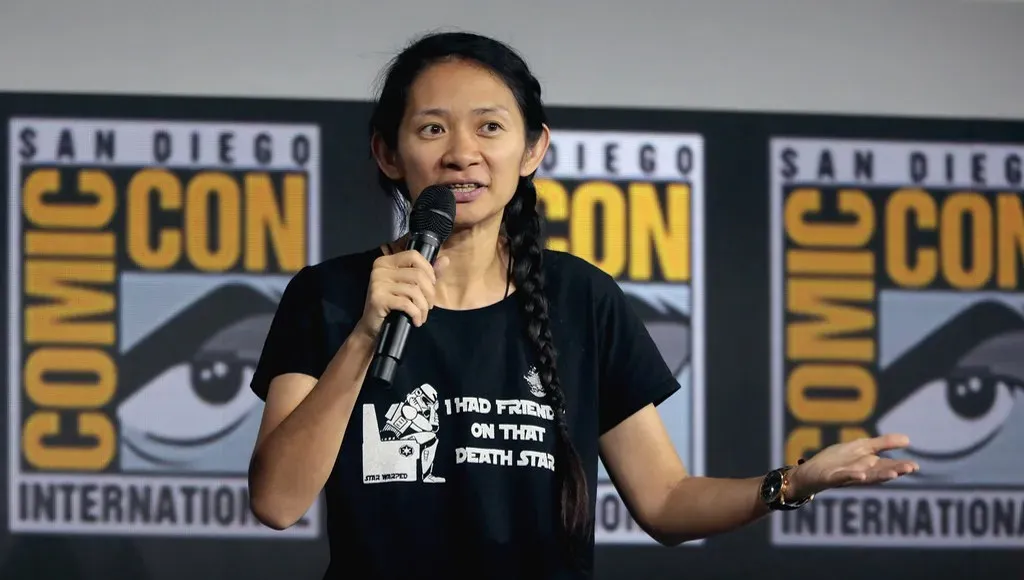
Chloé Zhao built her reputation on intimate, observational films about life on the margins of American society, work that initially became known for her absorbing and closely observed movies about journeys of self-discovery set in the American West, delving into rarely explored strata of American society, including life on Native American reservations. That approach reached its peak with “Nomadland,” which won numerous awards, including the Academy Award for best picture, and Zhao became the second woman to win the Oscar for best director.
Then came the announcement that she would direct “Eternals,” a cosmic-scale entry in the Marvel Cinematic Universe. As one review at the time put it plainly, “the director of ‘Eternals,’ the new Marvel extravaganza, is none other than Chloé Zhao, the indie auteur whose last film was the microbudgeted ‘Nomadland.'” Britannica later summarized the arc simply: Zhao later branched out into other genres, including comic-book action (Eternals [2021]) and period drama (Hamnet [2025]), proving the Marvel detour was part of a broader pattern rather than a one-off experiment.
3. Barry Jenkins: From “Moonlight” to the Pride Lands
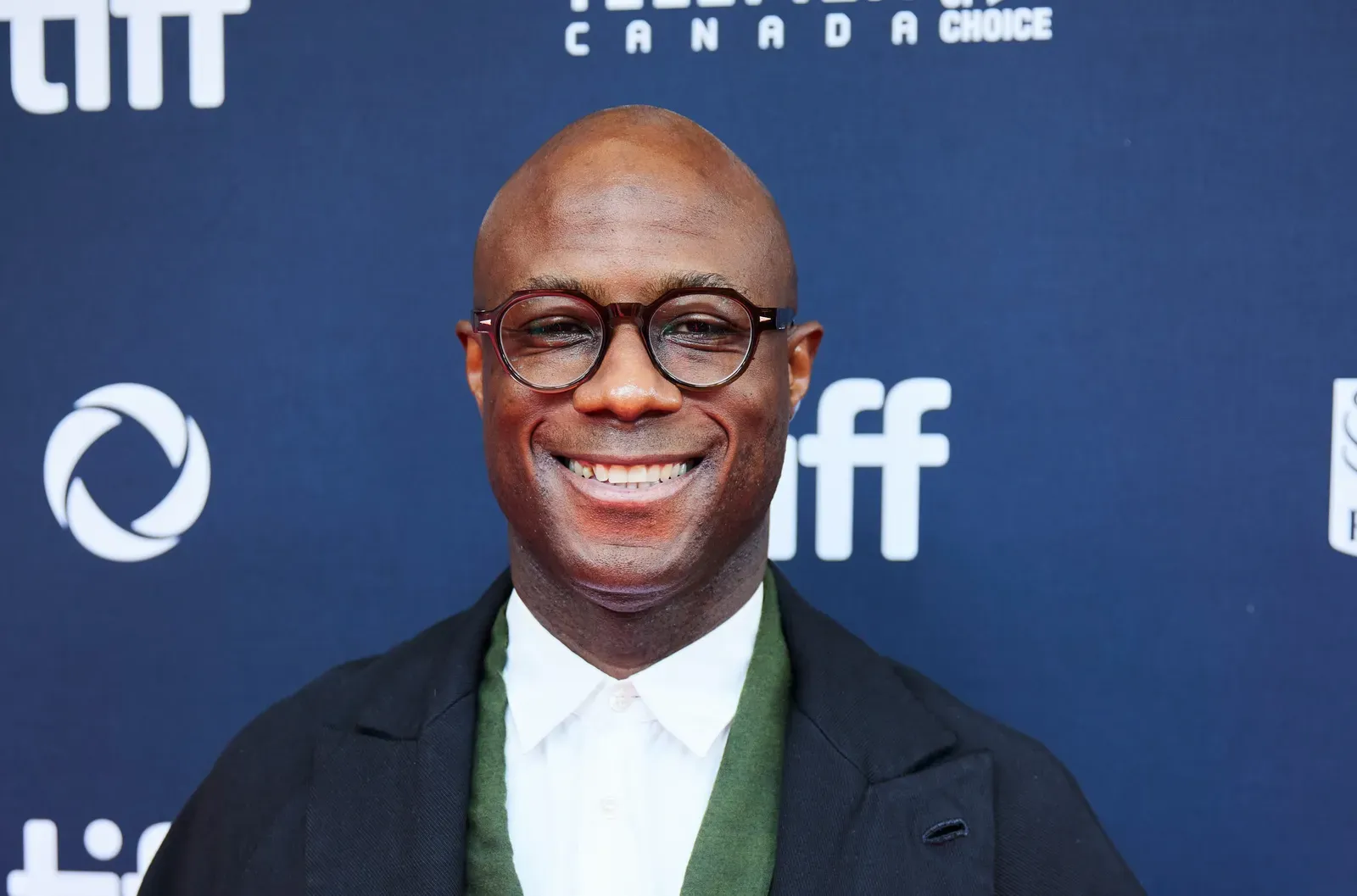
Barry Jenkins won an Oscar for the deeply personal, visually poetic drama “Moonlight,” a film built on close, handheld intimacy rather than spectacle. So when Disney announced he would direct “Mufasa: The Lion King,” a photorealistic CGI prequel using the same virtual production tools pioneered by Jon Favreau, the reaction was one of genuine surprise. One report noted that “for many, the idea that Jenkins would pivot from his usual filmmaking to focus on a live-action Disney prequel is cause for a bit of whiplash,” since Jenkins is known for his emotionally-nuanced portrayals of the human experience.
Jenkins himself acknowledged the strangeness of the fit, later admitting that the hands-on style he’d built his career on clashed with the demands of a fully digital production. Yet critics noted flickers of his signature sensibility surviving the transition, with one review observing that “Jenkins’ bone-deep commitment to drawing out sexual tension on screen” persisted even in the family film, in ways that “brandishes earnest flecks of ‘Moonlight'”. The film, released in December 2024, became one of the more talked-about examples of an art-house director absorbed into a franchise machine.
4. Taika Waititi: From vampire mockumentary to Marvel’s Thor
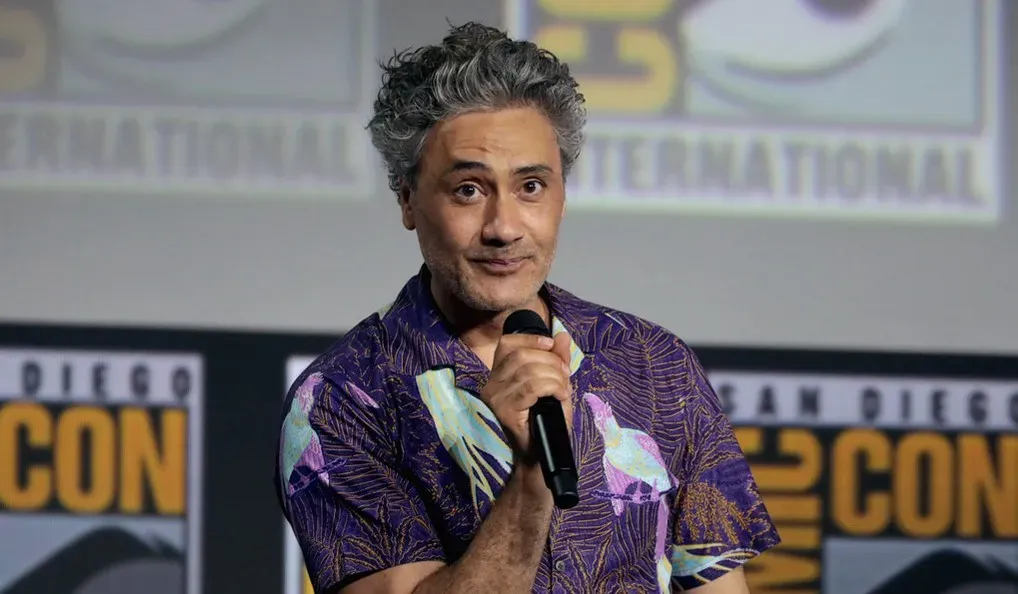
Taika Waititi spent years cultivating a specific brand of deadpan, low-budget New Zealand comedy, most notably with the mockumentary “What We Do in the Shadows,” which he co-directed and co-wrote about mismatched vampires sharing a flat. He was famously resistant to conventional Hollywood work, having reportedly bailed on the Disney princess film Moana after writing a first draft in favor of making the vampire mockumentary with fellow Kiwi Jemaine Clement, since his stated fear was becoming a hired gun in the studio system.
That made his hiring to direct “Thor: Ragnarok” in 2017 an unlikely turn, yet it reshaped the character’s entire tone within the Marvel Cinematic Universe. His comic sensibility became the film’s defining feature, with one profile noting that Waititi turned what had been a stoic franchise into something closer to “Escape From New York meets Doctor Strange, with all the subtlety that mashup implies”. The pivot worked well enough that it effectively rebooted the Thor franchise’s identity going forward.
5. Denis Villeneuve: From Quebec dramas to sci-fi epics
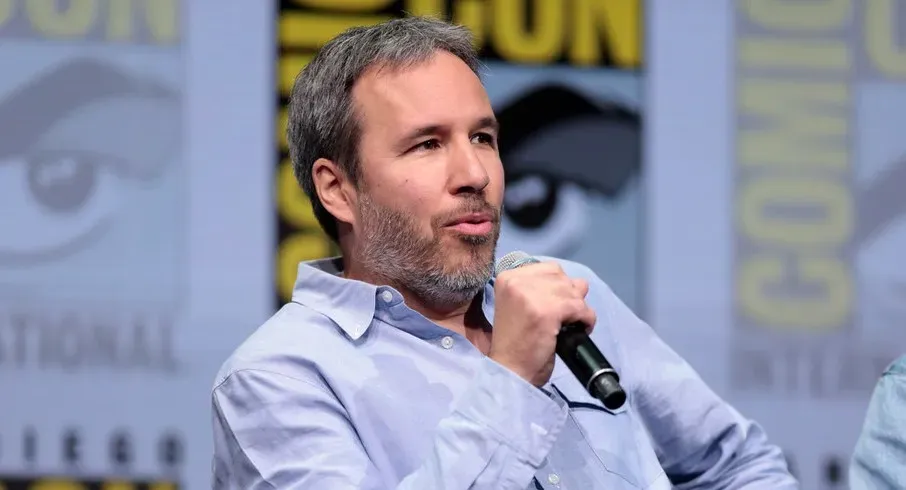
Denis Villeneuve’s early career was built almost entirely on French-language Canadian dramas, films rooted in intimate, often painful realism. His breakout, “Incendies,” was a 2010 Canadian war tragedy film about a family unraveling generations of hidden trauma, work that earned him serious festival credibility but gave no obvious hint of a future in blockbuster science fiction.
That changed as he moved into English-language thrillers before making a full leap into speculative epics. As one industry summary put it, Villeneuve gained wider recognition for directing science fiction films, with Arrival earning him an Oscar nomination for Best Director, followed by Blade Runner 2049, and then Dune and Dune: Part Two. What started as a stylistic gamble turned into arguably the defining phase of his career, with “Dune: Part Two” grossing over seven hundred million dollars worldwide and a third installment now set for release in December 2026.
6. Greta Gerwig: From coming-of-age indies to Barbie’s pink world
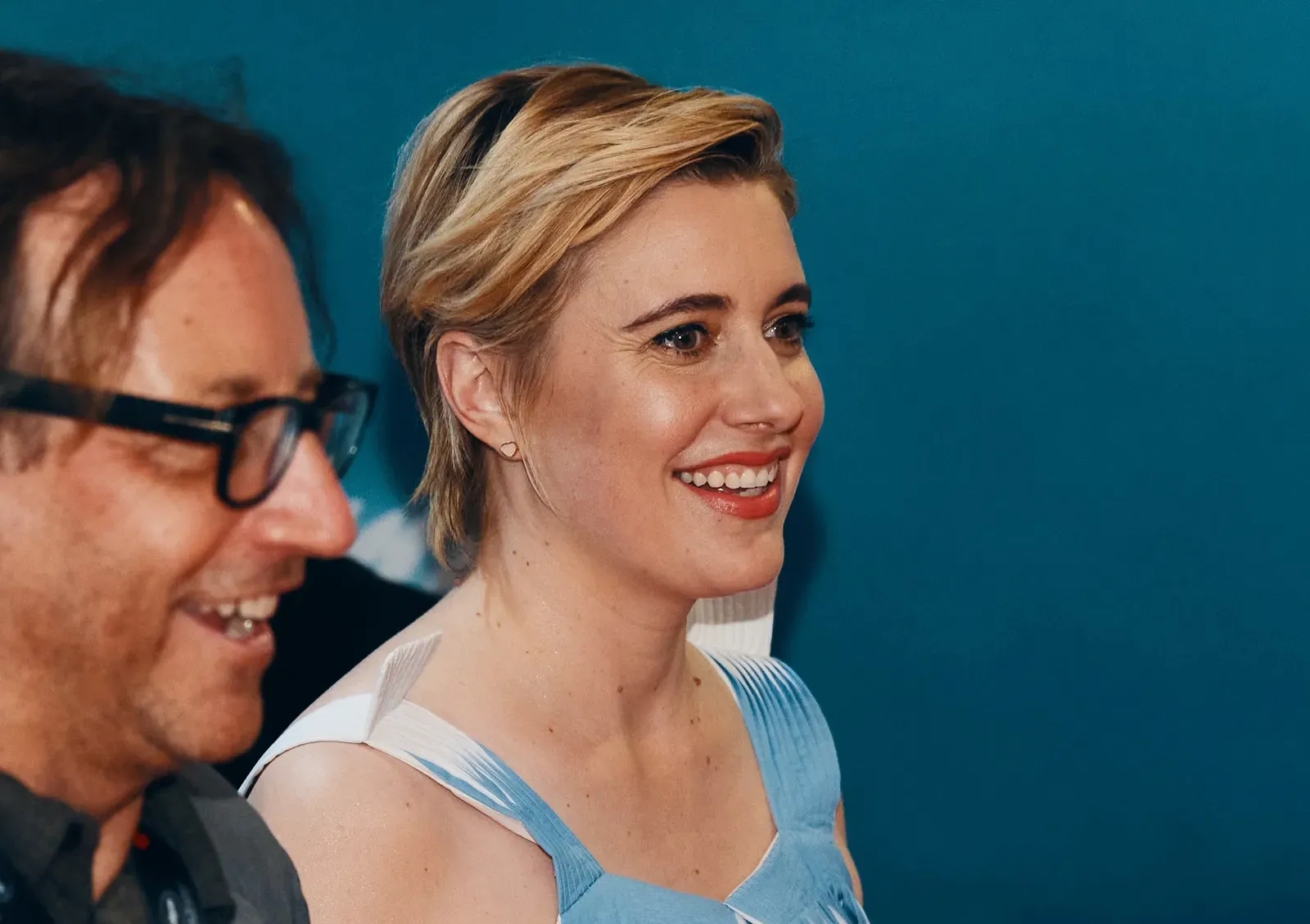
Greta Gerwig established herself as a writer-director with a precise, personal touch through films like “Lady Bird” and “Little Women,” both grounded, character-driven stories about girlhood and family. Nothing in that filmography suggested she would eventually direct a feature-length film about a plastic doll manufactured by Mattel, yet that is exactly what happened with “Barbie” in 2023.
The pivot raised eyebrows across the industry, with plenty of commentary framing it as a test of whether an acclaimed indie filmmaker could survive contact with a massive corporate IP. Gerwig answered that question decisively, folding her interest in identity and self-perception, themes present throughout her earlier work, into a film that became a genuine cultural phenomenon rather than a compromised studio product. It remains one of the more striking examples of a director expanding scale without abandoning voice.
7. Kathryn Bigelow: From action thrillers to war-on-terror realism
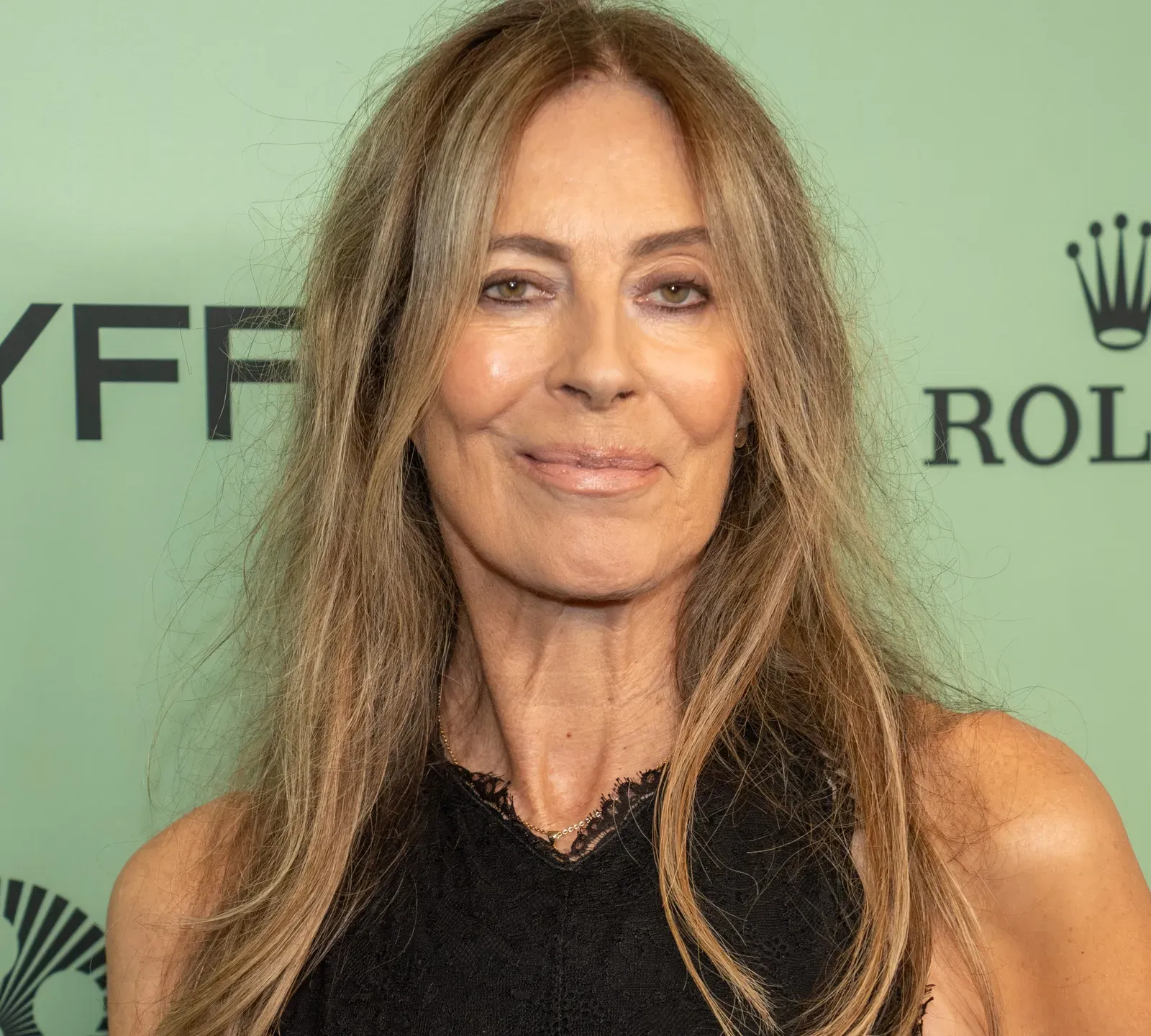
Kathryn Bigelow spent the early part of her career defined by kinetic, adrenaline-driven action films, most famously “Point Break,” a surf-heist thriller built on stylized set pieces and larger-than-life characters. It was a genre she clearly understood, but one that gave little indication of the sober, procedural filmmaking she would later become known for.
That shift arrived with “The Hurt Locker” and then “Zero Dark Thirty,” a methodical dramatization of the decade-long hunt for Osama bin Laden. The latter film’s technical ambition was significant enough that its cinematographer’s earlier work became a direct reference point for other filmmakers, with one report noting he used infrared cinematography during Kathryn Bigelow’s Oscar-winning thriller Zero Dark Thirty to illuminate night-vision raid sequences, a peculiar and ghostly effect later borrowed for entirely different films. Bigelow’s move from popcorn action to restrained, journalistic realism marked one of the more respected reinventions in modern American cinema.
8. George Miller: From “Mad Max” mayhem to talking pigs and penguins
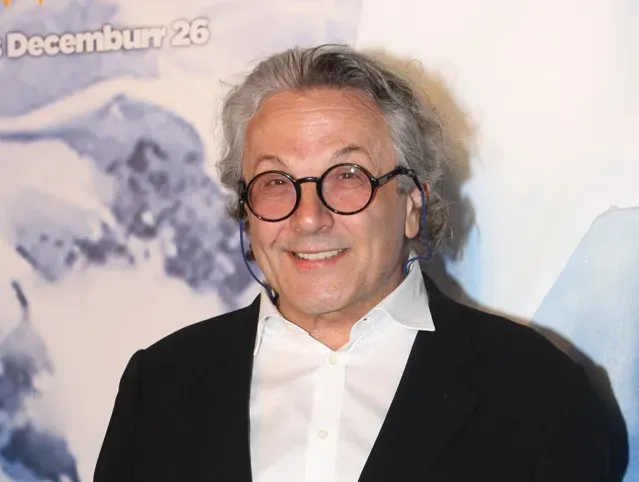
George Miller’s name is inseparable from “Mad Max,” the post-apocalyptic action series he created after leaving a career in emergency medicine. His early filmography was defined by high-speed vehicular carnage, a template so specific that few would have predicted his next major move, yet Miller went on to write and produce “Babe,” a gentle family film about a pig who dreams of herding sheep.
He followed that with “Happy Feet,” an animated musical about tap-dancing penguins, for which he won the Academy Award for Best Animated Feature. Far from a permanent departure, this detour into family entertainment fed back into his later action work, as one retrospective observed, noting that the embrace of digital effects and CG animation on those family films afforded Miller the chance to re-establish his storytelling credentials, directly shaping the transformed, CG-driven Wasteland he later brought to the Mad Max franchise. That circular path eventually led back to “Mad Max: Fury Road” and “Furiosa,” proving that his detour through gentler genres was never really a departure at all.
Taken together, these eight cases show that genre pivots rarely happen out of restlessness alone. They tend to follow a specific script, story, or creative challenge that a director simply couldn’t turn down, even when it meant stepping into unfamiliar territory with no guarantee of success. What ties these examples together isn’t recklessness but a kind of quiet confidence, the sense that a strong directorial voice can survive almost any change of scenery.