Long before streaming apps and stadium seating, families packed into station wagons and pickup trucks to watch movies under the open sky. That ritual never fully disappeared. A small handful of drive-ins built during the postwar boom, and even a couple from the 1930s and 1940s, are still running projectors and selling popcorn today, decades after most of their contemporaries were bulldozed for shopping centers and warehouses. What follows is a look at eight of these survivors, places that have quietly outlasted changing technology, shifting real estate values, and the rise and fall of the multiplex.
Shankweiler’s Drive-In Theatre, Orefield, Pennsylvania
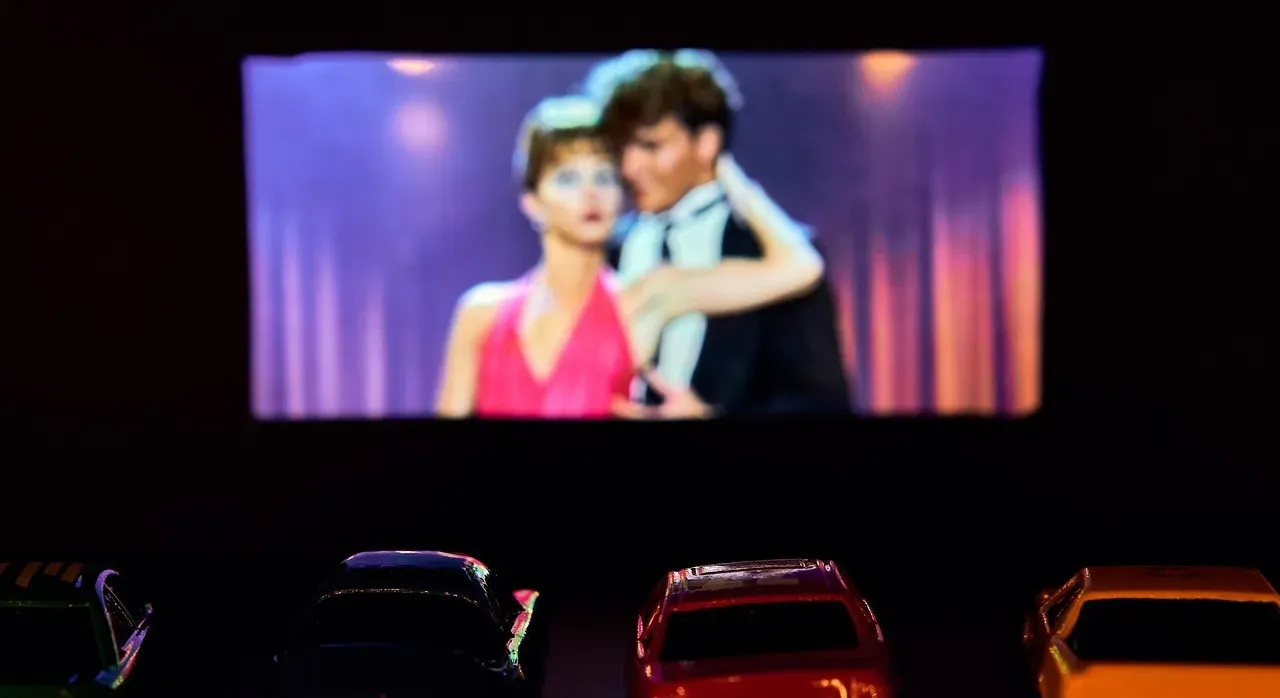
Shankweiler’s holds a claim that no other American drive-in can match. Wilson Shankweiler, a prominent hotel owner and movie fan, opened Pennsylvania’s first drive-in on April 15, 1934, in Orefield, originally called Shankweiler’s Park-In Theatre. That made it the first drive-in theater to open in the state of Pennsylvania and the second drive-in theater to open in the entire United States.
The original setup was famously humble. When the drive-in opened, the screen was described as “a bedsheet hung between two poles.” Nearly a century later, the theater has kept adapting rather than fading away. In November 2022, new owners bought the property and resumed operations, reopening it year-round, and in April 2024 the drive-in celebrated its 90th anniversary.
66 Drive-In, Carthage, Missouri
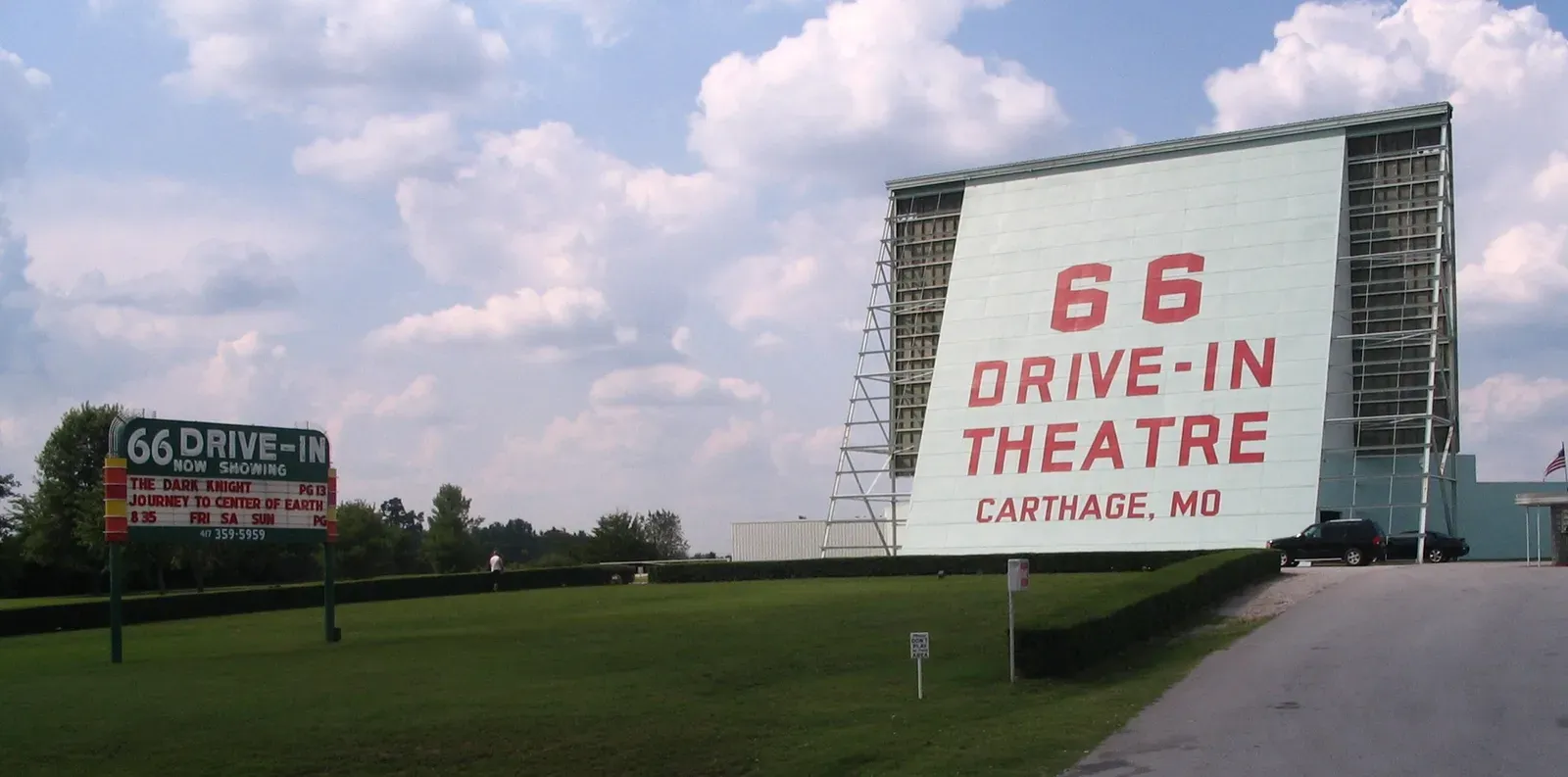
Sitting right along historic Route 66, this drive-in has become a symbol of the road itself. Located on Old 66 Boulevard, the 66 Drive-In, with its original neon sign, is listed in the National Register of Historic Places, and the theater opened in 1949. That listing recognizes it as one of the country’s architecturally and historically notable outdoor cinemas, a rare survivor from the very peak of the drive-in era.
Unlike many theaters from that period, it never went dark for good, continuing to draw travelers and locals who want a taste of mid-century Americana with their double feature. Its neon marquee still lights up the Missouri sky the way it did when Harry Truman was president, a detail that road-trippers on the Mother Road tend to appreciate more than most.
Bengies Drive-In Theatre, Middle River, Maryland
Bengies is not just old, it is enormous. Bengies Drive-In is a drive-in theater in Middle River, Maryland, a suburb of Baltimore, with the largest movie screen remaining in the United States. The drive-in opened on June 6, 1956, exactly 23 years after Richard Hollingshead opened the very first drive-in theater.
The theater marked its 70th season in 2026 with a summer-long celebration. Bengies continued showing movies through the fall as part of its 70th anniversary season, selling commemorative pins and t-shirts, and planning an all-night movie marathon during Labor Day weekend. Owner D. Vogel, whose family has run the business since it opened, has managed the theater since 1988 and still opens every show with the national anthem playing over the theater’s own FM broadcast.
Hull’s Drive-In, Lexington, Virginia
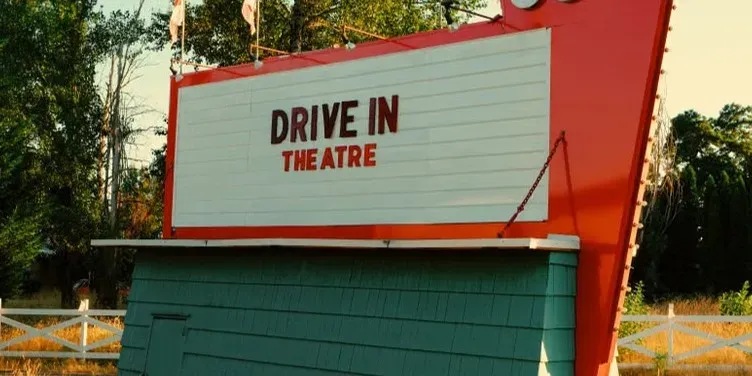
Hull’s tells a story of community rescue as much as longevity. The theater opened on August 6, 1950, as the Lee Drive-In, owned by Mr. Waddey C. Watkins of Roanoke. In August 1957, Mr. Sebert Hull assumed ownership, and he and his wife ran the newly renamed Hull’s Drive-In for the next four decades.
When the theater closed after 1998, residents refused to let it disappear. A local nonprofit group formed that dark summer, calling themselves Hull’s Angels, with the goal of saving Hull’s Drive-In Theatre. Today it operates as one of the seven drive-in theatres still currently operating in Virginia, and one of only two nonprofit drive-in theaters in the United States.
Auto-Vue Drive-In Theatre, Colville, Washington

Way out in the Pacific Northwest, the Auto-Vue has quietly become a regional landmark simply by refusing to close. Opened in 1954, it is described as the last drive-in in Eastern Washington. That distinction matters more with each passing decade, since it means the theater now serves as the only option of its kind across a huge stretch of the state.
Small-town drive-ins like this one tend to survive because they become part of the local identity rather than a business that has to compete on flash alone. Families in the Colville area still plan summer evenings around whatever double feature happens to be playing that weekend, much as they did when the Eisenhower administration was in office.
Barco Drive-In, Missouri
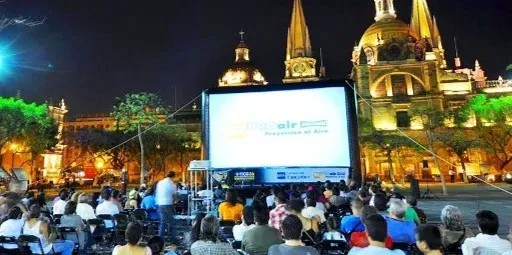
Originally built to serve a different name, this Missouri theater has quietly become one of the longest continuously running outdoor cinemas in its state. Originally named the Sunset Drive-In when it opened in 1951, the drive-in operated until 1998. Under new ownership and a new name, it reopened and kept the tradition alive rather than letting the property go the way of so many others from that era.
Its milestone did not go unnoticed locally. The Barco Drive-In, the longest continuously running drive-in movie theater in Missouri, celebrated its 75th anniversary in 2024, and the drive-in shows family-friendly double features. That kind of programming, built around films the whole family can watch together, has become something of a survival strategy for drive-ins trying to stay relevant seventy-plus years after they first opened.
Mahoning Drive-In Theater, Lehighton, Pennsylvania
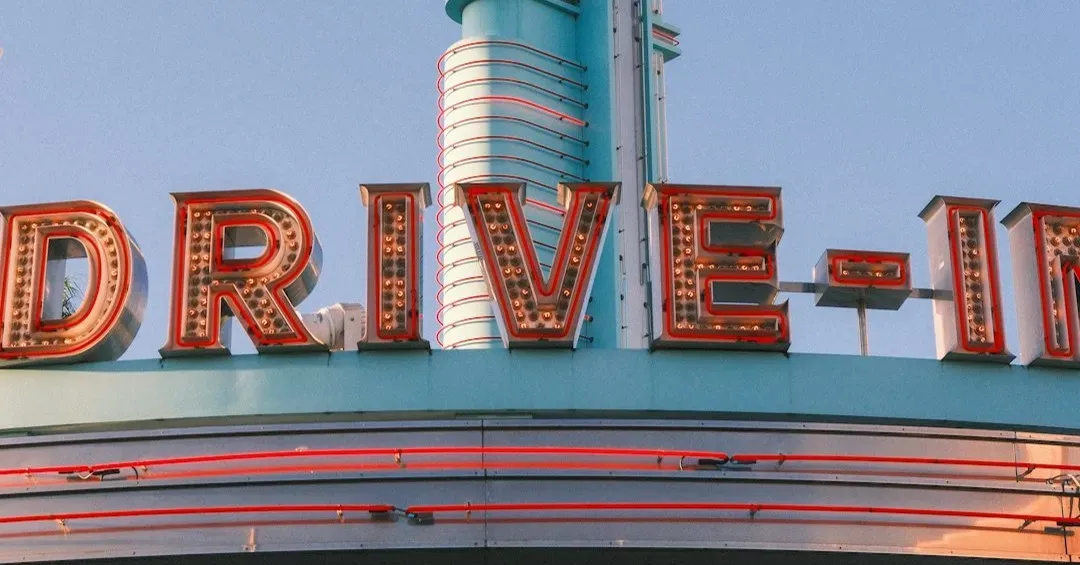
Pennsylvania seems to have a particular knack for keeping its old drive-ins running, and Mahoning is another example. According to historical listings, the theater dates to 1949, placing it firmly among the small group of outdoor cinemas that have crossed the seven-decade mark without shutting down for good. It sits not far from Shankweiler’s, giving the Lehigh Valley region an unusually dense cluster of long-running drive-ins for such a small area.
What sets Mahoning apart from many of its peers is its reputation among film enthusiasts for showing movies on actual 35mm film rather than switching entirely to digital projection, a choice that has made it something of a pilgrimage site for cinephiles. That commitment to older projection technology, paired with its 1949 opening date, gives the theater a dual claim to nostalgia: it preserves both the drive-in experience and the film format that originally defined it.
Historic Route 11 Drive-In Theatre, Stephens City, Virginia
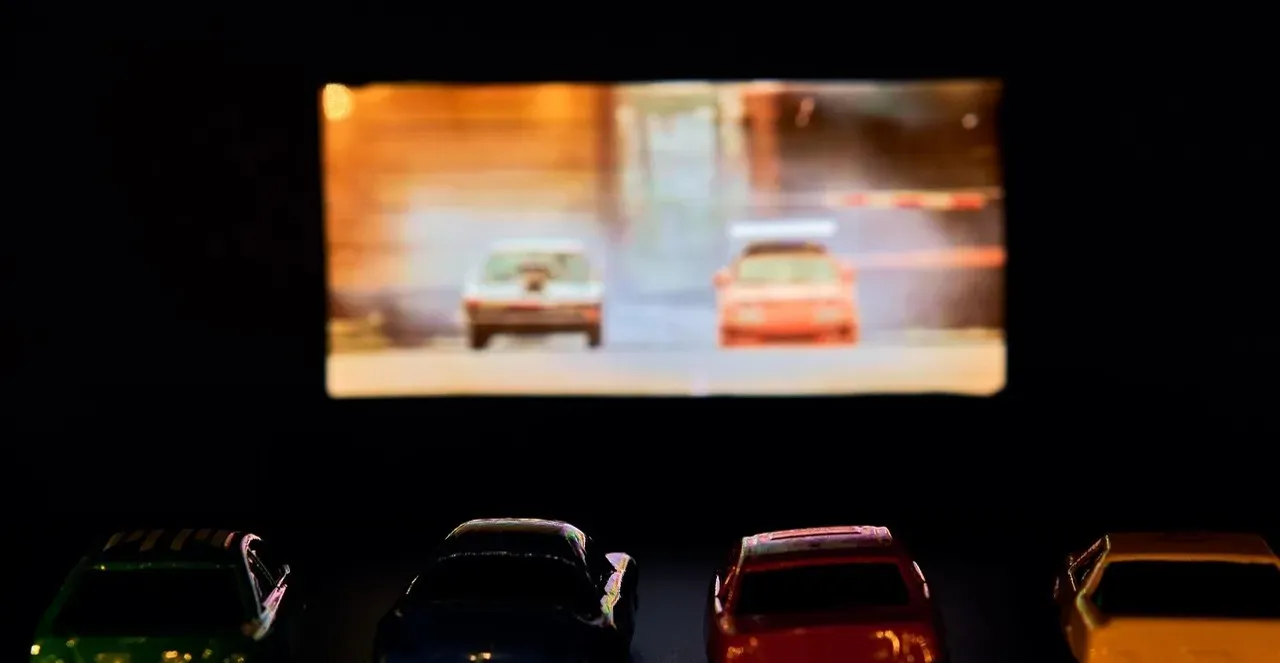
Formerly known as the Family Drive-In Theatre, this Virginia venue has been through a recent identity change even as its age keeps climbing. Records list the theater as opening in 1956 in Stephens City, Virginia. A party marking the theater’s 70th anniversary took place in 2026.
The rebrand came after a change in ownership rather than any interruption in operations. An investor purchased the property with plans for a management company to continue operating the theater beginning in spring 2026, and in March 2026 the business was rebranded to the Historic Route 11 Drive-In Theatre after the previous owner refused to allow the new owner to continue using the Family Drive-In Theatre name. Despite the paperwork changes, the screen has kept lighting up, and the theater remains part of one of six remaining drive-in theaters in Virginia.
Taken together, these eight theaters show that survival in this business has rarely been about staying frozen in time. Each one has swapped speakers for FM radio, film reels for digital projectors, and in some cases entire ownership groups, while still holding onto the basic idea that a car, a screen, and an open field can be enough for a good night out. That combination of stubbornness and adaptability is probably the real reason any of them made it past seventy years at all.