Walk into any British bookshop and you’ll find shelves of writers who feel deeply woven into the national story. Their books are set on English lanes, in London flats and on school playgrounds. It’s easy to assume they were all born within a few hundred miles of each other.
Birth certificates tell a messier story. Some of the best known names in English language writing first opened their eyes in Asia, the Caribbean, Oceania or the Middle East. Here are eight of them, and how their early lives shaped what they wrote.
Rudyard Kipling
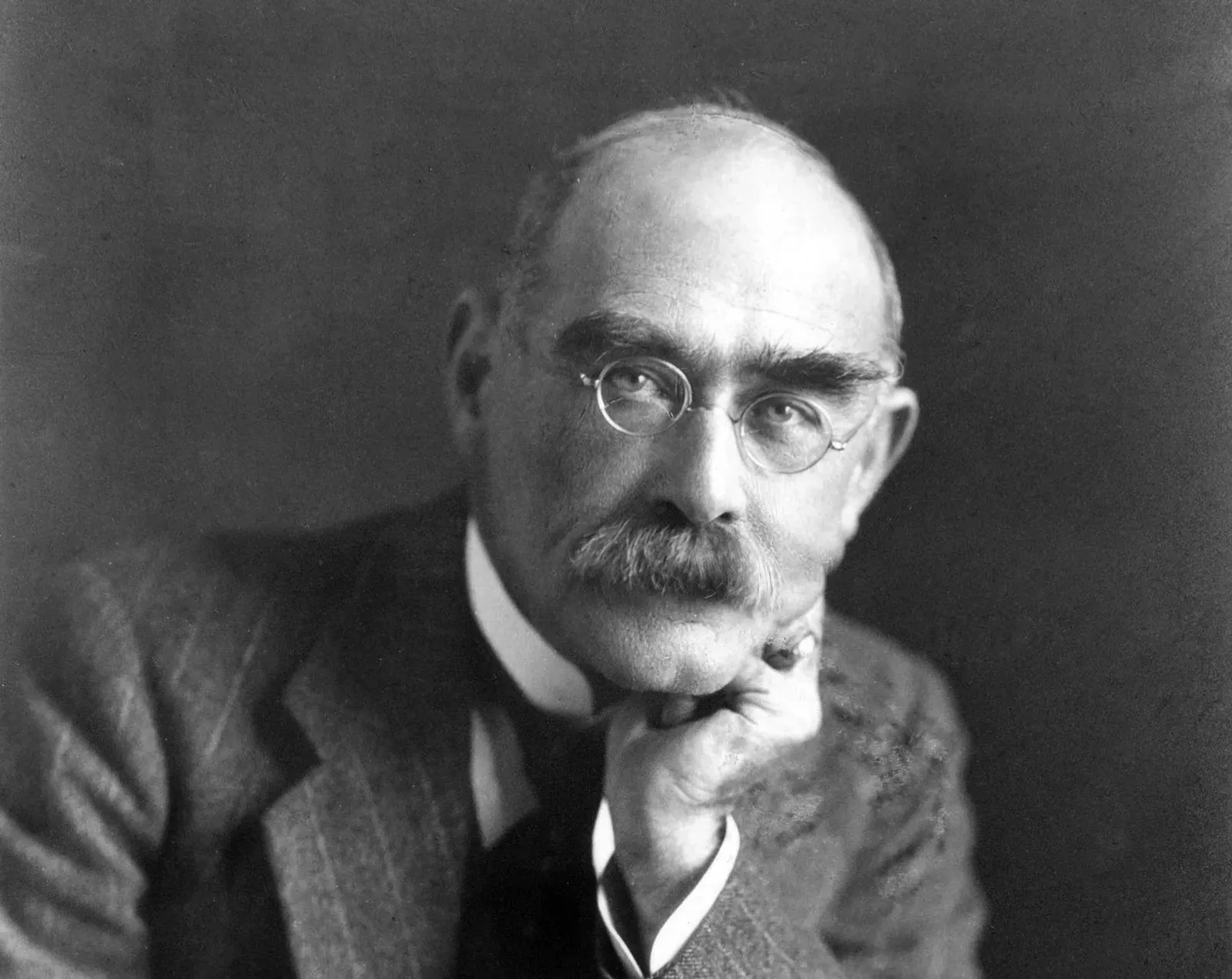
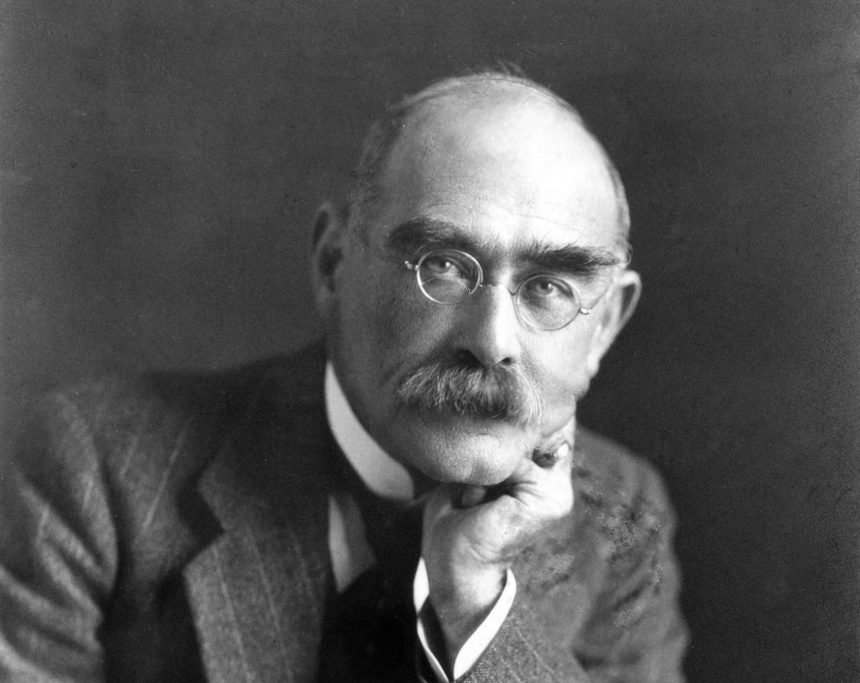
Kipling was born in Bombay in December 1865, where his father worked as an art teacher and museum curator. He spent his earliest years surrounded by Indian languages and household servants, and he later said the sounds of that childhood stayed with him. At about five, he was sent to England to live with a foster family in Southsea, an experience he described bitterly in later writing.
That split between two worlds runs through The Jungle Book, published in 1894, and through Kim. In 1907 he won the Nobel Prize in Literature, and he remains the youngest person to have received it, at forty one. Many readers picture him as a pure product of English country life, yet India gave him his richest material.
George Orwell
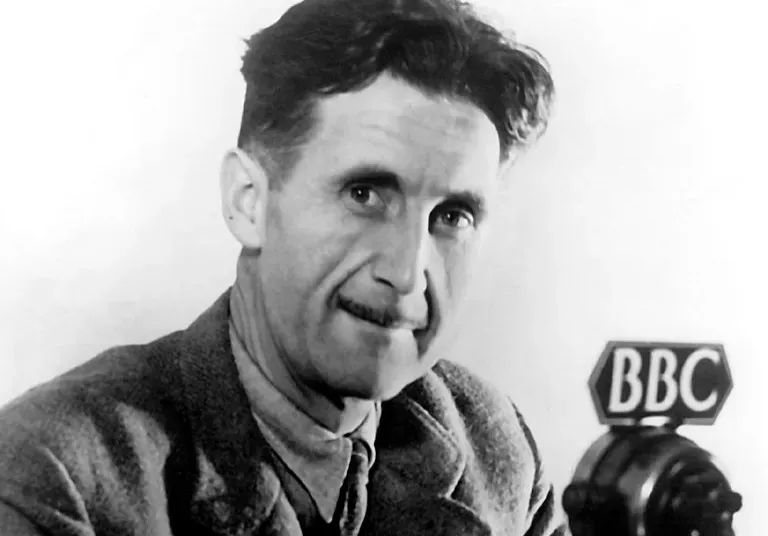
Few writers seem more English than Orwell, with his essays on tea, pubs and the English climate. Still, he was born Eric Arthur Blair in 1903 in Motihari, in British India. His father worked in the Opium Department of the Indian Civil Service, and the family moved to England when Eric was very young.
He went on to Eton and then served in the Indian Imperial Police in Burma from 1922 to 1927. That posting fed his essay Shooting an Elephant and his novel Burmese Days. His famous political works, Animal Farm in 1945 and Nineteen Eighty Four in 1949, came later, but his view of empire was shaped far from home.
Doris Lessing
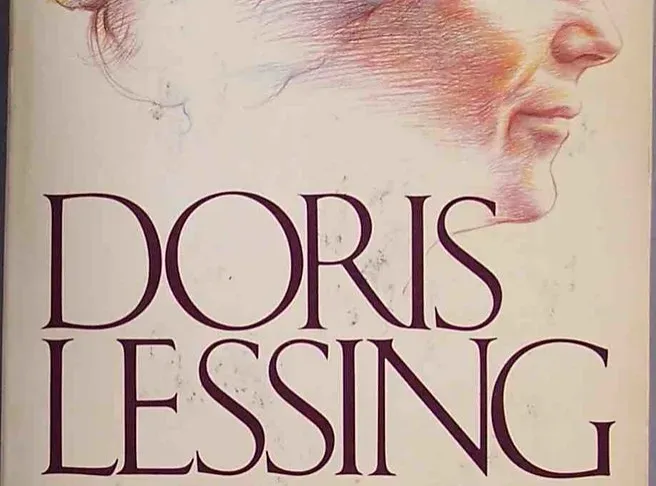
Lessing was born in 1919 in Kermanshah, in what was then Persia and is now Iran. Her British parents later moved the family to Southern Rhodesia, today’s Zimbabwe, where she grew up on a farm. She left school early and educated herself largely through reading.
She moved to London in 1949, carrying the manuscript of her first novel, The Grass Is Singing. The Golden Notebook followed in 1962 and became a landmark of twentieth century fiction. In 2007 she received the Nobel Prize in Literature at the age of eighty seven, a fact often cited as a record for the oldest winner at that time.
Jean Rhys
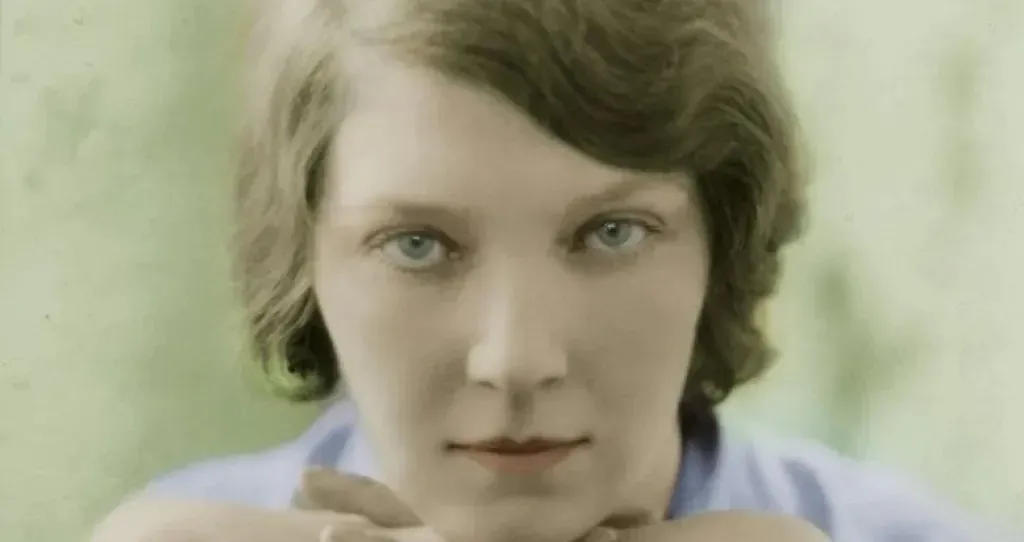
Rhys was born Ella Gwendolen Rees Williams in 1890 in Roseau, Dominica. Her father was a Welsh doctor and her mother was a white Creole with roots on the island. At sixteen she sailed to England, where she felt like an outsider from the start.
Partner offer
Her early novels about lonely women in London and Paris earned modest attention. Then came Wide Sargasso Sea in 1966, which imagines the backstory of the first Mrs Rochester from Jane Eyre. The book won the W. H. Smith Literary Award in 1967 and is now widely taught as a Caribbean response to a British classic.
Katherine Mansfield
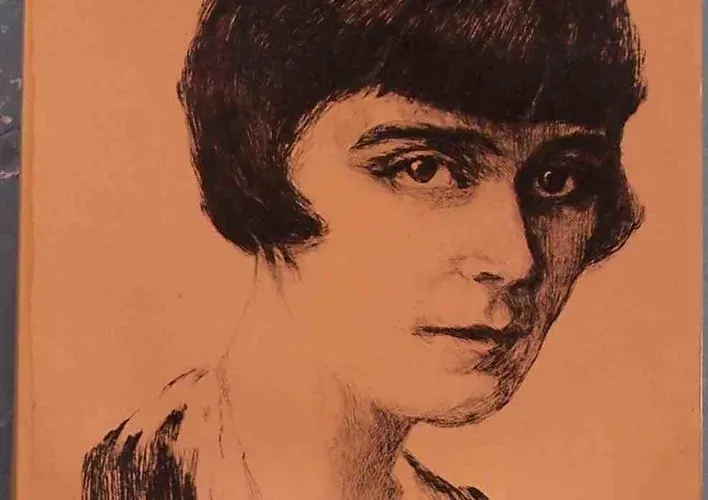
Mansfield was born Kathleen Beauchamp in Wellington, New Zealand, in 1888. She came to London in 1903 to attend Queen’s College, returned home briefly, then left New Zealand for good in 1908. Her memories of the country, especially her family’s home life, would fuel some of her finest stories.
She became a central figure in London literary circles and a friend of Virginia Woolf, and her collections include Bliss and The Garden Party. She died in France in 1923 at only thirty four, of tuberculosis. Because she worked and lived in Britain and Europe, many readers place her firmly among English modernists.
V. S. Naipaul

Vidiadhar Surajprasad Naipaul was born in 1932 in Chaguanas, Trinidad, into a family of Indian descent. A scholarship took him to University College, Oxford, in 1950, and he settled in England afterward. He spent most of his adult life in Wiltshire, which helps explain why he’s often labelled a British writer.
His comic and sorrowful novel A House for Mr Biswas appeared in 1961 and drew heavily on his Trinidadian upbringing. He was knighted in 1990 and won the Nobel Prize in Literature in 2001. He died in 2018, leaving a body of fiction and travel writing that keeps returning to displacement and belonging.
Kazuo Ishiguro

Ishiguro was born in Nagasaki, Japan, in November 1954. In 1960 his family moved to Surrey, England, because his father, an oceanographer, had a research post there. Ishiguro grew up speaking English at school and Japanese at home, and he has said he formed a picture of Japan mostly in his imagination.
He became a British citizen in 1983 and won the Booker Prize in 1989 for The Remains of the Day, a novel about an English butler that many readers treat as a portrait of Englishness itself. The Nobel Prize in Literature followed in 2017, and he was knighted in 2018. His 2021 novel Klara and the Sun showed he’s still writing at a high level.
Salman Rushdie
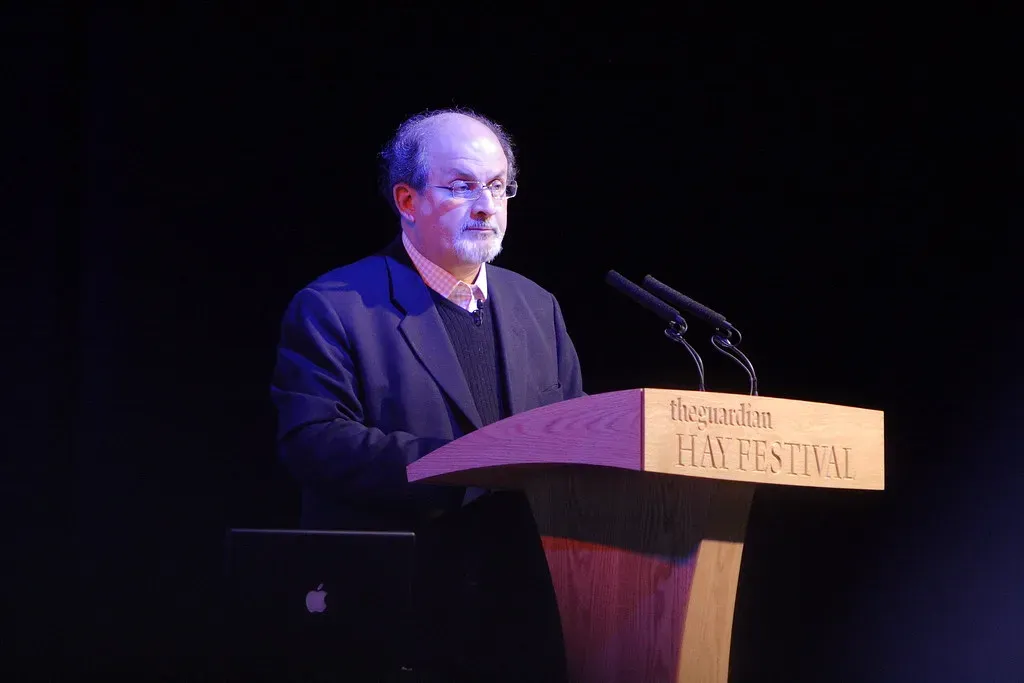
Rushdie was born in Bombay in June 1947, just two months before India’s independence. He was sent to England for school, attending Rugby, and later studied history at King’s College, Cambridge. He built his early career in London, working in advertising while writing fiction.
Midnight’s Children won the Booker Prize in 1981 and tied his own birth year to that of the new Indian nation. The Satanic Verses in 1988 led to a fatwa issued against him in 1989 and years of protection. In August 2022 he was attacked on stage in western New York, and he wrote about the ordeal in his 2024 memoir Knife.
Partner offer
Planning a trip to Vegas?
Compare hotel rates and show tickets on VEGAS.com.