Every few years, a familiar name disappears from the charts and comes back sounding like someone else entirely. Sometimes it flops. Sometimes it becomes the story of the year. The artists below didn’t just switch genres for novelty’s sake, they took real commercial and creative risks, and the payoff came in the form of chart records, trophies, and a whole new audience discovering them again for the first time.
Beyoncé turns country outsider into Grammy history

Beyoncé spent years being told country music wasn’t her lane, so she built her own version of it. Cowboy Carter came together as her eighth studio album, created in response to her experience being rejected from the country genre as a Black woman from the South. The record didn’t just make a statement, it performed. Following its arrival in April, Cowboy Carter spent two weeks atop the Billboard 200, becoming her eighth album to reach the chart’s summit.
The reinvention paid off in the biggest way the Grammys can offer. Cowboy Carter won Album of the Year at the 67th Grammy Awards, bringing her record-breaking total to 35 wins, the most in Grammy history, and she became the first Black woman this century to win the award. Earlier that same night, she also made history as the first Black woman to win Best Country Album. For an artist who had already redefined pop, R&B, and visual albums, pulling off a country pivot this decisively felt like proof there’s no genre she can’t claim.
Miley Cyrus finally gets her Grammy after two decades of reinvention

Miley Cyrus has cycled through more sonic identities than most artists manage in a lifetime, moving from Disney pop to twerk-era provocation to psychedelic rock with the Flaming Lips to full glam-pop polish. Endless Summer Vacation, her 2023 record, leaned into a breezy, radio-ready sound built around “Flowers,” a song that became inescapable. That single ended up being the moment her long, winding career finally got institutional recognition.
Miley Cyrus kicked off Music’s Biggest Night with a big win, her very first Grammy Award, taking home Best Pop Solo Performance for “Flowers.” She didn’t stop there. A few hours later, “Flowers” also won Record of the Year at the 2024 Grammys, giving Cyrus her first Big Four trophy. For someone who transcended Disney stardom to become one of the most polarizing and chameleonic artists of her generation, fluidly working across country, pop, rock, and even hip-hop, it was a long overdue validation.
Chappell Roan turns drag-inspired glam pop into a Best New Artist win
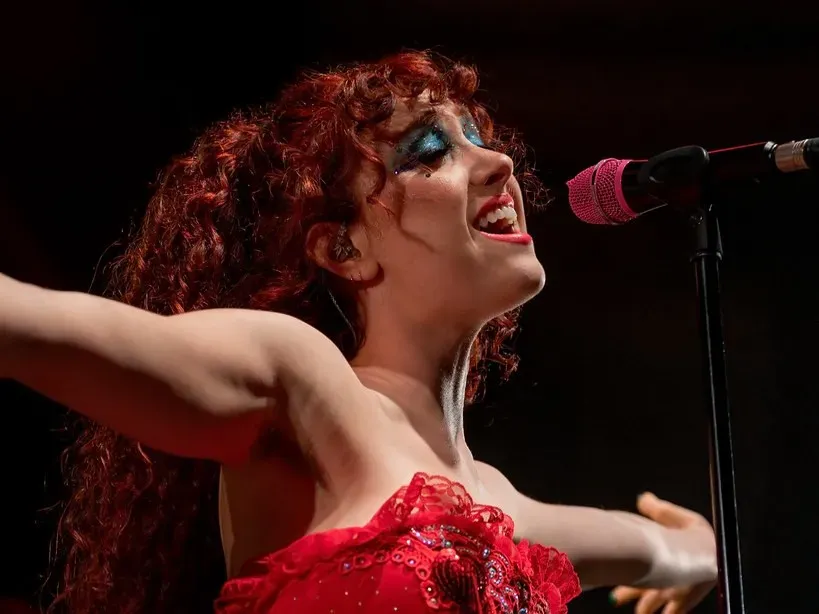
Chappell Roan spent years as an unsigned artist who’d already been dropped by a major label once, building a persona around drag aesthetics, theatrical pop hooks, and an unapologetically queer point of view. By 2024, that gamble had turned into one of the fastest rises pop music had seen in years. She nudged aside Sabrina Carpenter to win the Grammy for Best New Artist, capping a remarkably explosive rise to fame for an artist dropped by her last record label, becoming the toast of the pop world in 2024 with tracks including “Good Luck, Babe!,” “Red Wine Supernova,” and “Hot to Go!”
The scale of her breakthrough went beyond one trophy. Throughout 2024, she charted seven songs on the Hot 100, brought her album The Rise and Fall of a Midwest Princess to No. 2 on the Billboard 200, broke attendance records at Lollapalooza and Austin City Limits, and scored six Grammy nominations, including one in each of the Big Four categories. She used her Grammy moment to push for better treatment of working musicians rather than simply celebrate the win, which added a layer of substance to what could have been just a viral pop story.
Post Malone trades rap swagger for Nashville collaborations
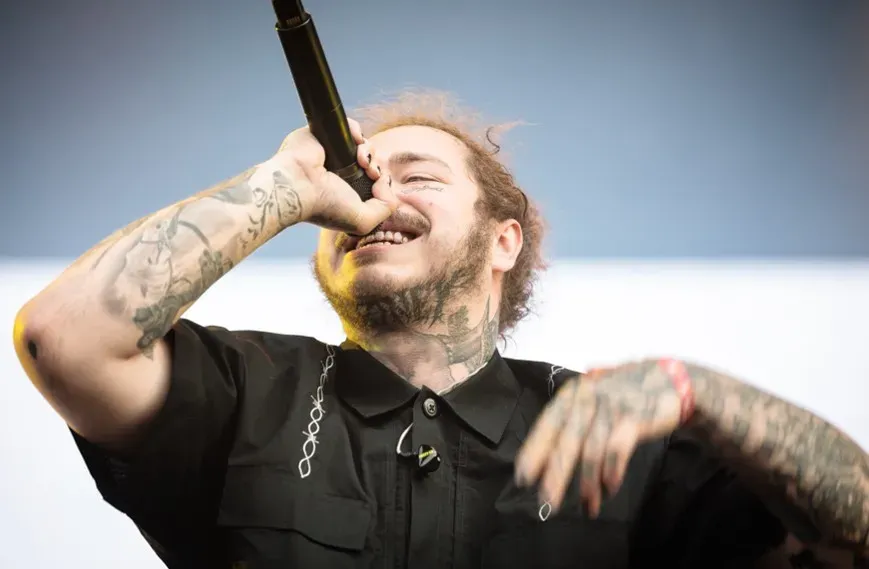
Few pivots looked riskier on paper than a genre-hopping rap and rock star deciding to make a full country record. After first breaking out as a hip-hop musician and then scoring pop and rock hits, Post Malone released F-1 Trillion, his first country collection, in the summer of 2024. The album leaned hard into Nashville credibility rather than treating country as a costume.
The standard edition featured 18 songs, 15 of which were collaborations with country stars ranging from Dolly Parton and Hank Williams Jr. to Brad Paisley and Blake Shelton, to HARDY and Morgan Wallen. It worked commercially in a big way. The project became a huge success, returning him to No. 1 on the Billboard 200, producing another Billboard Hot 100 leader with the Morgan Wallen collaboration “I Had Some Help,” and earning him several Grammy nominations. A year on, the album was still charting, proof that this wasn’t a novelty stunt but a genuine second act.
Charli XCX turns underground pop experiments into a cultural moment
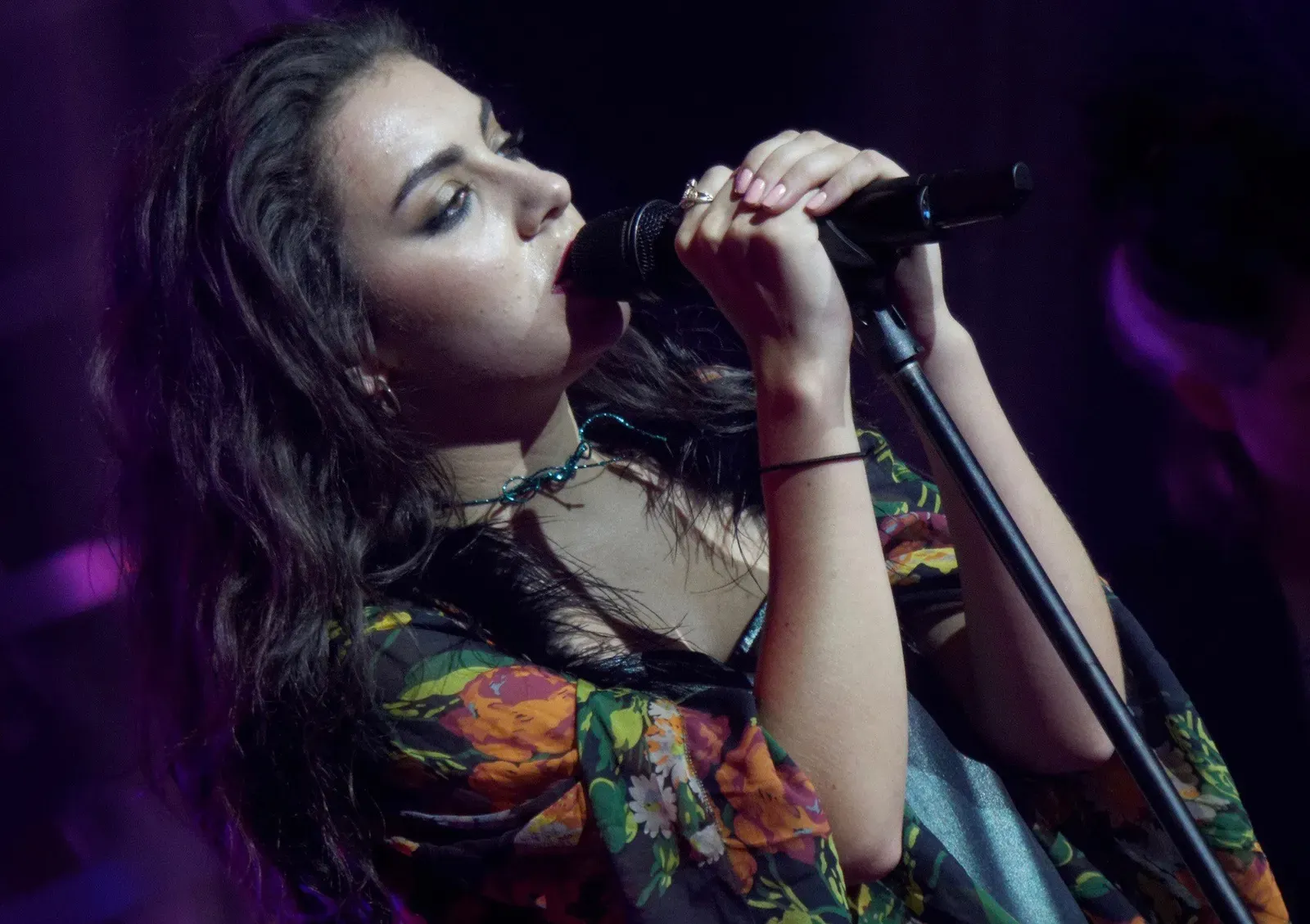
Charli XCX had spent over a decade making music that critics loved and mainstream radio mostly ignored, drifting through hyperpop, glitchy club production, and songwriting-for-hire between other people’s hits. Brat, released in 2024, changed that equation almost overnight. The album’s stripped-down, confrontational take on club music turned into a genuine cultural phenomenon, spawning a slang term, a color, and an aesthetic that spread well beyond music circles.
The record competed for Album of the Year at the 2025 Grammys alongside major names like Beyoncé and Taylor Swift, a level of recognition Charli had never come close to earlier in her career. It also reshaped how the industry viewed her, moving her from cult favorite to someone pop stars actively sought out for collaborations. For an artist who had built her identity on being slightly outside the mainstream, winning that argument on her own terms felt like the real victory.
Taylor Swift leaves pop behind for whispery indie folk
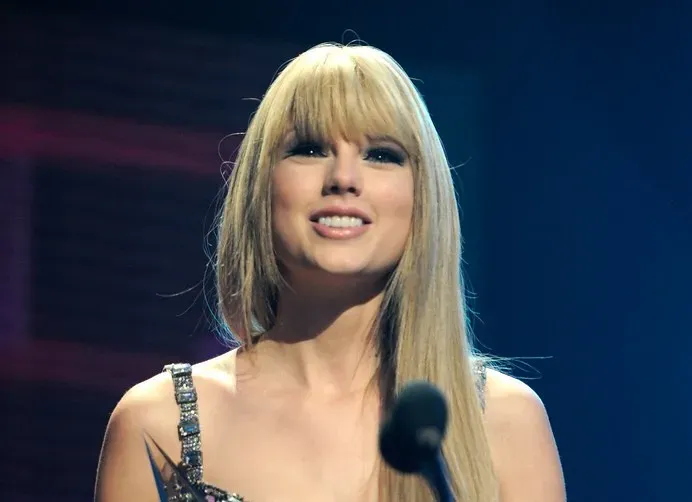
By the time Taylor Swift released Folklore in the summer of 2020, she’d already reinvented herself once, moving from country to full pop stardom with 1989. The bigger surprise came when she dropped a hushed, cardigan-and-woods aesthetic album with almost no promotional lead-up, trading arena-ready choruses for hushed storytelling co-written with Aaron Dessner of The National. It was a deliberate step away from the maximalist pop sound that had defined her previous few records.
The gamble worked. Folklore won Album of the Year at the Grammys, making Swift the first woman to win that category three times, and its companion record Evermore extended the same folk-leaning mood into an even more atmospheric direction. The shift proved she could dominate a completely different lane of songwriting, not just adapt to trends but set a quieter one that plenty of other pop artists later tried to follow.
Justin Timberlake steps out of a boy band and into R&B stardom
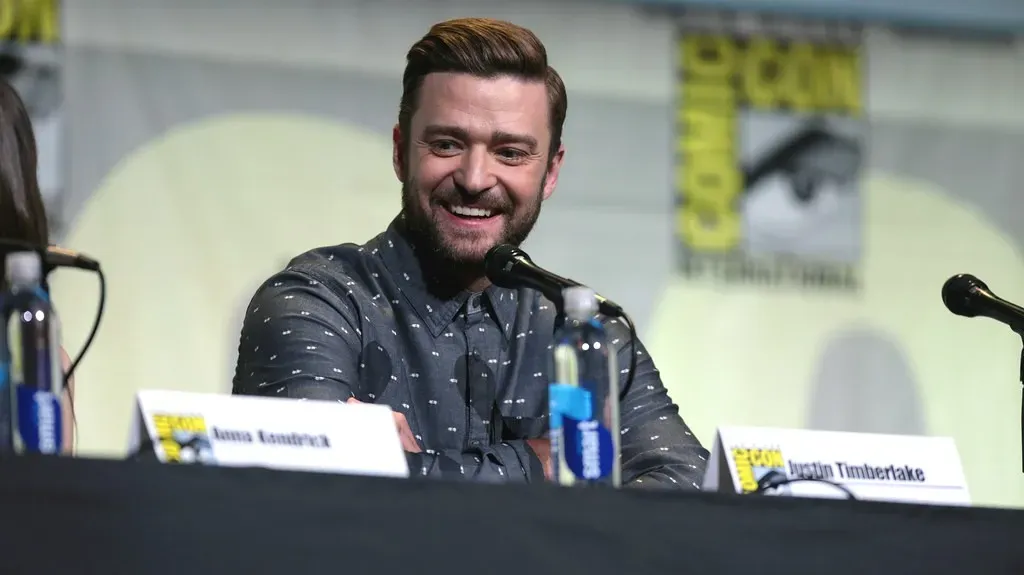
When NSYNC went on hiatus in the early 2000s, there was no guarantee Justin Timberlake would become anything more than a former teen idol looking for a second act. Instead, his 2002 solo debut Justified leaned into falsetto-heavy R&B and production from the Neptunes and Timbaland, distancing him almost entirely from the bubblegum pop sound that made him famous. It was a calculated risk in an era when boy band members rarely made that leap successfully.
The reinvention landed. Timberlake picked up Grammy wins in the pop and R&B categories for the album’s singles, and the record established him as a credible solo artist rather than a nostalgia act. His follow-up, FutureSex/LoveSounds, pushed even further into that R&B and dance-pop territory and cemented the transformation as permanent rather than a one-off experiment.
Lady Gaga swings from arena pop to acoustic Americana and back
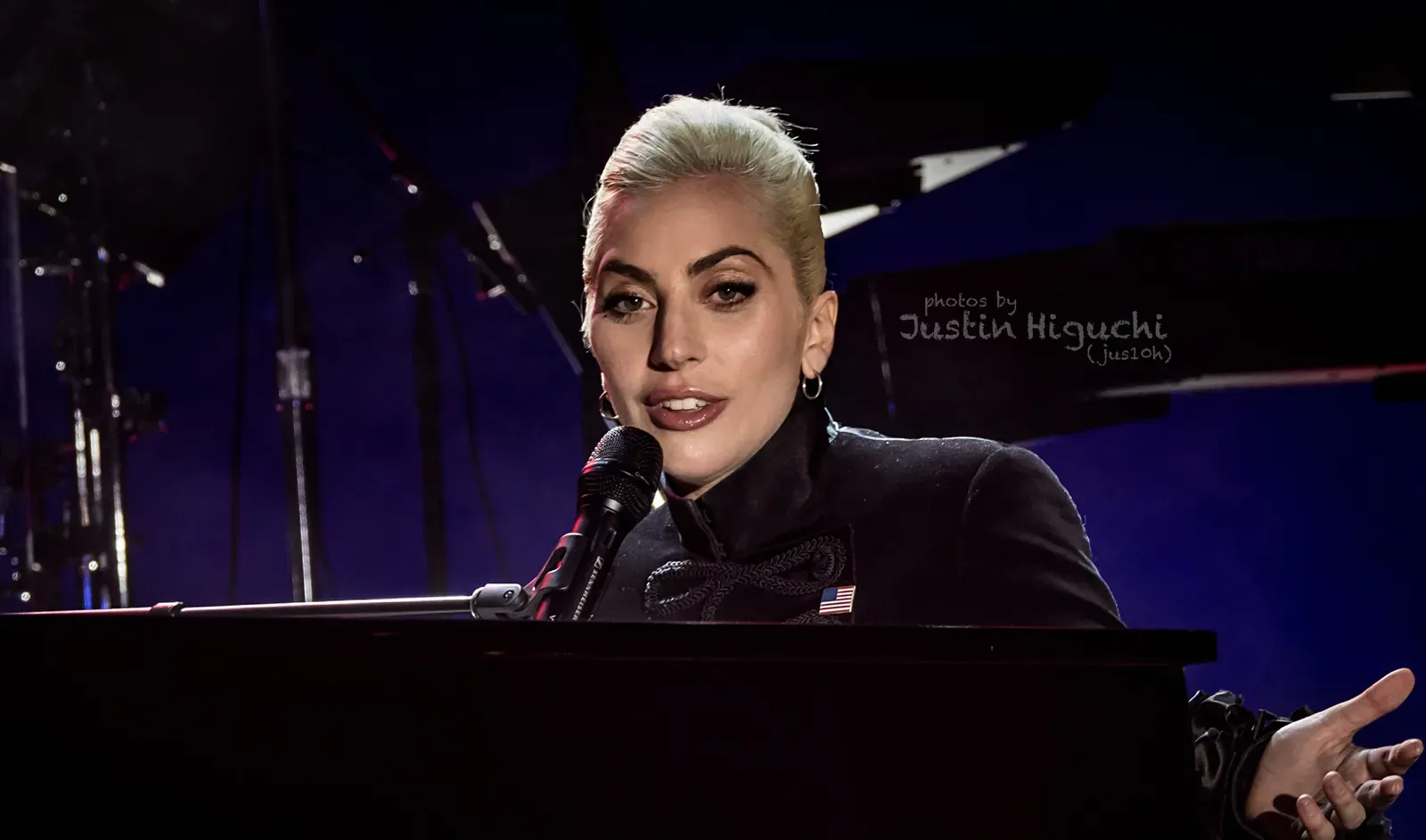
Lady Gaga built her early career on theatrical, maximalist dance pop, the kind of sound built for stadiums and shock value. Joanne, released in 2016, stripped almost all of that away in favor of a rootsy, guitar-driven sound inspired by her family history, a move that confused some fans expecting another Born This Way. She followed that with an even more stripped-down turn starring in and scoring A Star Is Born, embracing raw, acoustic balladry. That pivot led directly to one of the biggest wins of her career. “Shallow,” the film’s centerpiece duet, won her an Academy Award for Best Original Song and added to her growing Grammy tally. Rather than settling into that quieter register, she then swung back toward club music with Chromatica in 2020, proving the reinvention wasn’t a retirement from pop but a detour that made her later dance records feel earned rather than repetitive.
Kacey Musgraves turns traditional country into psychedelic pop crossover

Kacey Musgraves came up as a sharp, traditionally minded country songwriter known for clever, understated lyrics. Golden Hour, released in 2018, kept her storytelling instincts but wrapped them in disco shimmer, synth textures, and a dreamier production style that had almost nothing to do with mainstream Nashville radio at the time. It was a strange enough combination that some in the country establishment weren’t sure what to make of it.
The Recording Academy had no such confusion. Golden Hour won Album of the Year at the Grammys, a rare feat for a country artist and an even rarer one for a record this far outside genre conventions. The win didn’t just reward one album, it opened the door for other country artists to experiment with pop and electronic textures without losing credibility in the genre, a shift still visible in country music today.
The stories above share a common thread even though the sounds themselves have almost nothing in common. Each artist reached a point where the safe, expected move would have been to repeat what already worked, and each chose to risk that goodwill on something unfamiliar instead. Some leaned into a genre they’d been told wasn’t theirs to claim, others stripped their sound down to something quieter, and a few simply let an outsider aesthetic finally meet the mainstream on its own terms. What ties these moments together is timing as much as talent. A reinvention only lands when an artist has built enough trust with an audience to be followed somewhere new, and enough skill to make the new destination feel inevitable rather than random. The artists on this list managed both, which is part of why their pivots turned into some of the most talked about chapters in recent music history rather than footnotes.