Film criticism has always been a snapshot of the moment. Critics walk into a theater carrying the cultural assumptions, aesthetic preferences, and collective anxieties of their era, and they judge what they see against those coordinates. Sometimes a movie fits perfectly. Other times it lands so far outside the known map that the people tasked with evaluating it simply don’t have the tools to do so.
The films below weren’t necessarily ignored because they were bad. Several were genuinely expensive, technically ambitious, and made by people at the top of their craft. They were dismissed because audiences and critics alike weren’t yet living in the world those films were already describing. Time caught up eventually. It always does.
1. Blade Runner (1982)

In 1982, Ridley Scott’s Blade Runner flopped at the box office. More than four decades later, it’s a sci-fi masterpiece all others are measured against. Pulling in just six million dollars on opening weekend against a twenty-eight million dollar budget, the director’s vision of the future didn’t connect with audiences. The summer of 1982 was dominated by lighter, warmer fare, and a brooding film noir about synthetic humans asking existential questions couldn’t compete.
Initial testing indicated that the audience found the plot incoherent. Panicked, the studio forced a spoon-feeding attempt: having Harrison Ford deliver a clunky, bored-sounding narration. The plan was to make the plot easier to comprehend, but it backfired. A version of the film was later accidentally released without its voice-over narration or the studio-mandated happy ending, and set fandom on fire. Fans and critics suddenly realized that buried underneath the compromise was a far bolder, stranger film. Widely regarded today as the foundation of science fiction and neo-noir cinema, the film is celebrated for its philosophical themes, groundbreaking visuals, and enduring influence.
2. Metropolis (1927)

Regarded as one of the first science fiction films, Metropolis is the definition of being ahead of its time. A product of the German Expressionist movement, this masterpiece from director Fritz Lang redefined the scope of cinema. The movie is colossal, depicting a futuristic city in stunning architectural glory. Despite its technical achievements, Metropolis was largely disliked by critics. Its take on class struggle was derided, in part due to its apparent sympathy for communism.
Lang’s Metropolis, despite being a magnum opus featuring practical effects and technical innovation way advanced for its time, tanked at the box office in its initial run. With its release in 1927, the film attracted a lot of controversy that included a direct accusation of plagiarism by H.G. Wells and began to be linked to fascism owing to its political allegories. Over time, the importance of Metropolis and the gravity of its achievements were recognized. It has cemented itself as a key turning point in film history and is regarded by many as one of the greatest leaps movies have ever made.
3. Vertigo (1958)

Famously brushed off by Time magazine as “another Hitchcock-and-bull story,” Vertigo was largely overlooked by both audiences and critics upon its release. Frustrated by its poor reception, Hitchcock withdrew the film from circulation in 1973. It wasn’t seen again until a decade after his death, when it was finally re-released and eventually started topping prestigious critics polls. The film’s layered study of obsession and identity was simply too uncomfortable for an era that wanted its thrillers to stay tidy.
Critics and audiences alike just weren’t ready for such an avant-garde treatment of the classic Hitchcock formula in 1958, and neither did they relish seeing the beloved everyman Jimmy Stewart placed in such a dark and troubling role. It was one of Hitchcock’s biggest box office flops during his Golden Age, and only underwent significant reappraisal in the intervening years. Decades later, however, Vertigo underwent a critical renaissance. Its exploration of obsession, identity, and illusion is now seen as groundbreaking, and its visual style has influenced countless filmmakers. Today, Vertigo is regularly cited as one of the greatest and most influential films ever made.
4. The Thing (1982)

When John Carpenter released The Thing on the world in 1982, critics really hated it. Many reviews pointed to the groundbreaking practical effects as a flaw, wishing for something less brutal and violent. Along with criticizing the lack of humor and bland characters, some even wrote that John Carpenter should never have been allowed to direct a sci-fi movie. It arrived in the same summer as E.T., and the tonal contrast could not have been more severe.
The film’s bleak tone, graphic practical effects, and deeply paranoid atmosphere clashed with audience expectations at the time. Critics dismissed it as excessive and unpleasant, with some labeling it “instant junk.” Part of the backlash stemmed from its cynical worldview and lack of a clear heroic figure, which felt out of step with the more optimistic sci-fi dominating the early 1980s. Time has been incredibly kind to The Thing. Today, it’s widely regarded as a sci-fi masterpiece, praised for its tension, groundbreaking effects, and enduring sense of dread.
Partner offer
5. The Night of the Hunter (1955)

The iconic gothic thriller The Night of the Hunter was a critical and commercial failure when it first premiered. Directed by Charles Laughton, the film’s dark tone, expressionistic style, and unsettling villain played by Robert Mitchum left audiences and critics unsure of what to make of it. Its blend of fairy tale imagery and psychological horror felt too strange for mainstream tastes at the time, leading to poor reception across the board.
The real tragedy is that the movie was such a critical and commercial failure that director Charles Laughton never made another film. He had created something that defied every known category, and the industry punished him for it. In the decades since, The Night of the Hunter has been rediscovered and celebrated as a masterpiece. Its haunting visuals, bold storytelling, and unforgettable performances are now widely praised, securing its place as one of the most unique and influential films ever made.
6. Fight Club (1999)

Fight Club has certainly proved itself to be a cornerstone of late 1990s cinema and an absolute cult film. It showed David Fincher’s flawless ability and his talent for tightly directed, plot-driven stories with bleak undertones. The film also gave us Edward Norton and Brad Pitt at the height of their acting powers, perhaps delivering their most memorable performances. None of that was obvious to critics at the time. The juxtaposition of philosophy and visceral violence left most reviewers simply confused.
The main problem critics identified was that the juxtaposition of philosophical themes with the action-driven part of the movie did not feel balanced, or worse, seemed pretentious. Few critics were impressed, but the constant talk about the movie among film fans soon secured it from becoming a forgotten gem. Fight Club later gained cult status and critical acclaim, eventually becoming one of the most discussed American films of its generation, one whose central ideas kept proving more resonant with every passing year rather than less.
7. Idiocracy (2006)
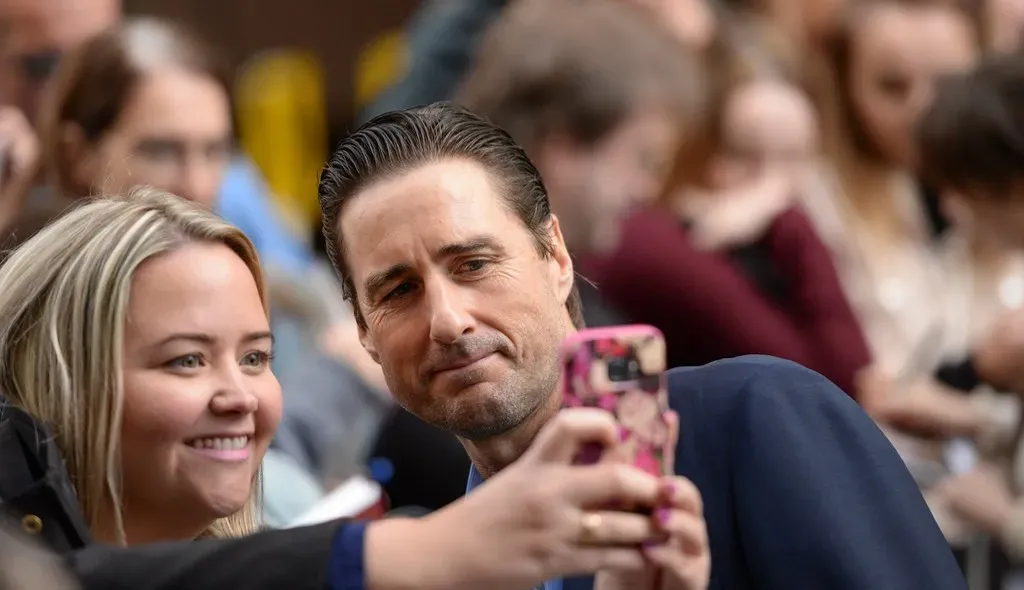
When Idiocracy came out in 2006, it was billed as satire, a crude “over-the-top” comedy about a future so dumbed down by anti-intellectualism, corporate control, and environmental neglect that society had regressed into an infantile haze. It bombed at the box office. People thought it was too ridiculous, cynical, and far-fetched. According to the Austin American-Statesman, 20th Century Fox was entirely absent in promoting the feature. The film was not even screened for critics.
Idiocracy was released in only seven cities and expanded to only 130 theaters, not the usual wide release of 600 or more. 20th Century Fox, reportedly concerned about alienating the very real corporations lampooned in the movie, repeatedly delayed the release. Judge’s 2006 film has since become a cultural touchstone, thanks to its uncannily prophetic depiction of a future society slowly sinking into a mire of environmental destruction, runaway consumerism, anti-intellectualism, and general apathy. The satire stopped feeling like exaggeration somewhere around a decade after its release, and it hasn’t let up since.
8. Twin Peaks: Fire Walk with Me (1992)
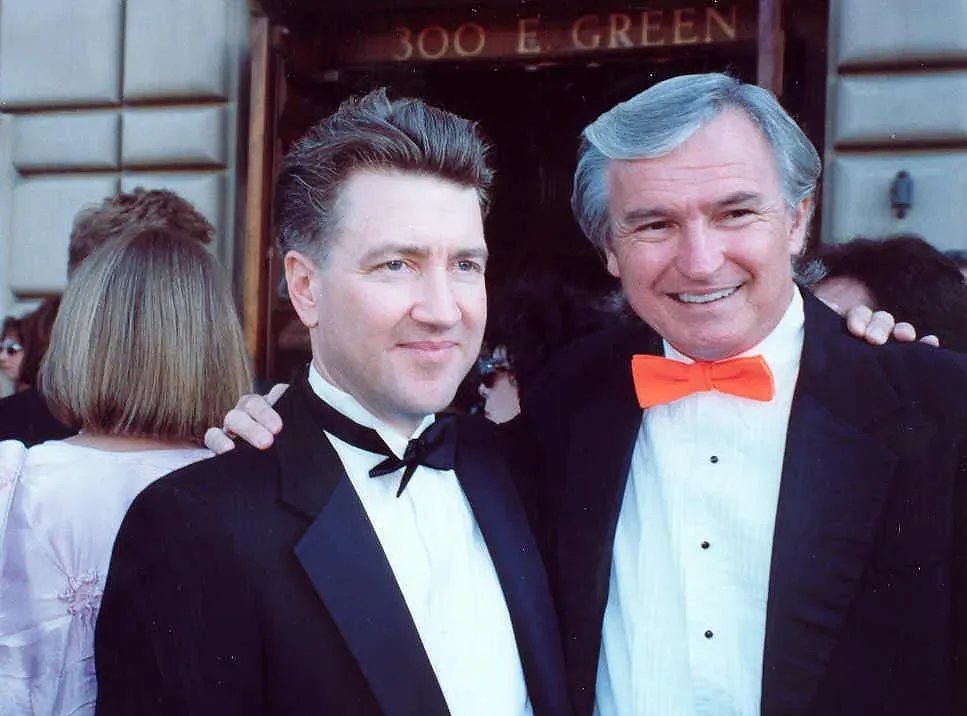
When Twin Peaks: Fire Walk with Me was released, it faced a harsh reception that caught many off guard. Directed by David Lynch, the film served as a prequel to the cult TV phenomenon Twin Peaks, but it didn’t deliver what many expected. Rather than continuing the show’s central mystery, the film focused intensely on Laura Palmer, a character who had been more of a symbol than a central figure in the series. It also omitted many fan-favorite characters and leaned heavily into darker, more disturbing themes, making it a far more intense and uncomfortable experience.
Critics who walked in expecting more of the show’s quirky Pacific Northwest charm found instead a relentlessly harrowing portrait of trauma, abuse, and dread. They weren’t ready for it, and the film was met with boos at Cannes. Changing audience tastes, deeper critical analysis, and the rise of home media have since allowed the film to be rediscovered and reevaluated. What once seemed flawed or unappealing can later be seen as bold, ahead of its time, or even visionary. Sometimes, it just takes distance for viewers to fully appreciate what a film was trying to achieve. Fire Walk with Me is now widely considered Lynch’s most emotionally devastating work, one that was always about empathy rather than mystery.
What connects all eight of these films is not just that critics were wrong. It’s that the films were operating on frequencies that the critical culture of their moment simply hadn’t learned to receive. The audiences who eventually found these movies didn’t rehabilitate them out of nostalgia. They recognized something that had been true all along.
Partner offer
Planning a trip to Vegas?
Compare hotel rates and show tickets on VEGAS.com.