There’s a particular kind of injustice in music history that doesn’t get talked about enough. Some of the most extraordinary voices ever recorded never found the wide audiences they deserved, lost to bad timing, industry indifference, or simply the randomness of how taste spreads. These weren’t artists who lacked talent. If anything, many of them had too much of it, operating at a level that didn’t fit neatly into what radio stations or record labels wanted to sell.
What follows is a look at seven singers whose vocal gifts were genuinely exceptional, and whose stories deserve more than a footnote. Some of them found modest recognition late in life. Others never did. All of them left something extraordinary behind.
Eva Cassidy: The Voice Washington Kept to Itself

Although she had been honored by the Washington Area Music Association, Eva Cassidy was virtually unknown outside her native Washington, D.C. area at the time of her death from melanoma at the age of 33 in 1996. That fact alone is staggering when you consider the quality of what she left behind. She was a vocalist and guitarist known for her interpretations of jazz, blues, folk, gospel, country, and pop classics, moving between them with a naturalness that most singers spend careers trying to fake.
Cassidy cashed in a small pension from her day job at a plant nursery to rent Washington’s most prominent jazz club, Blues Alley, recording what became her live album just months before she died. The story of her posthumous fame is well known in Britain, but it shouldn’t obscure the deeper point: her posthumously released recordings have since sold in excess of 12 million copies, and in early 2001 the compilation album Songbird reached number one. All of that came too late for her to ever know it.
Arthur Russell: The Cellist Who Rewrote the Rules of Sound
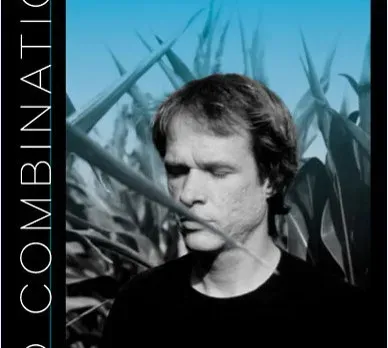
Charles Arthur Russell Jr. was an American cellist, composer, producer, singer, and musician from Iowa whose work spanned a disparate range of styles. After studying contemporary composition and Indian classical music in California, Russell relocated to New York City in the mid-1970s, where he became involved in Lower Manhattan’s avant-garde community and later the city’s burgeoning disco scene. His eclectic music was often marked by adventurous production choices and his soft tenor vocals.
He died from AIDS-related illnesses in 1992, still in relative obscurity and poverty. The scale of what he left behind is remarkable. When Arthur Russell passed away prematurely at the age of 40, he left over 1,000 tapes in his archive, filled with hundreds of hours of music, much of it unheard, unreleased, and often unfinished. The cellist and avant-garde composer truly broke down barriers between classical music and the dancefloor, and his influence on experimental and dance music is still being fully measured today.
Jackie Shane: Soul Fire the World Almost Forgot
Jackie Shane was an American soul and rhythm and blues singer, prominent in the music scene of Toronto, Ontario, Canada in the 1960s. Considered to be a pioneer transgender performer, she was a contributor to the Toronto Sound and is best known for the single “Any Other Way,” which was a regional Top 10 hit in Toronto in 1963. She is remembered for her dynamic stage presence, which drew comparisons to Little Richard and James Brown.
After gaining some recognition, Jackie Shane began to work with record labels, including Excello Records, while also drawing attention from Motown and Atlantic Records, but was not signed by big record labels. By the early 1970s, Shane had largely faded from Toronto’s music scene and, after relocating to Los Angeles, seemingly dropped out of music altogether. By the early 1980s, she was living back in Nashville. For decades, many assumed she had died. The voice, and the story, deserved a far bigger stage.
Partner offer
Jeff Buckley: Almost Universally Praised, Still Somehow Underplayed
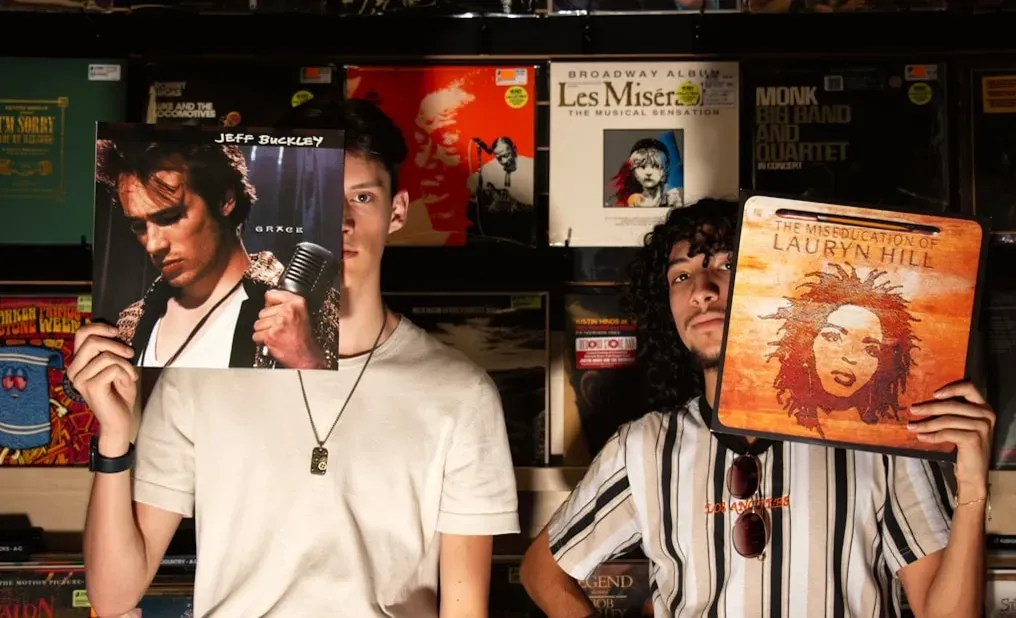
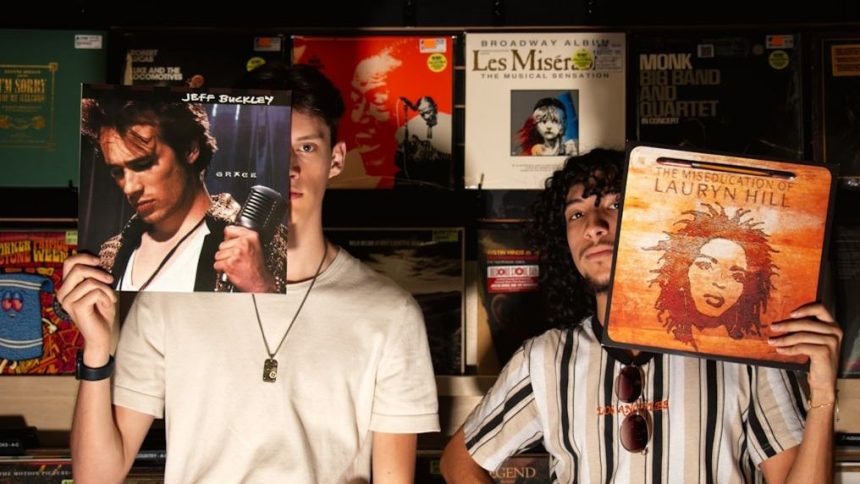
Jeff Buckley is widely regarded as one of the most gifted vocalists of the modern era. His voice had an emotional power few singers can achieve: effortless highs, haunting quiet tones, ethereal falsetto, and a range of colors that spanned rock, soul, blues, folk, opera, and Middle Eastern influences. His singing on Grace (1994) and his Live at Sin-é performances permanently reshaped expectations for male vocalists.
Although several critics hailed his first album Grace, the general public never really embraced him prior to his untimely drowning at thirty. Though he is still underestimated in conventional retrospectives, Buckley is today beloved by musicians. There’s something almost painful about the gap between how deeply musicians revere him and how rarely his name enters mainstream cultural conversations about great voices. His range, documented at roughly E2 to G5 across studio recordings, placed him in genuinely rare vocal territory for a male singer.
Bettye LaVette: Six Decades of Talent, One Fraction of the Fame
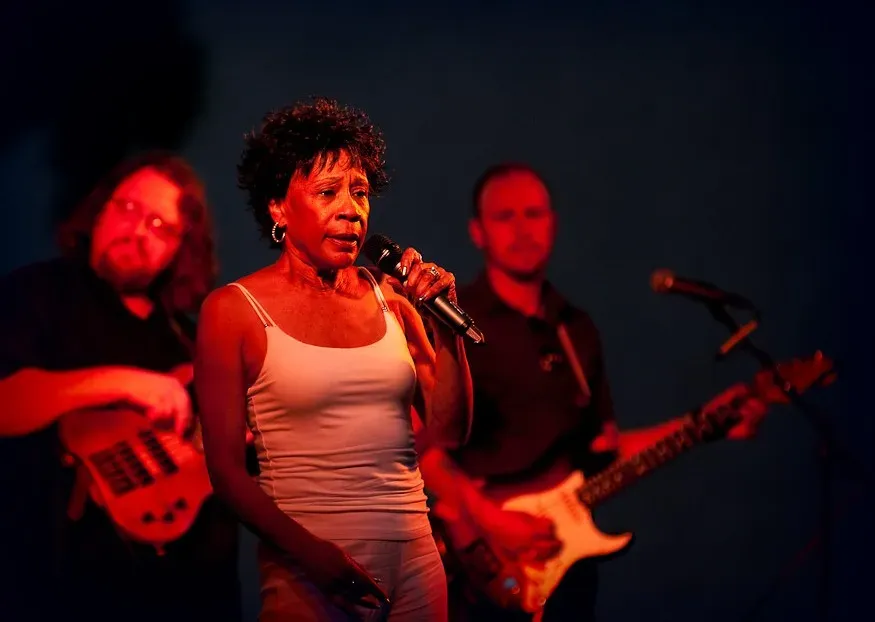
Bettye LaVette’s raw, gritty voice carries decades of pain and triumph. Despite debuting in the 1960s, she never got the recognition she deserved until much later. Her story is one of the music industry’s most glaring long-form oversights. She spent roughly four decades recording quietly, changing hands between labels, and watching peers with lesser instruments achieve far greater commercial success.
Her cover of “Love Reign O’er Me” at the 2008 Kennedy Center Honors left even The Who speechless. That moment, arriving when she was already in her sixties, is a useful measure of both her ability and her obscurity. A singer who can silence a room full of rock legends deserves to be a household name. LaVette is proof that the music industry’s gatekeeping is not always, or even often, based on talent.
Tim Buckley: The Voice That Arrived Too Far Ahead of Its Time
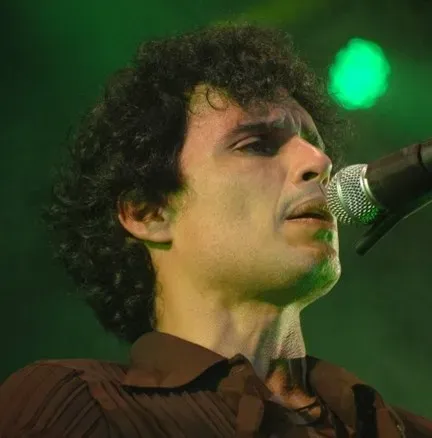
Timothy Charles Buckley III was an American musician who began his career based in folk rock, but subsequently experimented with genres such as psychedelia, jazz, the avant-garde, and funk. His commercial peak came with the 1969 album Happy Sad, reaching number 81 on the charts, while his experimental 1970 album Starsailor went on to become a cult classic, containing his best known song, “Song to the Siren.”
His voice was a genuinely strange instrument in the best possible sense. It moved across a wide range with almost improvisational freedom, bending toward jazz phrasing in one moment and something more operatic the next. Buckley died at the age of 28 from a heroin and morphine overdose. The tragedy sits on multiple levels: a voice that expansive, cut off that early, leaving behind work that still feels futuristic in places. His son Jeff inherited the gift, but Tim’s own singular contribution continues to be overshadowed by it.
Concha Buika: A Voice That Transcends Language and Genre
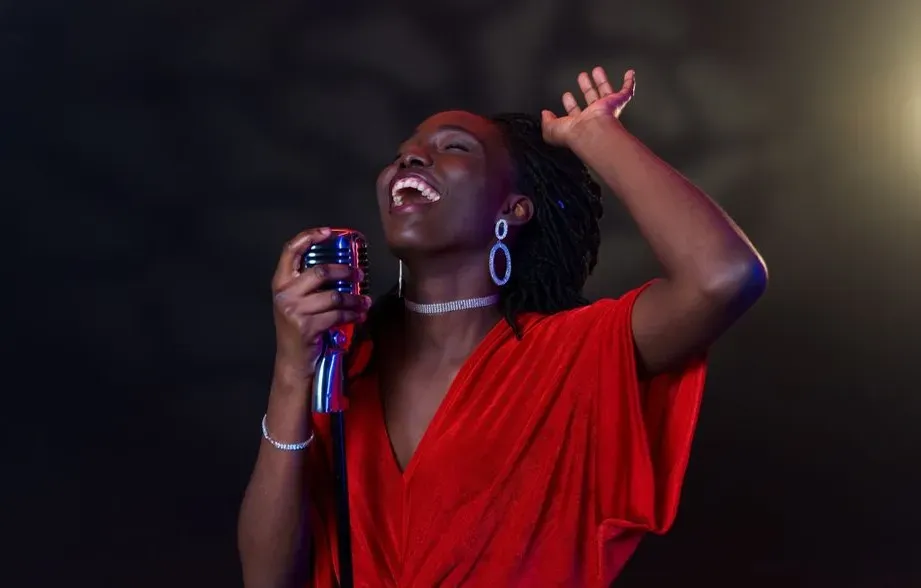
With a raspy voice filled with spine-tingling soul, Spanish singer Concha Buika is comparable to Nina Simone and Edith Piaf. Her music is a unique blend of copla, an old-fashioned Spanish song style, flamenco, jazz, Cuban music, soul, and blues. That combination is not something you can manufacture or train into a voice. It either comes through or it doesn’t, and with Buika, it does on every recording she’s made.
Concha is probably being underrated from a worldwide point of view because her music is in Spanish, which doesn’t always appeal to all English speakers. That linguistic barrier has kept her from reaching the global recognition she clearly warrants. She has performed at major international festivals and collaborated with some of the finest musicians in contemporary jazz and flamenco, yet her name remains largely absent from the conversations about great living vocalists. Some voices need no translation, and hers is one of them. The loss belongs to the listener who never finds her.
Partner offer
Planning a trip to Vegas?
Compare hotel rates and show tickets on VEGAS.com.