Every so often a film arrives to a chorus of shrugs, or worse, outright scorn, only to spend the next few decades quietly building an audience that the original reviewers never saw coming. It happens more often than people realize. Sometimes a movie is simply ahead of its moment, and sometimes critics get so fixated on what a film isn’t that they miss what it actually is. Looking back at these eight titles now, it’s almost startling to read the original pans. The gap between what was written at the time and how these films are regarded today says as much about the limits of first impressions as it does about the movies themselves.
1. The Thing (1982)
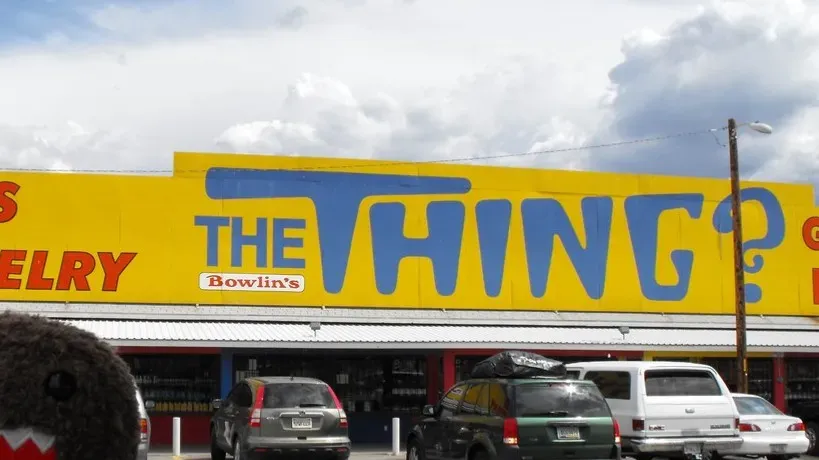
John Carpenter’s icy, paranoid horror film arrived in the summer of 1982 and ran straight into a wall of hostility. Writing for The New York Times, Vincent Canby described the movie as “foolish, depressing,” with its actors used merely as props to be hacked, slashed, disembowelled and decapitated. Roger Ebert wasn’t much kinder, and even genre magazines that should have been sympathetic piled on.
The Thing was finally released in 1982, and it was a commercial and critical failure, to the point where it was proposed as the “most-hated film of all time” by horror magazine Cinefantastique. Part of the problem was timing. Audience members seeking more high-minded sci-fi had Blade Runner, also released the same day, to catch their attention, and E.T. had opened just two weeks earlier. Decades later, the film’s practical effects, bleak tone, and creeping dread are exactly what horror fans point to as evidence of a genre landmark.
2. Blade Runner (1982)

Ridley Scott’s neo-noir vision of a rain-soaked, corporate-dominated Los Angeles baffled a lot of 1982 moviegoers who showed up expecting something closer to a conventional action picture. The pacing felt too slow for some, the plot too murky for others, and the film’s moody, philosophical tone clashed with audience expectations shaped by the same summer’s more crowd-pleasing sci-fi. It underperformed at the box office and drew a mixed critical reception, overshadowed by other releases competing for the same audience.
What changed everything was time, repeated viewings, and eventually a series of re-edited cuts that stripped away studio-mandated narration and a tacked-on happy ending. The 1992 Director’s Cut and later the 2007 Final Cut let the film breathe as Scott originally intended, revealing a meditation on identity and mortality that rewards patience. Today it’s widely cited as one of the most influential science fiction films ever made, its visual language borrowed by countless productions since.
3. Fight Club (1999)
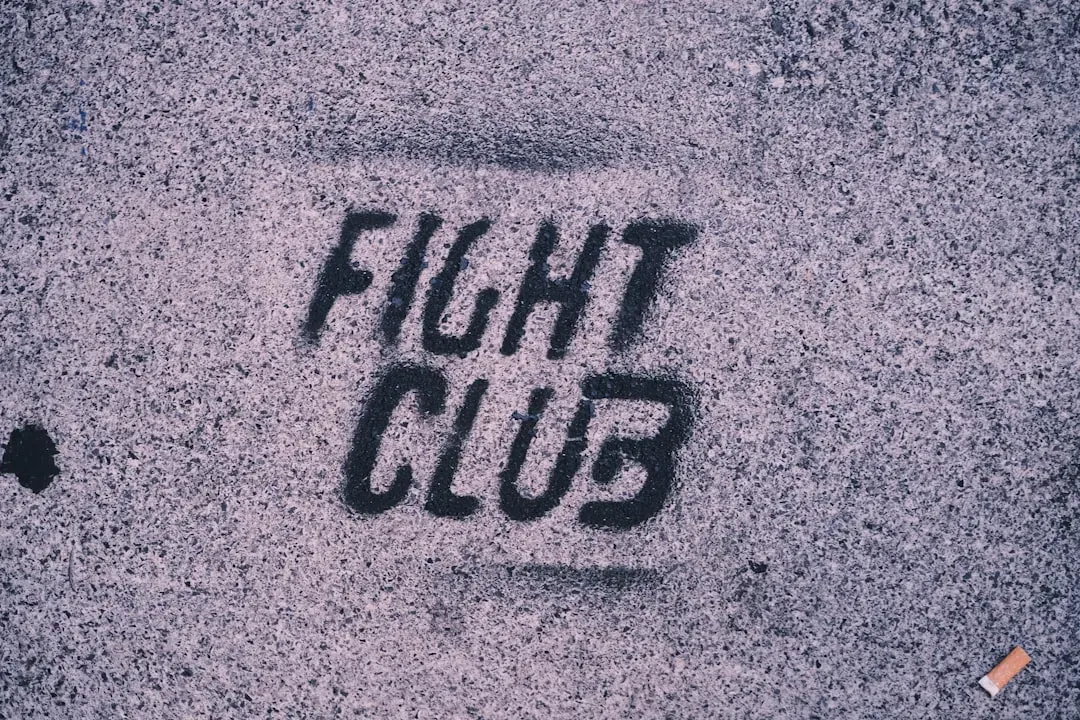
David Fincher’s adaptation of Chuck Palahniuk’s novel landed with a thud in October 1999. Roger Ebert gave the movie two stars and called it “a celebration of violence in which the heroes write themselves a license to drink, smoke, screw and beat one another up.” The financial results matched the critical unease. Edward Norton later suggested there was a reluctance on the part of some of the people marketing the film to embrace the idea that it was funny, and that they felt indicted by it.
Produced on a reported 63 million dollar budget, Fight Club earned roughly 37 million domestically and just over 100 million worldwide, numbers that fell short of expectations and left the film far from blockbuster status. Some premiere audiences reportedly booed. Norton recollected people booing it, and some people walking out. The film found its real audience on home video, where its ideas about consumerism and identity finally clicked with viewers watching on their own terms, and it now regularly ranks among the most quoted films of its era.
4. The Big Lebowski (1998)

The Coen brothers followed the Oscar-winning Fargo with a shaggy, meandering comedy about a slacker mistaken for a millionaire, and critics at the time seemed unsure what to make of it. Many reviews called it a disappointment compared to the tighter, more disciplined work that preceded it, and the film came and went from theaters with little fanfare in early 1998. Its loose, bowling-alley rhythms and quotable dialogue felt, to some critics, like a shrug rather than a statement.
What nobody predicted was the rise of Lebowski Fest, an annual gathering of fans in matching bathrobes that started in the early 2000s and eventually spread to multiple cities. The Dude’s laid-back philosophy became a genuine cultural touchstone, spawning academic essays, a mock religion called Dudeism, and an ongoing fascination with a plot that barely resolves anything. It’s now frequently cited as one of the most rewatchable comedies of its decade.
Partner offer
5. Donnie Darko (2001)

Richard Kelly’s time-loop drama about a troubled teenager and a six-foot rabbit named Frank arrived in October 2001, just weeks after the September 11 attacks, a timing that made a plot involving a falling jet engine feel almost impossible to market. The film received a limited release and modest reviews, with several critics finding its blend of teen angst, science fiction, and dark comedy tonally confused. It grossed only a small fraction of what a wider release might have earned.
College dorm rooms and early internet forums did what theaters couldn’t, turning the film into a discussion-driven phenomenon built on debates about its ambiguous ending and layered symbolism. A director’s cut released in 2004 added clarifying material that deepened its cult appeal rather than settling the arguments. Jake Gyllenhaal’s performance is now often cited as one of the more memorable breakout turns of the early 2000s.
6. Scott Pilgrim vs. the World (2010)
Edgar Wright’s hyperactive adaptation of Bryan Lee O’Malley’s graphic novels opened against Sylvester Stallone’s The Expendables in August 2010 and lost that box office battle badly. Reviews were largely positive on craft, praising the film’s video-game-inspired visual style and editing, but the box office numbers told a different story, with the film failing to recoup its production budget domestically. Studio executives at the time reportedly viewed it as a disappointment that struggled to find its target audience in theaters.
Streaming and home video changed the calculus entirely, introducing the film to viewers who related to its portrait of aimless twenty-something romance filtered through comic-book aesthetics. Its influence shows up in the visual grammar of later films and shows that borrow its kinetic editing tricks and onscreen sound effects. A 2023 animated series revisiting the same characters only reinforced how much affection had built up in the years since its theatrical stumble.
7. Idiocracy (2006)

Mike Judge’s satire about a future America dumbed down by generations of anti-intellectualism barely got a theatrical release at all, opening in a handful of cities with almost no marketing push from 20th Century Fox. Critics who did see it gave mixed notices, and the film’s crude humor and low-budget look led some reviewers to dismiss it as a lesser follow-up to Judge’s earlier work on Office Space. It quietly disappeared from theaters within weeks.
Cable reruns and word-of-mouth clips circulating online gradually turned the film into a reference point for cultural commentary, with its exaggerated depiction of consumer culture and dumbed-down media feeling uncomfortably prescient to later audiences. References to the film’s fictional energy drink and its vision of a society obsessed with spectacle over substance became shorthand in online discourse. It’s now frequently invoked in conversations about media literacy and the direction of popular culture.
8. Point Break (1991)

Kathryn Bigelow’s story of an FBI agent infiltrating a gang of surfing bank robbers was largely written off by critics as glossy, implausible nonsense when it opened in 1991. Reviewers took particular issue with its over-the-top plotting and the pairing of Keanu Reeves and Patrick Swayze, treating the film as disposable action fluff rather than a serious genre entry. It performed reasonably at the box office but didn’t register as anything more than a passing action flick.
Reassessment came gradually, driven by growing appreciation for Bigelow’s kinetic direction and the film’s surprisingly earnest exploration of masculinity, freedom, and obsession beneath the surfing and skydiving spectacle. Its influence on the buddy-action genre became clearer with time, and its earnest, slightly absurd sincerity aged into something closer to charm than embarrassment. A 2015 remake, largely forgotten, only underscored how much the original’s specific chemistry and era-appropriate style could not be replicated.
What links all eight of these films isn’t a single flaw in the critical establishment of their time, but a pattern worth noticing. Movies that resist easy categorization, that mix tones critics expect to stay separate, or that simply arrive at the wrong cultural moment, often need distance before their qualities become visible. The audiences who kept these films alive on video, cable, and eventually streaming did the reevaluation that initial reviews couldn’t.Partner offer
Planning a trip to Vegas?
Compare hotel rates and show tickets on VEGAS.com.