Movie endings tend to live in our heads long after the credits roll, but memory is a funny editor. It smooths out lines, swaps images, and sometimes rewrites entire scenes to fit a tidier version of the story we think we watched. That’s especially true for classic films, the ones quoted so often in pop culture that the quoting itself starts to replace the original source.
Below are seven famous film endings that get retold slightly wrong, again and again, even by people who genuinely love these movies. Some of the mix-ups are small wording slips. Others change the entire meaning of the final scene.
1. Planet of the Apes (1968) and the line nobody quite remembers correctly
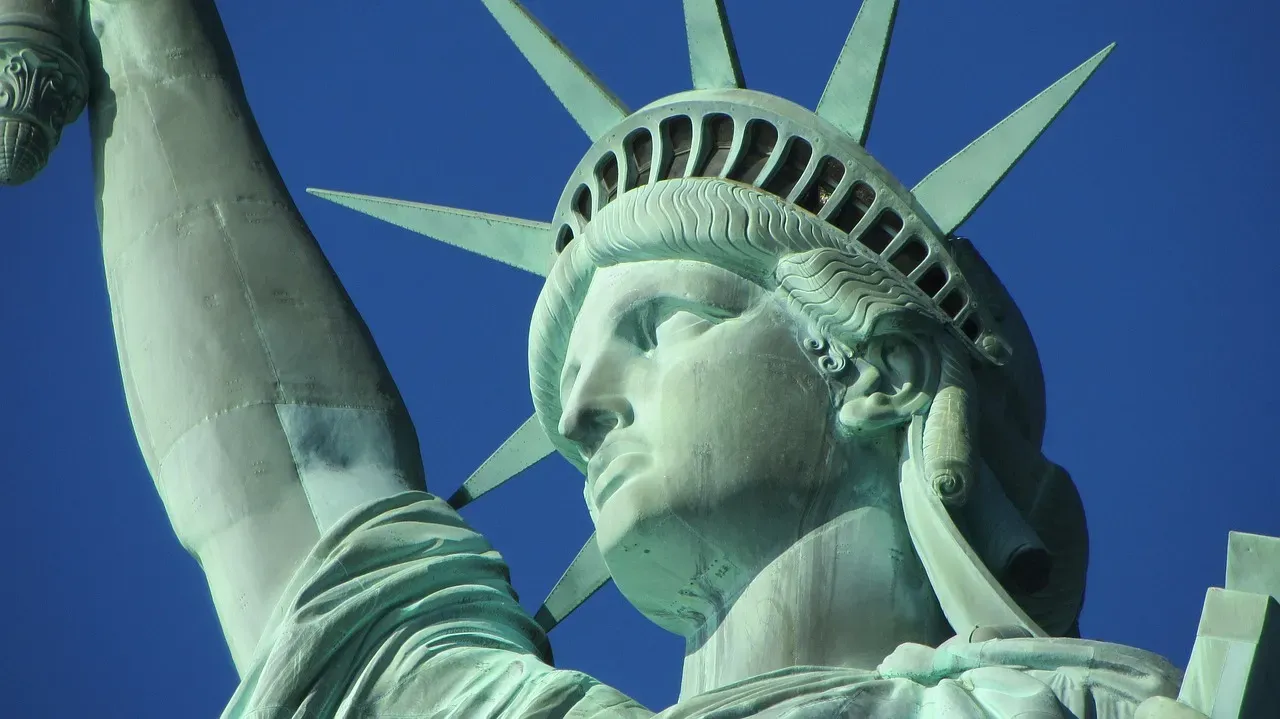
The image everyone recalls is Charlton Heston on his knees in front of a broken Statue of Liberty, and that part of the memory holds up fine. What people tend to garble is what he actually says in that moment, often shortening it to something like a simple scream of shock.
In the real scene, Taylor’s reaction builds from disbelief into something closer to a curse aimed at all of humanity, not just at the apes who trapped him. “My God. I’m back. I’m home. All the time… we finally, really did it. YOU MANIACS! YOU BLEW IT UP! DAMN YOU! GOD DAMN YOU ALL TO HELL!” The scene is also framed through his companion Nova’s point of view before the statue itself comes into full view, a detail most people forget entirely.
2. Casablanca and a line Rick Blaine never actually says
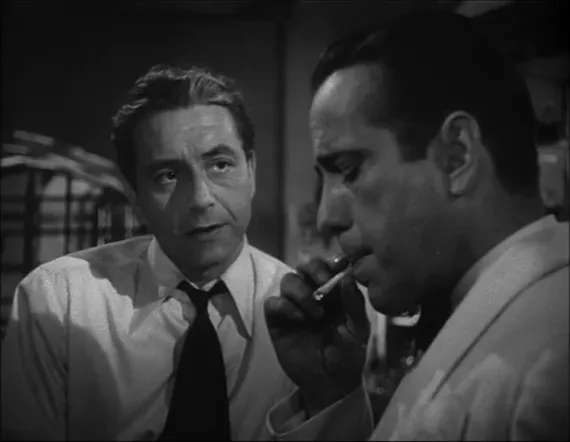
Ask most people to name a famous line from the end of Casablanca and there’s a decent chance they’ll say “Play it again, Sam.” It sounds right. It is also not a line that exists anywhere in the film.
Rick never says, “Play it again, Sam” in the film. On two different occasions, though, he utters, “Play it once, Sam” and “Play it, Sam.” The confusion got a permanent boost decades later thanks to a Woody Allen film that borrowed the misquote as its own title, cementing the wrong version in public memory. What Bogart actually says as his real farewell to Ilsa, the line delivered twice across the film and meant with real tenderness, is “Here’s looking at you kid,” spoken as he gently lifts her chin before letting her go.
3. Citizen Kane and the mystery that never actually gets solved on screen
Rosebud is one of the most famous words in film history, and most people remember that the sled with that name burning in the furnace answers the mystery at the heart of Citizen Kane. What tends to slip people’s minds is that nobody inside the story ever learns the answer.
The reporters spend the entire film chasing down what Kane meant by his dying word, and they walk away empty handed, concluding the search was pointless. Only the audience, watching workers toss old belongings into a furnace, gets to see the sled and connect it to Kane’s childhood. It’s a quietly cynical twist that the film’s own characters never get the resolution the audience does, which is easy to forget once the image of the burning sled becomes the only thing people recall.
4. The Wizard of Oz and the ending people flatten into “it was all a dream”
Dorothy wakes up in her Kansas bedroom, surrounded by familiar faces, and plenty of people summarize the ending as a straightforward reveal that Oz was nothing but a dream. The film itself is actually more careful and more ambiguous than that shorthand suggests.
Dorothy insists that Oz was real, describing it as a real, truly live place, even as the adults around her smile and humor her without confirming or denying anything. The film never definitively closes the door on whether Oz existed outside her imagination, leaving that tension in place rather than settling it the way memory usually claims. It’s a small but meaningful difference between how the scene plays and how it gets summarized decades later.
Partner offer
5. Thelma & Louise and a crash that technically never happens on screen
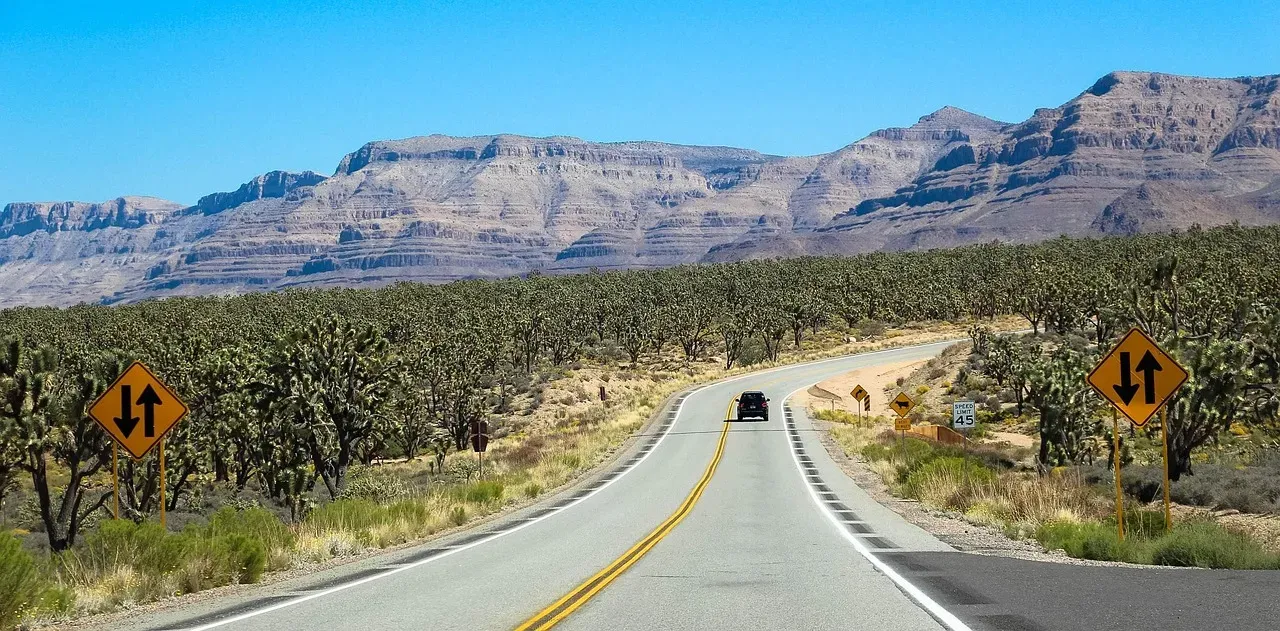
The image of the car sailing off the edge of the Grand Canyon is burned into film history, and most retellings describe it as the two women driving to their deaths. What the film actually shows is more restrained than that.
The movie ends on a freeze frame of the car in midair, suspended just as it leaves the cliff edge, with the picture fading to white before any impact is shown. There’s no crash, no wreckage, no literal on screen death. The ending is deliberately left as a frozen moment of flight rather than a depiction of destruction, which makes it a more artistic and ambiguous choice than the popular memory of “they drove off a cliff and died” usually credits it for.
6. Titanic and the ending debate that overshadows what actually happens
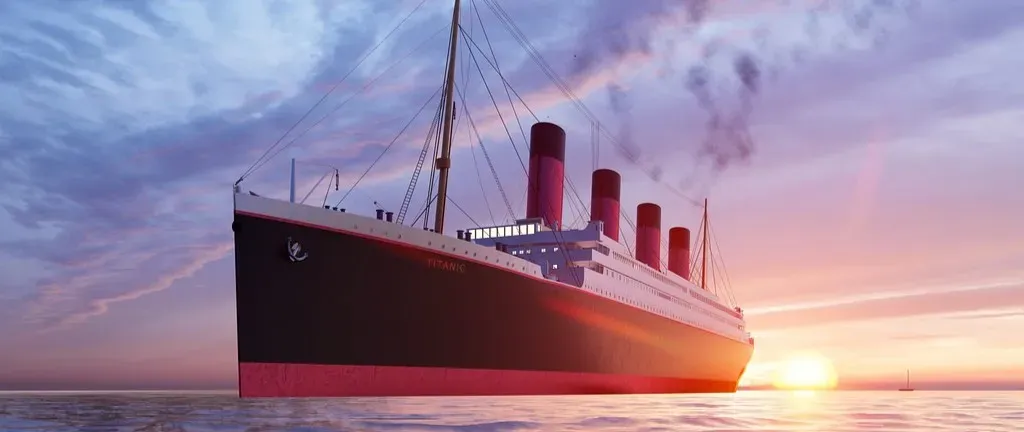
Decades of arguing over whether Jack could have fit on that floating door with Rose has turned into its own strange footnote to the film’s ending, one that sometimes crowds out what the scene is actually doing narratively. The debate got enough attention that it even became fodder for a well known television myth testing show years after the film’s release.
What often gets lost is that the ending isn’t really about the physics of buoyancy at all. It’s built around Rose’s promise to Jack that she’ll survive and live a full life, a promise the film pays off through the old age footage and the final shot of her reuniting with Jack in what’s presented as a dreamlike afterlife aboard the restored ship. The door argument is a fun bit of trivia, but it’s a distraction from the actual emotional structure of the scene.
7. Psycho and the ending people mentally replace with the shower scene
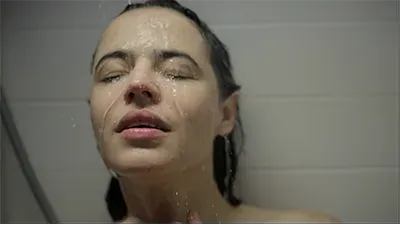
Mention the ending of Psycho to a casual moviegoer and there’s a strong chance they’ll describe the shower murder, since it’s the single most famous sequence in the film. That scene actually happens less than halfway through the runtime, not at the end.
The real ending is a quieter, talkier scene where a psychiatrist explains Norman Bates’ condition to the other characters, laying out the psychological mechanics behind his fractured identity. The film then closes on Norman sitting alone, wrapped in a blanket, with his mother’s voice narrating his thoughts as the camera holds on his unsettling stare. It’s a slow, clinical conclusion, a sharp tonal contrast to the shower scene that most people mistake for the film’s final note.
Misremembering movie endings isn’t really a failure of attention. It’s more a byproduct of how culture works, where the most quotable or visually striking fragment of a film tends to survive in public memory while the surrounding context quietly falls away. These seven examples show how even beloved, frequently discussed classics can end up slightly rewritten in the collective imagination, not through any deliberate distortion, but simply because a single powerful image or misheard line was strong enough to outlast the scene it came from.
Partner offer
Planning a trip to Vegas?
Compare hotel rates and show tickets on VEGAS.com.