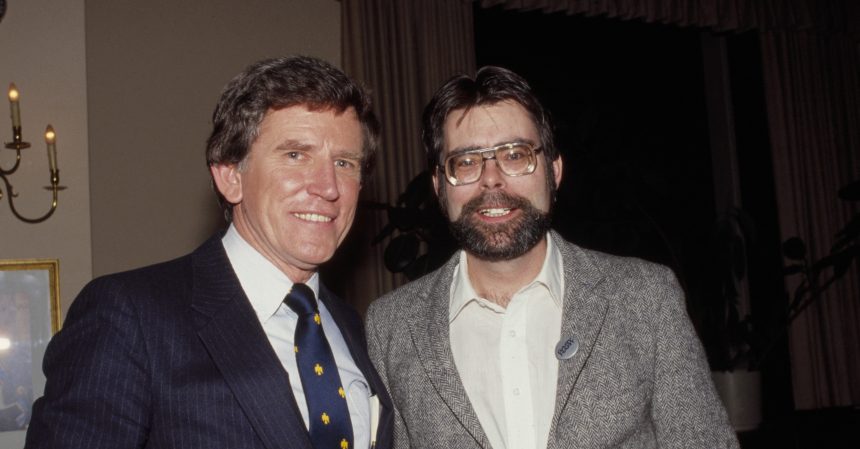
Fame changes how a book gets read before anyone even opens the cover. A famous name on the spine invites expectations, comparisons, and a kind of built in applause that has nothing to do with the actual sentences inside. For a handful of writers, that pressure became reason enough to disappear behind a different name entirely, sometimes just to see what would happen if the work stood alone.
The seven cases below span decades and genres, but they share a common thread. Each author had already earned recognition and chose, for a while, to walk away from it on purpose.
1. Doris Lessing became Jane Somers

By the early 1980s, Doris Lessing was already one of the most respected novelists writing in English, the author of The Golden Notebook and a future Nobel laureate. In 1983 she published The Diary of a Good Neighbour under the name Jane Somers, followed a year later by If the Old Could. The novels were written to show the difficulty new authors face in trying to get their work printed.
The experiment did not go the way Lessing might have hoped. Both books were rejected by Lessing’s long-term British publisher, and were eventually published with little publicity, resulting in low sales. When her authorship was revealed, Lessing explained her reasoning bluntly, noting that if the books had come out under her real name, “they would have sold a lot of copies and reviewers would have said, ‘Oh, Doris Lessing, how wonderful.'” The whole episode became a pointed, if quiet, critique of how literary fame works.
2. Stephen King became Richard Bachman
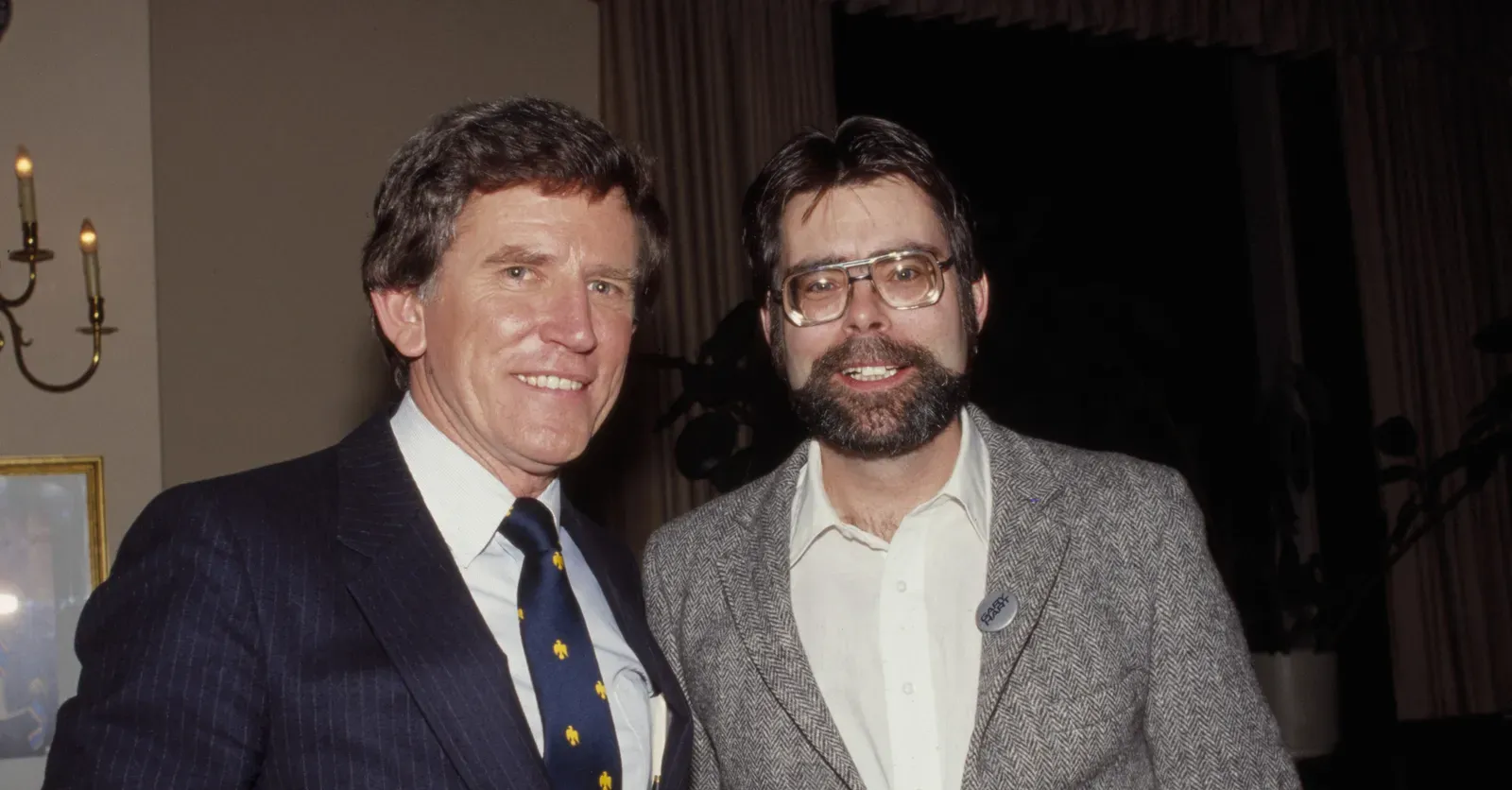
Stephen King’s publisher worried he was writing faster than the market could absorb a single brand name, so in 1977 King began releasing novels as Richard Bachman. Titles like Rage, The Long Walk, and Thinner appeared under the pseudonym through the early 1980s, deliberately styled with a leaner, more spare tone than his usual work carried. The books sold modestly at first, which was rather the point, since King wanted to test whether his success came from his name or his storytelling.
The disguise held for about eight years until a bookstore clerk noticed similarities between Bachman’s writing and King’s and traced the copyright registration back to him. King addressed the discovery publicly, and Bachman’s “death” from cancer of the pseudonym, so to speak, was announced with dry humor. A few more Bachman titles surfaced later, framed as manuscripts found after the fictional author’s passing, which let King keep experimenting with the identity even after it was exposed.
3. J.K. Rowling became Robert Galbraith

After finishing the Harry Potter series and the adult novel The Casual Vacancy, J.K. Rowling published The Cuckoo’s Calling in 2013 under the name Robert Galbraith, a hardboiled detective novel introducing private investigator Cormoran Strike. The book sold only a few thousand copies in its first months, ordinary numbers for a debut crime writer with no platform behind them. That was exactly the point, since Rowling wanted honest feedback on the writing itself, free of the weight her real name carries.
The cover was blown within months when a lawyer’s contact leaked the connection to a journalist, and sales exploded overnight once Rowling’s identity became public. She has continued writing the Strike series as Galbraith ever since, with the pseudonym now functioning less as a disguise and more as a clearly labeled second creative lane. The series has grown into one of the more durable crime franchises of the past decade, still published under the Galbraith name even though everyone knows who is behind it.
4. Nora Roberts became J.D. Robb
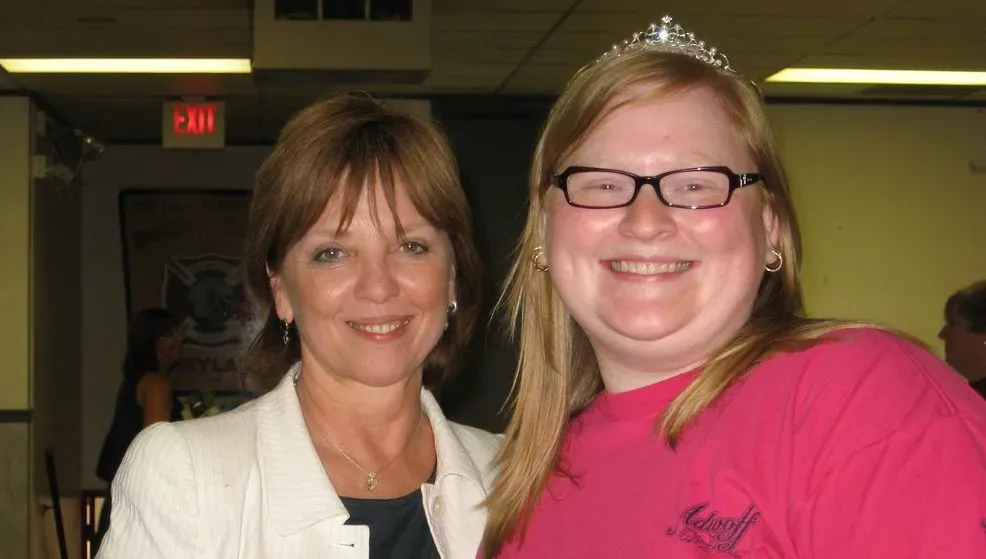
Nora Roberts had already built an enormous readership in contemporary romance by the time she launched the In Death series in 1995 under the name J.D. Robb. The books blend police procedural plotting with a futuristic setting, following detective Eve Dallas in a genre mashup that did not fit neatly alongside Roberts’ existing catalog. Separating the two identities let readers approach the series without assuming it would read like her romance novels, and let Roberts write in a noticeably different register.
Unlike some pseudonyms on this list, the J.D. Robb identity was never really meant to be a deep secret, more a practical branding choice for bookstore shelves and reader expectations. The series has since grown into dozens of entries and remains one of the longest running pseudonymous projects by a bestselling author still active today. Roberts has spoken openly about the split identity for years, treating it as a matter of organization rather than concealment.
5. Agatha Christie became Mary Westmacott
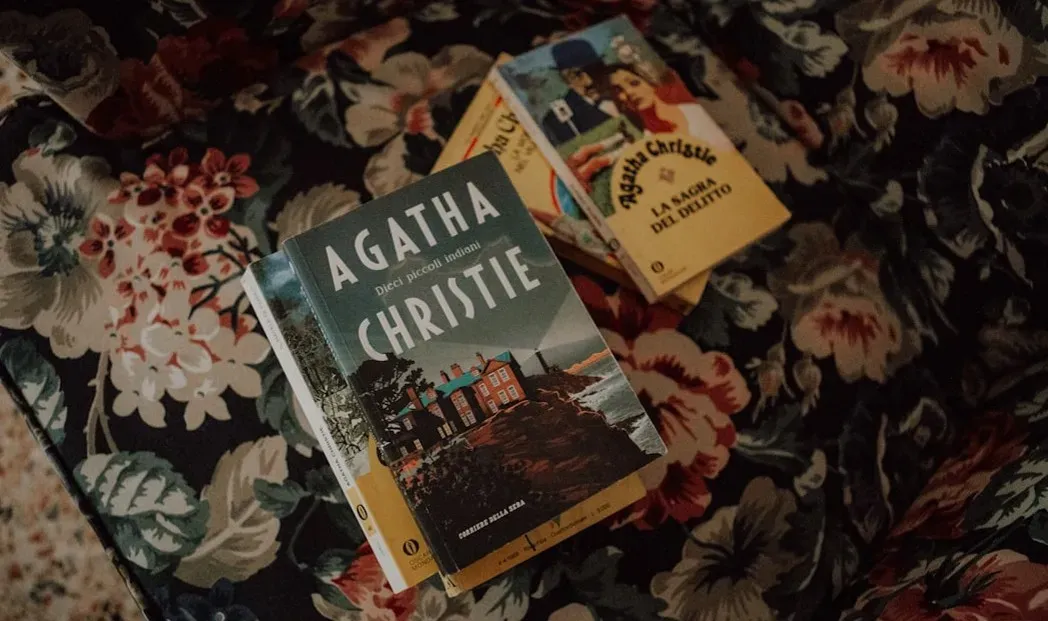
Agatha Christie was already the reigning name in detective fiction when she began publishing romantic and psychological novels under the name Mary Westmacott starting in 1930 with Giant’s Bread. The six Westmacott novels dealt with themes far removed from murder mysteries, focusing instead on relationships, grief, and personal identity. Christie kept the pseudonym secret for roughly two decades, reportedly finding real satisfaction in writing something outside the expectations built up around her detective fiction.
Partner offer
The identity eventually came out through a journalist’s investigation in the 1940s, though Christie continued using the name for new work even after the secret was public. The Westmacott novels never achieved anything close to the commercial success of Poirot or Marple, but that was never really the ambition behind them. They remain a lesser known corner of her body of work, valued mostly by readers curious about the writer behind the puzzles.
6. Julian Barnes became Dan Kavanagh

Before winning the Booker Prize for The Sense of an Ending, Julian Barnes wrote a run of gritty crime novels in the early 1980s under the name Dan Kavanagh. Duffy, the first in the series, was published in 1980 and dedicated to Pat Kavanagh, the literary agent Barnes had married the year before, from whom the pseudonym borrowed its surname. The books followed a bisexual former policeman turned private detective through a seedy, comic version of London, tonally worlds apart from Barnes’ literary fiction.
Barnes published two crime novels under the pseudonym before releasing his second novel, Before She Met Me, under his own name. The Kavanagh identity was less about hiding embarrassment and more about giving himself room to write something looser and pulpier without it coloring how critics approached his more serious work. He has published nothing under the Kavanagh name for more than twenty five years, though the four Duffy novels have been reissued for readers curious about this side project.
7. Anne Rice became A.N. Roquelaure
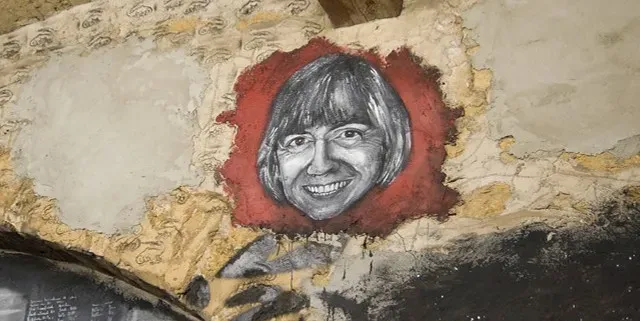
Anne Rice built her reputation on gothic horror with Interview with the Vampire and its sequels, but in the 1980s she published a trilogy of erotic fiction under the name A.N. Roquelaure, beginning with The Claiming of Sleeping Beauty in 1983. The books reimagined the classic fairy tale in explicit terms, a sharp departure from the vampire chronicles that had made her famous. Rice reportedly chose the pseudonym partly to protect her literary brand and partly to give herself the freedom to write material she felt would not fit comfortably next to her horror novels.
The connection to Rice eventually became widely known, and later editions of the Sleeping Beauty trilogy were reissued acknowledging her authorship openly. She also wrote erotica under a second pseudonym, Anne Rampling, further separating different strands of her writing from one another. The layered use of pen names reflected an author who was unusually deliberate about keeping her various creative identities distinct, even as her real name eventually attached itself to all of them.
What these seven cases share is less about secrecy for its own sake and more about wanting a clean read of the work. Fame tends to arrive with a halo effect, where a familiar name can soften criticism or inflate praise before a single page gets judged on its own terms. Writing under another name, even briefly, let each of these authors find out what their words could do without that halo attached.
Partner offer
Planning a trip to Vegas?
Compare hotel rates and show tickets on VEGAS.com.