History tends to remember the loudest moments, the riots, the wars, the violent uprisings that topple governments overnight. Yet some of the most durable political transformations of the past century came from crowds that refused to raise a fist. They marched, they sang, they sat down, they simply stopped participating in systems they found unjust, and in doing so they changed laws, toppled dictators, and rewrote the boundaries of what ordinary people could accomplish together. What follows are eight protest movements, spanning nearly a full century and four continents, that relied on discipline and restraint rather than force. Each one left behind something concrete: a new law, a new government, or a new sense of what nonviolent resistance could actually achieve.
1. The Salt March, India, 1930
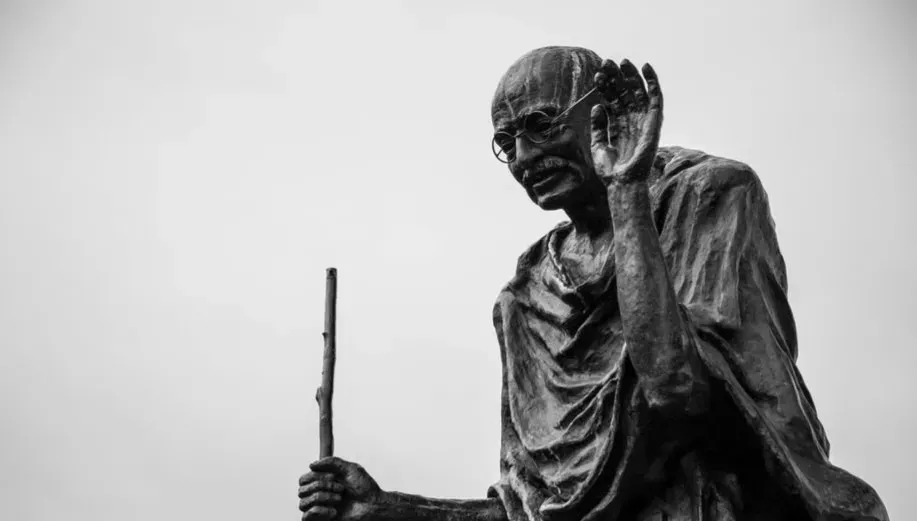
In March 1930, Mohandas Gandhi set out on foot from the Sabarmati Ashram toward the coastal village of Dandi, accompanied at first by only a small group of followers. Gandhi started this march with 78 of his trusted volunteers, and the march spanned 240 miles, from Sabarmati Ashram to Dandi. The target was deceptively small: a British law that prohibited Indians from producing or selling salt and forced them to buy expensive, heavily taxed salt.
By the time Gandhi reached the shore twenty four days later, the crowd trailing him had swelled into the thousands, and when he bent down to pick up a lump of natural salt from the mud, he had, quite deliberately, broken the law in front of the world’s press. Civil disobedience broke out all across India, soon involving millions of Indians, and British authorities arrested more than 60,000 people. The march did not end British rule on its own, but it proved that mass nonviolent defiance could rattle an empire, a lesson that shaped India’s path to independence in 1947 and later inspired civil rights organizers half a world away.
2. The Montgomery Bus Boycott, United States, 1955-1956
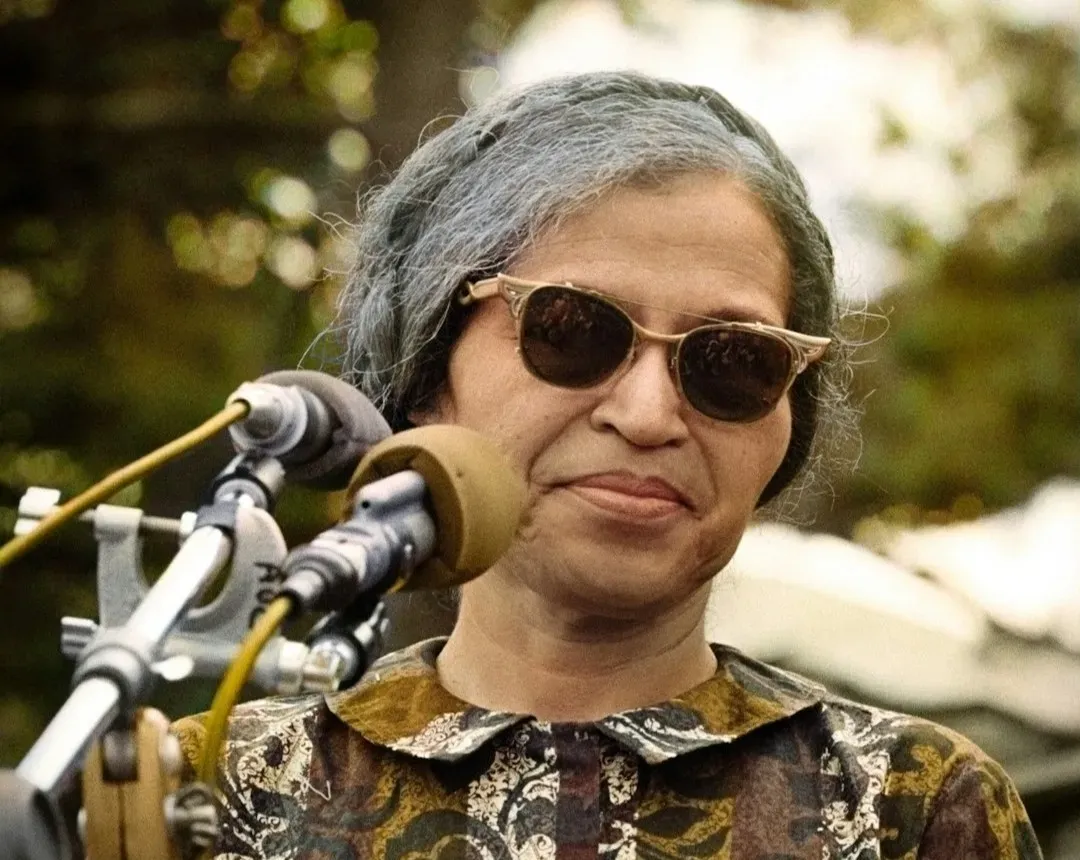
The boycott began the way many turning points do, almost by accident. The event that triggered the boycott took place in Montgomery on December 1, 1955, after seamstress Rosa Parks refused to give her seat to a white passenger on a city bus, since local laws dictated that African American passengers sat at the back of the bus while whites sat in front. Within days, Montgomery’s Black residents organized a coordinated refusal to ride the buses at all.
What followed was not a brief gesture but a grinding, more than year long campaign. Boycott supporters walked to work, sometimes as many as eight miles a day, or relied on a sophisticated system of carpools with volunteer drivers and dispatchers. The campaign lasted from December 5, 1955 to December 20, 1956, when the federal ruling Browder v. Gayle, a United States Supreme Court decision that declared the Alabama and Montgomery laws segregating buses unconstitutional, took effect. A young pastor named Martin Luther King Jr. emerged from the boycott as a national figure, and the organizing model built in Montgomery would be reused across the South for the next decade.
3. The March on Washington, United States, 1963
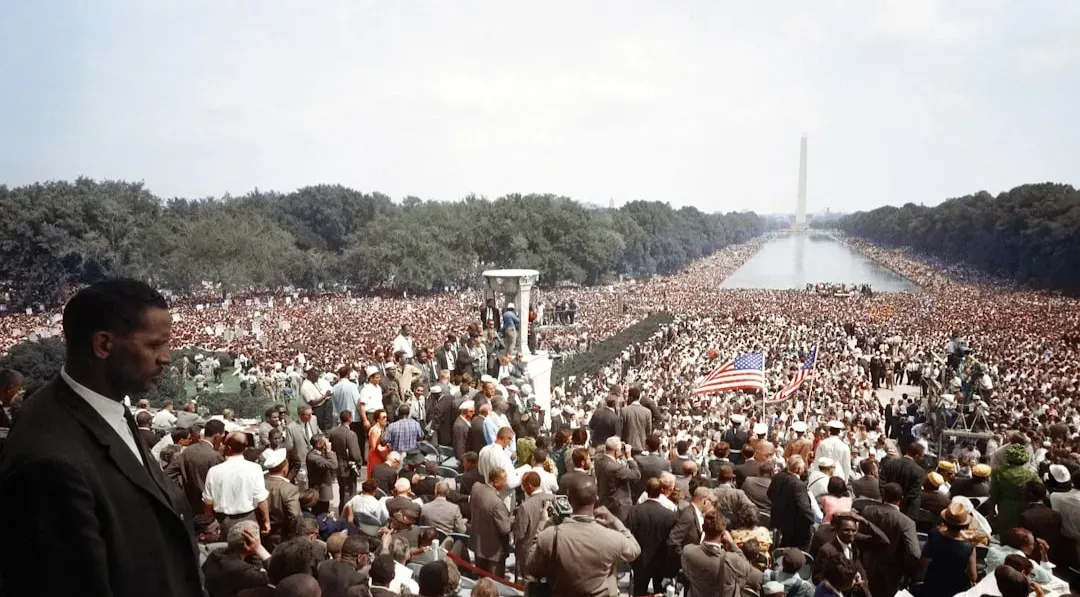
By the summer of 1963, the civil rights movement needed a moment that could not be ignored, and organizers built one deliberately. On August 28, roughly a quarter million people gathered on the National Mall in Washington, D.C., calling for jobs, freedom, and an end to racial segregation. It remains one of the largest gatherings for human rights in American history, and it unfolded without the violence many officials had feared.
The day is remembered largely for Martin Luther King Jr.’s closing address, but its lasting effect was legislative rather than purely rhetorical. The pressure generated that day helped push the Civil Rights Act of 1964 through Congress the following year, a law that outlawed discrimination based on race, color, religion, sex, or national origin in public life. The march demonstrated that a massive, disciplined, peaceful demonstration in the nation’s capital could move federal policy in ways that scattered local protests could not.
4. The Selma to Montgomery Marches, United States, 1965
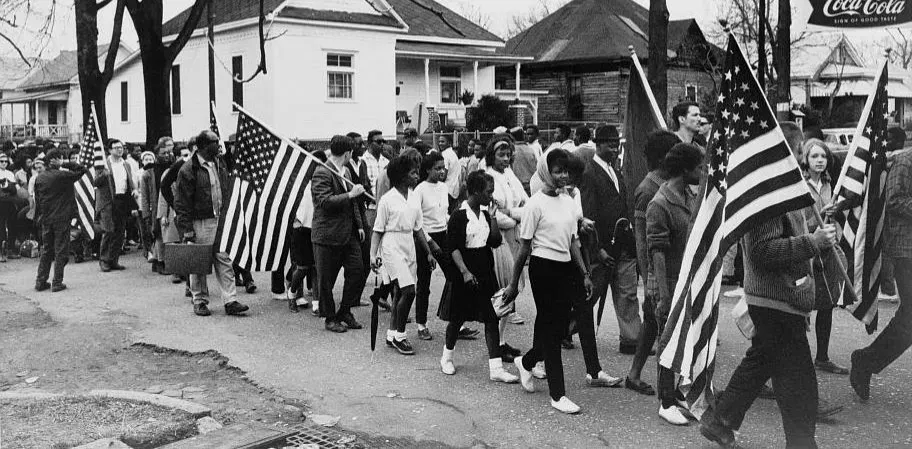
Two years after the March on Washington, activists turned their attention to voting rights, and Alabama became the battleground again. The first attempt to march the fifty four miles from Selma to Montgomery, on March 7, 1965, ended in state troopers beating unarmed marchers on the Edmund Pettus Bridge, an event that came to be known as Bloody Sunday. The images shocked much of the country and drew national attention to the barriers Black Southerners faced simply trying to register to vote.
A third and successful march, protected by federalized National Guard troops, finally reached Montgomery later that month. The campaign’s direct legislative descendant arrived within months, when Congress passed the Voting Rights Act of 1965, which struck down many of the discriminatory practices that had kept Black voters off the rolls across the South. Selma showed that nonviolent protest could work even when met with brutal resistance, so long as the discipline of the marchers held and the public was watching.
5. The Solidarity Movement, Poland, 1980-1989
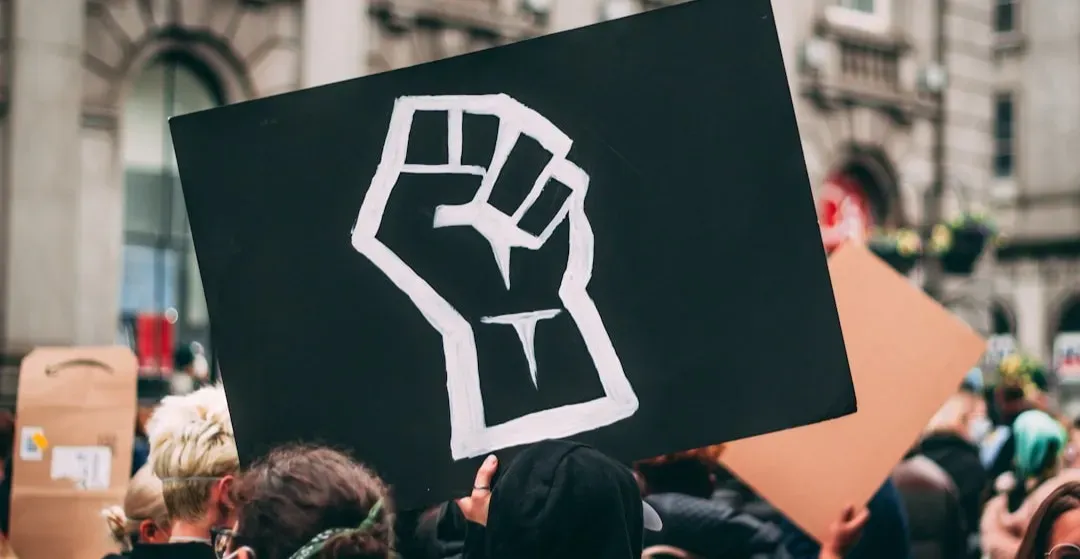
Solidarity began not as a political party but as a labor union, founded by shipyard workers frustrated with the economic failures of communist rule. In Gdańsk, Lech Wałęsa, Anna Walentynowicz and workers of the Lenin Shipyards founded the Polish trade union Solidarność, or Solidarity. Its tactics leaned heavily on strikes and coordinated economic pressure rather than street violence.
Strikes and nonviolent civil disobedience tactics employed by Solidarity paralyzed Baltic seaports, forcing the government into negotiations it had long tried to avoid. The movement survived a period of martial law and suppression in the early 1980s, only to reemerge by decade’s end as the force behind Poland’s first partially free elections in 1989. Poland’s transition became the template that much of the rest of the Eastern Bloc would follow within months, making Solidarity arguably the opening act of the Cold War’s peaceful conclusion.
6. The Singing Revolution, Baltic States, 1987-1991
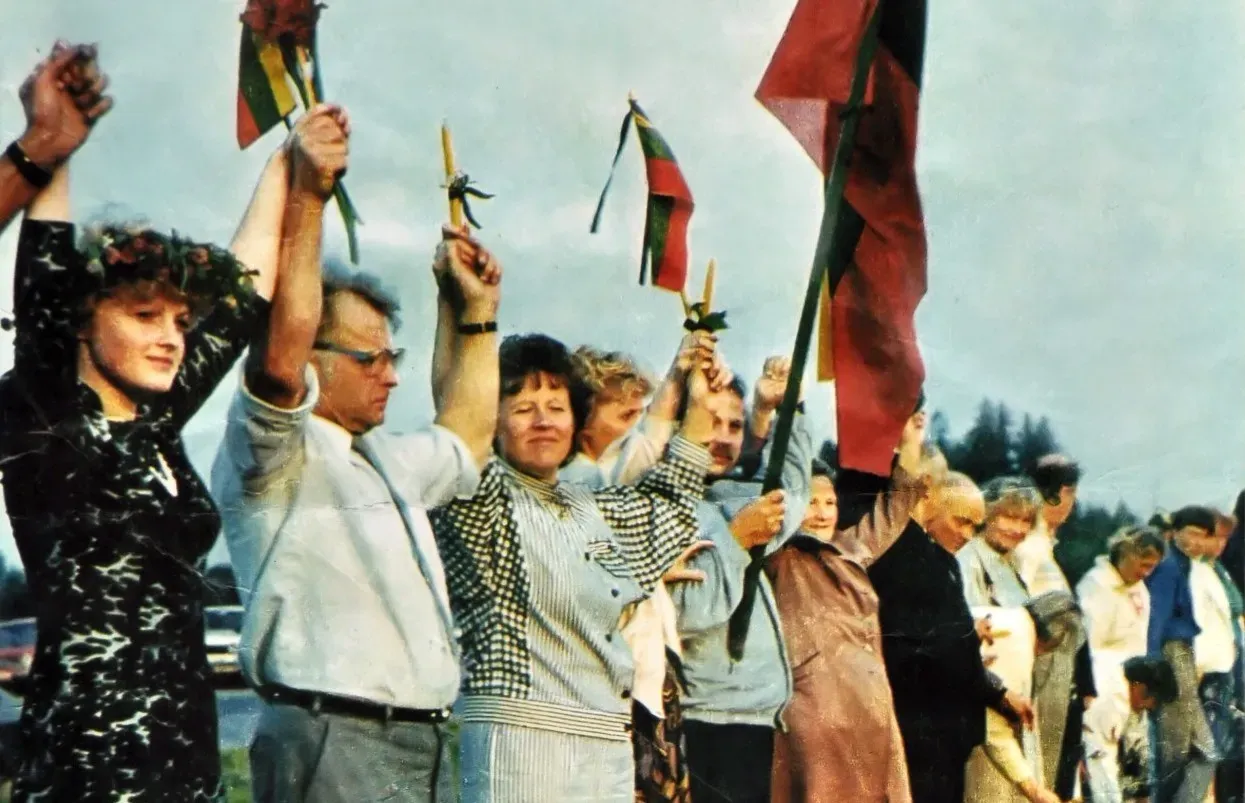
In Estonia, Latvia, and Lithuania, resistance to Soviet occupation took an unusual form: mass singing. Beginning in the late 1980s, hundreds of thousands of Baltic citizens gathered at outdoor song festivals, performing national anthems and folk songs that had been suppressed for decades under Soviet rule. The gatherings were peaceful by design, built around music rather than confrontation, which made it far harder for Moscow to justify a violent crackdown.
The movement’s most striking moment came in August 1989, when an estimated two million people formed a continuous human chain stretching across all three Baltic republics, known as the Baltic Way, to mark the fiftieth anniversary of the Molotov-Ribbentrop Pact that had divided the region between Nazi Germany and the Soviet Union. Within two years, all three countries had declared independence, restored in 1991 as the Soviet Union itself collapsed. The Singing Revolution remains one of the clearest examples of culture itself functioning as a form of organized, peaceful political resistance.
7. The Velvet Revolution, Czechoslovakia, 1989
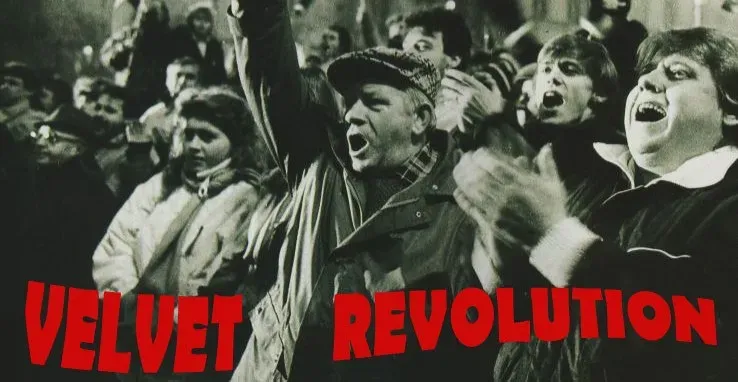
The Velvet Revolution took its name from the near total absence of violence in a transition that ended more than four decades of one party rule. The events that came to be called the Velvet Revolution began with a student march on November 17, 1989. Only eleven days after riot police had beaten peaceful student demonstrators in Prague, the Communist Party of Czechoslovakia relinquished its power and allowed the single party state to collapse.
What made the revolution remarkable was its speed once momentum built. Prominent figures, including dissident playwright Václav Havel, emerged as leaders advocating for change through organizations like Civic Forum, and by the end of December 1989 the Communist leadership had resigned, with Havel elected president. Within months, Czechoslovakia held its first free elections since before the Second World War, completing one of the fastest peaceful transfers of power in modern European history.
8. The EDSA People Power Revolution, Philippines, 1986
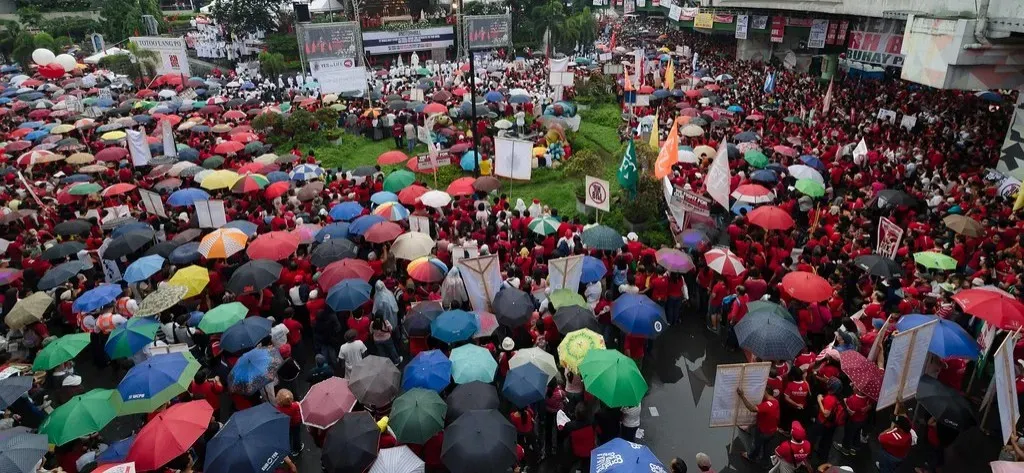
By early 1986, Ferdinand Marcos had ruled the Philippines for two decades, much of it under martial law, and a disputed snap election finally pushed public frustration into the streets. On February 22, citizens took to the streets on Epifanio de los Santos Avenue, and Cardinal Jaime Sin, the Archbishop of Manila, called upon Filipinos to support the peaceful protests. What began as a small military mutiny quickly turned into a mass civilian demonstration.
The turning point came when soldiers ordered to disperse the crowds refused. A faction of military officers refused to clamp down on the protestors and chose instead to defect. From February 22 to 25, 1986, hundreds of thousands of Filipinos gathered on the avenue to protest Marcos, and within days he and his family were forced to abdicate power and leave the Philippines. Corazon Aquino was installed as president, and the bloodless nature of the uprising became a reference point for democratic movements across Asia and beyond in the years that followed.
These eight movements were separated by decades, oceans, and vastly different political systems, yet they shared a common wager: that visible, sustained, disciplined nonviolence could outlast the will of those holding power. In every case, the change did not arrive instantly. It came after months or years of walking, singing, striking, or simply standing still in the same place long enough that the world had no choice but to look.