
Some movies get a fair shot at the box office and simply miss. Others arrive at the wrong moment, get buried by bad marketing, or open against a cultural juggernaut they never had a chance against. What happens next is the interesting part: years later, some of these films quietly become the ones people actually rewatch, quote, and defend. The eight titles below all struggled commercially when they first hit theaters, sometimes badly. Yet each one found a second life through home video, cable reruns, streaming, or plain old word of mouth, eventually earning the kind of loyalty their original box office numbers never suggested.
The Shawshank Redemption (1994)

Frank Darabont’s prison drama opened against a stacked field of 1994 releases and never stood a chance commercially. The film earned $16 million in its opening weekend in North America and ultimately grossed $28.3 million, barely covering its $25 million production budget, overshadowed by Forrest Gump, Pulp Fiction, and The Lion King, all released that same year. Part of the problem was simply branding. There were several reasons why the film struggled at the time of its release, starting with the title, since the English title The Shawshank Redemption is difficult for even Americans to grasp.
The turnaround came through channels nobody was tracking as closely as opening weekends. After the film’s numerous Academy Award nominations, positive reviews, and word of mouth from both men and women, it became one of the top rented films of 1995, and by 1997 TNT had broadcasting rights for the movie, making it a staple of its cable reruns. That slow-burn exposure eventually turned into something remarkable. In 2008, the film surpassed The Godfather to take the number one spot on the IMDb Top 250, and it has maintained that position almost consistently, with a vote count of approximately three million unmatched by any other film.
Fight Club (1999)

David Fincher’s adaptation of Chuck Palahniuk’s novel confused studio marketers just as much as it confused early audiences. The marketing didn’t work and Fight Club was a notorious box office bomb, only opening to $11 million and tapping out at $37 million at the U.S. box office, while Fox spent $65 million on the movie. Star Edward Norton later pointed to the ad campaign itself as part of the issue, arguing that distributor 20th Century Fox failed to properly sell the film’s tone.
What changed things was a format nobody quite predicted would matter so much. Fight Club became a huge hit when it came out on DVD, with the disc becoming a must-own item helped by its packed special features and the strong home-video market of the time, and it was the DVD that made the film into a cultural touchstone. Today the reversal is total. Fight Club is considered a cinematic masterpiece, ranked among the highest-rated films ever made on IMDb, and remains one of the most quoted and discussed films of the last three decades.
The Iron Giant (1999)

Brad Bird’s animated feature about a boy and a giant robot arrived with almost no promotional muscle behind it. Warner Bros. gave it a weak marketing campaign during a packed year for animation, and competing against Tarzan and Toy Story 2 didn’t help, so after a quiet box office run, it gained traction through home video and TV airings. It was a case study in how good a film can be while still failing to reach the audience it was made for.
The rediscovery has been steady rather than sudden, aided by frequent television airings and eventually digital rewatches. Films like The Iron Giant suffered from poorly targeted campaigns that failed to communicate their unique appeal. Parents who caught it on cable as kids have spent years passing it along to their own children, which is arguably the purest form of a film building its audience one household at a time.
Blade Runner (1982)

Ridley Scott’s science fiction noir landed the same summer as E.T. the Extra-Terrestrial and never had a fair fight for audience attention. Its moody pacing and morally ambiguous story clashed with what mainstream moviegoers wanted from a summer blockbuster at the time, and the film left theaters with modest returns against its production costs. Critics of the era were split, with many finding the film cold or confusing compared to the more crowd-pleasing science fiction hits surrounding it.
What eventually rescued the film’s reputation was a combination of home video circulation and a series of re-edited versions that clarified its ambiguities without softening them. Cerebral narratives like Blade Runner often alienated casual viewers but later attracted niche audiences, and it shaped cyberpunk’s visual language. Its influence on the look of science fiction cinema, from lighting to production design, is now so widespread that many later films borrowing its style outperformed it at the box office without anyone noticing the debt.
Speed Racer (2008)

The Wachowskis’ candy-colored adaptation of the classic anime opened into brutal competition and came away bruised. On the weekend of May 9, 2008, Speed Racer opened in theaters, anticipated to be one of the big movies of the summer with a huge marketing budget behind it, but the movie flopped on opening weekend, coming in at number 3 behind the second weekend of Iron Man and the newly released romantic comedy What Happens in Vegas, with The Dark Knight also released that same summer. Audiences at the time seemed to want grittier, more grounded blockbusters, and Speed Racer’s hyper-saturated visual style felt out of step with the moment.
Nearly two decades on, that same visual boldness is exactly what has drawn a new generation of fans. Now, 18 years after the movie crashed and burned at the box office, Speed Racer has become a cult classic, with its 4K Blu-Ray re-release quickly selling out and IMAX’s limited re-release proving so popular that extra showtimes were added. It turns out the film was simply ahead of the aesthetic curve that later blockbusters would chase.
Scott Pilgrim vs. the World (2010)
Edgar Wright’s genre-blending comic book adaptation struggled to find its audience despite strong reviews. It received positive reviews from critics, who noted its visual style and humor, though it was a box-office failure, grossing $48 million against a budget of $60 to $85 million. Star Michael Cera later suggested part of the issue was timing and competition rather than quality. According to Cera, the underperformance was partly due to stiff box-office competition from Sylvester Stallone’s The Expendables and the romantic drama Eat Pray Love, and he suggested the movie may have been too ahead of its time for audiences.
The film’s second act arrived through the exact kind of grassroots fandom that turns a flop into a cult object. With enough time, the intended audience didn’t just find the movie, they came to truly embrace it, loving it loudly, which helped it become a cult classic of sorts. That devotion was significant enough that Netflix later greenlit an anime spinoff. The film’s main cast reprised their roles in the 2023 animated television series Scott Pilgrim Takes Off, with Wright and Bacall also serving as executive producers on the series, which was co-written by O’Malley.
Babylon (2022)

Damien Chazelle’s sprawling Old Hollywood epic came in with A-list stars and an Oscar-winning director attached, yet it landed with a thud. Babylon was made for a budget in the $80 million range but bombed with $15 million at the domestic box office and $63 million worldwide. Reception was sharply divided rather than uniformly negative. On Rotten Tomatoes, the movie has a 57 percent score among critics and a 53 percent score among fans, lukewarm to say the least.
What has followed since is a slow but visible shift in how the film is discussed. However, the film has already been reappraised by many who have noticed its merits and given it retrospective acclaim, with plenty of notable names speaking about how great they thought Babylon was. Author Stephen King was among the more notable voices to weigh in, calling the film “utterly brilliant – extravagant, over the top, hilarious, thought-provoking,” and predicting it would be remembered as a classic decades later. Star Margot Robbie has said she remains genuinely puzzled by the initial backlash, and has publicly wondered whether audiences will look back on the film’s failure with surprise.
The Fall Guy (2024)
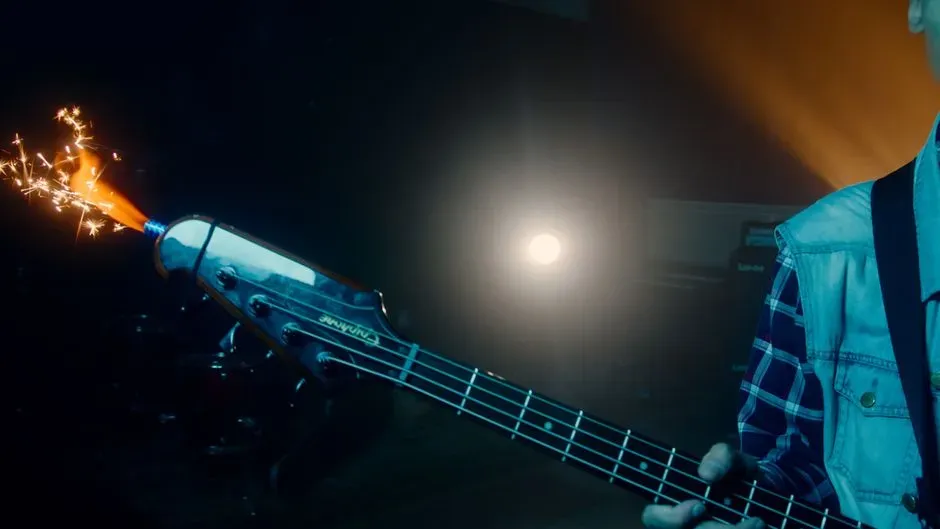
This is the most recent entry on the list, and it shows how quickly the pattern of theatrical flop turned home favorite can now play out. The Fall Guy was released in the United States on May 3, 2024, received positive reviews from critics, and holds an 82 percent approval rating on Rotten Tomatoes, yet despite its critical success it didn’t do well at the box office, only taking in $181 million worldwide against an estimated $125 to $150 million budget. That gap between what critics liked and what audiences paid to see in theaters became one of the more talked-about box office stories of that summer.
The film’s fortunes shifted almost as soon as it left theaters. The Fall Guy debuted on streaming via Peacock later in the year, and to everyone’s surprise, it broke Oppenheimer’s all-time streaming record and became Peacock’s most streamed movie. Audience sentiment on home viewing has been notably warmer than its theatrical reception, with viewers praising it as “a classic action popcorn movie” once they could watch it without the pressure of a theater ticket.
These eight films share a common thread beyond their rough openings. Each one eventually found the audience it was actually made for, just not on the timeline anyone at the studio had hoped. That gap between initial reception and lasting reputation says less about the films themselves and more about how unpredictable the moment of release can be, no matter how much talent or money sits behind a project.