Few things pull you out of a period film faster than a zipper that shouldn’t exist or a corset that looks like it came from a party shop. Costume designers know it, and the best of them spend months in archives, portrait galleries and museum stores before a single stitch is made.
Formal praise from historians is hard to pin down, since it’s scattered across reviews, exhibitions and academic talks. So the films below were chosen for things you can check: awards from the industry, documented research methods, and the historical periods they set out to recreate. Each is placed in its era so you can walk through them like a gallery.
Barry Lyndon (1975): Eighteenth Century Painting Come to Life
Stanley Kubrick wanted his film to look like paintings of the 1700s, and the costumes were central to that plan. The designers Ulla-Britt Söderlund and Milena Canonero won the Academy Award for costume design for it. The production drew on surviving garments and on the look of period portraits to build its wardrobe.
The film’s candlelit interiors, shot with specially adapted lenses, let the fabrics be seen in the light they were originally made for. Silk coats and powdered wigs hold up under that scrutiny in a way they rarely do under modern studio lighting. It remains a common reference point when people discuss how to dress a film in the Georgian era.
A Room with a View (1985): Edwardian Detail in Italy and England
Jenny Beavan and John Bright won the Oscar for costume design for this adaptation of E. M. Forster’s novel. The story is set in the early 1900s, a time when a woman’s day could involve several changes of clothes. The costumes track those rules closely, from the straw hats to the high collars and layered summer dresses.
What stands out is how ordinary the clothes feel. Nothing is pushed to the point of spectacle, which suits a story about social convention. That restraint is one reason the film is still used as a reference for Edwardian dress on screen.
Dangerous Liaisons (1988): The Rococo Wardrobe of Pre Revolutionary France
James Acheson won the Academy Award for costume design for Stephen Frears’ film, which is set among the French aristocracy of the 1780s. The silhouettes, with their wide skirts, tight bodices and elaborate hairstyles, were part of the story, not just decoration. These clothes were a kind of armor in a world of social manipulation.
The film’s costume work is often praised for matching the period’s rich fabrics and ornate styling without tipping into parody. That balance is hard to strike with a century as theatrical as the eighteenth. It’s a good example of accuracy and storytelling pulling in the same direction.
The Age of Innocence (1993): Gilded Age New York Down to the Gloves
Gabriella Pescucci won the Oscar for costume design for Martin Scorsese’s adaptation of Edith Wharton’s novel. The story takes place in the 1870s, among families for whom clothing signaled rank and rules were unspoken. In the film, dresses, evening wear and accessories all carry social meaning.
Partner offer
Scorsese is known for his attention to period detail, and the costumes were designed to support that. The film is often held up as proof that careful costuming can carry a story as much as dialogue can. Its wardrobe repays a second viewing, since small details of dress reveal who belongs and who doesn’t.
Amadeus (1984): Vienna and Prague in Silk and Powder
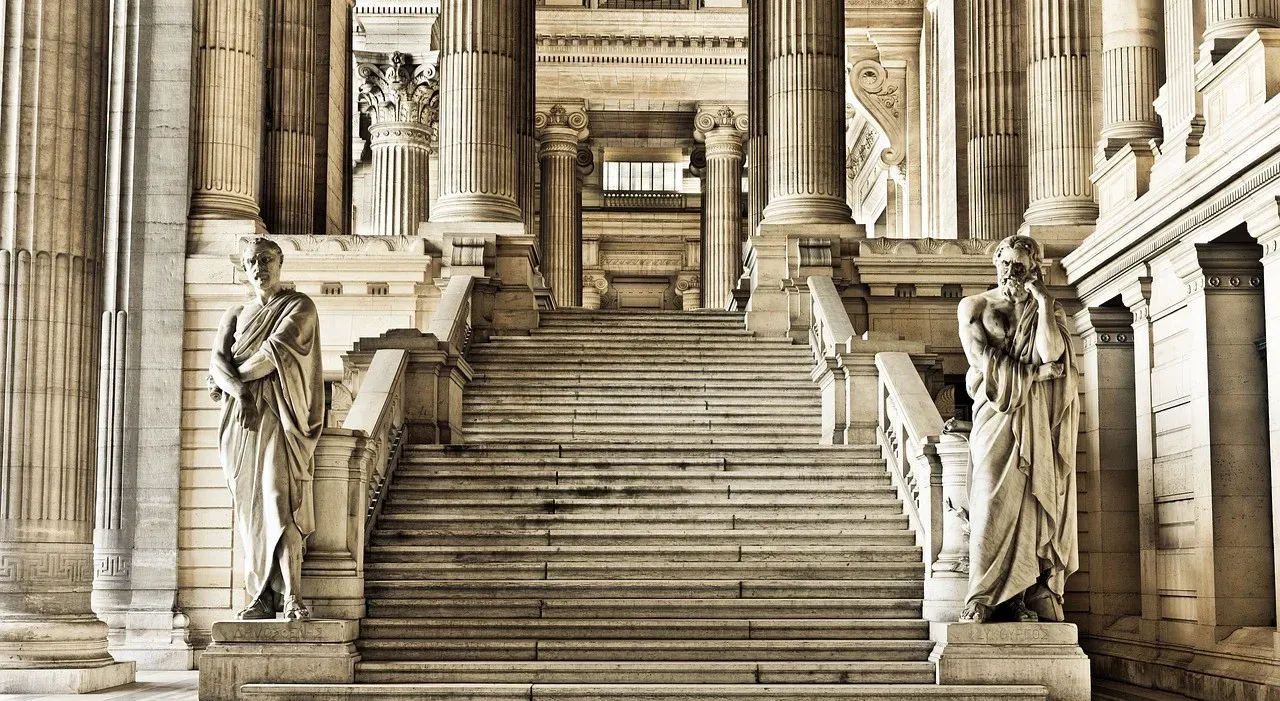
Theodor Pištěk won the Academy Award for costume design for Miloš Forman’s film about Mozart and Salieri. The film was shot largely in Prague, whose preserved old streets and buildings gave the costumes a convincing setting. Court dress of the late 1700s, with its embroidered coats and towering wigs, fills nearly every scene.
The costumes also help tell the story, setting the stiff formality of the court against Mozart’s flamboyance. They show that period accuracy can still leave room for character. Few musical biopics have been dressed with such care.
The Duchess (2008): Georgian Fashion at Its Most Extreme
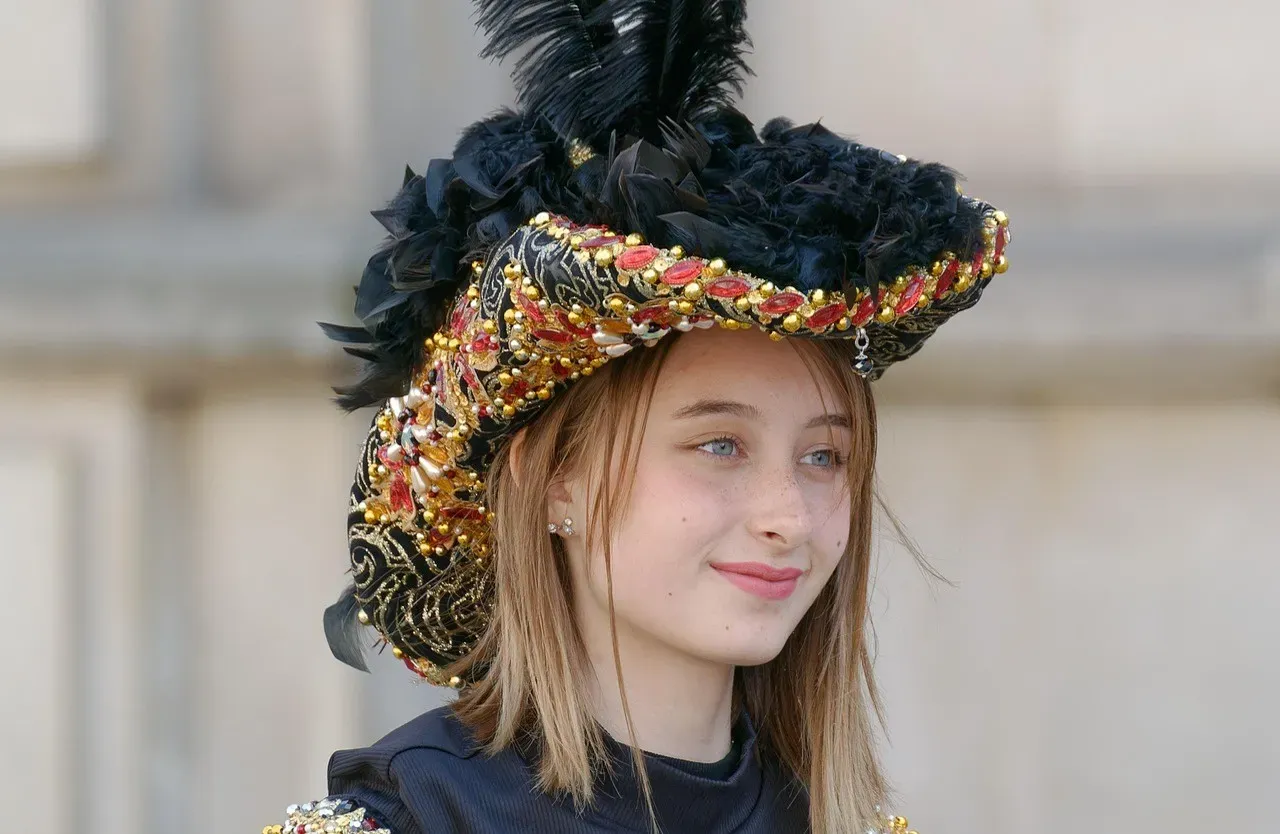
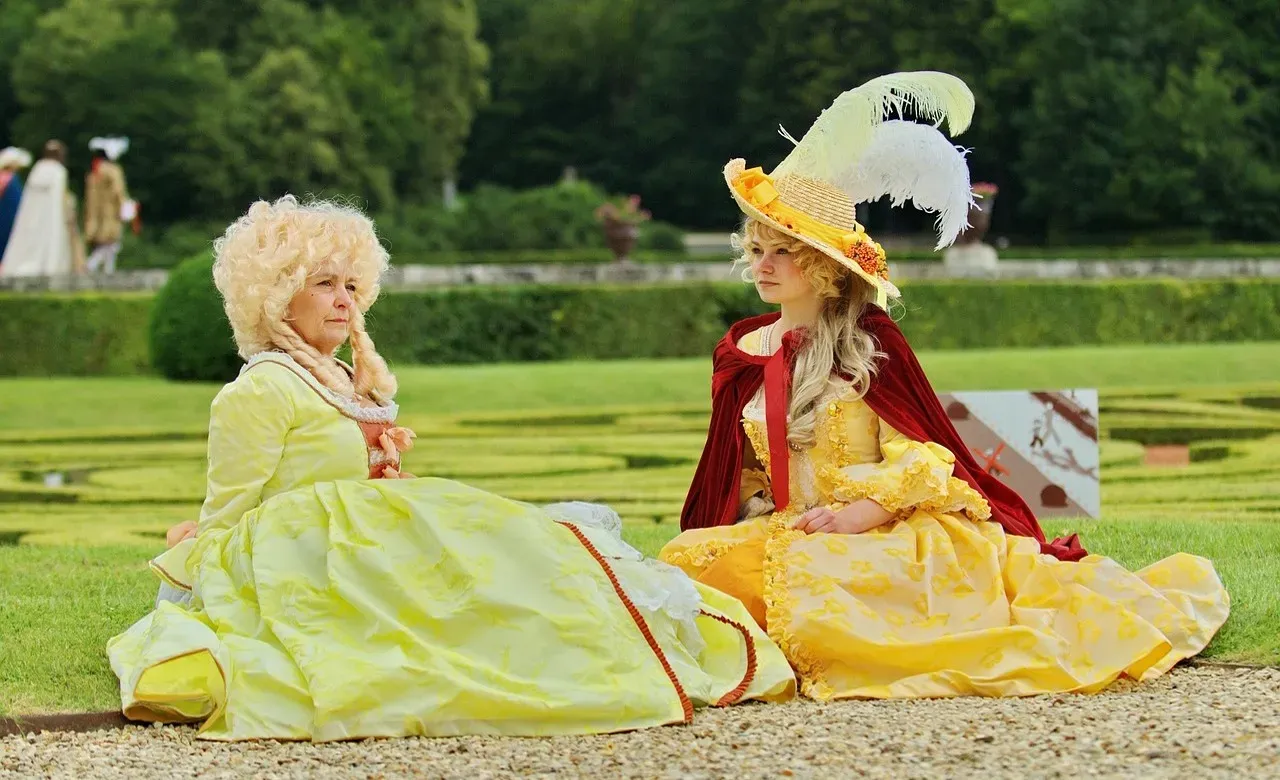
Michael O’Connor won the Oscar for costume design for the story of Georgiana, Duchess of Devonshire, who was a famous trendsetter in late eighteenth century Britain. Her real wardrobe was known for tall hairstyles and feathered headwear, and the film recreates those looks in detail. The costumes follow the period’s changing silhouettes as her life moves through the decades.
The sheer scale of the clothing is accurate to the era, even when it seems exaggerated to modern eyes. Audiences often assume such outfits are fantasy, yet they follow what fashionable society really wore. For anyone curious about Georgian style, it’s a useful visual guide.
Lincoln (2012): The Civil War Era in Wool and Broadcloth
Joanna Johnston received an Academy Award nomination for costume design on Steven Spielberg’s Lincoln. The film is set in the final months of the Civil War, and its clothes reflect the plain, dark, heavy fabrics of 1860s American political life. Surviving photographs from the period give modern designers a clear picture of how men and women dressed.
The restraint is the point. Rumpled suits and unglamorous gowns match what people of the time are shown wearing, not what later generations imagined. It’s a reminder that accuracy can mean subtlety, not spectacle.
Little Women (2019): Lived In Clothes of the 1860s
Jacqueline Durran won the Academy Award for costume design for Greta Gerwig’s adaptation of Louisa May Alcott’s novel. The March sisters are a family with limited money, so their clothes are layered, reworked and worn more than once. That approach feels truer to nineteenth century domestic life than the polished costumes of many earlier adaptations.
Durran’s designs also use color to separate the sisters and mark the timelines in the story, while staying within the period’s styles. The film shows that historical costume can be both accurate and fresh. It stands as a modern example of a designer reading the past carefully and choosing detail with purpose.
Partner offer
Planning a trip to Vegas?
Compare hotel rates and show tickets on VEGAS.com.