Walk into almost any independent bookstore and you’ll find a small cluster of books with handwritten notes tucked beneath them. They look casual, almost accidental. Behind them, though, there’s usually a set of habits that each store has worked out over time.
No single rulebook governs how those books get chosen. Booksellers describe different routines, and the differences say a lot about how each shop sees its customers.
It Starts With Actually Reading the Book

The most common starting point is simple. A bookseller finishes a title and wants other people to read it. One bookseller who writes about running an indie shop says their own preferences count for the most when they’ve read a book and plan to feature it as a staff pick.
That differs from how the same store orders stock in general. This bookseller describes a curatorial library model, in which the store will order nearly anything a customer asks for but is selective about what it carries. The staff pick is where personal enthusiasm gets the final say.
One Voice at a Time, Not a Committee

work because they sound like a person. A long-running Publishers Weekly column from a Vermont bookseller noted that customers come to trust the picks on the shelf. Over time they look for books recommended by particular staffers.
That’s why many stores keep each pick tied to a name or a signature style. The shelf isn’t one blended opinion. It’s several readers whose tastes shoppers learn to read, much as you’d learn which friend to ask for a thriller and which for a quiet novel.
How Often the Shelf Changes

Stores don’t agree on timing. In that same column, the writer described booksellers at a regional meeting who picked quarterly, others at the start of the year, and some as they were struck by a book. The column is from 2010, so it’s a snapshot of long-standing practice rather than current data.
Even so, one point drew agreement in that conversation. The shelf should change at least once every two weeks, so regulars don’t get tired of seeing the same titles.
Why the Display Has to Look Full
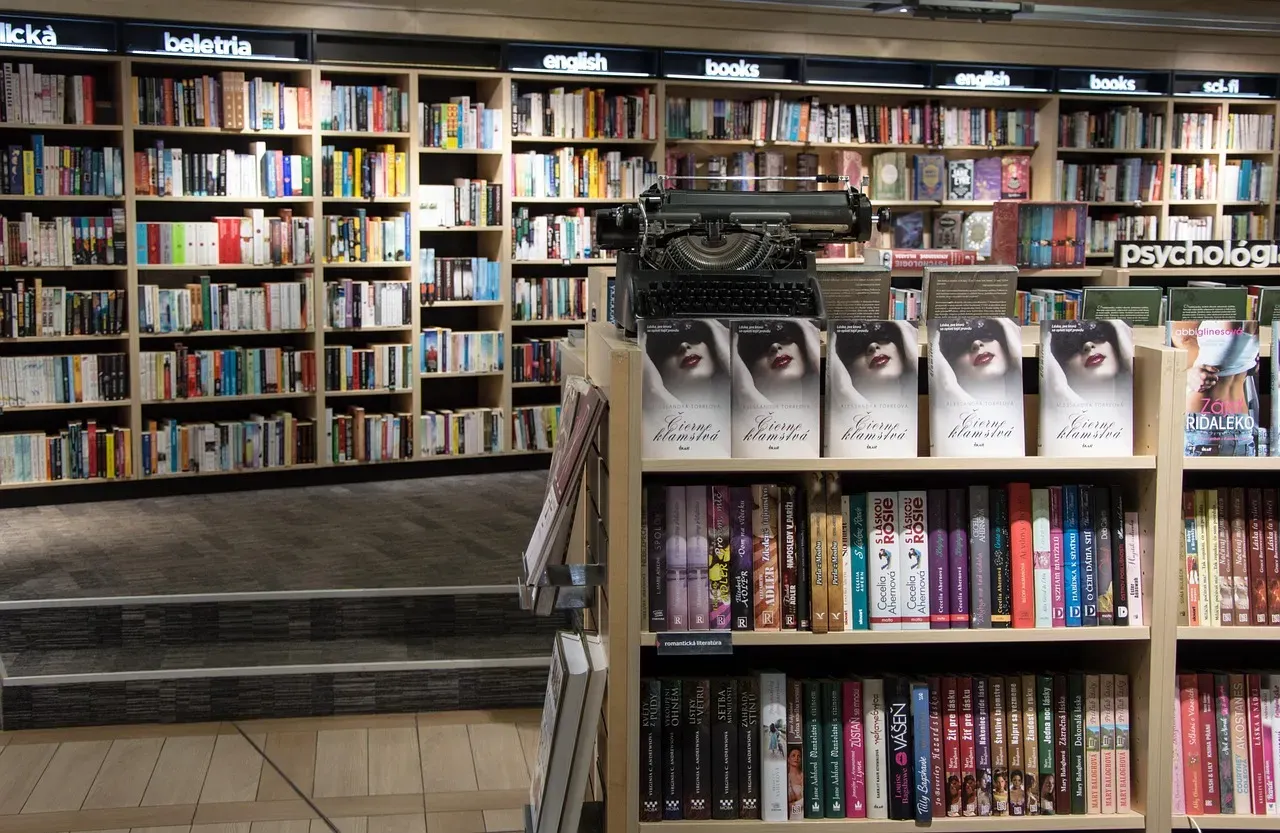
Logistics shape the picks more than readers might guess. The booksellers in that discussion agreed a shelf needs to look full and robust. A shelf holding one copy of each book looks sparse, and sparse shelves don’t draw people in.
One store worked out that its shelves could hold four books in a stack, face out, so it orders to that number. Customers also tend to hesitate to take the last copy, since it leaves a visible gap. So a pick often needs to be a book the store is willing to stock deeply.
Partner offer
Writing the Shelf Talker

The note beneath the book matters nearly as much as the choice. One reader and blogger describes a good shelf talker as one that says in a few words what kind of book it is, why the writer loved it, and who else might enjoy it.
Brevity is the usual advice. A 2026 blog post on shelf talkers argues most should run a sentence or two, since a customer who spends minutes reading the note might as well read the flap copy. The Mountain and Plains Independent Booksellers Association offers guidance on writing them, according to the same post.
Handwriting, Color, and Placement

Stores present their picks in very different ways. Some use neat white card stock, while others give each staff member a signature color so customers can follow a favorite bookseller across sections. A bookseller writing in Publishers Weekly noted that clusters of one color in romance or science fiction hint at that person’s favorite genre.
Placement gets attention too. The same column reports that handwritten notes are preferred by many bookselling experts, and that pulling shelf talkers up to a consistent eye level is often recommended. The author admits her own store doesn’t follow that advice, and says books on middle shelves sell better anyway.
Hardcovers, Paperbacks, and the Face Out Question
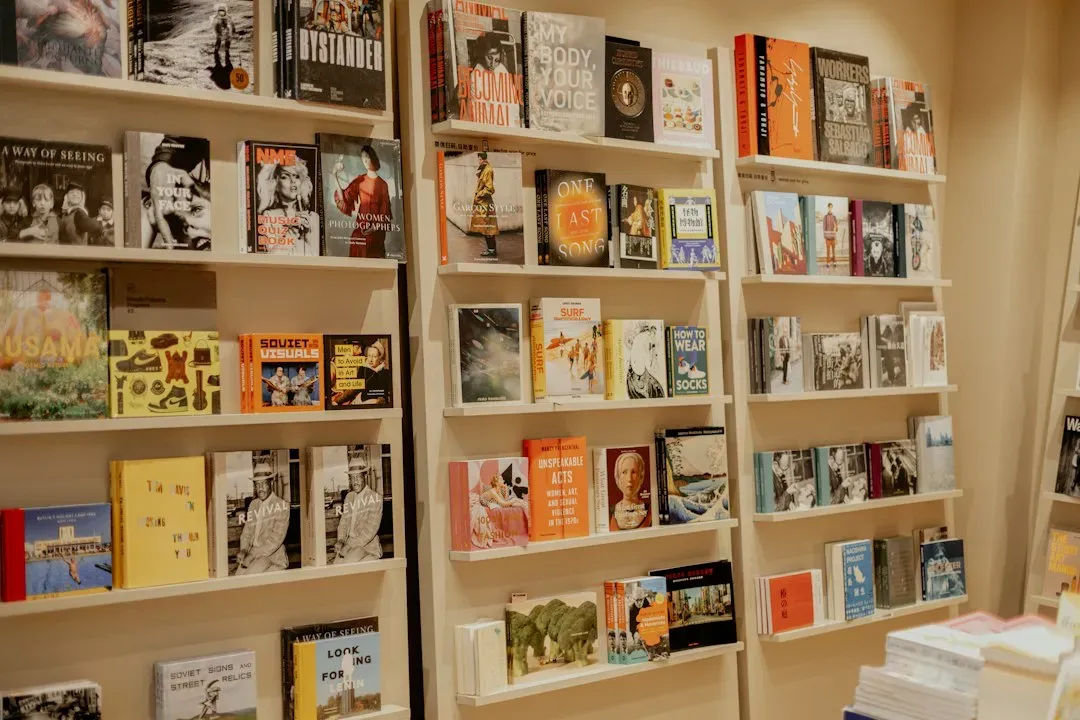
Practical details decide how a pick gets shown. One bookseller interviewed in a recent Substack column aims for two or three face outs on every shelf. Those are almost always hardcovers, because paperbacks curl when displayed that way.
Shelf talkers solve that problem for paperbacks. The same bookseller uses them to draw attention to paperbacks the staff are excited about, even when the books stay spine out.
From the Shelf to the Screen
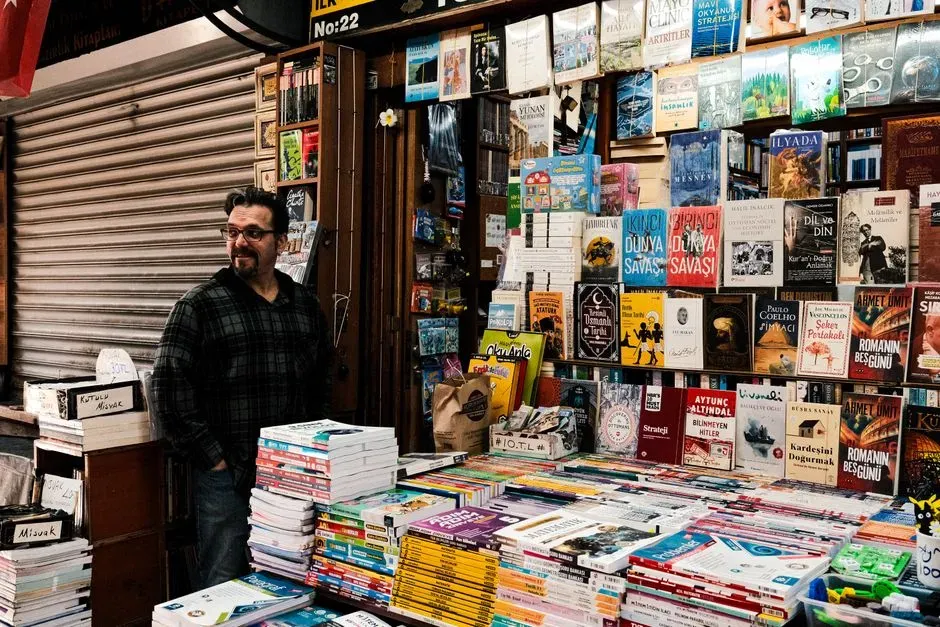
no longer live only in the store. One indie bookseller says their picks appear on the shop’s social media and website as well as on the shelf. Powell’s Books, which a Book Riot writer calls the largest independent bookstore in the world, publishes online alongside its in-store shelf talkers.
The same logic applies online as in person. A named bookseller, a short reason, and a book the staff has actually read carry the pick.
Why the Format Endures

Bookazine, a book distributor, notes that indie staff often hand select titles and use shelf talkers that have become a staple for loyal customers. It adds that readers often leave with books they didn’t know they needed.
The bookseller behind the Substack post on shelf talkers sums up the commercial point plainly: staff recommendations sell books. The method stays small, personal, and tied to what the people in the store have read.
Partner offer
Planning a trip to Vegas?
Compare hotel rates and show tickets on VEGAS.com.