Music history is full of near misses. A phone call that never gets returned, an audition that goes sideways, a scheduling conflict that changes everything. Some of the biggest names in pop and rock came within a whisker of joining a completely different act before fate, or a rejection, pushed them toward the career we actually know. These stories rarely make the highlight reel, yet they shaped the sound of entire decades. Here are eight artists who nearly ended up singing, playing, or drumming for a band that isn’t the one that made them famous.
Elton John and King Crimson
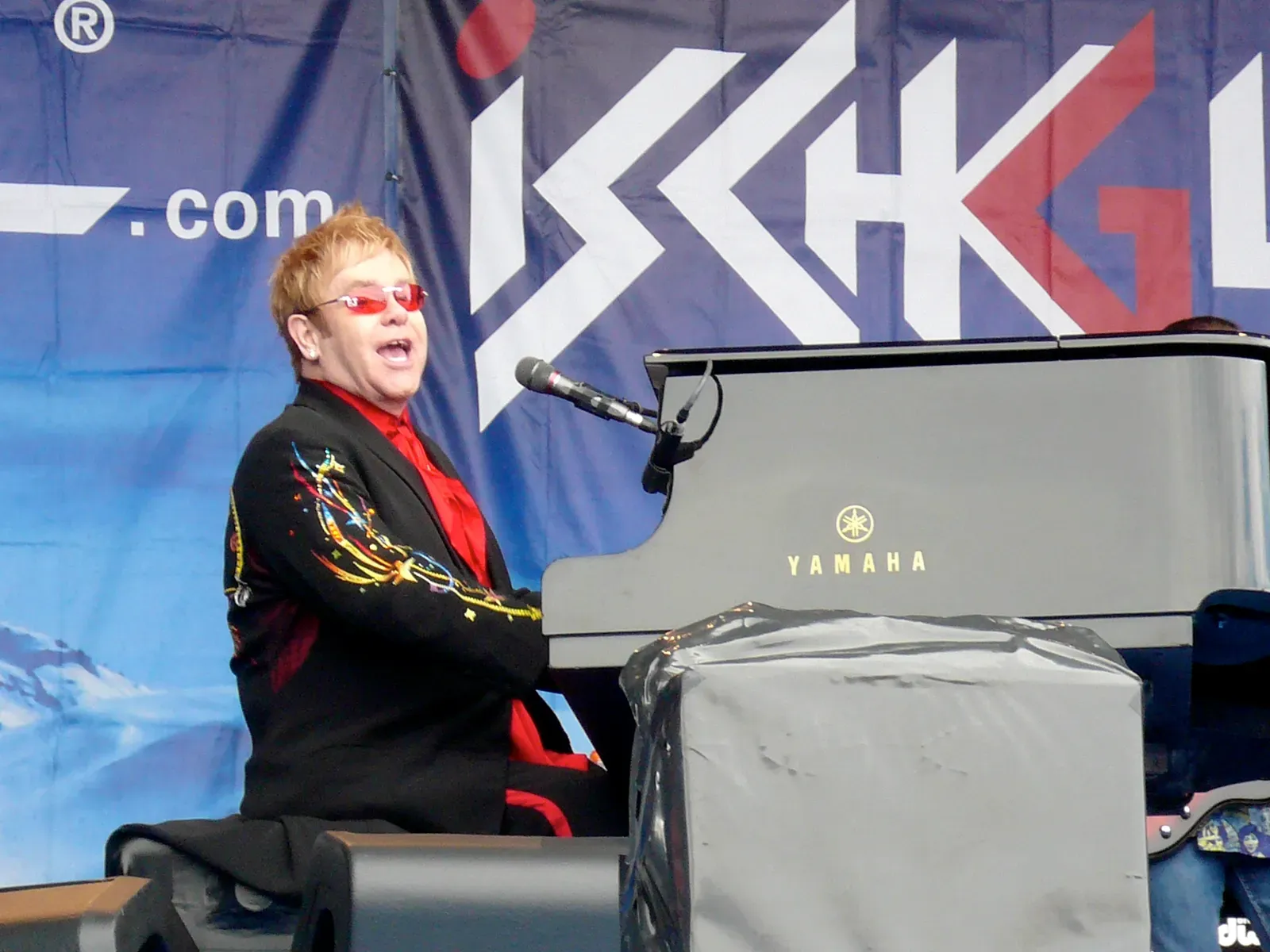
Long before he was filling stadiums, a young session singer named Reg Dwight, soon to become Elton John, was considered by a studio executive to be King Crimson’s new singer for their second album, and Robert Fripp wouldn’t agree to anything until he’d heard John’s music. Fripp listened to Empty Sky, John’s debut, hoping to hear something that fit the band’s sound.
It didn’t work out. Fripp later wrote that Elton had been booked to sing all the songs on the album for 250 pounds, but his style didn’t seem right for Crimson, so the sessions were canceled. Elton John went on to build a solo career that made King Crimson’s prog rock look like a footnote by comparison, though the story remains one of rock’s great what ifs.
Sheryl Crow and Fleetwood Mac
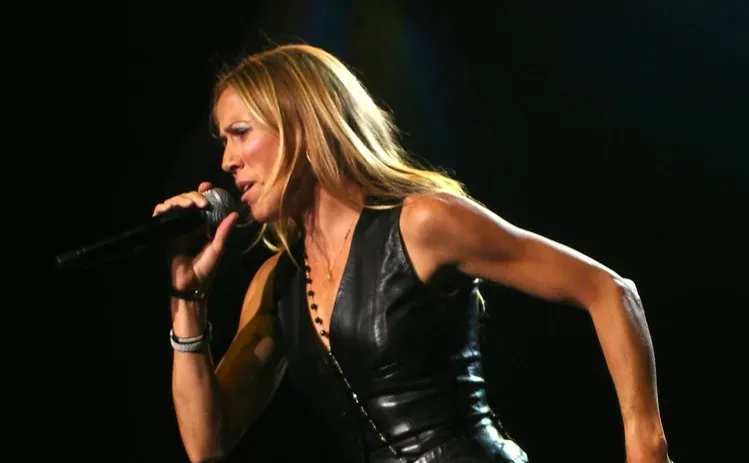
In the early 2000s, after Christine McVie stepped back from touring, there was real talk of Sheryl Crow filling the gap in Fleetwood Mac. Stevie Nicks later said Crow passed on Fleetwood Mac and wanted that fact known publicly. The two were close friends, and for a moment it looked like a natural fit.
Crow herself later opened up about it, explaining that she nearly joined Fleetwood Mac after Christine McVie’s departure, noting she and the band all talked about it, but she had a new record coming out and some things just didn’t line up. She also admitted that Lindsey Buckingham wasn’t enthusiastic about the idea, and she didn’t want to upset something that was already beautiful by joining under those circumstances. It’s a rare case of a star turning down a legendary band out of respect rather than rejection.
Ronnie Wood and Led Zeppelin
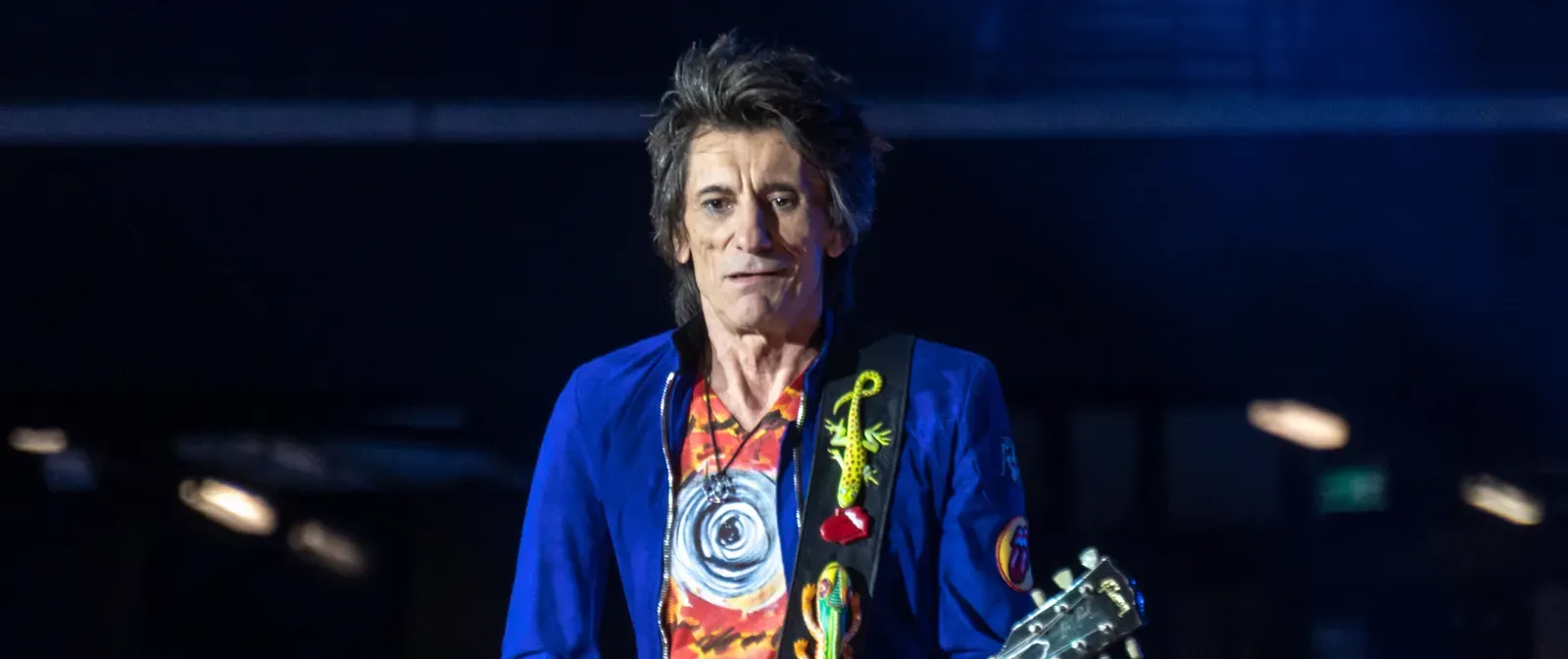
Before he became a Rolling Stone, Ronnie Wood had a brush with rock history that could have rerouted his entire career. Manager Peter Grant was putting together a new project called The New Yardbirds, and Wood later recalled that he had an offer to join and turned it down, joking he couldn’t join “that bunch of farmers”.
That band, of course, became Led Zeppelin. At the time, Wood was playing alongside Jeff Beck and Rod Stewart in the Jeff Beck Group, and around the same period he was recruited alongside Rod Stewart into The Faces in 1969. It’s strange to imagine a version of Led Zeppelin with Ronnie Wood on guitar instead of, or alongside, Jimmy Page, but that near miss simply became one more odd footnote in a decade packed with them.
Freddie Mercury and Sour Milk Sea
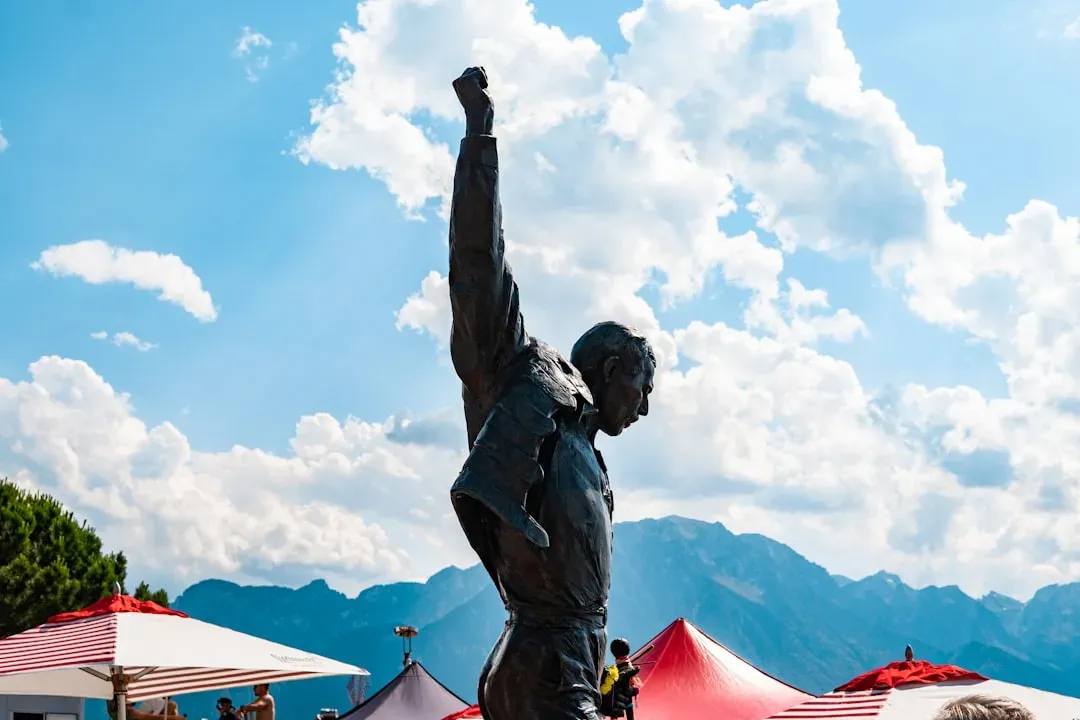
Before Queen existed in any form, Freddie Mercury spent time bouncing between short lived bands trying to find the right fit. One of these was Sour Milk Sea, a group he joined for a brief stretch in 1969 alongside a handful of other young London musicians chasing a break.
The band folded before it ever released anything or built a real following. That collapse turned out to be a blessing in disguise, since it was around this time that Mercury connected with guitarist Brian May and drummer Roger Taylor, who were playing together in a band called Smile. That partnership eventually became Queen, but for a short window, Mercury’s musical future looked like it belonged to a group most people have never heard of.
Boy George and Bow Wow Wow
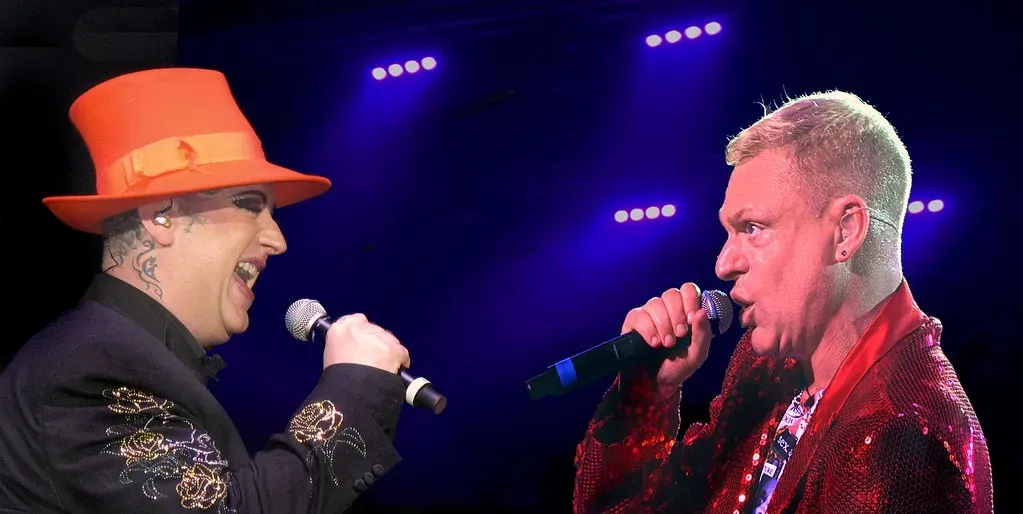
George O’Dowd, better known as Boy George, had an unusual false start before Culture Club made him a household name. In 1980, manager Malcolm McLaren was assembling a new band called Bow Wow Wow using musicians from Adam and the Ants, and George was brought in as the original lead singer.
Partner offer
The arrangement lasted only a matter of weeks. He was soon replaced by a teenage singer named Annabella Lwin, and Boy George moved on to form Culture Club not long after. It’s a strange twist that one of the most flamboyant frontmen of the 1980s briefly fronted a band that ended up becoming famous for someone else’s voice entirely.
Billy Idol and Chelsea
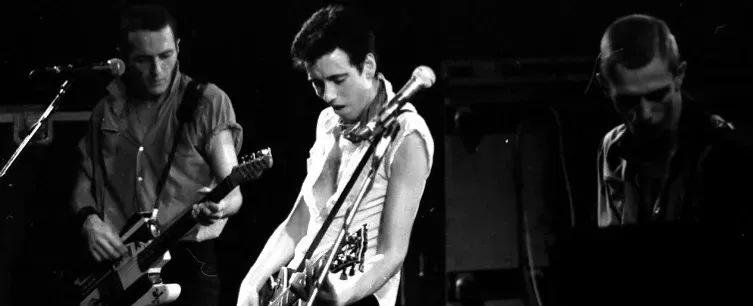
Before the spiky hair, the snarl, and hits that defined new wave radio, Billy Idol was a founding member of a scrappy London punk band called Chelsea in 1976. It was one of the earliest groups to form during punk’s first wave in Britain, sharing bills with bands that would soon become far more famous.
Idol didn’t stay long. Within months he split from Chelsea alongside bassist Tony James to start Generation X, which gave him his first real taste of success before his solo career took off in the following decade. Chelsea carried on without him and remained a respected but far less commercially successful act, a reminder of how thin the line can be between obscurity and stardom in the punk scene of that era.
Dave Grohl and Tom Petty and the Heartbreakers
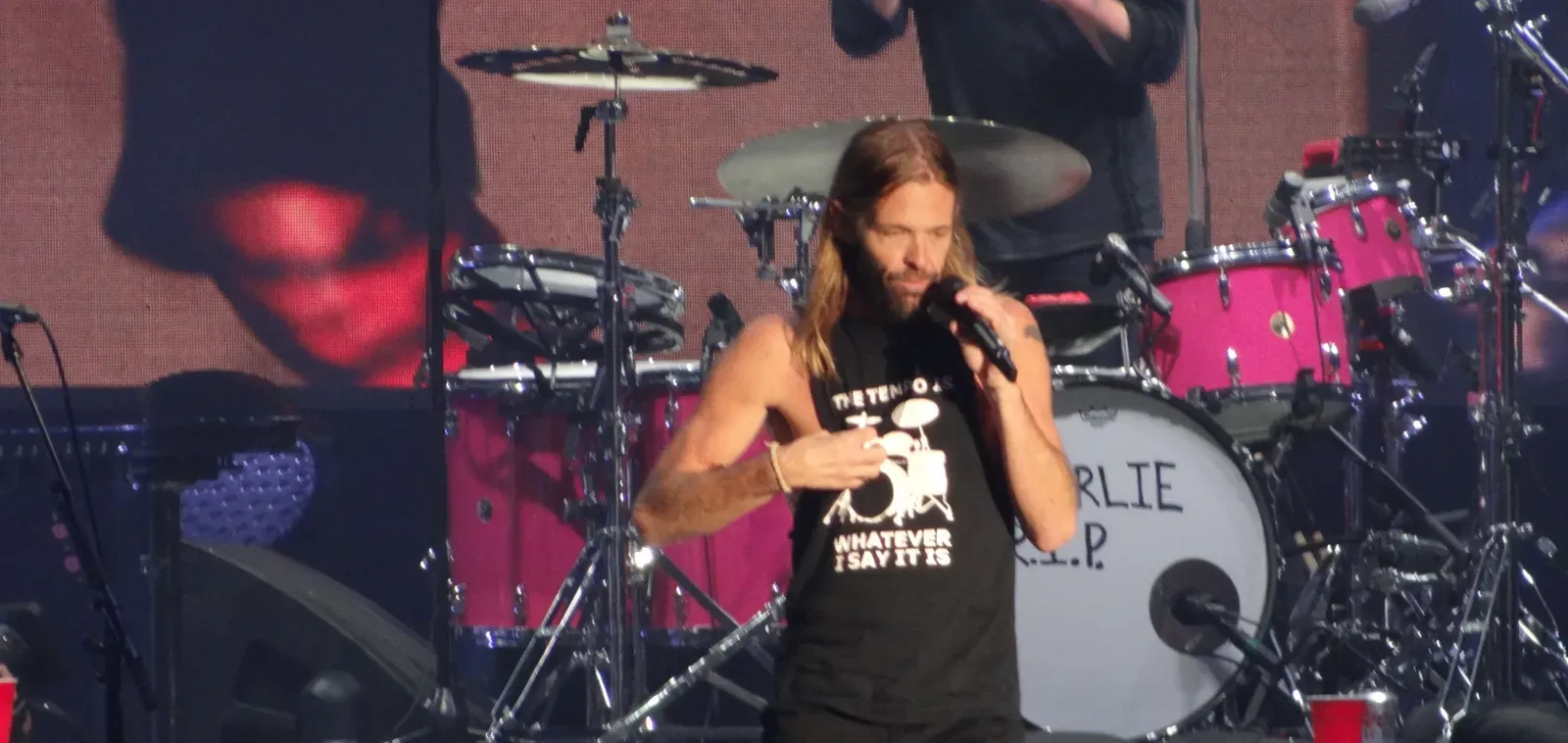
After Nirvana ended in 1994, Dave Grohl found himself at a genuine crossroads, unsure whether he wanted to keep playing drums for someone else’s band or start something of his own. Tom Petty offered him a spot as touring drummer for the Heartbreakers, and Grohl actually performed with the band at the MTV Video Music Awards that year.
It could have been the start of a long stint behind someone else’s kit. Instead, Grohl decided to step out from behind the drums entirely and form Foo Fighters, initially as a solo recording project before it grew into a full band. Petty’s offer remains one of those quiet almost moments that, had it gone differently, might have kept one of rock’s most recognizable voices out of the spotlight for years longer.
Belinda Carlisle and The Germs
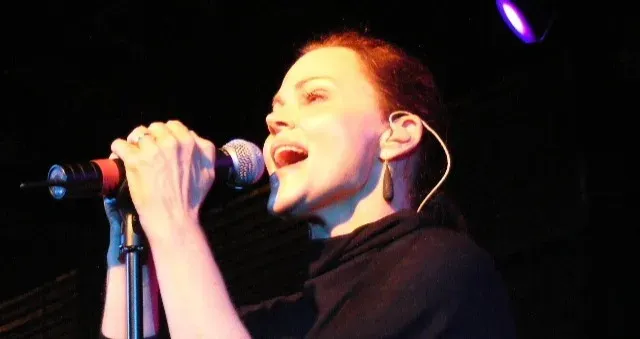
Long before she was fronting The Go-Go’s, Belinda Carlisle was circling the early Los Angeles punk scene under the nickname Dottie Danger. She was set to be the original drummer for The Germs, one of the most notorious and chaotic bands to come out of that scene.
Illness got in the way before she ever played a real show with them. A bout of mononucleosis forced her out, and The Germs moved forward without her, eventually becoming a cult favorite known for its raw energy and its singer’s turbulent history. Carlisle recovered and redirected her energy into The Go-Go’s, trading punk chaos for polished new wave hooks that would define a very different chapter of her career. Taken together, these stories say something simple about how careers actually unfold. Talent finds a way through, even when the first door it tries stays shut.
Partner offer
Planning a trip to Vegas?
Compare hotel rates and show tickets on VEGAS.com.