You pick up a small white bag at the pharmacy counter, and inside is a bottle with a label packed in tiny print. Most of us glance at it, nod, and head home. Yet the few minutes at that counter are among the best chances to catch a mistake or clear up a doubt.
Pharmacists are trained in how medicines behave in the body, and they’re often easier to reach than a doctor. Public health groups such as the Agency for Healthcare Research and Quality and the U.S. Food and Drug Administration encourage patients to ask questions before starting a new drug. These eight are worth keeping in mind.
What Is This Medicine For?

It sounds basic, but it matters. The label often lists directions without naming the condition, and some drugs treat several unrelated problems. A medicine such as gabapentin, for example, is used for nerve pain and seizures, so knowing why it was chosen for you avoids confusion.
Confirming the purpose also acts as a safety check. If you were told it was for blood pressure and the pharmacist describes something different, you can sort it out before the first dose. Both the FDA and AHRQ list this as a core question for patients.
How and When Should I Take It?

Directions like “twice daily” can be read in more than one way. Should the doses be twelve hours apart, or just morning and evening? Should the pill go down with food, on an empty stomach, or with a full glass of water?
Timing can change how well a drug works. Some antibiotics and thyroid medicines absorb poorly when taken with certain foods or supplements, according to FDA patient guidance. Ask the pharmacist to be specific, and ask whether the pill can be crushed or split, since some extended release tablets shouldn’t be.
What Side Effects Should I Expect?

Every medicine has possible side effects, and the leaflet can read like a wall of warnings. A pharmacist can tell you which ones are common and mild, and which ones need a call to your doctor right away. Drowsiness, nausea, and dry mouth are typical examples of things that often fade.
Ask what to do if something happens. Knowing in advance whether to keep taking the drug, stop it, or seek urgent care helps you avoid both panic and unsafe guesswork. The FDA also runs the MedWatch program, where patients can report serious problems themselves.
Will It Interact With My Other Medicines or Supplements?

Interactions are one of the biggest reasons pharmacists want a full picture of what you take. That includes over the counter pain relievers, vitamins, herbal products, and even grapefruit juice, which affects how certain drugs are processed. St. John’s wort is a well known herbal product that can weaken some prescription medicines.
Don’t assume the pharmacy system knows everything. If you use more than one pharmacy or buy supplements elsewhere, it can’t see the whole list. Bringing an updated list, or simply naming everything aloud, gives the pharmacist what’s needed to flag a conflict.
Are There Foods, Drinks, or Activities to Avoid?

Some restrictions are surprising. Alcohol can intensify drowsiness with many sedating medicines, and the blood thinner warfarin works differently depending on how much vitamin K you eat from leafy greens. Certain drugs also make skin more sensitive to sun.
Driving and operating machinery come up too. If a medicine can cause dizziness or sleepiness, it’s smart to learn that before you head to the car. A quick question now can prevent a risky afternoon later.
What Should I Do If I Miss a Dose?

Almost everyone forgets a dose eventually. The right response varies: with some drugs you take the missed dose as soon as you remember, while with others you skip it, because doubling up can cause harm. Birth control pills, insulin, and blood thinners each follow different rules.
Ask the pharmacist to explain the plan for your specific medicine. It can also be a good moment to talk about reminders, such as phone alarms or a weekly pill organizer, which help many people stay consistent.
How Long Will I Need to Take It, and How Will I Know It’s Working?
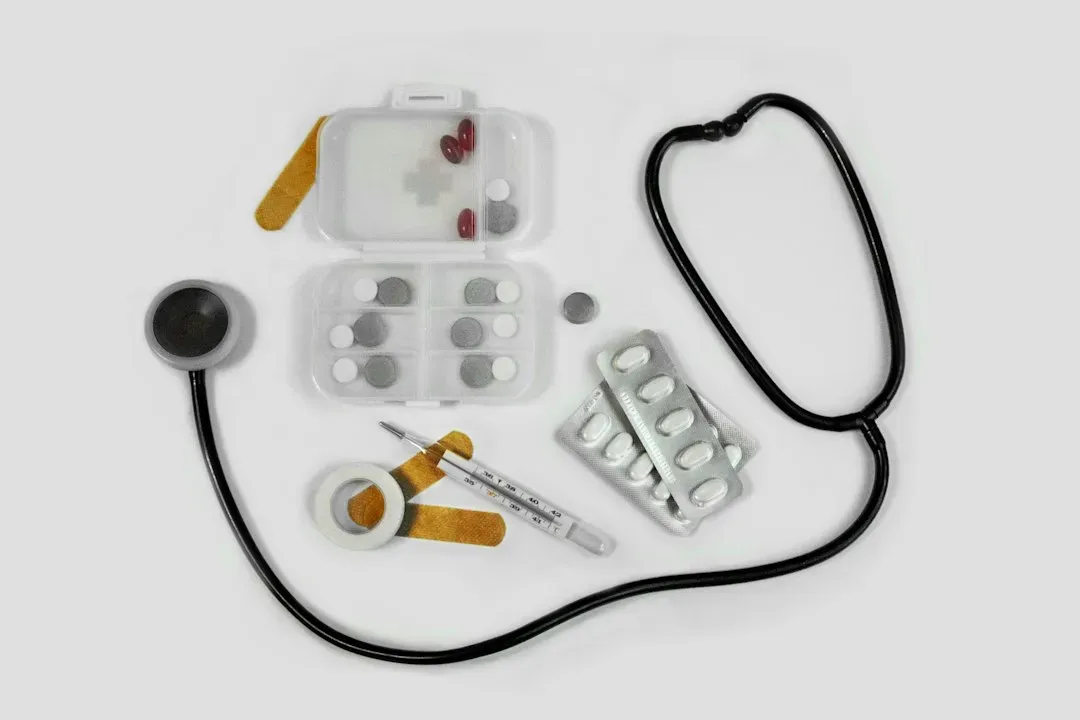
Some prescriptions are short courses, while others are meant for years. Antibiotics are generally taken for the full prescribed length unless a clinician says otherwise, and stopping some medicines abruptly, such as certain blood pressure drugs or antidepressants, can cause problems. So the expected duration is worth knowing from the start.
Ask what improvement looks like and how soon it should appear. Pain relievers might work within an hour, while many antidepressants take several weeks. Understanding the timeline keeps you from quitting too early or assuming nothing is happening.
What Will It Cost, and Are There Alternatives?

Cost is a real reason people skip or ration medicine, so it’s a fair question to raise. Pharmacists can often tell you whether a generic version exists, which usually costs less and contains the same active ingredient. They can also check whether your insurance covers a lower priced equivalent or a different pharmacy tier.
If the price is a barrier, say so before you leave. Pharmacists can sometimes suggest manufacturer assistance programs, discount options, or a ninety day supply, or contact the prescriber about a more affordable choice. Raising it early is better than leaving the bottle unfilled.
Most pharmacies also offer private consultation areas, so you don’t have to ask these questions in front of a line of people. Just request a moment to talk.