
The 1970s gave us flared jeans, shag carpet, and a surprising number of tabletop games that never left the shelf. Some were quiet puzzles, others were loud, plastic, and spring loaded. Plenty of them are still sold in stores today.
What follows is a look at nine games from that decade, with a few facts about where each one came from. Many have been tweaked or redesigned over the years, yet the core idea behind each remains the same.
Mastermind
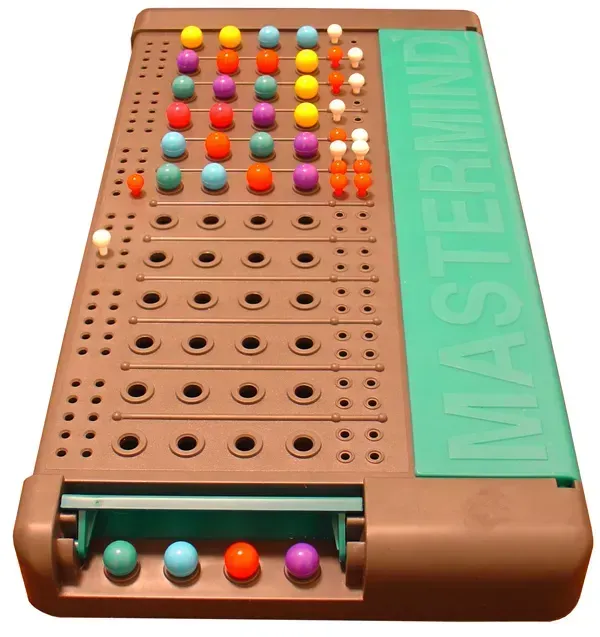
Mastermind arrived in 1970 from the British company Invicta Plastics. It was created by Mordecai Meirowitz, an Israeli telecommunications expert. One player sets a hidden code of colored pegs, and the other tries to crack it.
The classic version uses four code pegs and six colors. After each guess, the codemaker gives small black and white clue pegs that signal how close the guess was. It plays well with two people, and a round fits easily into a short evening.
Othello

Othello took shape in Japan, where Goro Hasegawa developed the modern version in the early 1970s. It is played on an eight by eight board with sixty four two sided discs. Players flip their opponent’s discs by trapping them between their own.
The rules take a minute to explain, yet strategy runs deep. Its tagline about a minute to learn and a lifetime to master has always fit. The game reached American shelves in the middle of the decade, and it still turns up in tournaments and in family game cabinets.
Boggle
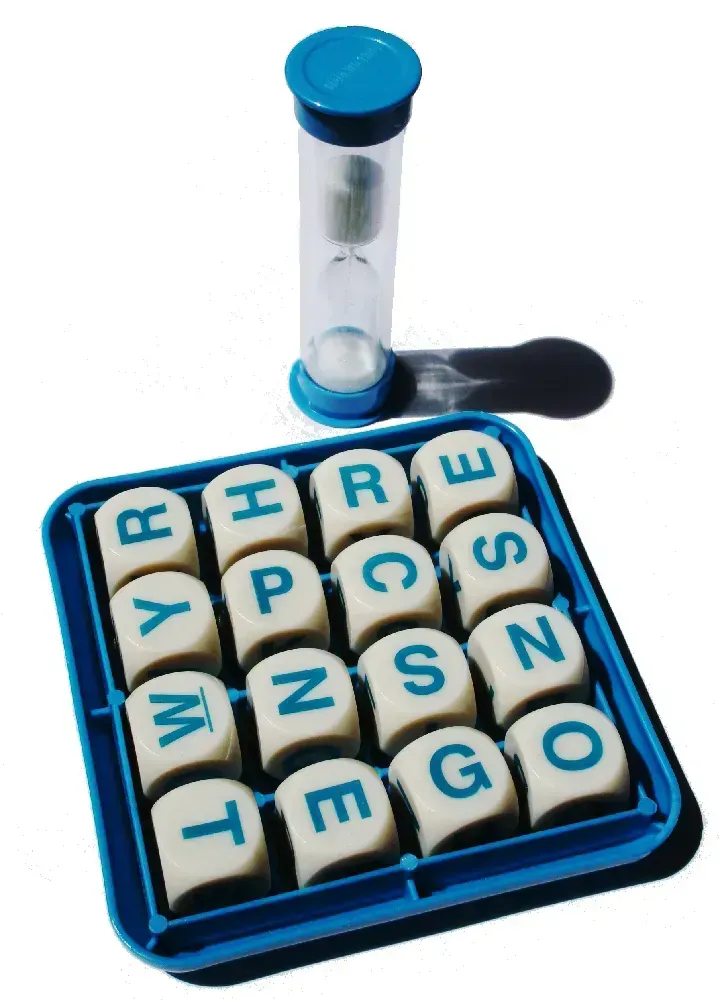
Boggle was released by Parker Brothers in 1972. A grid of lettered cubes sits in a plastic tray, and players shake it to scramble the letters. Everyone then hunts for words in adjoining squares until a three minute sand timer runs out.
Players compare lists afterward, and any word two people found gets crossed out. That small rule creates most of the fun, because it rewards the odd, clever find. Parker Brothers has since become part of Hasbro, which still sells the game.
Perfection

Perfection came out in 1973 from Lakeside, with Reuben Klamer credited as its creator. The board holds a set of plastic shapes, and a timer counts down sixty seconds. Players must drop every piece into its matching hole before the clock ends.
If time expires, the whole tray springs upward and sends the pieces flying. That sudden pop is why the game is remembered so vividly. It also works for younger children, since the goal is simple and the stakes feel silly rather than serious.
Connect Four

Connect Four was introduced by Milton Bradley in 1974. Two players take turns dropping colored discs into a vertical grid, trying to line up four in a row. The upright design lets both players see the whole board at once, which makes it easy to follow.
Despite its simple look, the game has been studied by computer scientists. It was mathematically solved in 1988, showing that the first player can force a win with perfect play. Most families, of course, are nowhere near perfect, so the game stays lively.
Dungeon!
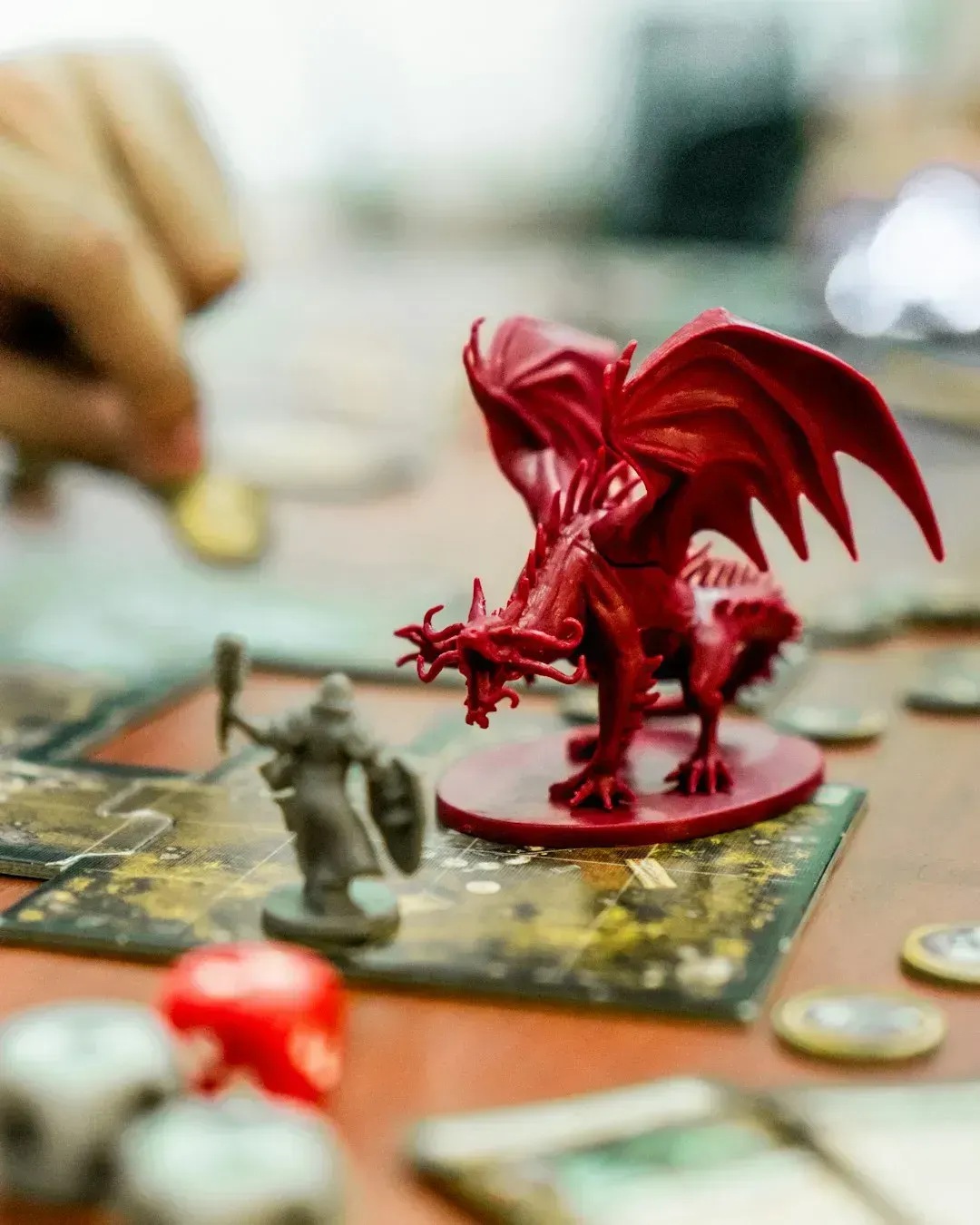
Dungeon! was published by TSR in 1975, shortly after the company had launched Dungeons and Dragons. It began as a prototype by Dave Megarry, who designed a board where players explore a multi level dungeon. Each player picks a hero class, such as an elf or a wizard, and hunts for treasure.
It works as a gentler entry point into fantasy gaming than a full role playing campaign. There is no game master, just cards, dice, and a map of corridors filled with monsters. The game has been reissued in recent years, so newer players can try it without hunting for a vintage copy.
Pay Day
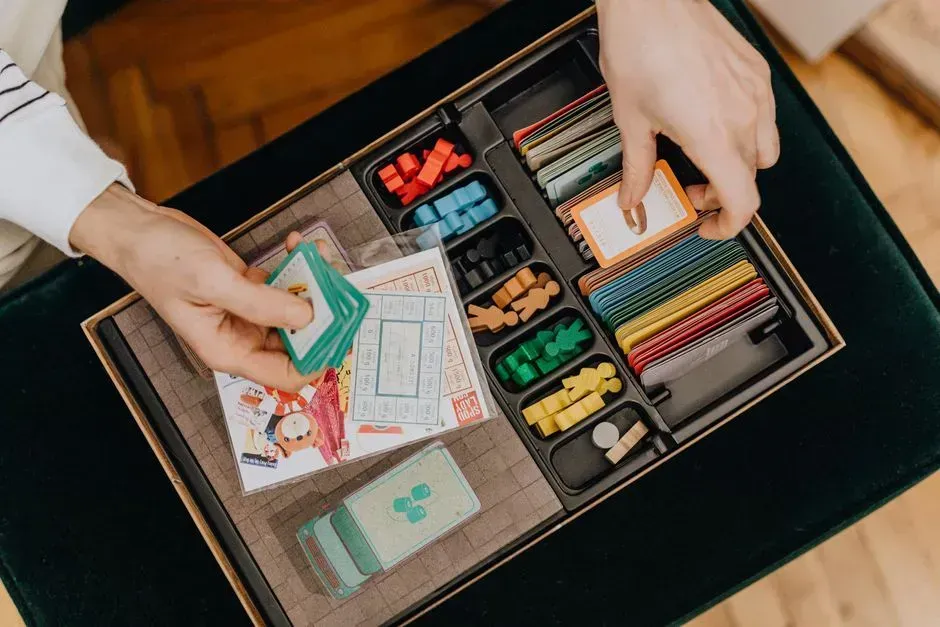
Pay Day was released by Parker Brothers in 1975. Players move through a single month on the board, paying bills, collecting mail, and trying to end with the most money. The calendar format gives it a different feel from games built on property trading.
Pente
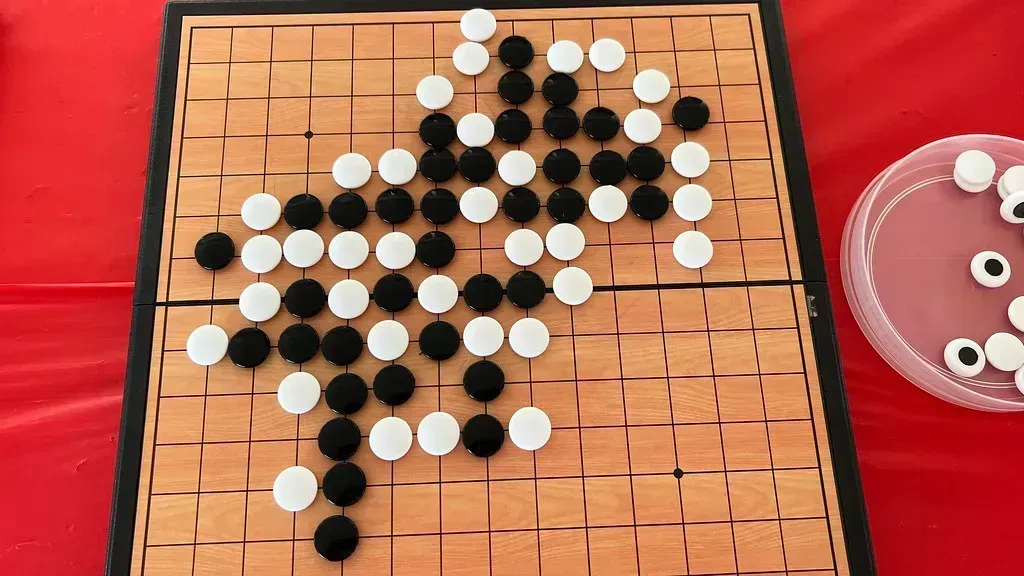
Pente dates to 1977 and was created by Gary Gabrel. It is played on a grid of intersecting lines, using small stones, and the goal is to place five in a row. Players can also win by capturing pairs of an opponent’s stones, which adds an extra layer of tactics.
The game draws on older traditions of line and capture strategy games. Parker Brothers later brought it to a wider audience in the early 1980s. It remains a solid pick for families who enjoy abstract strategy but want something less familiar than chess.
Hungry Hungry Hippos
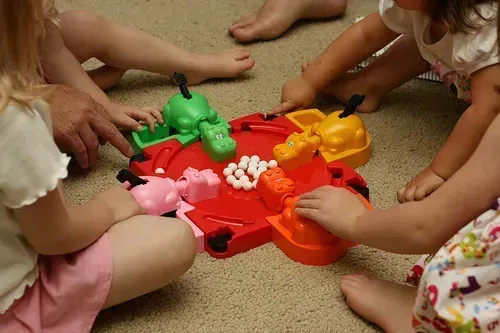
Hungry Hungry Hippos was released by Milton Bradley in 1978. Each player controls a plastic hippo by pressing a lever, and the hippos snap up marbles scattered across the board. The player whose hippo gathers the most marbles wins.
There is almost no strategy to speak of, and that is the appeal. Young children can join in right away, and the clacking noise is part of the experience. Hasbro continues to sell it, and it remains a common sight at family gatherings.