Every generation draws its own musical battle lines. For Baby Boomers, the artists who defined their youth aren’t just old favorites – they’re sacred. Songs tied to Vietnam protests, Friday night discos, or a first slow dance at prom carry a weight that streaming algorithms simply can’t replicate. Those artists feel like personal history. Baby Boomers built a deep connection to rock and folk music tied to the counterculture movements of the 1960s, while Gen Z gravitates toward hip-hop, electronic music, and social media-driven artists, reflecting a fast-paced, hyper-connected digital world. The result is a generational gap in taste that’s sometimes funny, sometimes baffling, and occasionally a little tense at family gatherings. Here are eight artists who sit right at the center of that divide.
1. Neil Diamond

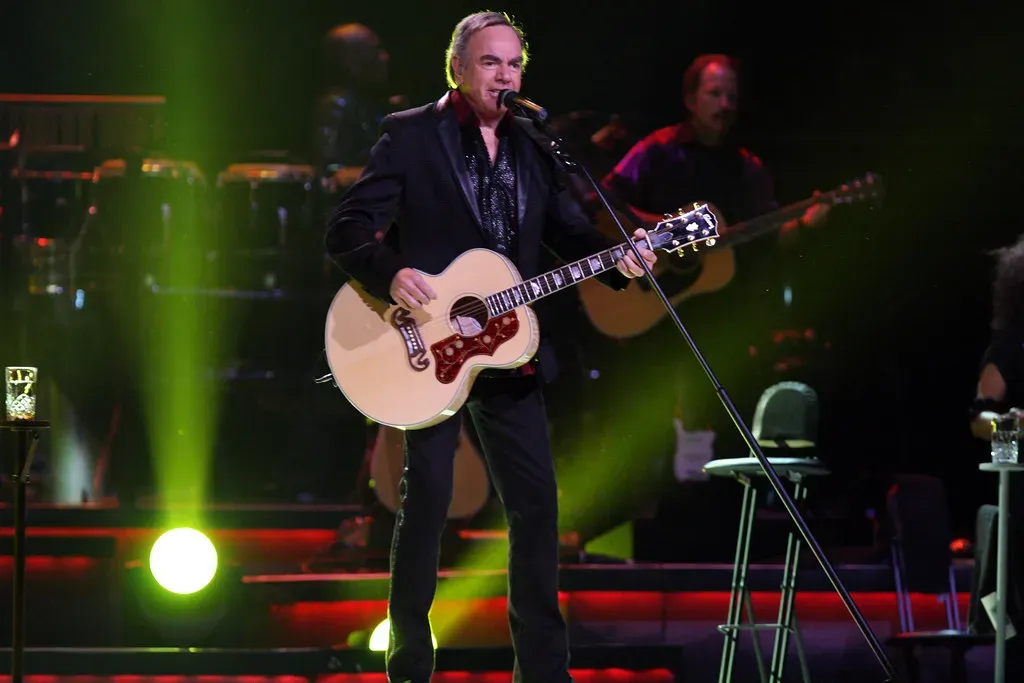
Neil Diamond is practically a religion for a certain generation of Americans. His catalog of singalong anthems – “Sweet Caroline,” “Cherry Cherry,” “America” – has filled arenas and living rooms for decades, and for Boomers, music engagement tends to focus on nostalgia and long-standing favorite artists rather than seeking out fresh sounds. Diamond represents exactly that kind of artist: someone whose music feels woven into the personal identity of an entire generation.
For Gen Z, however, the dramatic orchestration, the rhinestone-studded stage presence, and the earnest sincerity all read as deeply, almost comically outdated. The distinctive traits of music that older generations embrace appear cringe to younger eyes, though disdain for the previous generation is historically cyclical, like fashion trends. Still, that doesn’t make it any easier for a 22-year-old to sit through “Hello Again” at a family cookout without quietly checking their phone.
2. Barry Manilow

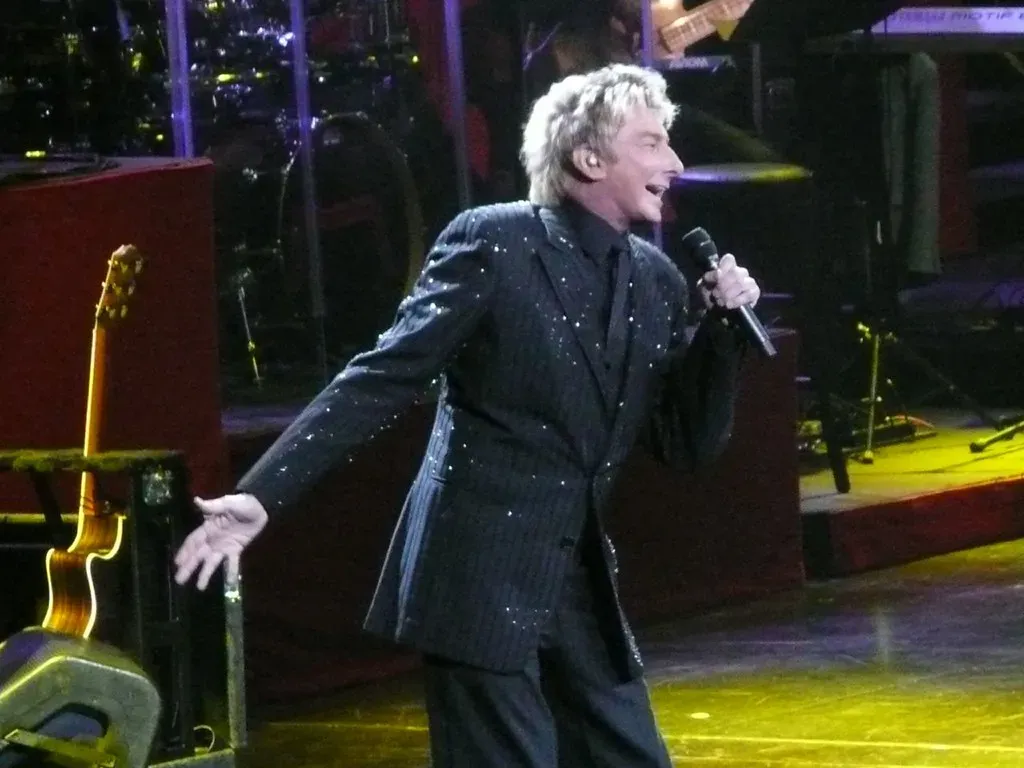
Barry Manilow is one of the most commercially successful artists in music history, with a run of hits in the 1970s and 1980s that made him a genuine phenomenon. The Baby Boomer generation experienced the emergence of rock ‘n’ roll, Motown, and folk music, and the turbulent socio-political climate of the 1960s and 1970s shaped their musical choices. Manilow was the softer counterpart to that era – the guy you put on when the protest signs were back in the closet and you just wanted to feel something.
Gen Z’s relationship with Manilow is essentially nonexistent. The sweeping ballads, the Vegas showmanship, the sheer unashamed emotion – it all lands as the very definition of “boomer music” to younger ears. Every generation has that moment when fashion, music, and attitudes suddenly go out of style and begin to look a bit embarrassing. Baby boomers had to deal with the death of the disco scene and the subsequent years when polyester suits and the Bee Gees were the butt of a joke. Manilow has faced a version of that same cultural fate, at least among people born after 1997.
3. The Eagles

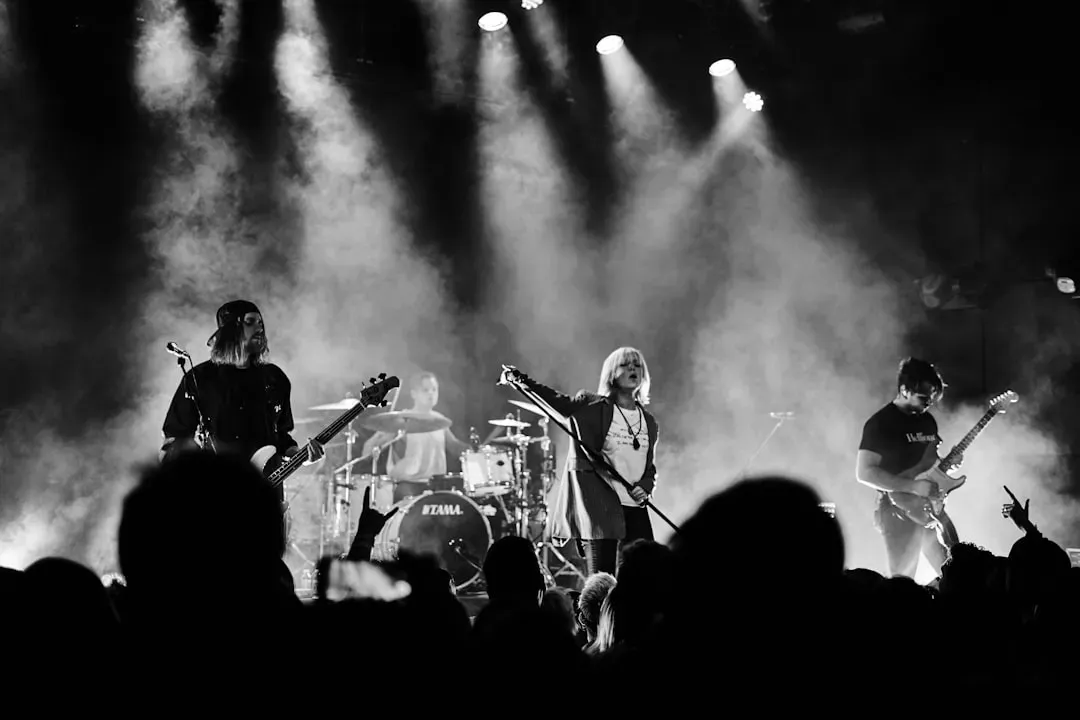
To Boomers, the Eagles represent something close to perfection. “Hotel California” and “Take It Easy” are not just songs – they’re generational touchstones that defined a particular American sound and feeling. In the early 1970s, classic rock became the dominant sound, led by bands like Fleetwood Mac, Pink Floyd, and Eagles. The Eagles were very much at the center of that cultural moment, and their music carries enormous sentimental weight for anyone who came of age during that era.
Gen Z can acknowledge the technical craft involved, but the laid-back California rock vibe doesn’t connect with the hyper-stimulated, algorithmically curated world they inhabit. Generation Z, born between 1997 and 2012, grew up in an era of unprecedented connectivity and accessibility to music, exploring a wide range of genres including K-pop, EDM, and rap with platforms like Spotify and YouTube. Country rock with a slide guitar solo simply isn’t competing for attention on those platforms, no matter how technically impressive it is.
4. Barbra Streisand

Barbra Streisand is one of the most decorated entertainers in American history – Oscars, Emmys, Grammys, and a career that stretches from Broadway in the 1960s all the way to the 2020s. Among Boomers, she’s essentially royalty. The Boomer generation is one closely guided by music – specifically in ways that created a felt representation for its listeners, and music played by the artists who were popular in their time carries a high level of meaning in a Boomer’s story. For millions of them, Streisand’s voice is the sound of something genuinely important.
For Gen Z, however, Streisand exists largely as a cultural punchline or a name associated with their grandparents’ taste. The theatrical delivery, the showbiz grandeur, the unapologetic big-voice sincerity – all of it feels like a different universe. The musical generation gap is the difference in musical tastes, preferences, and trends between different age groups, and it can be attributed to various factors including upbringing, cultural background, technological advancements, and societal norms. Few artists illustrate that gap more vividly than Streisand.
5. Bee Gees

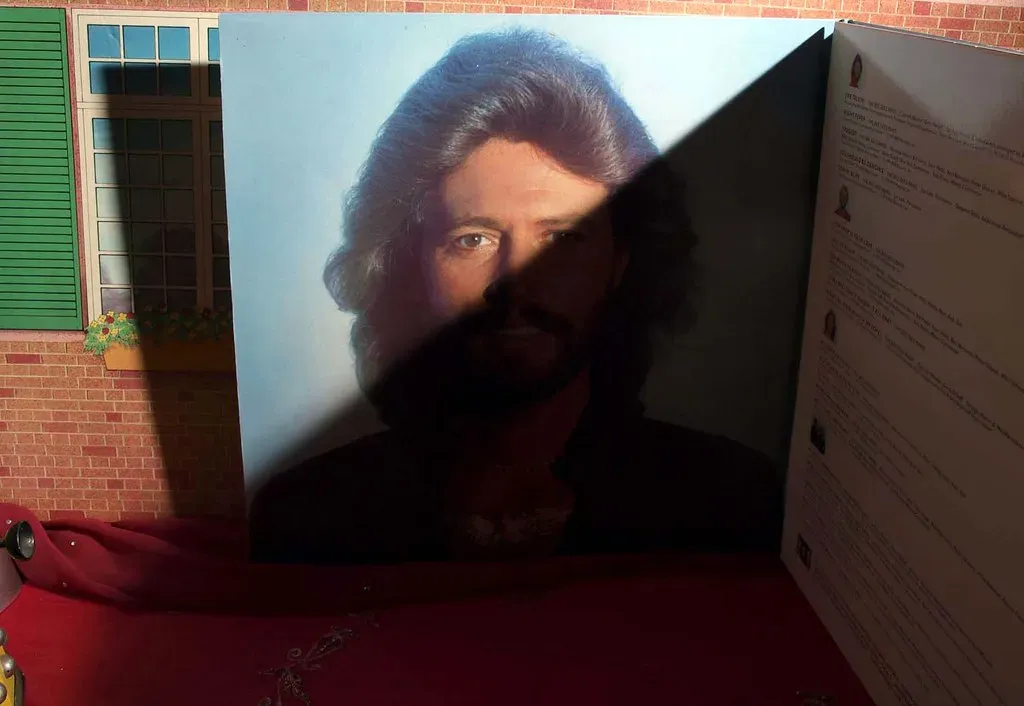
The Bee Gees occupy a genuinely complicated space in music history. Their disco-era run in the late 1970s produced some of the best-crafted pop music ever recorded, and Boomers who lived through that period still play it with genuine affection. The Bee Gees have had a hugely successful career spanning over 50 years and 31 Top 40 singles. That’s an extraordinary commercial and artistic record by any measure, and Boomers know every word to every one of those hits.
Gen Z’s reaction to the Bee Gees tends to land somewhere between confused amusement and active discomfort. The falsetto harmonies, the shimmering disco production, and the whole aesthetic of that era read as relentlessly corny to younger ears. TikTok songs know no generation – around 88% of Gen Z recognizes “More Than a Woman” by the Bee Gees, and 16% of that group say they’re obsessed with the song. So there’s some crossover, but for every Gen Z fan who appreciates the artistry, there are plenty more who find the whole thing deeply, hilariously dated.
6. Celine Dion

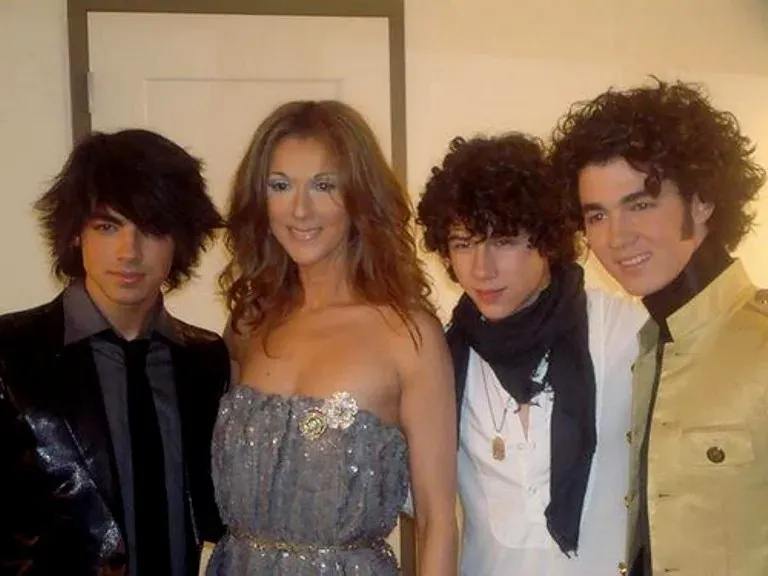
Celine Dion was essentially the soundtrack to Boomer adulthood through the 1990s and early 2000s. “My Heart Will Go On,” “The Power of Love,” and “Because You Loved Me” weren’t just hits – they were inescapable. The songs that define youth don’t just fade into the background; they become woven into personal and collective identity, sparking nostalgia and shaping how we view the world. For Boomers who saw Titanic in theaters and lived through those years, Dion’s voice is deeply embedded in their emotional memory.
The problem, from a Gen Z perspective, is that the whole Celine Dion aesthetic feels catastrophically sincere. The power ballads, the Olympic opening ceremonies, the sheer vocal showmanship – it all belongs to a cultural moment that Gen Z didn’t experience and doesn’t particularly want to revisit. Gen Z’s preference for music that promotes inclusivity, social justice, and emotional authenticity mirrors their commitment to creating a better world. Dion’s particular brand of emotional authenticity just doesn’t fit the mold they’re drawn to.
7. Billy Joel

Billy Joel is a fascinating case because his catalog is genuinely strong. “Piano Man,” “We Didn’t Start the Fire,” “It’s Still Rock and Roll to Me” – these are well-constructed songs by any standard, and Boomers tend to defend him with a particular intensity. Boomers grew up in the age of rock and roll, and broadly valued music that reflected their values. Joel, with his working-class storytelling and piano-driven rock, fit that mold almost perfectly for an entire generation.
Yet Gen Z’s response is often a kind of polite blankness. There’s nothing overtly offensive about Billy Joel – it’s more that he represents a very specific middle-American, FM-radio Boomer experience that simply doesn’t land for younger listeners raised on TikTok sounds and bedroom pop. Social media reigns supreme for Gen Z music discovery, accounting for roughly half of all new music found, while radio – a key player for Boomers – has far less influence on Gen Z. Billy Joel exists almost entirely in the radio world that Gen Z has largely walked away from.
8. Elton John

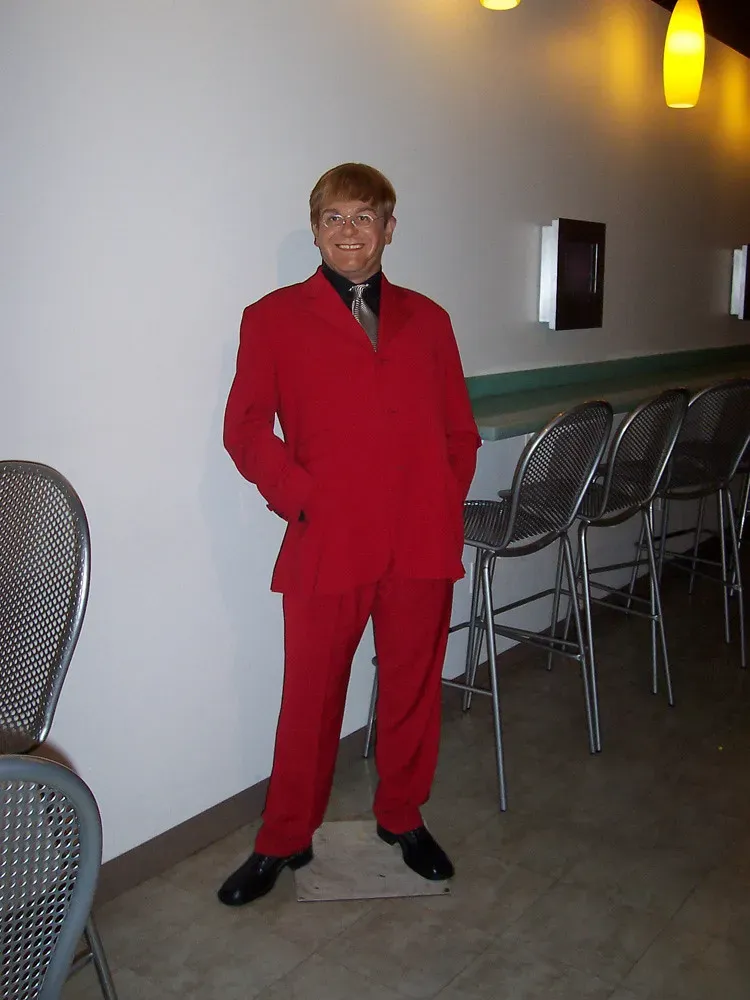
Elton John is perhaps the most interesting name on this list because he genuinely straddles the divide. Boomers adore him deeply – the theatrical outfits, the piano mastery, the sheer volume of timeless songwriting. His catalog is undeniable, and Boomers who saw him perform in the 1970s speak about those concerts with a reverence usually reserved for religious experiences. From the rebellious rock anthems of the 1960s to the digital-age beats that fuel Gen Z, music both reflects and influences generational values. Elton John belongs firmly in that first chapter, and Boomers feel that connection in their bones.
Gen Z’s relationship with Elton John is mixed. Some younger listeners have genuinely connected with his work through films like “Rocketman” or collaborations with current artists, but the core Boomer-era catalog – the sweeping ballads, the stadium rock anthems – still triggers that familiar “cringe” response for many. Once generation trends go out of style and are mocked for about 15 years, some high schoolers will find them nostalgic and they will come back in style again. Elton may actually be the artist most likely to complete that full cycle – moving from beloved to cringe and, eventually, back to cool again.
The tension between these generations’ musical worlds isn’t really about quality. It’s about context. Beyond just preference, generational identity fosters a deep sense of nostalgia, making the music from one’s youth resonate in a way that lasts a lifetime. What feels profound to someone who heard a song at seventeen in 1974 will always feel like someone else’s memory to a person born in 2003. That’s not a flaw in either generation – it’s just how music and time work together.
The good news is that both generations appear more open than the stereotypes suggest. Around 62% of Baby Boomers say they would listen to Gen Z’s music, or already do, while 55% of Gen Zers say the same about Baby Boomers’ music. The cringe is real, but so is the curiosity – and sometimes that’s enough to bridge a very wide gap.