Few things in television feel quite as personal as a bad finale. Fans invest years following characters, debating theories, and emotionally committing to a story – so when the last episode lands with a thud, the fallout can be spectacular. Sometimes the outrage stays online. Other times, it actually changes things.
The following eight shows all share something unusual: fan reaction was loud enough, sustained enough, or commercially significant enough to push networks and creators to go back and alter, reverse, or revisit what they had originally put on screen. Some of these changes came quickly. Others took nearly a decade. All of them say something about the strange, complicated relationship between storytelling and the audience it serves.
1. Game of Thrones (2019) – The Petition That Shook HBO

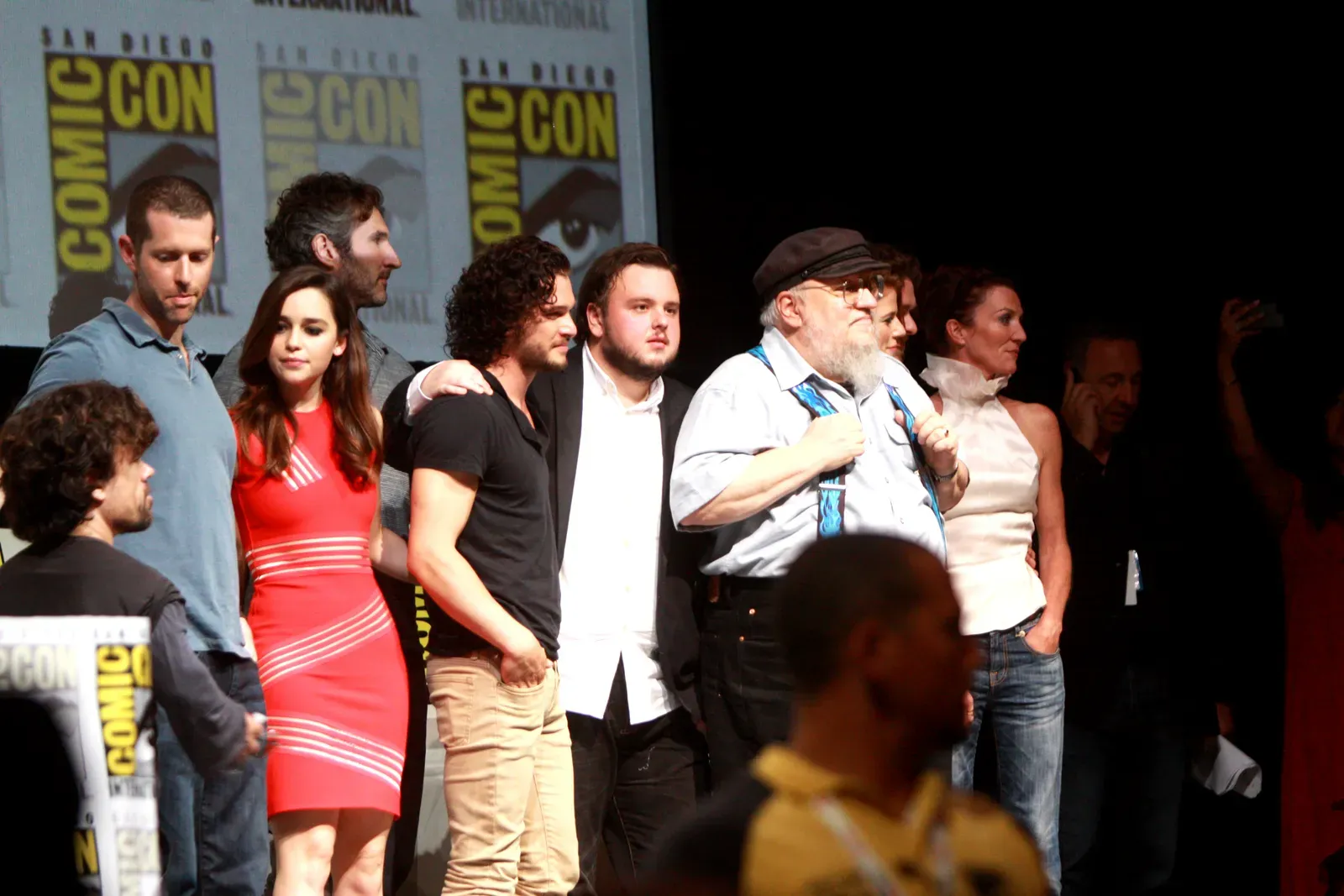
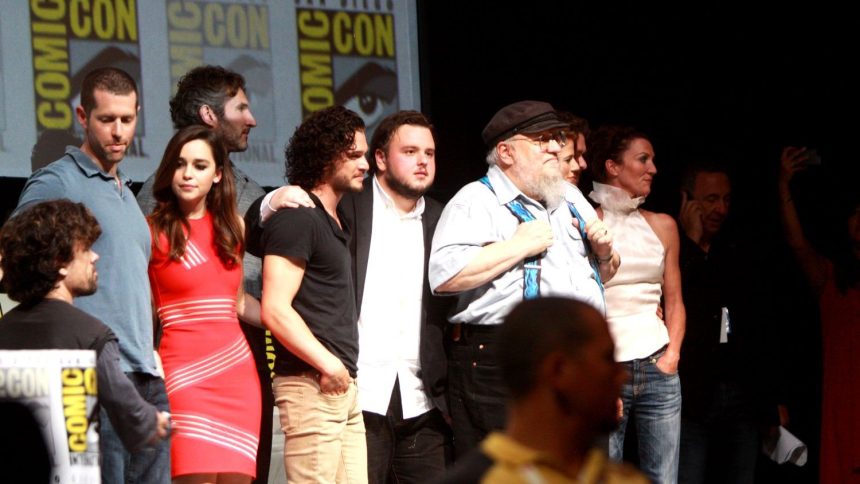
After eight seasons of political intrigue and dragons, the final episode drew sharp criticism for what many felt were rushed, unconvincing character turns. Daenerys Targaryen’s sudden “Mad Queen” arc, Jaime’s return to Cersei, and Bran Stark being crowned King of Westeros all felt abrupt to viewers. The pacing collapsed, and major arcs that had been built over years came apart in just a few episodes.
Despite a record-breaking 19.3 million viewers tuning into the finale, nearly 1.86 million people signed a Change.org petition to scrap the ending entirely. HBO made it clear there was essentially zero chance they would ever redo the last chapter of the series with a new storyline and a different ending. The petition never delivered a remake, but it became one of the most famous fan campaigns in TV history and helped shape how the industry thinks about managing audience expectations at the end of long-running prestige dramas.
2. How I Met Your Mother (2014) – The Alternate Ending CBS Actually Released

![2. How I Met Your Mother (2014) - The Alternate Ending CBS Actually Released (originally posted to Flickr as [1], CC BY-SA 2.0)](https://nvmwebsites-budwg5g9avh3epea.z03.azurefd.net/lasvegasnews/774f5457b6e2666afcc3074c61ba72aa.webp)
The HIMYM finale represented a bold narrative loop that undid years of character development and the faith audiences had placed in Ted’s journey. What had been marketed as a love story about meeting “the one” ended up as a bait-and-switch that left many fans feeling the writers had pulled the rug out from under them. It’s widely considered one of the most disappointing endings for what many regard as one of the best sitcoms ever made, since fans waited nine full seasons to find out about the titular character only to learn almost immediately after that she was already gone.
Petitions on Change.org gathered thousands of signatures asking CBS to rewrite and reshoot the ending, with supporters saying it had “completely betrayed” the show’s heart. CBS eventually released an alternate Season 9 ending on DVD where Tracy survives and Ted’s story closes on a happier note – and that version quickly became the “real” finale for a large portion of the fanbase. It’s one of the clearest examples of a network directly responding to fan outrage with an official, widely distributed alternative cut.
3. Dexter (2013) – A Reboot as a Corrective

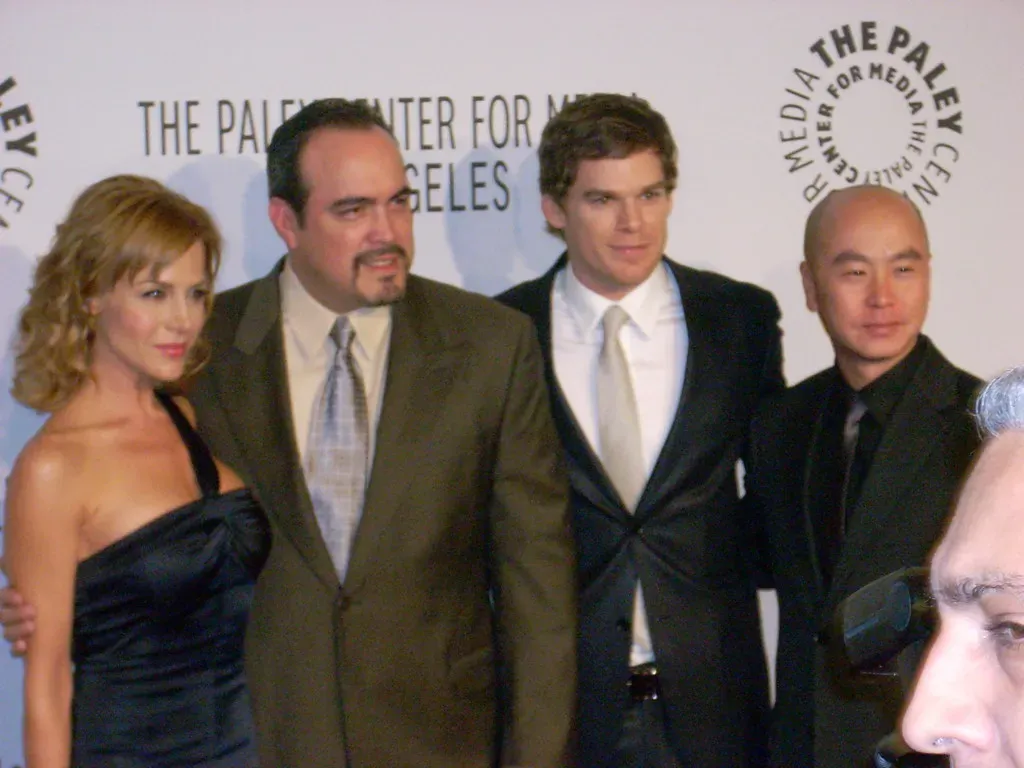
The original Dexter finale showed the title character steering his boat into a storm after disconnecting life support for Debra, then later appearing alive under a new identity as a lumberjack far from Miami. The episode removed him from his established world without any legal reckoning or on-screen death, and viewers criticized both the separation from the show’s setting and the quiet, consequence-free close.
The lumberjack ending became a punchline, with social media erupting with mockery and critics slamming the lack of courage. Fan theories circulated that Showtime had filmed an alternate ending where Dexter died or was caught, though no secret cut ever surfaced – yet the backlash lingered for years. Eventually, Showtime revived the series with Dexter: New Blood in 2021, marketed explicitly as a corrective epilogue to repair the damage done by the finale. Whether New Blood actually succeeded is a separate debate entirely, but its very existence was shaped by fan dissatisfaction with the original ending.
4. Dexter: New Blood (2022) – When the Fix Needed Its Own Fix

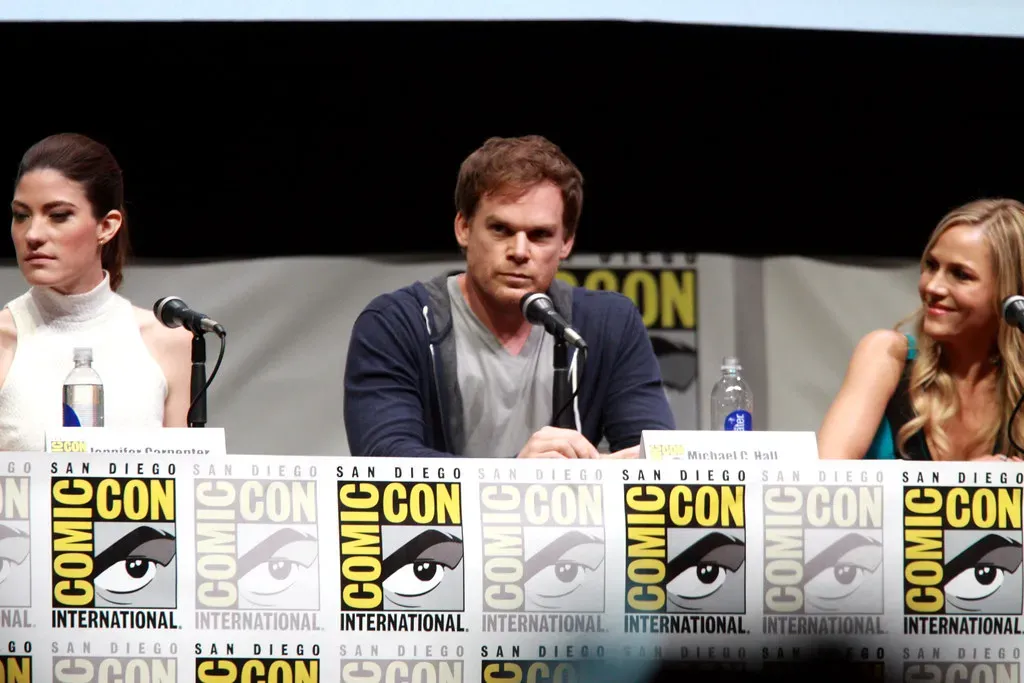
New Blood’s finale, titled “Sins of the Father,” drew criticism for feeling rushed and unresolved. A much-anticipated showdown between Dexter and Angel Batista, heavily teased throughout the episode, never actually happened. The controversial climax – Harrison killing his own father – sparked fan backlash that was described as intense, reminiscent of the outrage following the original 2013 finale.
The most recent Dexter series, Dexter: Resurrection, has since complicated the fan response by revealing that Dexter actually survived the gunshot and followed Harrison to New York. Resurrection is a continuation of New Blood with an even bigger focus on Dexter and Harrison navigating their darkness together, and rather than ending Dexter’s story permanently, the shooting pushed both characters into an entirely new chapter. The franchise has now been revised twice in response to viewer dissatisfaction, making Dexter a genuinely unique case in television history.
5. Magnum, P.I. (1987/1988) – Brought Back From the Dead by Fan Demand

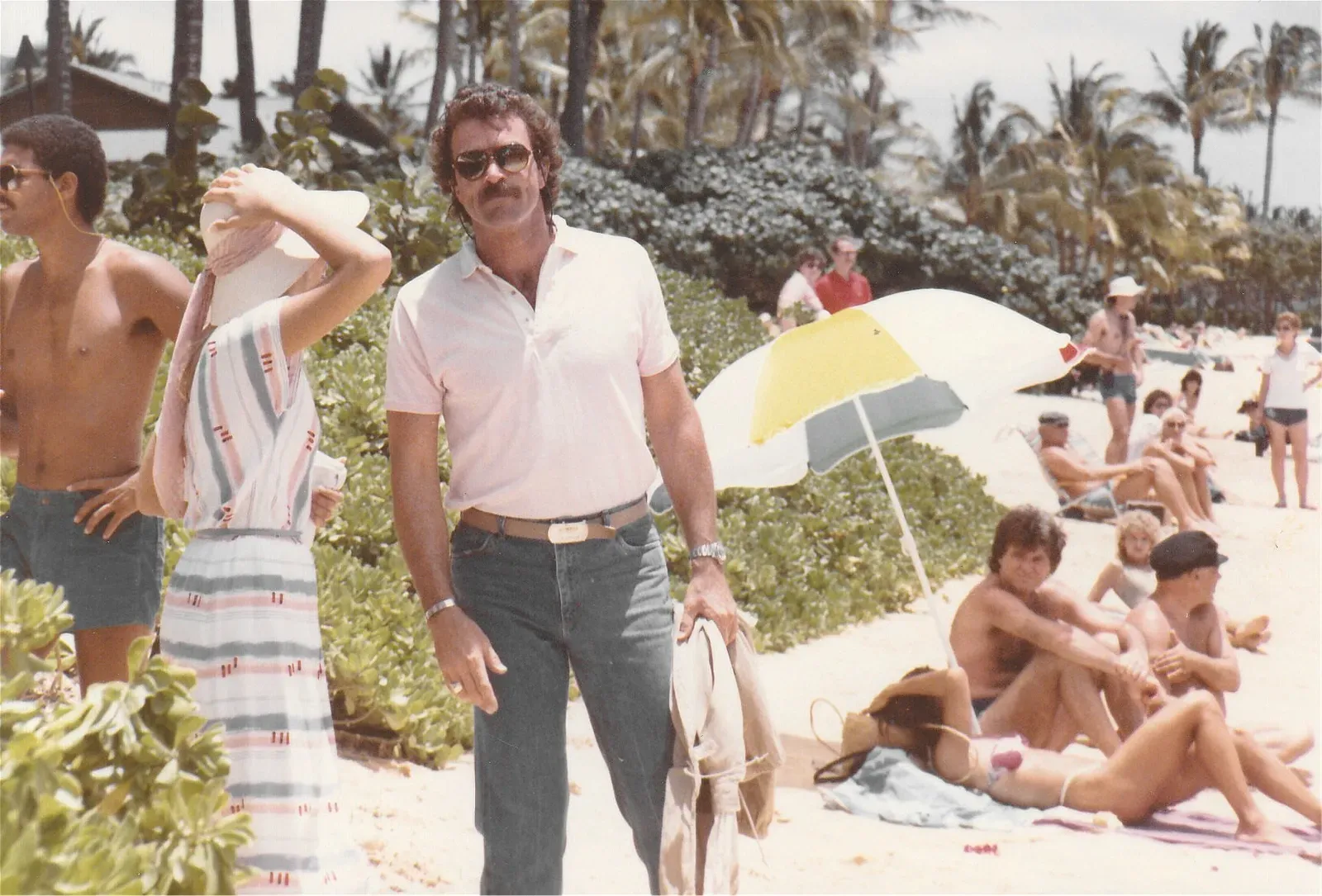
The show’s seventh season was intended to be the end, and showrunners actually planned to kill Magnum off in the finale. He was shot and, in a memorable sequence, appeared to head toward a white light in what was clearly written as a final goodbye. Fans were understandably upset to see their beloved hero die and voiced their displeasure directly to CBS. The response was strong enough that the network made an unusual decision.
Producers made the last-minute decision to bring the show back for one more season, and the reason was straightforward – money. Rather than ending on a somber note, Selleck’s character was given a proper hero’s goodbye. The two-hour finale, “Resolutions,” saw Magnum reflecting on his life’s direction, his daughter Lily returning after being presumed dead, and the mustachioed hero ultimately deciding to give up private investigating and return to the Navy to give Lily the stability she needed. It remains one of the earliest and most direct examples of fan pressure visibly reversing a planned series conclusion.
6. Roseanne (1997) – A Finale That Rewrote Its Own Show

Roseanne had been built around a working-class family’s struggles, but the final season saw the family suddenly win the lottery. Writers then killed off a main character and framed him as a figment of someone else’s imagination – a move that felt entirely out of touch with the show’s devoted fan base. The finale essentially asked viewers to retroactively reinterpret everything they had watched, which went over about as well as expected.
Creator Roseanne Barr used the finale to deliver a lengthy monologue explaining that much of the show’s later seasons had been a fantasy, reframing key storylines and relationships in ways that contradicted what had aired. The reaction was one of widespread confusion and frustration, with many fans feeling the finale had undermined the show’s core identity. The damage to the series’ legacy was significant enough that when the show was eventually revived in 2018, producers were careful to treat the original ending as a creative aberration rather than genuine canon.
7. True Blood (2014) – The Ending Fans Called Devastating

After following Sookie and Bill’s love story for years, viewers did not expect what the finale delivered. Some called it devastating, as the two characters did not end up together, and Sookie wound up pregnant with a random man’s baby instead. The show had been campy from the beginning, but a happy-go-lucky ending where humans and vampires gathered for a literal Thanksgiving dinner together was widely considered a bridge too far for a series that had been rife with violence, explicit themes, and dark explorations of oppression and class struggle.
There wasn’t much left for fans to care about by the end, and the finale didn’t bother giving them what they wanted or needed from the characters they’d spent years following. The backlash was sustained enough that showrunner Brian Buckner acknowledged publicly that the team had faced pressure to rethink certain character arcs in the final season, though the finale itself remained unchanged. The series stands as a cautionary example of how a show’s tonal identity can dissolve in its final hours, leaving fans feeling genuinely let down rather than simply disappointed.
8. Scrubs (2010) – The Show That Ended Twice


Scrubs was brought back for a ninth season after most viewers believed it had concluded with Season 8. The new final season felt more like a beginning than an ending, featuring a wave of new cast members while many fan favorites weren’t even regulars anymore – and to many loyal viewers, it simply didn’t make sense. Season 8 had actually delivered a widely praised and emotionally resonant conclusion that satisfied most of the show’s core audience.
The Season 8 finale, “My Finale,” had been designed as a proper sendoff and was reviewed warmly upon its original broadcast. When Season 9 arrived and underperformed both critically and commercially, the argument that the show should have stopped at Season 8 became the dominant view among fans. In effect, the true ending had already aired, and the continuation existed largely to reverse that closure. It’s a less dramatic story than a petition with millions of signatures, but it illustrates the same underlying tension: when fans believe a show has ended well, even the network sometimes struggles to convince them otherwise.
The through-line connecting all eight of these cases is something simpler than outrage. It’s investment. Viewers who care deeply about a story feel they have a stake in how it concludes, and when that conclusion fails them, some version of pushback almost always follows. Networks and showrunners increasingly understand this, even if they can’t always act on it. The real question isn’t whether fans should have influence over how stories end – it’s how much, and at what cost to the work itself.