There’s a particular kind of confidence that comes from growing up on a certain type of cinema. Boomer actors, those born roughly between 1946 and 1964, were shaped by Hollywood traditions that valued toughness, composure, and emotional self-containment. Decades later, many of them are still working, still doing things on screen the same way they always have, and younger audiences are quietly recoiling in their seats.
The gap isn’t just aesthetic. It reflects genuinely different ideas about what it means to be a person, what masculinity looks like, how intimacy works, and what authority is supposed to feel like. Research has shown that those born within the same generation form “collective memories” based on the critical social and cultural events they experience together, and these can result in specific norms, attitudes, and behaviors. On screen, those differences become impossible to ignore.
Performing Stoic, Unshakeable Masculinity Without Irony
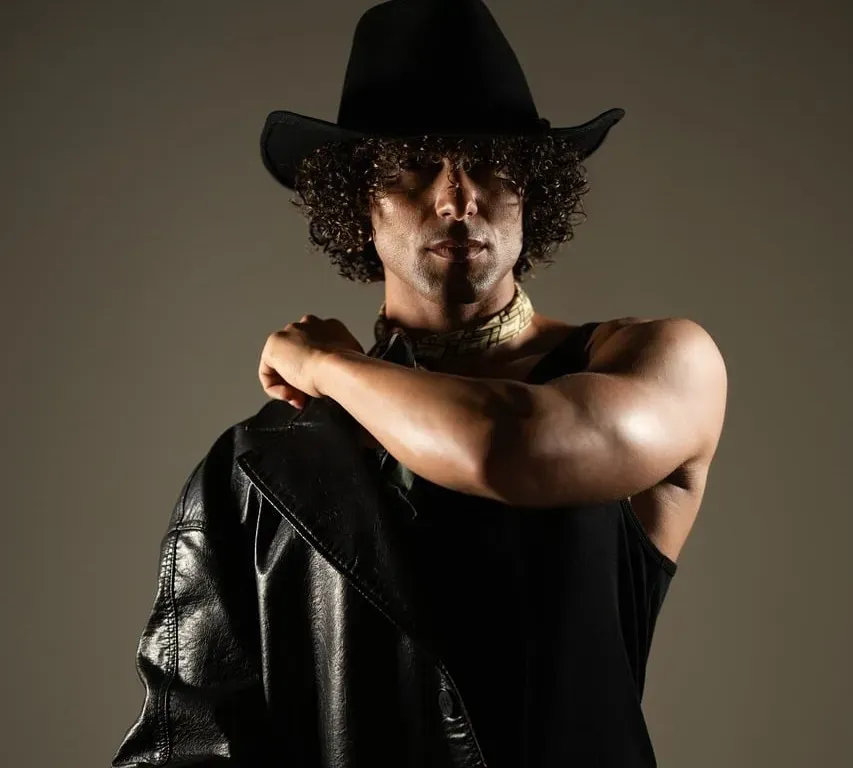
Boomer actors built whole careers on a kind of immovable cool: the jaw set, the eyes hard, the emotions locked somewhere nobody can reach them. It reads to them as strength. To Gen Z, it reads as a red flag. A UCLA study found that Gen Z is rejecting hypermasculinity in movies and TV and wants to see more vulnerable men in media, with young audiences eager for male characters to shift away from “isolation and other masculine stereotypes and towards vulnerability and connection.”
The Center for Scholars and Storytellers at UCLA revealed a striking cultural shift in how young people want men portrayed on screen, finding that today’s youth overwhelmingly want to see boys and men who are emotionally open, connected, and nurturing. Watching a Boomer-era star deliver stoic one-liners while refusing to acknowledge any kind of inner life doesn’t feel cinematic to Gen Z. It feels evasive, even dangerous.
Making Phone Calls Without Texting First

It sounds trivial, but few things create more generational friction than the casual, unannounced phone call. In Boomer-era films and television, characters pick up a phone and dial without a second thought. The scene plays as normal. For younger viewers who grew up treating an unexpected call as a minor social emergency, that confidence is genuinely jarring.
Millennials are most comfortable texting, while many Gen Xers prefer email and Boomers the telephone. That gap has only widened with Gen Z, for whom a cold call carries an implicit pressure that feels intrusive. When a Boomer character in a drama rings someone out of the blue and launches into a long, winding conversation with zero warning, younger audiences aren’t charmed by the intimacy. They’re stressed by it.
Projecting Total Emotional Certainty in Crisis Moments

Classic Hollywood trained its actors to be the steady center of any storm. The older male lead who never wavers, never second-guesses, never admits that the situation might be bigger than he can handle. Boomer actors still carry that posture naturally. Gen Z, however, reads emotional certainty in a crisis not as leadership but as denial.
The UCLA study found that nearly half of young people are looking for depictions of men asking for help, including support for mental health, saying that breaks away from old stereotypes of stoicism and detachment. When a Boomer actor squares his shoulders and stares down an impossible situation without flinching, Gen Z isn’t inspired. They’re wondering what he’s suppressing and why nobody in the room is asking him how he’s actually doing.
Delivering Unsolicited Mentorship With Full Authority

There’s a well-worn Boomer screen archetype: the older man who dispenses life wisdom to a younger person who didn’t ask for it, and is portrayed as richer for the experience. The Boomer actor plays it straight, fully inhabiting the role of someone who simply knows better. It’s a portrait of generational authority that the character never questions and the script never challenges.
Gen Z’s relationship to authority is considerably more skeptical. Gen Z demands raw authenticity and skips over polished performances, tuning into more candid, unfiltered moments instead. An older character dispensing wisdom from on high, confident in his right to be heard, is less likely to land as wise and more likely to read as out of touch. The authority isn’t earned scene by scene. It’s just assumed, and that assumption is where younger viewers check out.
Partner offer
Tolerating or Laughing Off Workplace Aggression

Boomer-era scripts frequently played workplace bullying, hazing, or outright hostility as normal texture in professional environments. Characters endured it, laughed it off, or returned it in kind. The Boomer actor playing these scenes doesn’t blink, because in the world those scripts reflect, you weren’t supposed to. Toughness was the expected response to difficulty, not complaint.
That framing collides hard with Gen Z’s understanding of healthy work environments. Baby Boomers built their careers inside a workplace culture defined by formality, hierarchy, and personal relationships cultivated face-to-face. When that culture appears on screen without critique, younger viewers don’t see a character being resilient. They see a character normalizing something that should have been addressed much earlier, and probably reported.
Touching Other People’s Shoulders Without Asking
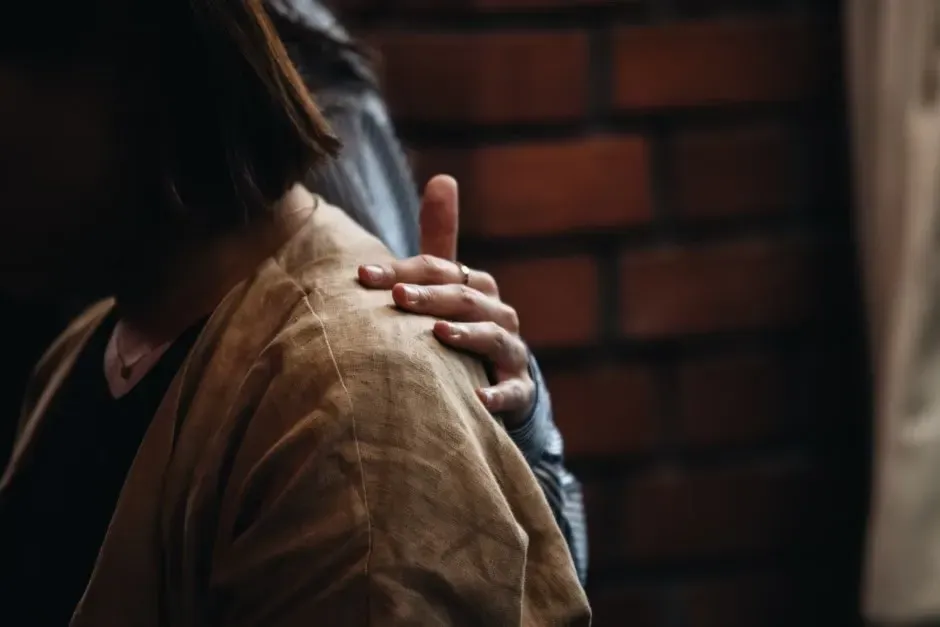
It shows up constantly in older films and television: the firm hand on the shoulder, the unsolicited arm around someone who seems upset, the paternal grip that signals reassurance whether or not the other person wants it. Boomer actors do this instinctively because it was the body language of comfort and authority their generation learned. It was coded as warmth.
For Gen Z, physical contact without clear mutual consent carries a very different weight. Bodily autonomy is something their generation takes seriously, on screen and off. Watching a Boomer character reach out and physically manage someone else’s body, with full confidence and zero hesitation, creates a specific kind of unease. The scene doesn’t read as tender. It reads as a boundary being crossed, even if everyone in the frame seems fine with it.
Performing Confidence That Shuts Down the Room

There’s a type of Boomer screen presence built on occupying every inch of available space. The booming voice that ends discussions, the theatrical certainty that makes others go quiet, the charisma that functions like a closed door. Boomer actors trained in this mode can still command a scene completely. They walk in and the room adjusts to them. That’s the whole point.
Gen Z tends to be more skeptical of polished, overly curated personas, and the conspicuous performance of confidence could be read as a rejection of authenticity, an embrace of irony, or both. A character who talks loudest and gets the last word isn’t automatically right in Gen Z’s moral universe. That kind of unchallenged dominance in a scene, played completely straight, feels less like charisma and more like something worth examining.
Refusing Vulnerability Even When It Would Help

Perhaps the clearest dividing line of all: Boomer actors frequently play characters who simply will not let their guard down, even when the scene is practically begging them to. The moment that could tip into genuine emotional connection gets deflected with a joke, a change of subject, or a stoic silence. The actor carries this off with complete confidence. That confidence is the problem.
Gen Z and Gen Alpha want movies and television to portray men as caring and emotionally open individuals, moving away from what they view as outdated masculine stereotypes. Joyful fatherhood emerged as the top-requested depiction of masculinity, with nearly three in five surveyed adolescents saying they want to see more dads openly expressing love and taking pleasure in parenting, and nearly half of respondents said they are looking for stories that show men asking for help, including support for their mental health. A character who refuses every invitation to be human doesn’t read as dignified to Gen Z. It reads as a warning sign they’ve learned to recognize early.
None of this means Boomer actors lack skill, or that their performances don’t hold genuine power. Many of them are extraordinary. The friction is cultural, not personal. What one generation was taught to admire in a person, another was taught to gently worry about. That gap shows up nowhere more clearly than on screen, in the thirty seconds before a Boomer character does something entirely confident that leaves a younger viewer staring at the wall.
Partner offer
Planning a trip to Vegas?
Compare hotel rates and show tickets on VEGAS.com.