There’s a gap between what audiences see on screen and what actually happens when a camera stops rolling. For every standing ovation, there’s often an actress sitting in a trailer wondering why she agreed to this particular job. The conversation around female representation in Hollywood has shifted considerably over the past decade, and part of that shift has been women in the industry becoming more willing to say, plainly, that certain character types feel hollow, degrading, or just deeply boring to perform.
These admissions rarely make headlines the way a box office bomb does. They surface in magazine interviews, podcast appearances, and the kind of candid off-the-cuff remarks that get buried three paragraphs deep. Taken together, though, they paint a pretty consistent picture of the roles that women in the industry have long found the least satisfying to inhabit.
The Damsel in Distress

Modern damsels in distress most often appear in the action genre, tied up while the hero defuses the bomb, or in horror, where the title “scream queen” is rooted in how well an actress can react to terror. It’s a role that demands very little from the woman playing it. She waits, she cries, she gets rescued.
Criticism of how these roles perpetuate antiquated gender roles has helped evolve and subvert the archetype over the years, but damsels still appear throughout cinema. Many actresses have spoken about the frustration of being handed a script where their only dramatic purpose is to motivate a man’s action. The role isn’t a character. It’s a plot device wearing a dress.
The Manic Pixie Dream Girl

The “manic pixie dream girl” phrase was coined in Nathan Rabin’s 2005 AV Club review of Elizabethtown, in which he described Kirsten Dunst’s role as a female character who solely exists to teach a male protagonist something about life. The archetype spread quickly through indie cinema and romantic comedies, and countless actresses found themselves trapped inside it.
Zooey Deschanel, one of the most closely associated with the label, has pushed back on it directly, calling the framing “a way of making a woman one-dimensional.” Natalie Portman, who played a version of the type in Garden State, has also expressed regret about those roles and finds the trope genuinely upsetting. For many performers, the MPDG isn’t a character at all. It’s an absence of one.
The Purely Decorative Love Interest

As one observer put it, women in these roles are usually the damsel or just the love interest, the sad girl of the main character’s dreams, written just for him and existing just for him. The problem isn’t romance as a story element. The problem is when the female character has no identity outside of her attachment to the male lead.
Young actresses face expectations that they be someone else’s idea of how a woman should behave, and Natalie Portman has been clear that she refuses to act as any man’s idealized romantic accessory going forward. The love interest role, at its worst, requires an actress to be reactive, supportive, and perpetually available, while the script gives her nothing interesting to do with any of it.
The Ethnic Stereotype

Rosie Perez has spoken directly about constantly being offered stereotypical roles because she is Latina, often being channeled into the same narrow, reductive character types regardless of what she was actually capable of. She’s far from alone. Eva Longoria recalled being instructed by a white, male casting director on how to appear more Latin, including being told she needed an accent and darker-colored skin.
Partner offer
When it comes to options for women of color, categories narrow even further: Black women are often relegated to the “sassy friend,” while Latina and Asian women have a history of being hypersexualized on screen. Priyanka Chopra has spoken publicly about refusing to become an Indian cliché, specifically rejecting the offer of roles fitting the “exotic, beautiful girl, or the academically inclined nerd.” These aren’t roles. They’re shortcuts that save writers from having to think.
The Ice Queen or Cold Career Woman

In films as recent as Jurassic World, Bryce Dallas Howard’s character inspired groans with her cold heart and frosty demeanor, playing into the tired trope of women who care about their jobs more than men. The ice queen is one of Hollywood’s most durable and least interesting female archetypes. She exists to be softened, humanized, and ultimately redirected toward domesticity or romance.
Anne Hathaway’s roles in films like The Devil Wears Prada typecast her as uptight, and she addressed publicly how that recurring image affected her self-esteem. Actresses playing this type are often given no interiority beyond their coldness, no backstory that doesn’t revolve around a man, and no resolution that isn’t some version of “learning to open up.” It’s a punishing role to inhabit with any real conviction.
The Villainous Seductress
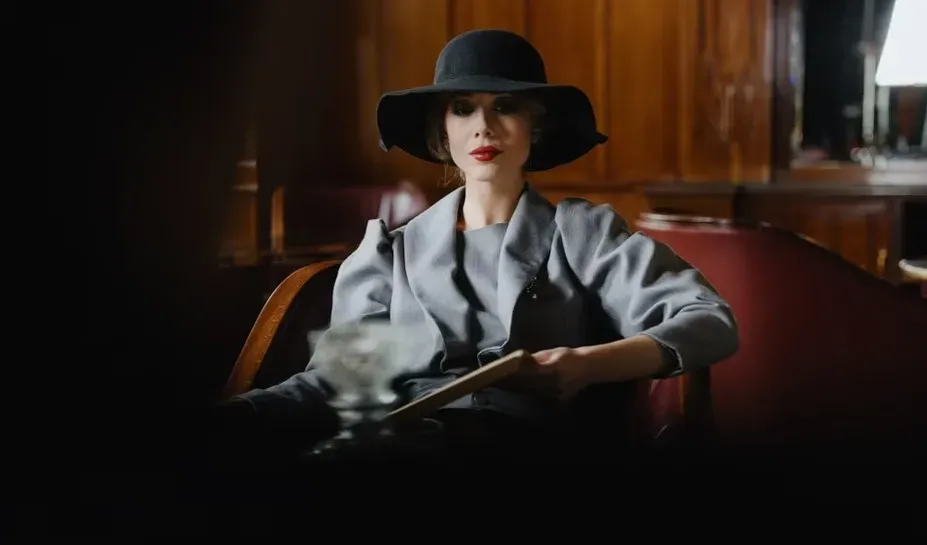
The femme fatale is arguably the oldest female archetype in cinema. She uses her looks, she manipulates, and she almost always meets a bad end as a form of narrative punishment. Some roles that once seemed career-making now stand out for offensive stereotypes, and many actors openly admit they regret taking those parts, acknowledging how misguided some of those choices truly were.
Charlize Theron has been direct about her dislike for projects she accepted primarily to work with a specific director, only to find the end result disappointing once the actual work of playing a two-dimensional seductive villain was done. The seductress role tends to reduce sexuality to a weapon and women to instruments of plot, which makes it difficult for a serious actress to find anything meaningful to build upon underneath the surface.
The Saintly, Self-Sacrificing Mother

Motherhood as portrayed in mainstream film has long skewed toward a specific, almost mythological figure: endlessly patient, emotionally available, and willing to erase herself entirely for her children or her husband. It’s a role that can feel less like acting and more like performing an ideological checklist. Many actresses have quietly noted that scripts offering “the devoted mother” rarely give her anything interesting to feel, want, or decide for herself.
The film industry often reflects shifting social standards through its performers, and many actresses have reached a point in their careers where they look back at past projects with a new perspective on how narrowly female experience was framed. The saintly mother, much like the damsel, functions as a mirror for other characters rather than a person with her own story. Playing that well requires enormous invisible effort, and most actresses will tell you the payoff rarely matches the labor.
The “Fat Role” or Body-Based Comic Foil
Aidy Bryant, known for her work on Saturday Night Live, has been open about turning down roles where fatness was simply the butt of every joke, including an unnamed production she described as using her specifically as a punchline rather than a person. The body-based comic foil is a role that asks an actress to perform self-deprecation rather than comedy. The humor isn’t about what she says or does. It’s about how she looks.
Roles built around surface characteristics rather than interiority tend to have no real complexity or development of their own, and because they exist entirely to give other characters something to react to, they come off as reductive. For an actress with range, technical skill, and something genuine to offer, being cast as a walking visual gag is not just creatively unsatisfying. It signals to the entire industry what kind of performer, and what kind of person, you’re expected to be.
The pattern across all eight of these role types is worth noting: each one asks a woman to exist in relation to someone or something else, rather than as a complete human being in her own right. The growing willingness of actresses to name that feeling publicly, even carefully and without naming names, suggests the industry is slowly, genuinely reckoning with how little it has historically asked women to bring to the room.Partner offer
Planning a trip to Vegas?
Compare hotel rates and show tickets on VEGAS.com.