The world never really stops. It just shifts. While people were glued to the biggest headlines of the day, scrolling past breaking news alerts and arguing online about the latest political drama, some truly seismic events were quietly reshaping the planet. Events that will affect borders, economies, lives, and entire generations. Events that deserved far more attention than they got.
This is not a list of obscure footnotes. These are world-altering developments that unfolded in plain sight, buried under the noise of louder, flashier stories. Some are heartbreaking. Some are shocking. All of them matter. Let’s get into it.
1. Syria’s 53-Year Dictatorship Collapsed in Under Two Weeks
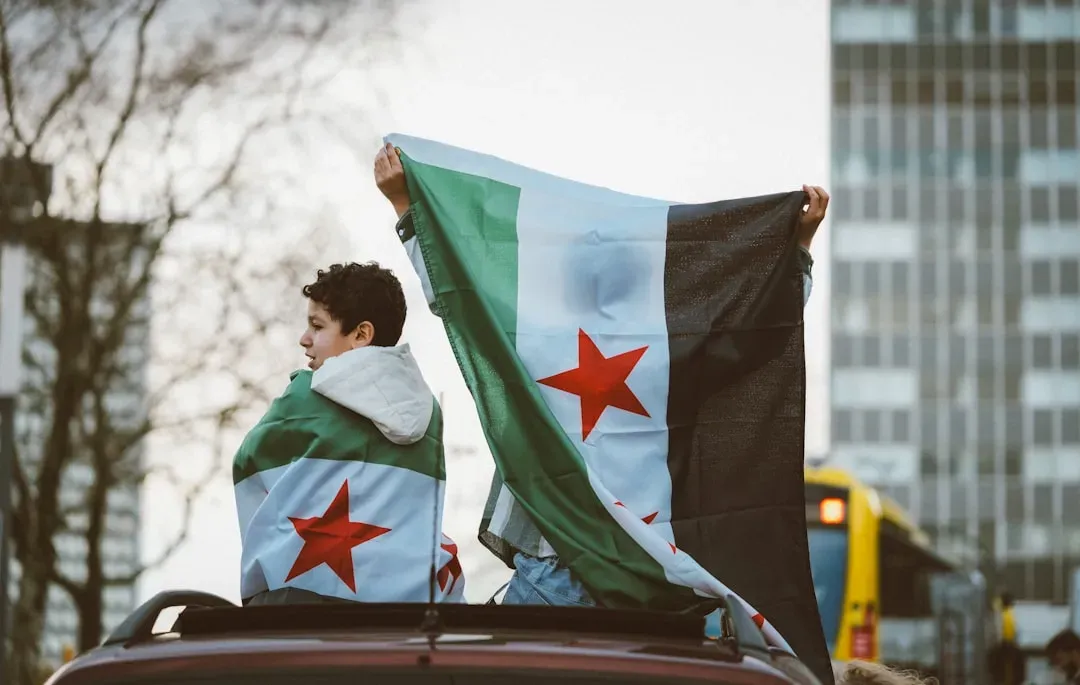
Honestly, few people saw this one coming. Assad’s downfall came less than two weeks after an initial incursion west of Syria’s second largest city, Aleppo, triggered a cascading series of routs and retreats by the demoralized Syrian military. It happened with a speed that left the entire world speechless. A regime that had survived chemical weapons accusations, international sanctions, and a decade of brutal civil war simply dissolved in days.
On 8 December 2024, the Assad regime collapsed during a major offensive by opposition forces, spearheaded by Hayat Tahrir al-Sham (HTS) and the Southern Operations Room, and supported by the Turkish-backed Syrian National Army. The capture of Syria’s capital, Damascus, marked the end of the Assad family’s rule, which had governed Syria as a totalitarian hereditary dictatorship since Hafez al-Assad assumed power in 1971. That is more than half a century of iron-fisted rule, gone in less than a fortnight.
The group determined that Assad’s international allies were strategically constrained, with Russia committed to its war in Ukraine and both Iran and Hezbollah engaged in conflict with Israel, presenting a favorable tactical opportunity. Timing, it turns out, is everything. Bashar al-Assad fled the city, making a stopover at the Russian-operated Khmeimim Air Base near Latakia before proceeding to Moscow, where he was given asylum by the Russian government.
2. Sudan Became the World’s Worst Humanitarian Crisis – While Most People Had No Idea
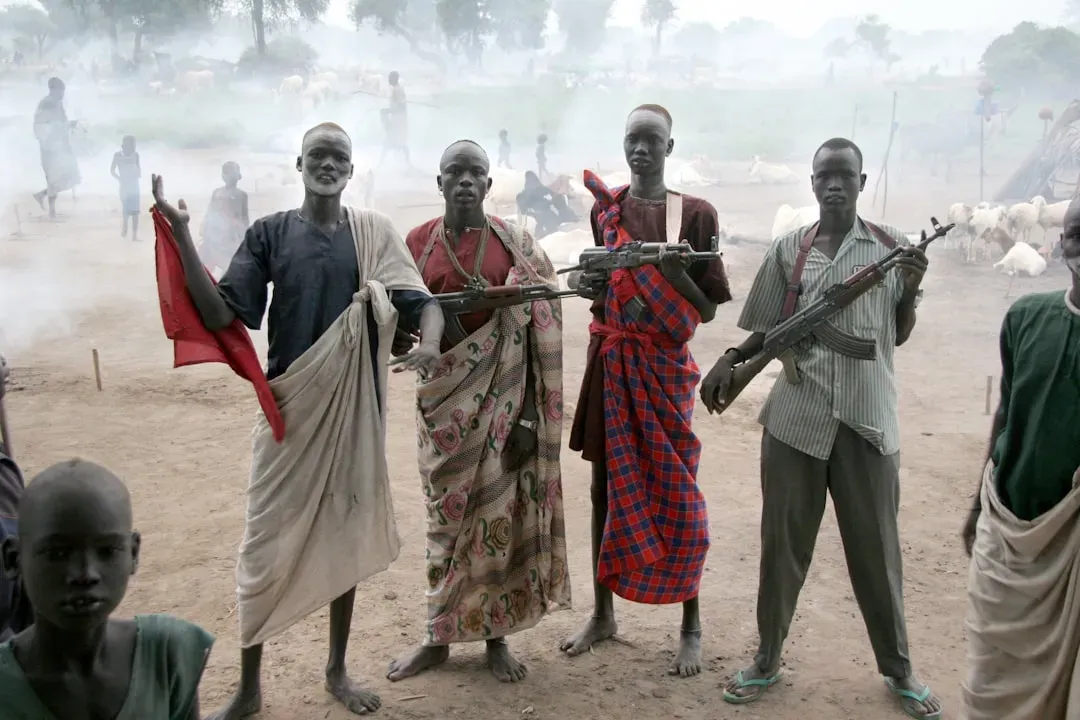
Here is where it gets uncomfortable. The conflict, drowned out in the media by other wars and political upheaval, has resulted in the worst famine in 40 years, disease outbreaks, and the destruction of vital infrastructure, and has driven more than 14 million people from their homes. That number. Fourteen million people. Think about that for a moment.
More than 150,000 people have been killed, with indiscriminate attacks on civilians being reported. With over 30 million people in need of humanitarian aid, Sudan accounts for a shocking 10% of global needs. The International Rescue Committee ranked Sudan at the very top of its Emergency Watchlist for the third year running. For the third year in a row, Sudan tragically tops the list, and its collapse is accelerating due to a catastrophic civil war that has had a devastating impact on civilians.
The conflict has been called a “forgotten one” by UN Human Rights Chief Volker Türk, who urged that the spotlight be placed on this disastrous situation where atrocity crimes, including war crimes, are being committed. More than 90% of Sudan’s 19 million school-aged children have no access to formal education, according to UNICEF. It is, by nearly every measure, one of the greatest tragedies of the modern era – almost entirely invisible to the Western news cycle.
3. North Korean Troops Showed Up in a European War
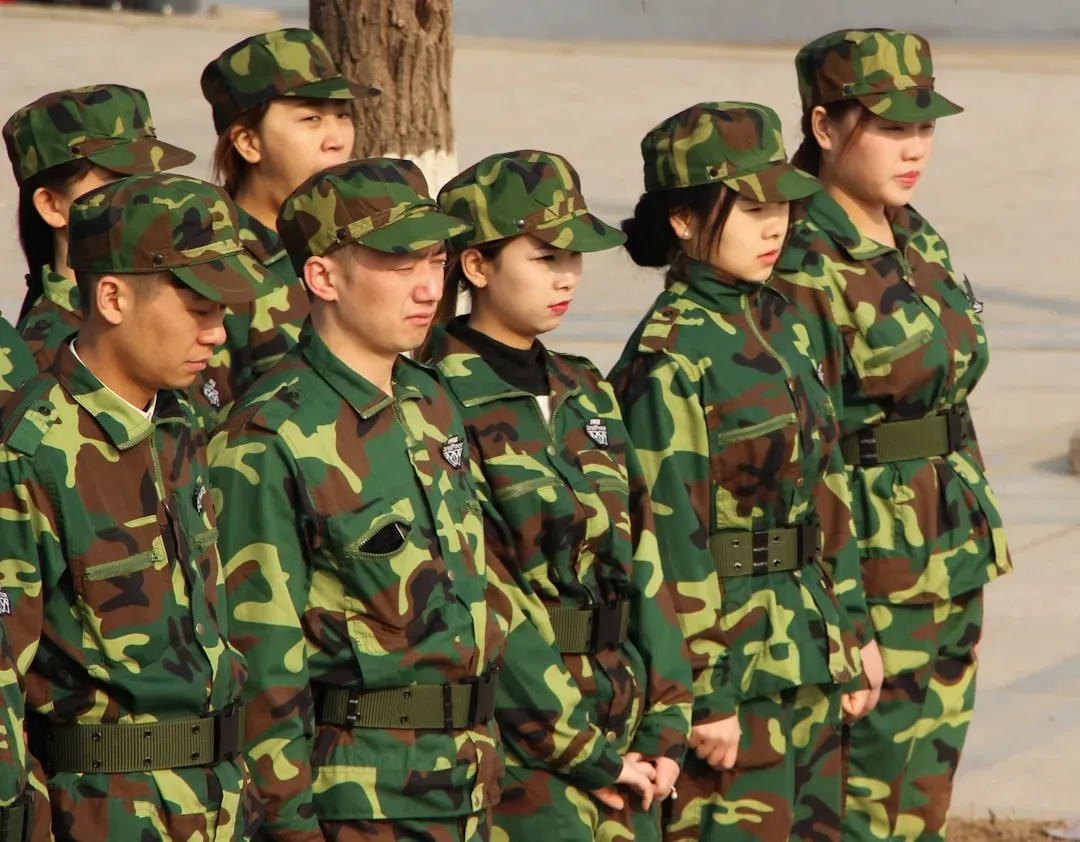
This one, I think, truly shocked even the most battle-hardened geopolitical analysts. Thousands of “elite forces” from North Korea were fighting, and reportedly dying, in a European war. The deployment of more than 11,000 North Koreans turned the Russia-Ukraine war into a truly global conflict. It was also a dramatic example of collaboration within the so-called “Axis of Authoritarians,” the anti-U.S. quartet made up of Russia, China, North Korea, and Iran.
Russia secured some 10,000 North Korean troops to fight in Kursk, the region Ukraine had seized in a daring cross-border operation in August 2024. The scene was something out of a Cold War nightmare reimagined in the 21st century. Troops from one of the most isolated nations on earth were now dying in the fields of Eastern Europe, fighting under Russian command.
Let’s be real: if you had predicted this even two years earlier, people would have laughed. Russia increased its control of Ukrainian territory by less than one percent in 2025, and those gains came at a frightening cost, with Russia losing roughly one thousand soldiers every day. The war grinds on. The cost grows. The global entanglement deepens quietly, week by week.
4. Israel Struck Iran Directly – Multiple Times
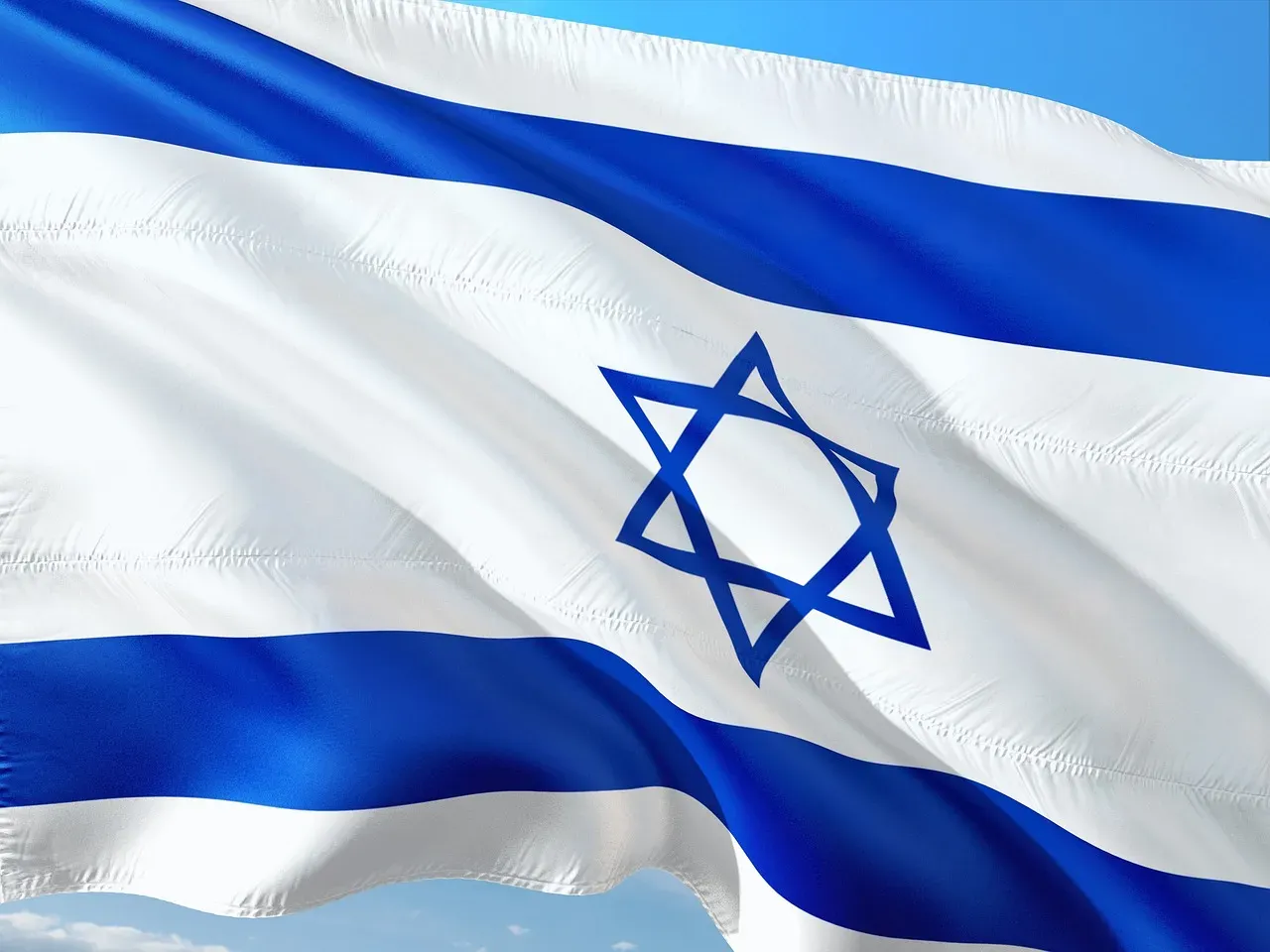
For years it had been a nightmare scenario for the Middle East: Israel and Iran would climb the so-called “escalation ladder” from small-scale or proxy attacks to major military strikes against one another. It happened twice in 2024, first in April and then again in October, exchanges that brought the Middle East to the brink of an unprecedented, full-scale regional war. Yet most casual news followers only caught fragments of what was really unfolding.
In October 2024, Israeli airstrikes devastated Iran’s missile facilities and decimated its air defenses. In June 2025, as Iran neared the point where it could quickly build a small number of crude nuclear weapons, Israel launched Operation Rising Lion. It involved airstrikes on Iranian nuclear and ballistic-missile facilities, as well as on military bases and command nodes, and the assassination of politicians, military leaders, and nuclear scientists.
Israel has long seen Iran’s nuclear ambitions and its support for anti-Israeli militias across the Middle East as an existential threat. After the October 7, 2023 Hamas attacks, Israel targeted Iranian proxies in Lebanon, Iraq, Syria, and Yemen. These operations crippled Tehran’s ability to use the so-called Axis of Resistance to deter an Israeli attack on Iran. The geopolitical map of the Middle East was being redrawn, one strike at a time.
5. Trump Reshaped the Entire World Order With Executive Orders – At Record Speed

People were debating inauguration crowd sizes when the actual policy earthquake was already underway. With 142 executive orders signed in his first 100 days in office, more than any other president in US history, Trump not only looked to put the US first, but also reshape the global order. That is not a metaphor. That is a structural dismantling of decades-old institutions and agreements.
Partner offer
On Inauguration Day, he withdrew the United States from the Paris Agreement and the World Health Organization, restricted refugee readmissions, and designated drug cartels as foreign terrorist organizations. In his first month in office, he began shuttering the U.S. Agency for International Development, ending independent oversight of major federal agencies, and slashing government payrolls. Each of these actions, individually, would have dominated a different news cycle in a different era.
On April 2, he launched “Liberation Day,” imposing 10 percent tariffs on most imports along with additional country-specific tariffs of up to 50 percent. The ripple effects through global trade, supply chains, and diplomatic relationships are still being felt in 2026. It is hard to say for sure where all of this ultimately leads, but the pace was extraordinary by any historical standard.
6. South Korea’s President Declared Martial Law – and the National Assembly Fought Back
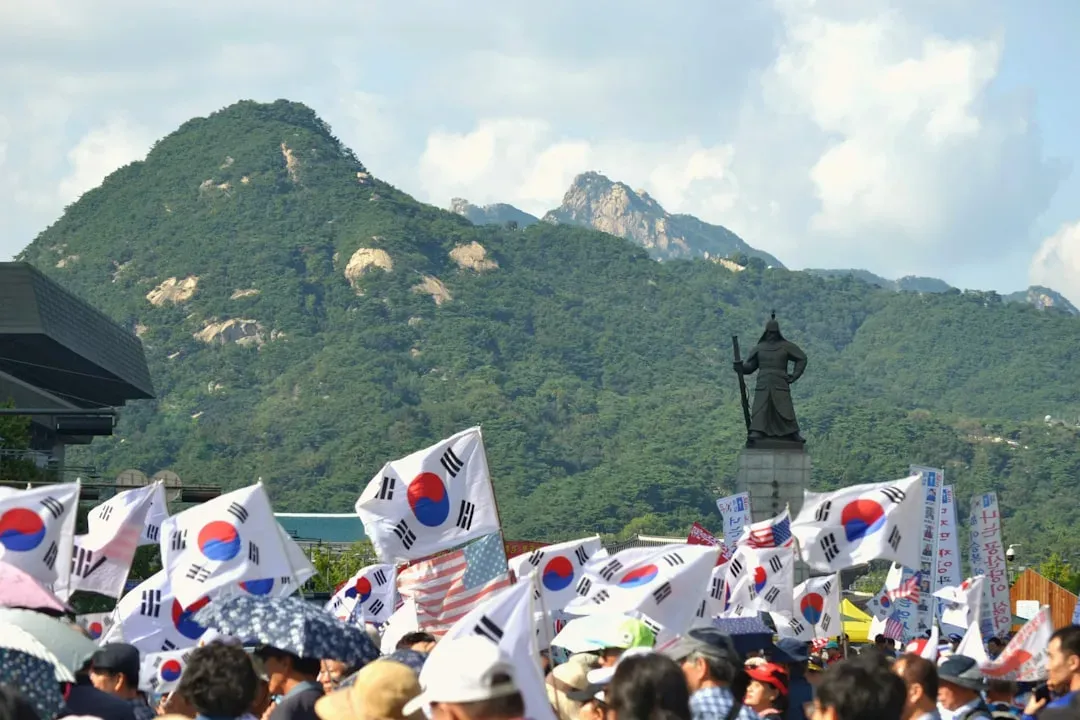
In December 2024, South Korea was thrust into a political crisis after then-President Yoon Suk Yeol declared martial law, citing rising unrest and an alleged threat to national security. It resulted in the deployment of troops, detention of opposition lawmakers, and the curtailing of press freedom. In one of the world’s most technologically advanced democracies. The move was staggering.
President Yoon Suk Yeol declared martial law to ban political activities and suspend most civil liberties. Within minutes of his announcement, thousands of people marched in protest to the National Assembly, where military special forces tried to block assembly members from voting to lift the martial law decree. The citizens and the parliament essentially stood their ground against an armed takeover of democratic institutions.
A year on, prosecutors indicted Yoon Suk Yeol for insurrection, accusing him of seeking to provoke military aggression from North Korea to help consolidate his power. Special prosecutor Cho Eun-seok’s team indicted Yoon, five former cabinet members, and 18 others on insurrection charges following a six-month probe into his declaration of martial law. This was democracy defending itself in real time, right in the middle of one of Asia’s most stable nations.
7. Angola’s Silent Crisis: The Worst Drought in 40 Years, Almost Zero Coverage
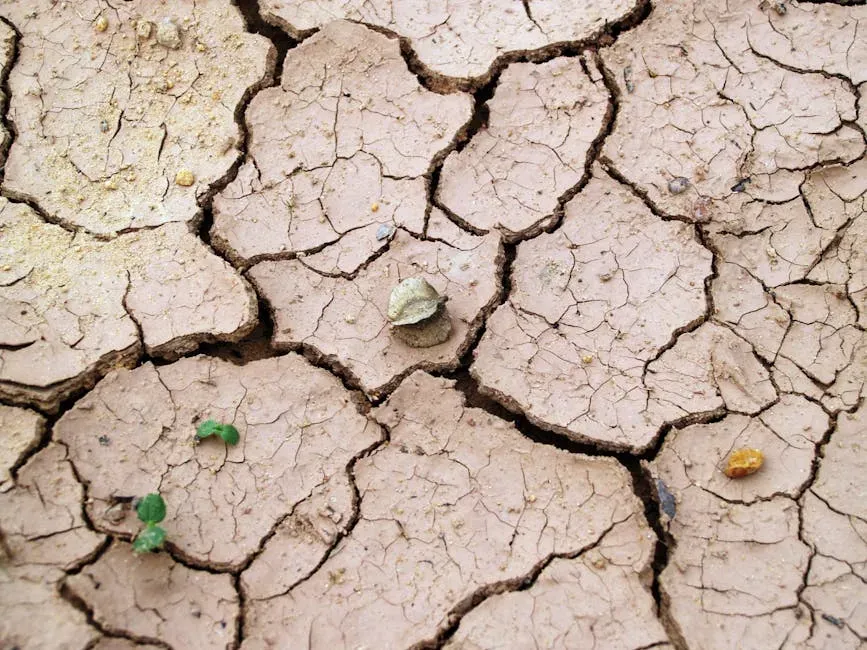
Angola tops the list of 10 most underreported humanitarian crises for the third year in a row. According to data from the United Nations World Food Programme, the worst drought in southern Africa for over 40 years has caused food insecurity for around 2.2 million people in Angola. The numbers are staggering, and almost nobody is talking about it.
Despite these staggering numbers and pressing needs, there were fewer than 2,000 articles published on the issue from January 1 to September 30, 2024. In that same period, news outlets published nearly 300,000 articles about Greta Gerwig’s Barbie film. That contrast is almost impossible to sit with. Nearly 300,000 articles about a movie. Fewer than 2,000 about millions of people facing starvation. It says something uncomfortable about collective priorities.
Natural disasters, including droughts and devastating floods, further threaten the livelihoods of the rural majority dependent on agriculture. During the 2024 rainy season, catastrophic flooding claimed lives, damaged infrastructure, and delayed the start of the school year, trapping thousands in dire conditions and increasing the risk of disease outbreaks. Angola’s compounding crises deserve global attention they simply haven’t received.
8. Global Democracy Has Been Quietly Declining for Nearly Two Decades
This one is the slow-motion event, the kind that doesn’t announce itself with a single headline but reshapes entire civilizations. According to Freedom House, 2023 marked the 18th consecutive year of global freedom’s decline, as more nations saw rights and liberties curtailed than expanded. In fact, only about one in five people in the world now lives in a fully Free country, while the rest live under Partly Free or Not Free regimes. That is a majority of humanity living under authoritarian or semi-authoritarian conditions.
In Europe, far-right parties recorded some of their strongest results on record, including becoming the second-largest force in Germany’s federal election, where the AfD won 20.8 percent of the vote. The trend is not limited to one region. It is global, it is accelerating, and it intersects with nearly every other story on this list. Democratic backsliding worldwide is one of the most profound global trends of the past decade-plus, as the steady erosion of democracy and freedom continues country after country, with pivotal examples receiving far more attention abroad than in mainstream news coverage.
The quiet erosion of democratic norms is perhaps the hardest story to tell, precisely because it has no single dramatic moment. There’s no invasion, no explosion, no one day when everything changes. It happens in courtrooms, in election laws, in the slow silencing of journalists. Voters around the globe punished politicians in power. Long dominant parties in India, Japan, South Africa, and elsewhere went into their elections hoping to strengthen their hold on power and instead lost seats and found themselves in coalition governments. The electorates are restless. The direction of that restlessness, however, is the real question.
Conclusion: The Stories That Define Us Are Often the Ones We Miss
The world is enormous, chaotic, and relentlessly busy. It’s genuinely hard to keep up with all of it. Most of us are doing the best we can with the information we encounter. Still, there’s a real cost to collective distraction. Wars escalate unnoticed. Famines spread in silence. Democracies hollow out without a single dramatic moment to point to.
What’s striking about all eight of these events is that they were never truly hidden. They were all happening in the open. The data was there, the reports were filed, the experts were sounding alarms. The problem wasn’t access to information. It was where our attention was pointing. That, more than anything, is worth sitting with.
The next time a celebrity scandal or viral moment floods every screen you own, it might be worth pausing and asking: what else is happening right now that nobody is talking about? The answer, almost certainly, will surprise you.
Partner offer
Planning a trip to Vegas?
Compare hotel rates and show tickets on VEGAS.com.