Every so often, a record comes along that doesn’t just sit well within its but quietly rewrites the rules of it. These albums didn’t just top charts or sell millions of copies, though many did both. They changed what listeners expected a certain kind of music to sound like, and other artists spent years catching up. What follows is a look at seven such albums, spanning grunge, metal, hip-hop, experimental rock, electronic music, and pop. Each one arrived at a moment when its was ready to be pushed somewhere new, and each one left a mark that’s still audible today.
Nirvana, Nevermind (1991)

When Nirvana released Nevermind on September 24, 1991, almost nobody expected it to become a cultural earthquake. The album made a fairly low-key arrival on Billboard’s charts, debuting at No. 144 and selling just 6,000 copies in its first week. That changed fast. The release of Nevermind marked a turning point in the music industry, as it quickly ascended the charts, reaching the number one spot on the Billboard 200 by January 1992.
The album didn’t just sell records, it reshaped the entire sound of mainstream rock. Featuring guitarist and frontman Kurt Cobain, bassist Krist Novoselic and a pre-Foo Fighters Dave Grohl on drums, the album catapulted alternative rock, specifically the grunge sub fizzing in the Pacific Northwest, into homes across America. More than three decades later, its staying power is remarkable. By 2025 the album reached 750 weeks on the Billboard 200, joining the likes of Eminem, Metallica, Pink Floyd, and Bob Marley for accomplishing the same feat.
Metallica, Metallica (The Black Album) (1991)

Metal fans in 1991 had grown used to Metallica’s dense, technical thrash. The band’s self-titled fifth album, universally known as the Black Album, threw that formula out. Released on August 12, 1991, it marked a pivotal moment not only for the band but for heavy metal as a , streamlining their sound for broader appeal and producing a cultural and commercial phenomenon that redefined the possibilities for heavy music in the mainstream.
The commercial numbers backed up the cultural shift. It debuted at number one on the Billboard 200 with 598,000 copies in its first week, the largest opening of any Metallica record up to that point, spending four consecutive weeks at number one and getting certified platinum within two weeks. Longtime fans grumbled about the mellower turn, yet the album’s influence proved undeniable. Culturally, Metallica bridged gaps between s, helping to open the door for harder-edged music on radio and television, and it is often credited with laying the groundwork for the alt-metal and nu-metal boom of the late 1990s and early 2000s.
Dr. Dre, The Chronic (1992)
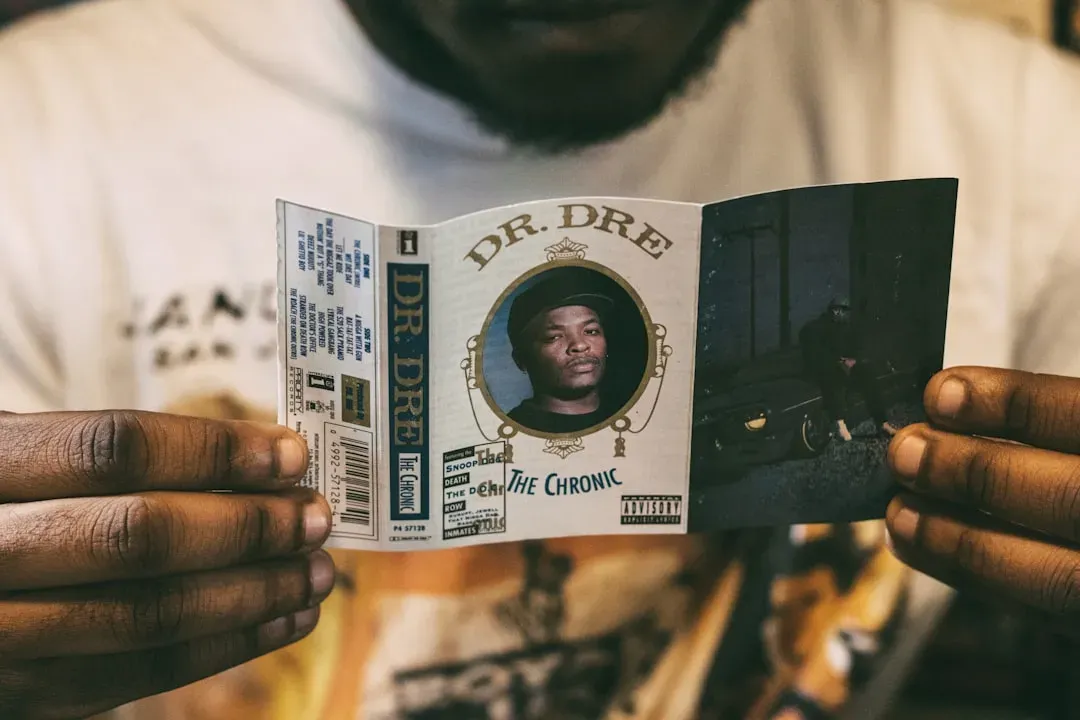
Before The Chronic, East Coast hip-hop’s sample-heavy, jazz-and-soul aesthetic largely set the ‘s tone. Dr. Dre flipped that script entirely. Deploying a funk- and sample-infused strain of hip-hop, The Chronic introduced the world to the G-funk sound and galvanized the West Coast hip-hop style, relying on the influences of George Clinton’s Parliament-Funkadelic collective rather than the disco and jazz records East Coast producers favored.
The album also changed how hip-hop records got made behind the scenes. Dre’s use of session musicians to replay interpolated funk lines obscured the boundaries between sampling and performance, raising production expectations across the industry and influencing a generation of beatmakers and engineers. Its reach extended well past Los Angeles too. The Chronic’s slow-rolling tempo and melodic sensibility spread throughout the South, with groups like Organized Noize adopting Dre’s formula of live instrumentation and atmospheric layering, while UGK’s Ridin’ Dirty blended G-funk elements with Southern narratives.
Radiohead, Kid A (2000)
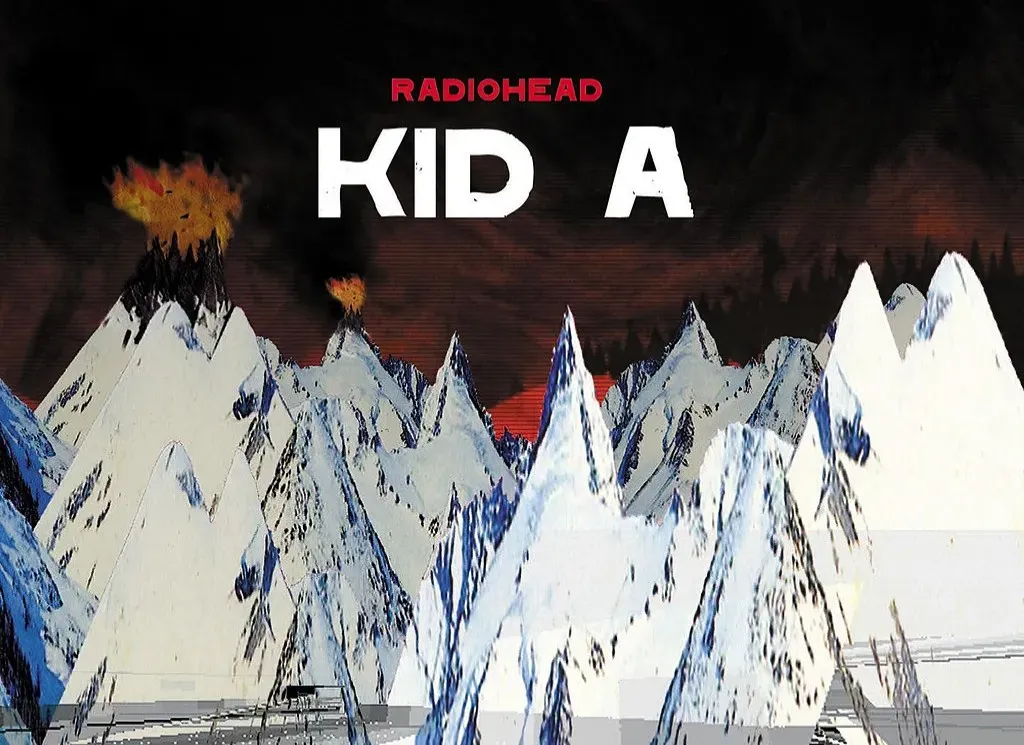
Coming off the acclaim of OK Computer, Radiohead could have made another guitar-driven rock record and coasted on goodwill. Instead they went somewhere stranger. After OK Computer, frontman Thom Yorke experienced intense burnout and disillusionment with rock music, retreating to Cornwall and immersing himself in electronic music, which influenced Kid A’s shift toward electronic and experimental sounds.
Partner offer
The resulting record confused some listeners at first, then reshaped how rock bands were allowed to sound. The album’s structure challenged fans’ expectations by omitting choruses and traditional song formats, dividing listeners at first before ultimately winning praise and being hailed as one of the most influential albums of the 2000s, helping redefine what a rock album could be by blending s. Behind the scenes, the band embraced new tools with real curiosity rather than gimmickry. As a result, Radiohead incorporated synthesisers, drum machines, and the ondes Martenot into their instrument lineup, as well as influences from s such as krautrock and electronica.
Daft Punk, Discovery (2001)
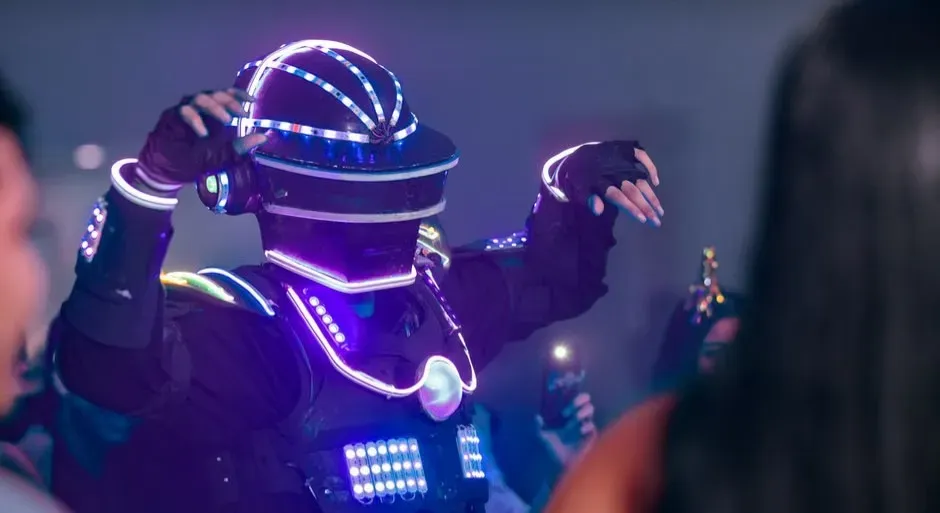
Daft Punk’s debut, Homework, had already made waves in the French house scene, built on stripped-down loops and filtered disco samples. Discovery, released in 2001, took that foundation and pushed it toward something warmer, glossier, and far more melodic. The duo leaned into vocoder-heavy hooks, live instrumentation styled to sound synthetic, and a bright, almost childlike sense of nostalgia that borrowed openly from 1970s and 1980s disco, funk, and soft rock.
The record’s influence stretched well beyond dance floors. Its fingerprints showed up years later in mainstream pop and hip-hop production, where filtered disco loops and vocoded vocals became a recognizable shorthand for a certain kind of retro-futurist cool. Discovery also helped normalize the idea that electronic music could be unabashedly emotional and pop-facing rather than strictly functional for clubs, a shift that later shaped how artists across s approached dance-adjacent production.
Kendrick Lamar, To Pimp a Butterfly (2015)

By 2015, mainstream hip-hop had largely settled into trap-influenced production and a fairly narrow sonic palette. Kendrick Lamar’s third studio album pushed hard against that consensus, weaving in live jazz instrumentation, funk basslines, spoken word, and free-form structures that resisted easy radio formatting. The record drew on collaborators from the jazz and funk world, giving it a dense, live-band feel that stood apart from the more programmed sound dominating rap at the time.
The album’s cultural weight went beyond its sound. “Alright,” one of its standout tracks, became an anthem associated with civil rights demonstrations and the broader Black Lives Matter movement, giving the record a social resonance that outlasted typical album cycles. To Pimp a Butterfly also encouraged other rappers to experiment more freely with jazz and live instrumentation, influencing a wave of -blending hip-hop that followed in the years after its release.
Billie Eilish, When We All Fall Asleep, Where Do We Go? (2019)

Pop music in the years before 2019 largely still prized polished, radio-ready production and big, anthemic choruses. Billie Eilish’s debut studio album, written and produced largely with her brother Finneas in a home bedroom rather than a commercial studio, leaned instead into whispered vocals, minor-key melodies, and unsettling, bass-heavy soundscapes. It was a deliberately quiet, moody record that still managed to dominate mainstream pop charts and radio.
The album’s success helped legitimize a whole sub of hushed, bedroom-produced pop that had previously lived mostly on the fringes of streaming playlists. Its influence showed up quickly in how other young pop artists approached production, with more whispery vocal deliveries, sparse arrangements, and darker lyrical themes appearing across mainstream pop in the years that followed. It also reinforced the idea that a pop album didn’t need a traditional studio budget or a polished radio sound to reach a massive global audience.
Taken together, these seven records share a common thread despite the different decades and s involved. Each one arrived at a moment when its surrounding scene had settled into predictable patterns, and each one refused to follow the expected path. The result, in every case, was a that looked and sounded noticeably different afterward, with other artists spending years working through the possibilities these albums opened up.Partner offer
Planning a trip to Vegas?
Compare hotel rates and show tickets on VEGAS.com.