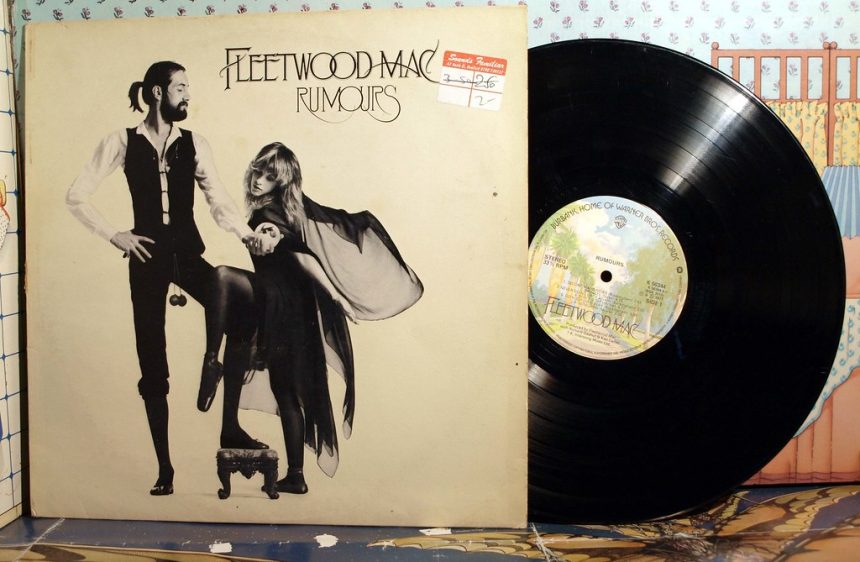
Music has a strange way of freezing a moment in time and handing it back to us years later, fully intact. Certain records do more than top charts or win awards. They become shorthand for an era, capturing anxieties, hopes, and cultural shifts that outlast the trends around them. The albums below were chosen not just for their sales figures or critical acclaim, but for the way they reshaped how a generation saw itself. Some arrived quietly and grew into monuments. Others exploded on impact and never really faded.
Sgt. Pepper’s Lonely Hearts Club Band by The Beatles (1967)
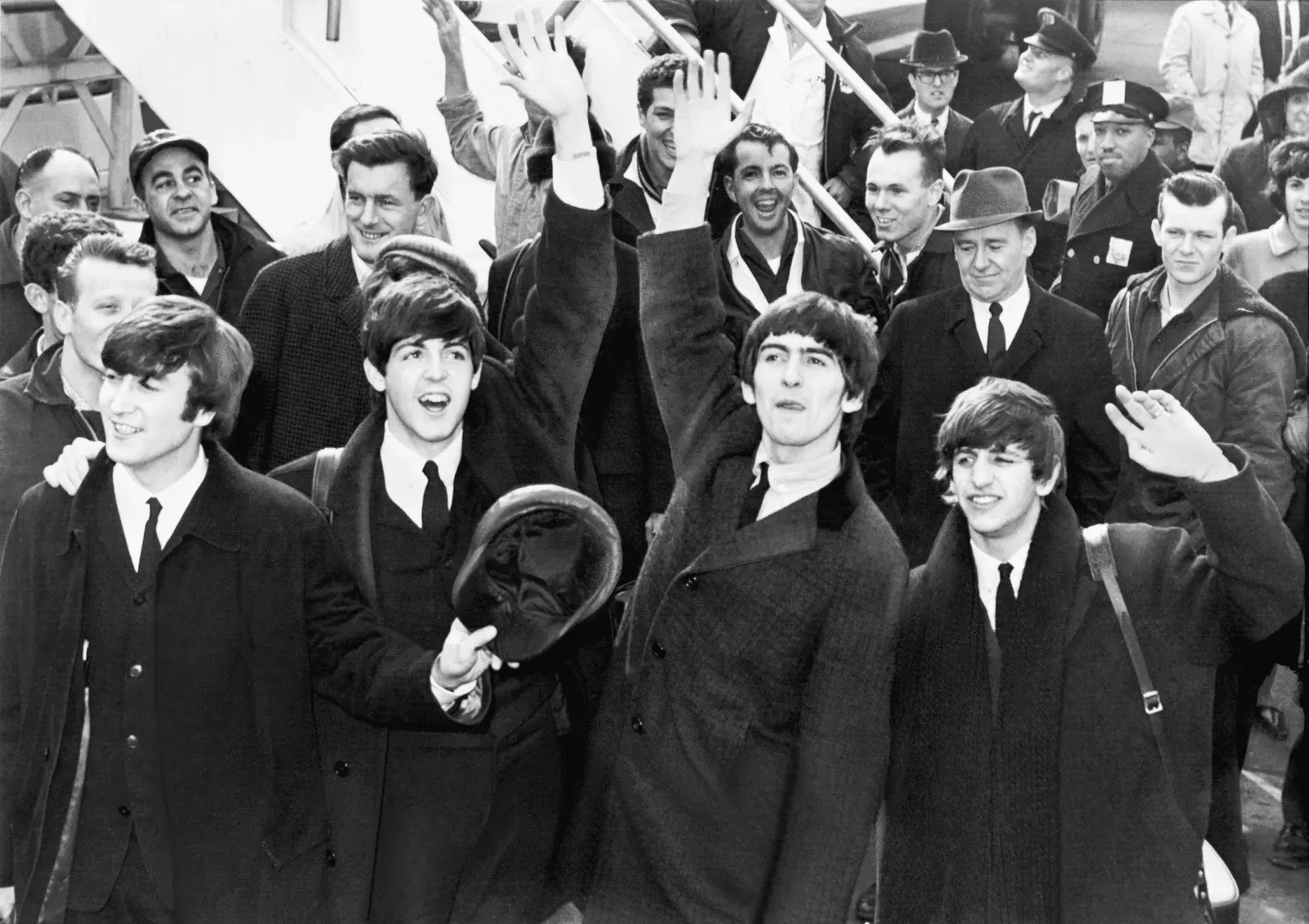
When The Beatles released this album in 1967, it did something few records before it had attempted. It presented itself as a unified artistic statement rather than a loose collection of singles, complete with a fictional band concept, elaborate orchestration, and a now iconic cover crowded with cultural icons. For a generation caught up in the counterculture movement, the album became a soundtrack to a summer that felt like it was rewriting the rules of youth culture.
Its influence stretched well beyond music charts. Studio techniques pioneered on this record, tape loops, multitrack layering, and unconventional song structures, pushed other artists to think of albums as complete artistic works rather than filler around a hit single. Decades later, it still gets cited as a turning point where pop music started taking itself seriously as art.
The Dark Side of the Moon by Pink Floyd (1973)
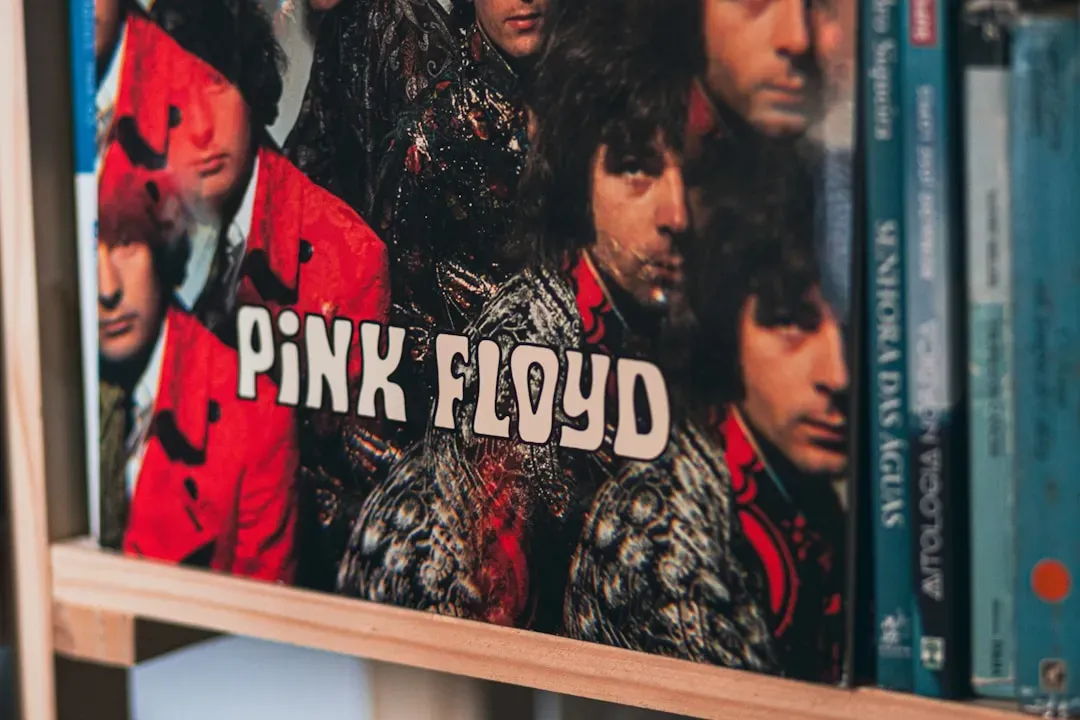
Pink Floyd’s 1973 release tackled themes that felt almost too heavy for rock music at the time: mortality, mental illness, greed, and the passage of time. Instead of shying away from these topics, the band wrapped them in atmospheric production and conceptual cohesion that made the album feel like a single, uninterrupted thought. It resonated deeply with a generation processing the aftermath of the 1960s and wondering what came next.
The album’s staying power on the charts became almost legendary within the music industry, with it lingering on album charts for an unusually long stretch of years after its release. That kind of longevity rarely happens by accident. It speaks to how the record tapped into something timeless about anxiety and existential doubt that each new generation seems to rediscover on its own terms.
Rumours by Fleetwood Mac (1977)
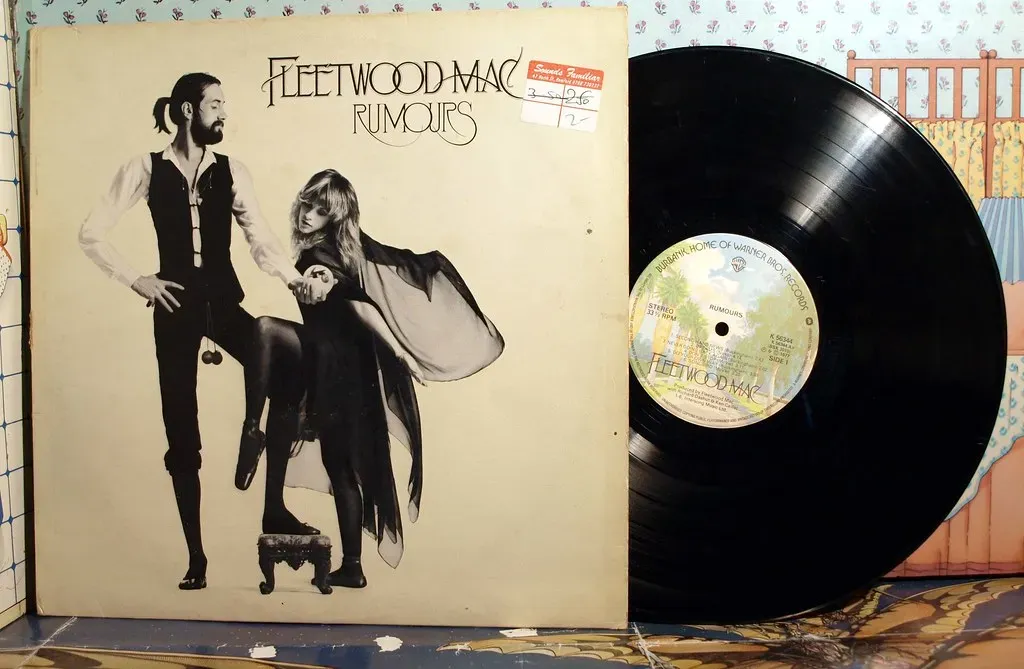
Few albums carry as much real-life drama behind them as Rumours. The band recorded it while multiple members were going through breakups with each other, and somehow that tension translated into some of the most emotionally direct songwriting of the decade. Listeners in the late 1970s connected with its honesty about heartbreak, jealousy, and moving on, themes that felt refreshingly unguarded compared to the more polished pop of the era.
The album’s blend of soft rock, folk influences, and pop hooks gave it a mainstream appeal that crossed multiple demographics. It became one of the defining sounds of the late 1970s, capturing a generation navigating shifting ideas about relationships and independence. Even now, its songs regularly resurface in film, television, and streaming playlists, proof that its emotional core never really aged.
Thriller by Michael Jackson (1982)
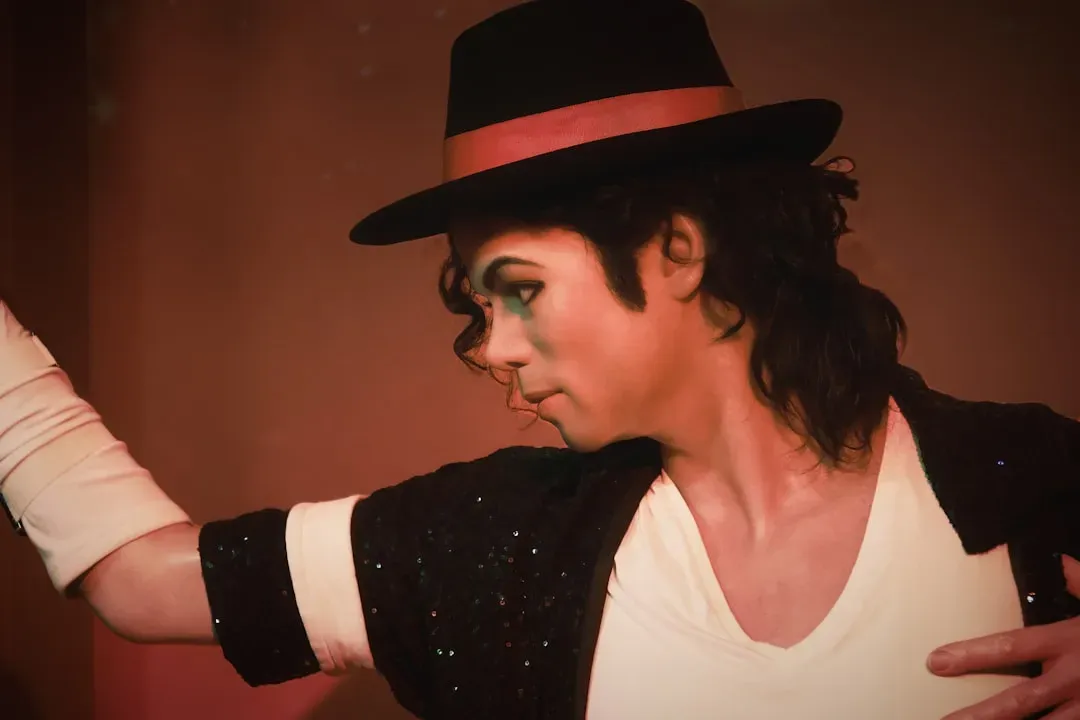
Thriller did not just define a generation, it redefined what a pop album could achieve commercially and culturally. Michael Jackson’s album Thriller from 1982 is the best-selling album of all time in global sales, with an estimated 67 million copies sold. That kind of reach meant the album crossed racial, generational, and geographic lines in a way few records had managed before.
Part of its impact came from how it merged genres, disco, rock, funk, and pop, into something that felt entirely new. Released in 1982, Thriller arrived at a moment of cultural transition, as the 1970s had burned out politically, musically, and spiritually while the early 1980s were still taking shape. Jackson’s ability to sense that opening and fill it with a genre-blending, visually driven album helped shape how experienced pop music and music videos alike.
It Takes a Nation of Millions to Hold Us Back by Public Enemy (1988)
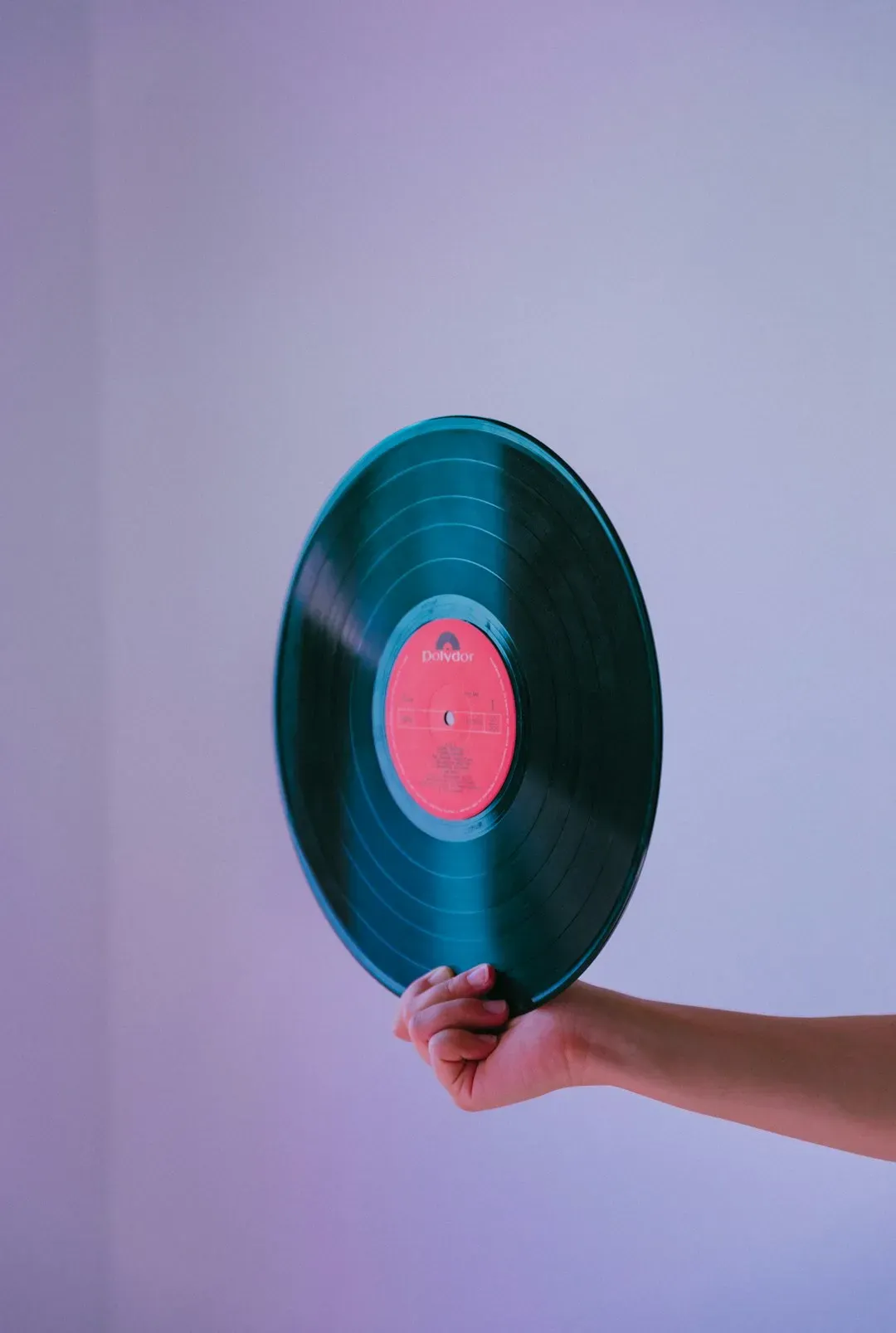
Public Enemy’s second studio album arrived at a moment when hip hop was still fighting for mainstream recognition as a serious art form. Chuck D’s dense, politically charged lyrics paired with the Bomb Squad’s layered, chaotic production created something that felt urgent and confrontational rather than simply catchy. For young listeners, especially in Black communities grappling with systemic inequality, the album gave voice to frustrations that mainstream media largely ignored.
Partner offer
Its influence rippled through both music and activism. The record is frequently cited by critics and historians as one of the most politically important hip hop albums ever made, helping push the genre toward social commentary as much as entertainment. Generations of artists since have pointed to its sampling techniques and lyrical density as a blueprint for combining artistry with protest.
Nevermind by Nirvana (1991)
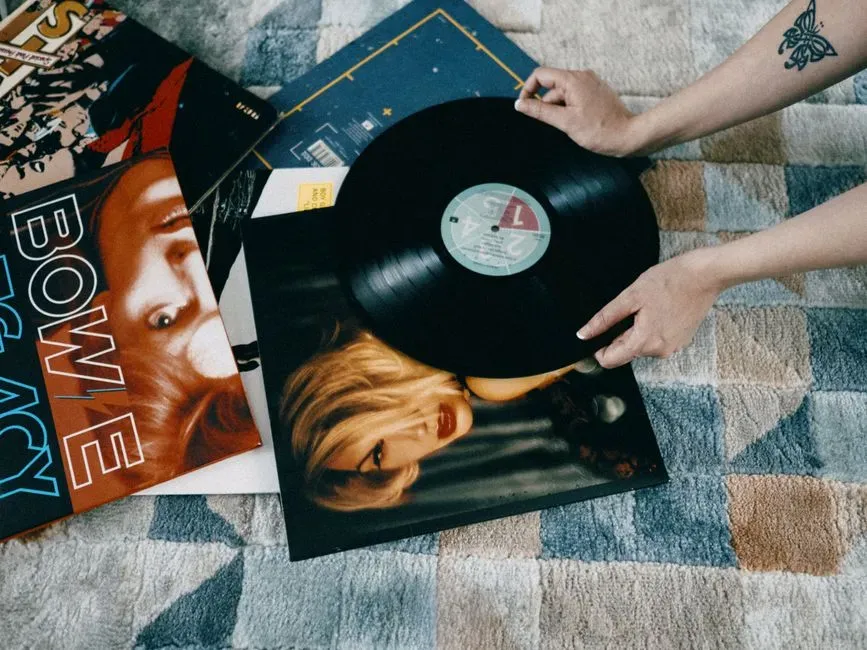
Few albums capture a generational mood shift as cleanly as Nevermind did for Generation X. It signified a cultural revolution that became labeled Generation X, and unknowingly ushered in alternative music as a corporate moneymaker. What started as a modest release from a relatively unknown Seattle band turned into a phenomenon almost nobody saw coming.
When it was released on September 24, 1991, it made a fairly low key arrival on Billboard’s charts, debuting at number 144 and selling only 6,000 copies in its first week. Within months, though, it dethroned Michael Jackson’s Dangerous at the top of the Billboard 200, a moment widely seen as symbolic of a changing of the guard in popular music. Nevermind has since sold over 30 million copies worldwide and earned Diamond certification from the RIAA, cementing its place as the defining sound of disillusioned early 1990s youth.
The Chronic by Dr. Dre (1992)
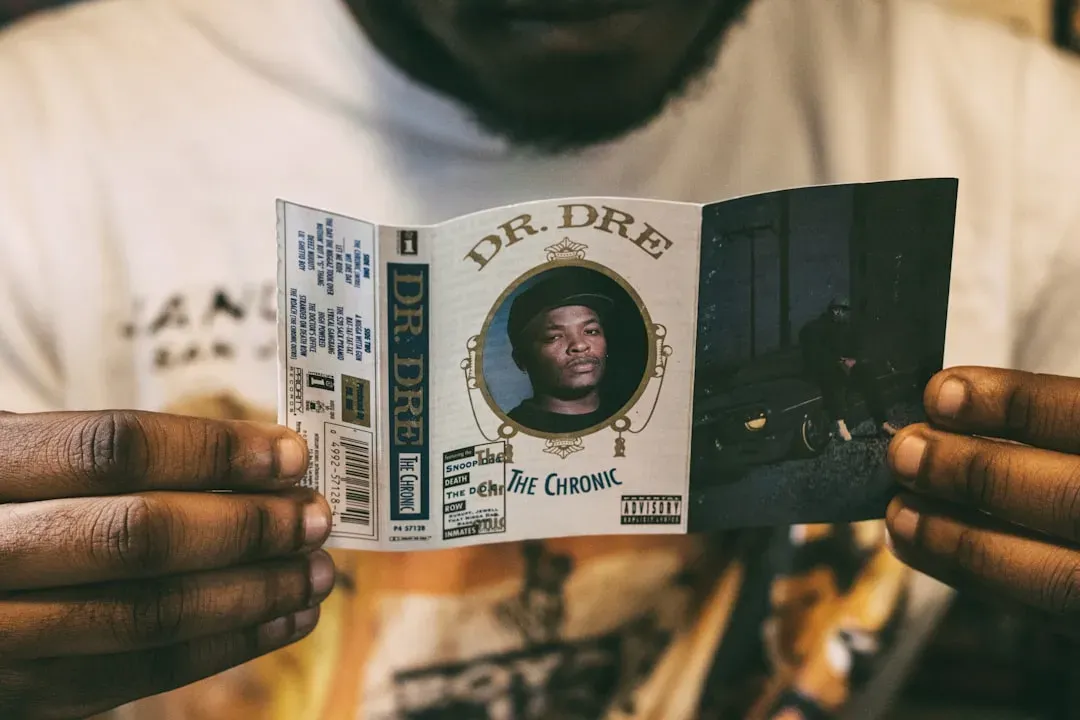
Released in the shadow of the Los Angeles unrest and amid heightened national attention on West Coast hip hop, The Chronic introduced a laid back, funk infused production style that became known as G-funk. Dr. Dre’s debut solo album also served as a launching pad for Snoop Dogg, whose distinctive delivery became inseparable from the record’s identity. For young listeners on the West Coast and eventually across the country, the album offered a vivid, unfiltered snapshot of life in South Central Los Angeles.
Beyond its regional impact, The Chronic reshaped the commercial trajectory of hip hop production for years afterward. Its smooth basslines and synthesizer heavy sound became a template that countless producers borrowed from throughout the 1990s. The album is often credited with helping bring West Coast rap into the mainstream conversation alongside its East Coast counterparts.
OK Computer by Radiohead (1997)
Radiohead’s third album arrived just as the internet age was beginning to take shape, and its themes of alienation, consumerism, and technological unease turned out to be eerily prophetic. Released in 1997, the album stands as a seminal work that prophesied the technological anxieties of the 21st century, delving into the complex relationship between humanity and technology. That prescience is a big part of why the record still feels relevant to listeners who were not even born when it came out.
Critics at the time already sensed something significant was happening. A contemporary review noted that in twenty years time the album would be seen as the key record of the year, one that pushed rock forward rather than reworking an earlier era. For a generation coming of age alongside the rise of the internet and smartphones, OK Computer became a strangely accurate mirror of digital age anxiety before most people even owned a mobile phone.
Lemonade by Beyoncé (2016)

Lemonade broke from convention before a single note played, arriving as a surprise visual album rather than a traditional release. Beyoncé dropped her sixth studio album on April 23, 2016, through Parkwood Entertainment and Columbia Records, with the project featuring the Grammy winning song Formation. The accompanying film wove together themes of infidelity, Black womanhood, and generational trauma into a single cohesive narrative rarely attempted at that scale.
Its commercial and cultural reach was immediate and wide ranging. All twelve tracks debuted on Billboard’s Hot 100, marking the first time a female artist had charted twelve or more songs simultaneously. Beyond the charts, the album sparked academic courses, museum discussions, and a broader cultural conversation about race and gender that extended well past the usual lifespan of a pop release, making it a defining touchstone for a generation raised on both social media and socially conscious pop.
These nine albums did not simply soundtrack their moments. They shaped how millions of listeners understood themselves and the world shifting around them, turning personal songwriting into shared cultural memory. Whether through rebellion, heartbreak, political urgency, or quiet foresight, each record earned its place not by chasing relevance but by capturing something true enough to outlast its own decade.Partner offer
Planning a trip to Vegas?
Compare hotel rates and show tickets on VEGAS.com.