
Every decade produces a handful of songs that get canonized, played at every wedding and worked into every “best of” list until they practically write themselves into the culture. But plenty of equally deserving tracks slip through that process, sometimes because they were b-sides, sometimes because the artist behind them never became a household name, and sometimes for no good reason at all.
These nine songs share a few things in common: sharp songwriting, real emotional weight, and a strange absence from the conversation about what counts as an American classic. They deserve better than being someone’s deep-cut favorite.
1. Lodi by Creedence Clearwater Revival

Written by John Fogerty and tucked away as the b-side to “Bad Moon Rising” in 1969, “Lodi” tells the story of a musician stuck broke in a small California town, unable to move forward or go home. It’s a plain, unglamorous song about failure, which is probably why it never got the same radio push as CCR’s bigger hits.
The irony is that “Lodi” captures something more honest about the working musician’s life than almost anything else in the CCR catalog. Fogerty himself has said the song wasn’t about a specific place he’d been stranded in, yet the town of Lodi, California embraced it anyway, eventually naming a local park after the song. That kind of grassroots adoption says something about its staying power, even without mainstream classic status.
2. Atlantic City by Bruce Springsteen

Released on the stripped-down 1982 album Nebraska, “Atlantic City” is Springsteen at his bleakest, a song about debt, desperation, and the fading promise of the New Jersey boardwalk town after casino gambling arrived. There’s no wall of sound here, just an acoustic guitar and a story that feels lifted from a Springsteen short story rather than a rock anthem.
The song has had a strange afterlife, covered by everyone from The Band to Hozier, and it remains a fan favorite live even decades later. Yet outside of hardcore Springsteen circles, it rarely gets mentioned in the same breath as “Born to Run” or “Thunder Road,” despite arguably matching them in craft.
3. Angel from Montgomery by John Prine

John Prine wrote “Angel from Montgomery” for his self-titled 1971 debut album, and it remains one of the most quietly devastating songs in the American songbook. Sung from the perspective of an aging woman reflecting on a life that never became what she hoped, it’s a masterclass in empathy and restraint from a songwriter still in his twenties at the time.
Bonnie Raitt’s 1974 cover brought the song wider attention and it has since become a staple for singers looking to prove their emotional range. Still, Prine’s original rarely gets the recognition it deserves outside of folk and Americana circles, overshadowed by his more well known later work.
4. Society by Eddie Vedder

Written by Jerry Hannan and recorded by Eddie Vedder for the 2007 “Into the Wild” soundtrack, “Society” is a spare, acoustic meditation on isolation and the pull away from modern life. Vedder’s raspy delivery and the film’s story about a young man abandoning civilization gave the song an immediate emotional weight that felt bigger than a typical soundtrack cut.
Despite earning Vedder a Golden Globe nomination and becoming genuinely beloved among fans of the film, “Society” never really broke into wider rotation outside of that context. It exists in a strange middle ground, too tied to the movie to be discussed purely as a song, yet strong enough to stand entirely on its own.
5. Big Empty by Stone Temple Pilots

“Big Empty” appeared on Stone Temple Pilots’ 1994 album Purple and later found a second life on the soundtrack for “The Crow.” Scott Weiland’s vocal delivery, moody and detached, matched the song’s themes of emotional distance perfectly, and the arrangement leans more toward atmosphere than the grunge-adjacent riffs the band was known for elsewhere.
It charted respectably at the time, but “Big Empty” has since faded compared to STP’s more frequently played hits like “Interstate Love Song.” Given how well it’s aged, and how much it captures a specific melancholic mood of mid-1990s American rock, it deserves a more permanent spot in that decade’s canon.
6. Screaming Infidelities by Dashboard Confessional

Released in 2001 on The Places You Have Come to Fear the Most, “Screaming Infidelities” became something of an anthem for early-2000s emo fans, even without a proper radio push. Chris Carrabba’s raw, acoustic delivery of heartbreak and betrayal struck a nerve at a time when that kind of unguarded vulnerability wasn’t common in mainstream rock.
The song helped define an entire subgenre and era of American music, yet it rarely gets acknowledged outside of that specific scene’s history. Its influence on later singer-songwriters who blend confession with melody is significant, even if the song itself stays a niche favorite rather than a broadly recognized classic.
7. Because the Night by Patti Smith

Written by Bruce Springsteen and later reworked with lyrics by Patti Smith, “Because the Night” appeared on her 1978 album Easter and became her biggest commercial hit. The song’s blend of punk energy and pop hooks gave Smith a rare moment of mainstream crossover without sacrificing the intensity that defined her work.
It’s since been covered widely, most notably by 10,000 Maniacs, but the original often gets treated as a footnote in conversations about either Springsteen’s songwriting catalog or Smith’s punk legacy. That in-between status has kept a genuinely great song from getting its own dedicated recognition.
8. Marquee Moon by Television
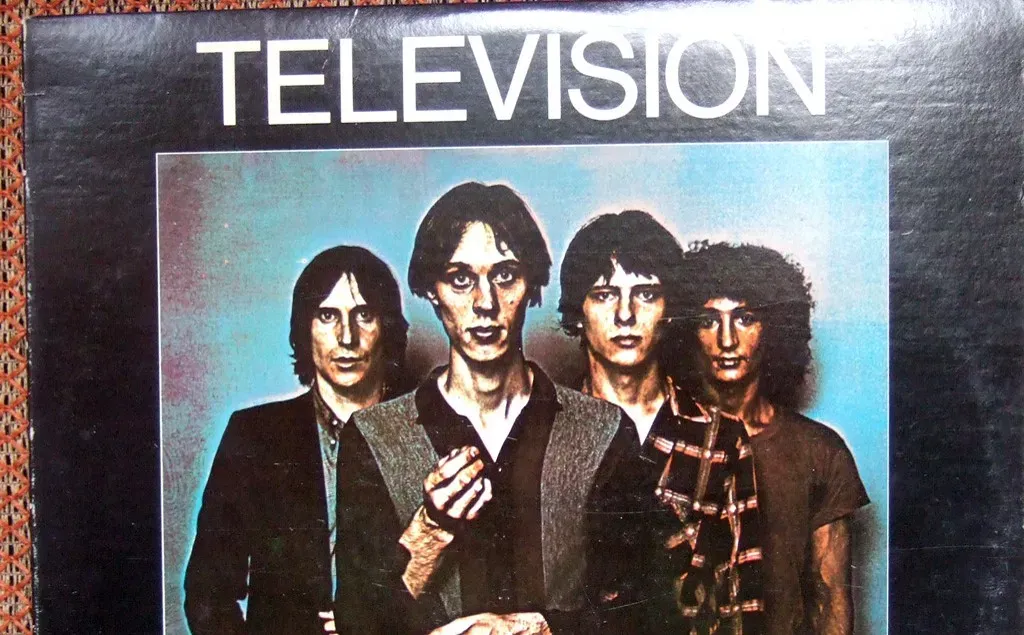
The title track from Television’s 1977 debut album, “Marquee Moon” stretches past the ten-minute mark, built around Tom Verlaine’s winding guitar interplay with Richard Lloyd. It’s often cited by musicians and critics as one of the key records that shaped the sound of American punk and post-punk, even though it never sounded much like the three-chord punk of the era.
Despite its influence on generations of guitar-driven bands, “Marquee Moon” remains largely unknown outside serious music circles. It’s the kind of song that shows up on critics’ lists but almost never on the radio, which keeps it permanently just outside classic status.
9. Wichita Lineman by Glen Campbell

Written by Jimmy Webb and recorded by Glen Campbell in 1968, “Wichita Lineman” tells a simple story about a telephone lineman working alone on the plains, thinking about someone far away. Its unresolved chord structure and understated production were unusual for a mainstream country-pop hit at the time, giving it a lingering, almost aching quality that still surprises listeners today.
The song has earned respect from songwriters and critics for decades, often praised for its economy and emotional restraint. Yet it rarely gets mentioned alongside the biggest country or pop standards of its era, remaining more of a musician’s favorite than a widely recognized classic.
What ties these nine songs together isn’t obscurity for its own sake. Each one holds up on repeat listens, says something specific about the moment it came from, and influenced other artists in ways that outlasted its commercial run. Sometimes a song just needs a little more time, or a little more attention, to catch up to where it always belonged.