History loves a good mystery. And honestly, few things are more unsettling than an entire civilization, with millions of people, monumental buildings, complex trade routes and a living culture, simply disappearing. Not slowly fading into footnotes. Gone. Cities abandoned. Scripts left undeciphered. Monuments standing in silence.
These are not myths or legends. These are real places, real people, and real collapses that archaeologists, climatologists, and historians are still working furiously to understand in 2026. Some new discoveries in 2024 and 2025 have genuinely rewritten what we thought we knew. So let’s dig in.
1. The Indus Valley Civilization: A City That Outshone Rome Before Rome Existed

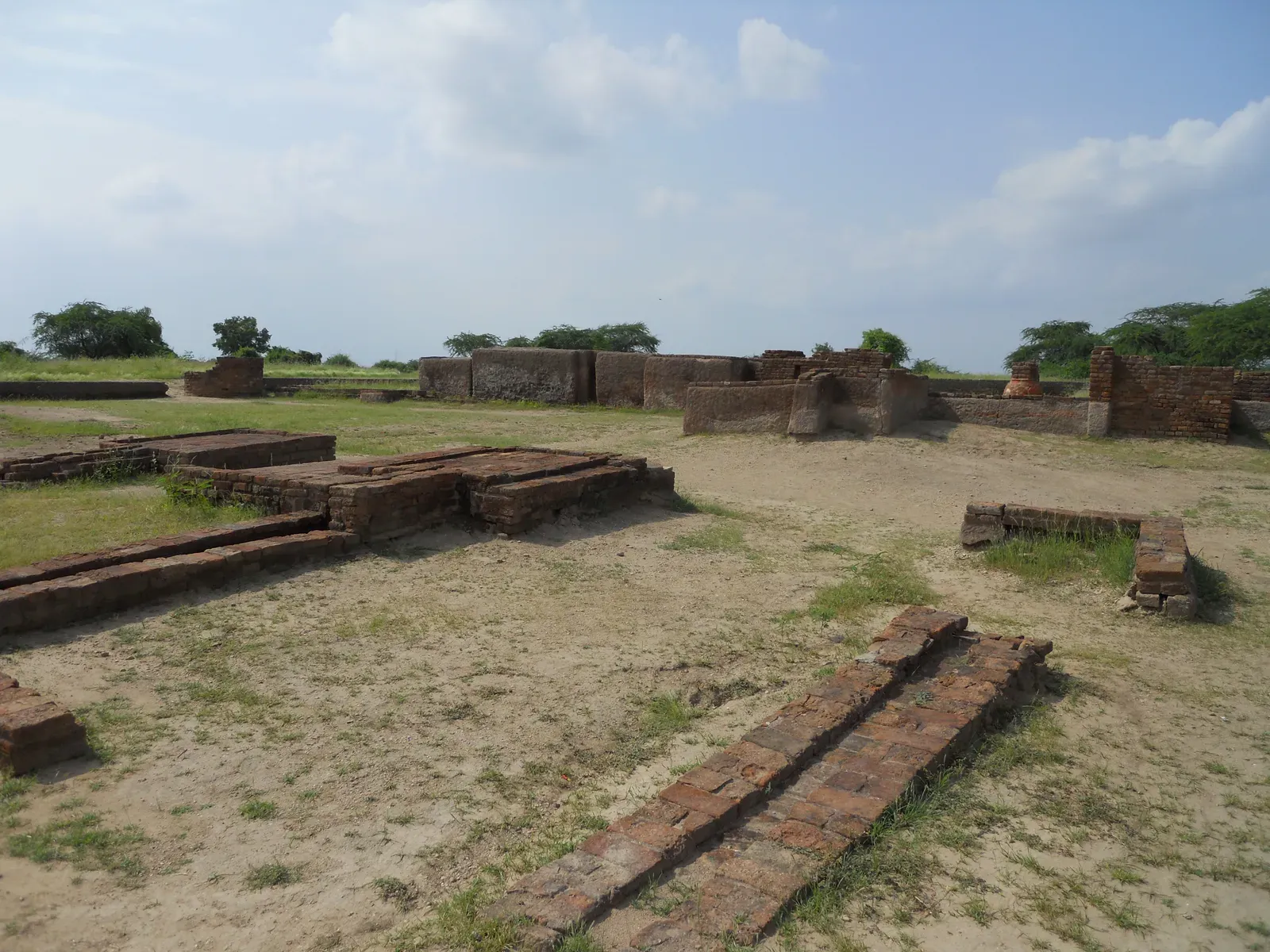
The Indus Valley Civilization, also known as the Harappan civilization, emerged more than 5,000 years ago across what is now Pakistan and northwest India, becoming one of the earliest and most extensive urban societies on Earth. At its height, it had a population likely numbering in the millions and built cities that rivaled, or even exceeded, those of contemporaneous civilizations in Mesopotamia and Egypt in terms of planning and infrastructure. Think about that for a moment. These cities had better urban planning than ancient Rome, thousands of years before Rome was even a thought.
Major urban centers such as Mohenjo-daro and Harappa were laid out on grid patterns and constructed from standardized, kiln-fired bricks, a level of uniformity that hints at sophisticated governance and shared engineering knowledge. These cities were defined by advanced water management. Elaborate drainage systems ran beneath streets, and private homes often featured bathing areas connected to covered sewers. Yet around 3,900 years ago, everything started to fall apart.
A new study published in Communications Earth and Environment reports that a series of major droughts, each extending beyond 85 years, likely played a central role in the eventual decline of the Indus Valley Civilization. One particularly long drought lasting 113 years, identified between 3,531 and 3,418 years ago, aligns with archaeological evidence of widespread deurbanization in the region.
The final 113-year-long drought coincides with archaeological evidence of major deurbanization in the Indus Valley Civilization. The civilization likely did not collapse suddenly as a result of any one climate event, but instead declined slowly, with the prolonged droughts a major contributory factor. Remarkably, the government of Tamil Nadu in southern India offered $1 million to anyone who can decipher the Indus River Valley civilization’s script. Though archaeologists have uncovered around 5,000 inscriptions written in Indus script, no one has managed to tease out the symbols’ meaning. Their words remain locked away. We may never truly hear them.
2. The Classic Maya Civilization: Collapse Written in Stone and Rainwater

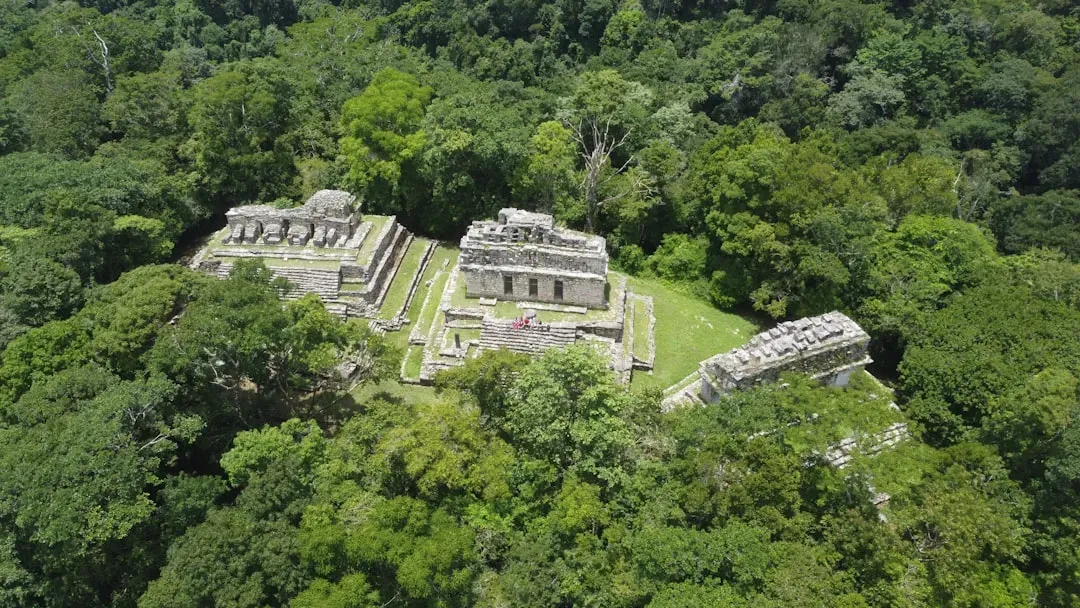
Around 250 CE, the Maya entered what is now called the Classic Period. During this period, the population peaked, and they built flourishing cities complete with palaces and temples. However, 650 years later, the Classic Period ended, and all major Maya cities were abandoned for reasons that are still unknown. It is one of archaeology’s most haunting questions. How does a civilization so sophisticated simply walk away?
Chemical evidence from a stalagmite in Mexico has revealed that the Classic Maya civilization’s decline coincided with repeated severe wet-season droughts, including one that lasted 13 years. This 2025 research from the University of Cambridge is genuinely groundbreaking. Analysis of oxygen isotopes in a Yucatán cave stalagmite reveals eight wet season droughts of at least three years each, including one lasting 13 years, between 871 and 1021 CE. These precisely dated droughts coincide with the Terminal Classic period of Maya decline, providing detailed evidence that prolonged climate stress likely contributed to societal disruption.
Such prolonged dry spells would have been devastating for a civilization heavily reliant on rain-fed agriculture. Even with the advanced water management systems for which the Maya were known, a drought of this duration would have placed immense stress on their food supply and social structure. Still, drought alone does not fully explain it. Researchers studying Classic Maya cities discovered that urban growth was driven by a blend of climate downturns, conflict, and powerful economies of scale in agriculture. These forces made crowded, costly city life worthwhile for rural farmers. But when conditions improved in the countryside, people abandoned cities for more autonomy and better living environments. The story turns out to be far more complex than drought alone.
3. The Minoans: Europe’s First Great Civilization, Gone in a Catastrophe

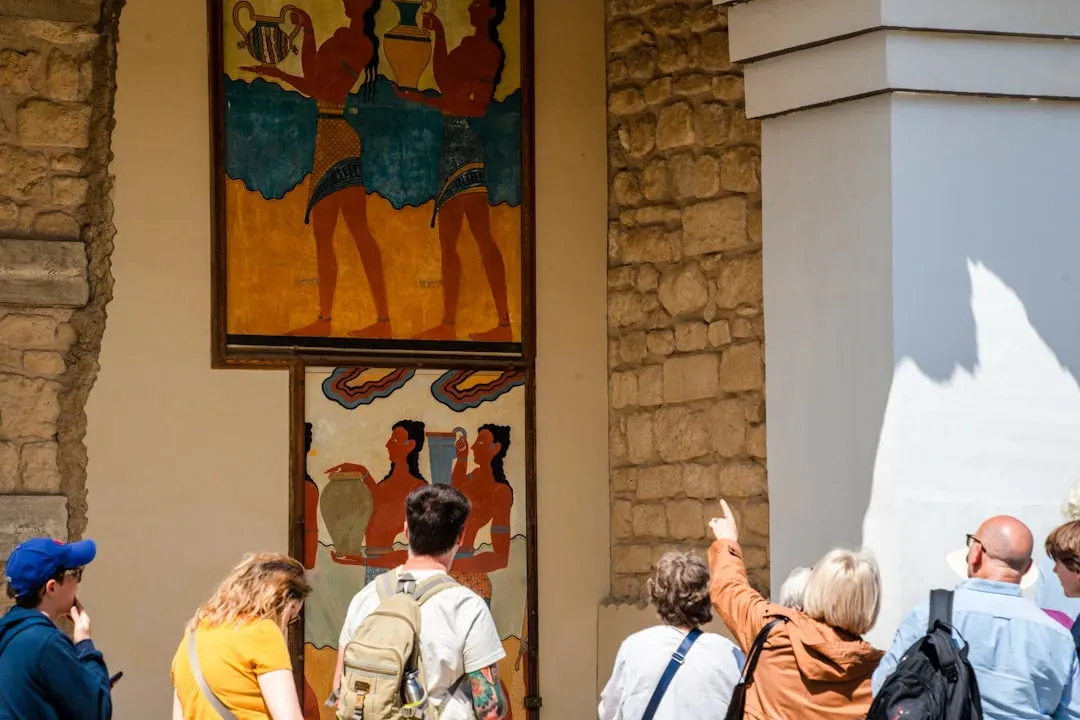
The Minoans, known as Europe’s first advanced civilization, flourished on the island of Crete from around 3000 to 1100 BCE. They are celebrated for their stunning artwork, extensive trade networks, and the legendary palace at Knossos. The Minoan civilization came to a sudden and mysterious end. While the exact cause is still debated, many experts believe natural disasters played a major role.
Centered on the island of Crete 15 centuries before Christ, the seagoing Minoans once dominated the commerce and influenced the culture of the eastern Mediterranean. Suddenly, their advanced civilization came to a catastrophic end. Great temples and lavish palaces fell into ruin. Traffic halted on a complex system of paved roads, elaborate viaducts crumbled, and most of the residents of Crete died or mysteriously disappeared.
A catastrophic volcanic eruption on the nearby island of Thera around 1600 BC is often cited as a pivotal event that may have led to their decline. The eruption likely triggered tsunamis and climatic changes, severely impacting agriculture and trade. Many theories have been put forth for how their society eventually collapsed. Popular theories claim that Mycenaean invasions and cultural assimilation ended the Minoan culture, while others claim natural disasters such as earthquakes and volcanoes ended the civilization. Honestly, it might have been all of the above hitting at once.
4. The Olmec: The Forgotten Mother of Mesoamerican Culture

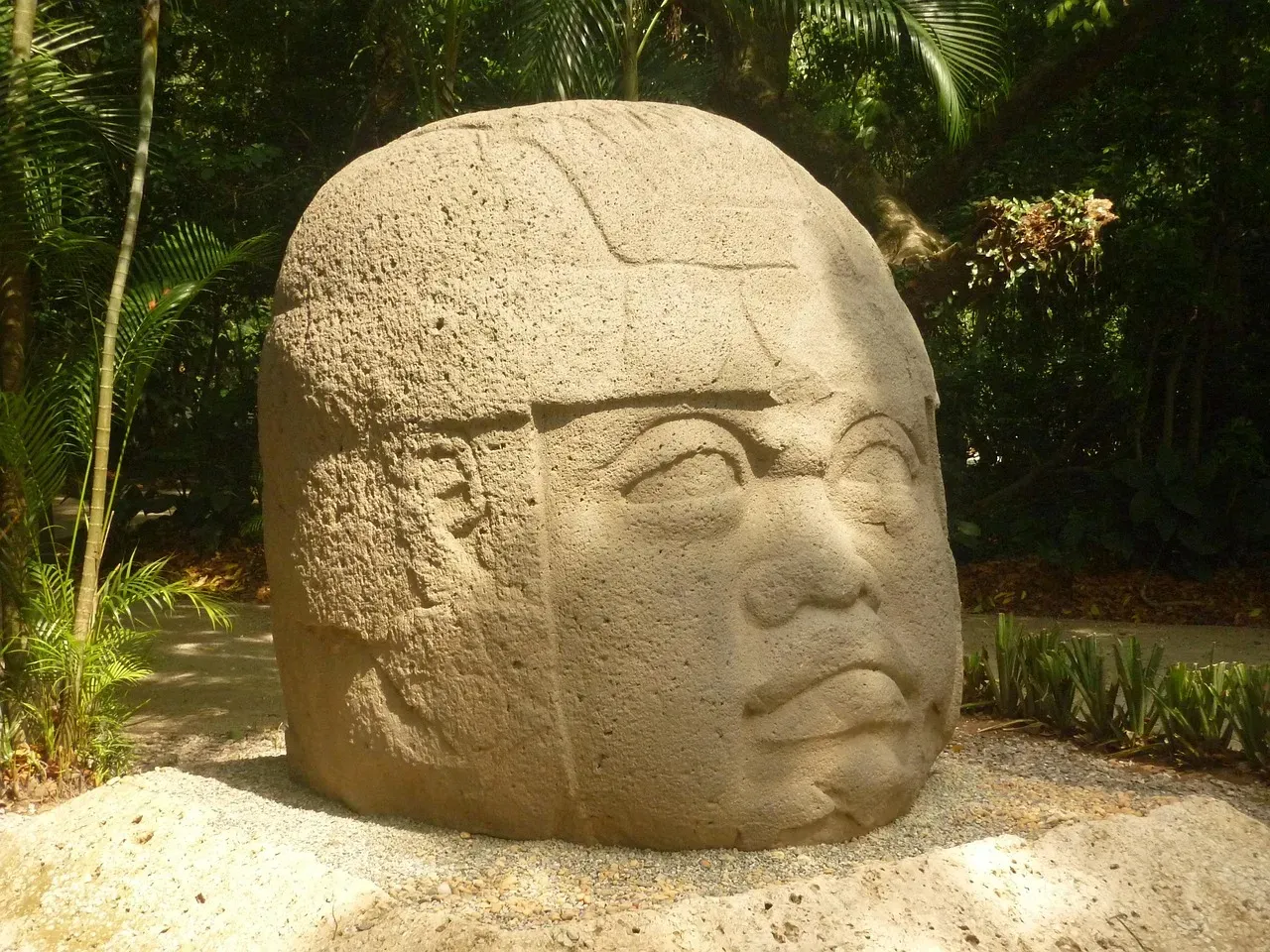
The Olmec civilization, often regarded as the mother culture of Mesoamerica, flourished from 1500 to 400 BC along the Gulf Coast of present-day Mexico. They are best known for their colossal head sculptures, some weighing up to 50 tons, which reflect their remarkable artistry and organizational skills. These sculptures, along with their contributions to the development of writing, urban planning, and religious concepts, underscore the Olmecs’ significant influence on subsequent Mesoamerican cultures.
Beginning around 1500 BC and lasting until roughly 400 BC, the Olmecs were skilled artisans and are responsible for constructing the famous colossal heads, massive stone carvings that still exist to this day. Widely regarded as the first Mesoamerican civilization, the Olmecs are often credited with popularizing cultural staples such as a calendar, the concept of zero, and even a basic ballgame. Let that sink in. Zero. The concept of nothing. They gave the world that idea.
Around 400 to 350 BCE, the once blossoming civilization seemingly vanished. Excavations have revealed that around that time, many Olmec sites were deliberately destroyed. Although climate change is suspected to play a significant role in the Olmec downfall, historians, archaeologists, and scientists are still unsure of the leading cause of their disappearance. The reasons behind their disappearance remain speculative, with theories ranging from environmental changes, such as river silting and volcanic activity, to internal strife and warfare.
5. The Cahokia: North America’s Lost Metropolis

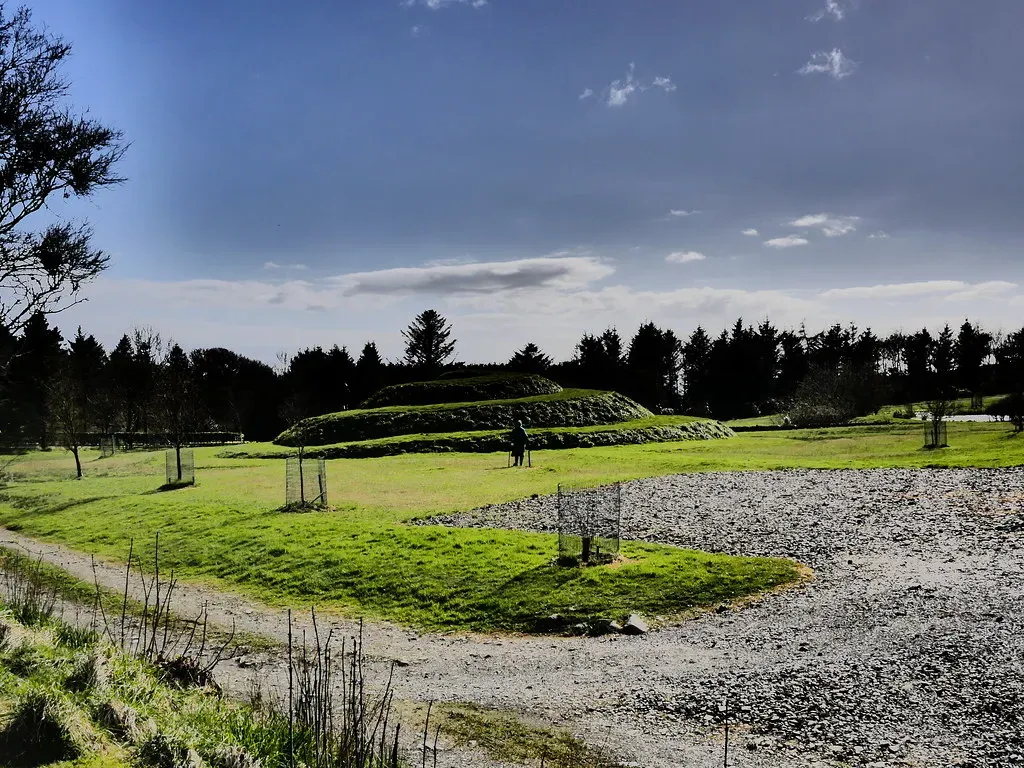
In addition to their agricultural ingenuity, Cahokia was a nexus of trade and exchange. Artifacts discovered from far-flung locales suggest that this ancient city had extensive trade networks stretching across vast distances. Seashells from the Gulf Coast, copper from the Great Lakes, and mica from the Appalachian Mountains were all found among Cahokia’s remnants, illustrating the city’s role as an interconnected hub. Here was a city of perhaps 50,000 people thriving in what is now the American Midwest, centuries before European settlers arrived.
Here’s the thing: for decades, everyone assumed drought killed Cahokia. New research from 2024 flipped that assumption on its head. Despite the age-old theory suggesting that the ancient city became unlivable after a catastrophic crop failure and drought, new evidence begs to differ. After meticulous carbon-dating analysis of deep-cut layers of soil and agricultural remnants, researchers found that farming practices in Cahokia surprisingly continued unscathed during the drought years.
Researchers now believe that the indigenous residents may have gradually drifted from their city in search of better opportunities. Perhaps the pull of distant loved ones also played a part in this dispersion. While this new insight disproves the drought theory, the reason for their disappearance remains a bigger mystery than ever. A city of tens of thousands, simply choosing to leave. That’s almost harder to explain than a natural catastrophe.
6. The Ancestral Puebloans (Anasazi): Cliff Cities Built Into the Sky
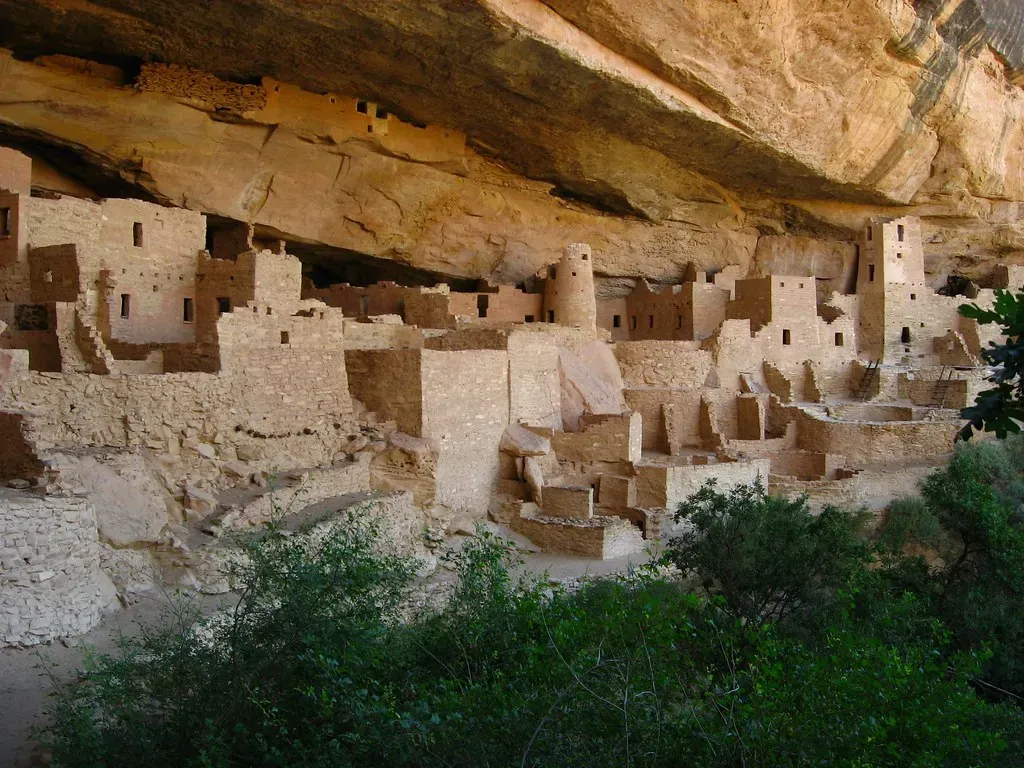
The Ancestral Puebloans, also known as the Anasazi, inhabited the Four Corners region of the United States, where Utah, Colorado, Arizona, and New Mexico converge. Flourishing from approximately AD 100 to 1300, they are renowned for their impressive cliff dwellings at sites like Mesa Verde and Chaco Canyon. These architectural feats display their ingenuity in adapting to the rugged landscape. Imagine building your entire city into the face of a cliff. No scaffolding. No power tools. Just pure human determination.
The sudden abandonment of these settlements around the late 13th century remains one of archaeology’s great mysteries. Experts suggest several possibilities, including prolonged drought, resource depletion, or social upheaval. Other theories propose conflicts with neighboring groups or a shift in religious or cultural practices. What is strange is how complete the abandonment appears to have been. Ceramic jars left behind. Tools still in place. As though everyone simply walked out one morning and never looked back.
7. The Rapa Nui of Easter Island: A Story We Had All Wrong
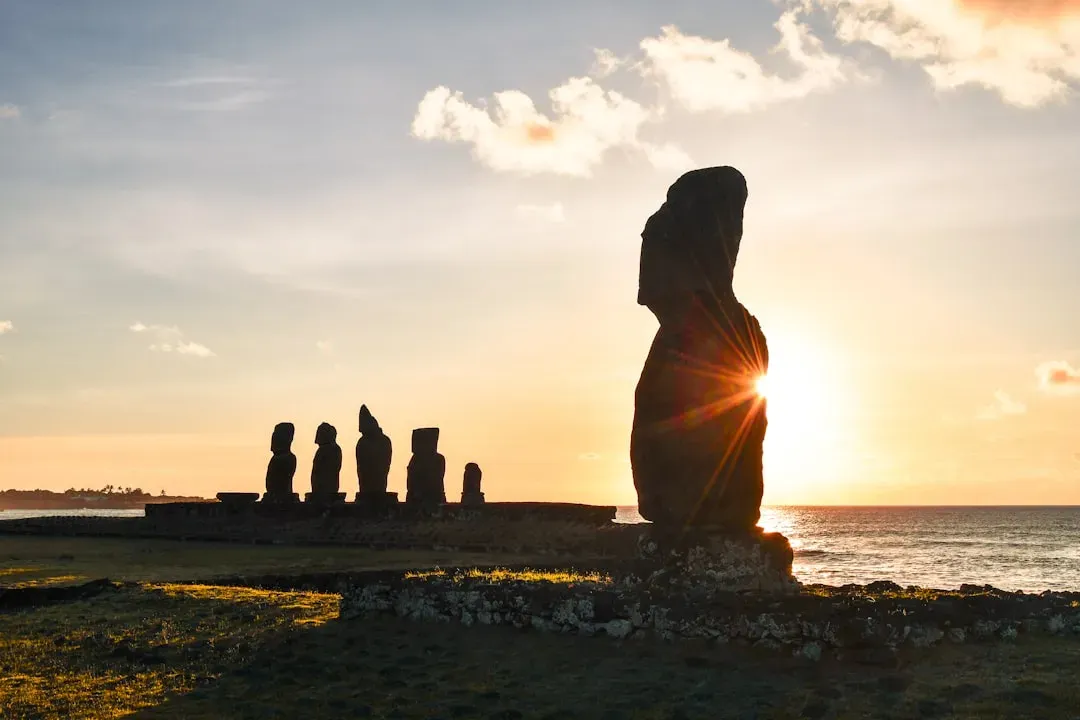
Rapa Nui, known more popularly as Easter Island, was once the home of a now-lost civilization. This lost civilization was not particularly large in population, but was industrious and comfortable. They created the moai, the monolithic human figures carved by the Rapa Nui people sometime between 1250 and 1500 AD. Easter Island is noted for its remoteness, scarce population and the 887 monolithic stone statues of human faces that dot its coastline.
For a long time the popular story was one of self-destruction. Deforestation, resource collapse, war, even cannibalism. But 2024 research seriously challenged all of that. Rapa Nui, also known as Easter Island, never experienced a ruinous population collapse, according to an analysis of ancient DNA from 15 former inhabitants of the remote island. The analysis also suggested that inhabitants reached the Americas in the 1300s, long before Christopher Columbus’ 1492 landing in the New World.
The researchers found no evidence of a genetic bottleneck corresponding to a steep drop in population. Instead, the island was home to a small population that steadily increased in size until the 1860s. At this point, slave raiders from Peru forcibly removed one-third of the island’s population. So the real collapse was not self-inflicted. It was brought by outsiders. That changes everything about how we tell this story.
8. The Tartessos: The Civilization That Inspired the Atlantis Legend

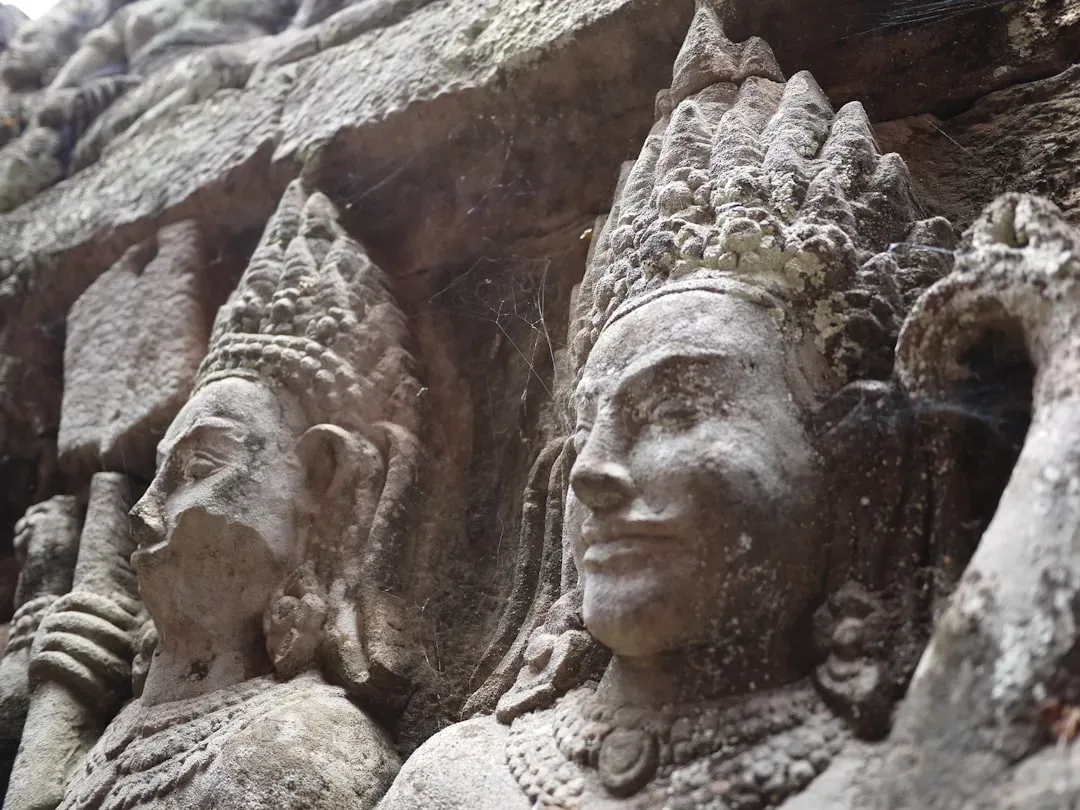
Five life-sized busts discovered near Merida in Spain in 2023 are thought to be the only known depictions of the Tartessos people, an ancient civilization that vanished more than 2,500 years ago. The faces were found in a sealed pit mixed with sacrificial animal bones near the ancient Tartessian temple of Casas del Turunuelo, and date from the 5th century BC. These faces stopped researchers cold. Finding actual portraits of a people who left almost nothing behind is extraordinary.
Two of the reliefs are almost complete and probably represent female deities, significant as the Tartessians were thought to portray gods as animals and plants. Based in southern Spain, the Tartessos people were once linked by Greek philosopher Aristotle with the mythical lost city of Atlantis. Think about the weight of that. A real, documented civilization whose disappearance was so bewildering to ancient observers that it became the seed of one of history’s greatest myths.
The Tartessos flourished in what is now the Iberian Peninsula and maintained trade connections across the Mediterranean. Their written language remains poorly understood. Their city, long sought by archaeologists, has never been definitively located. What caused their collapse around the 5th century BC is still not clear, though theories include resource exhaustion, military pressure from Carthaginian expansion, and internal political collapse. A mystery that Aristotle himself could not solve.
9. The Nok Culture of Sub-Saharan Africa: Terracotta Giants in the Jungle

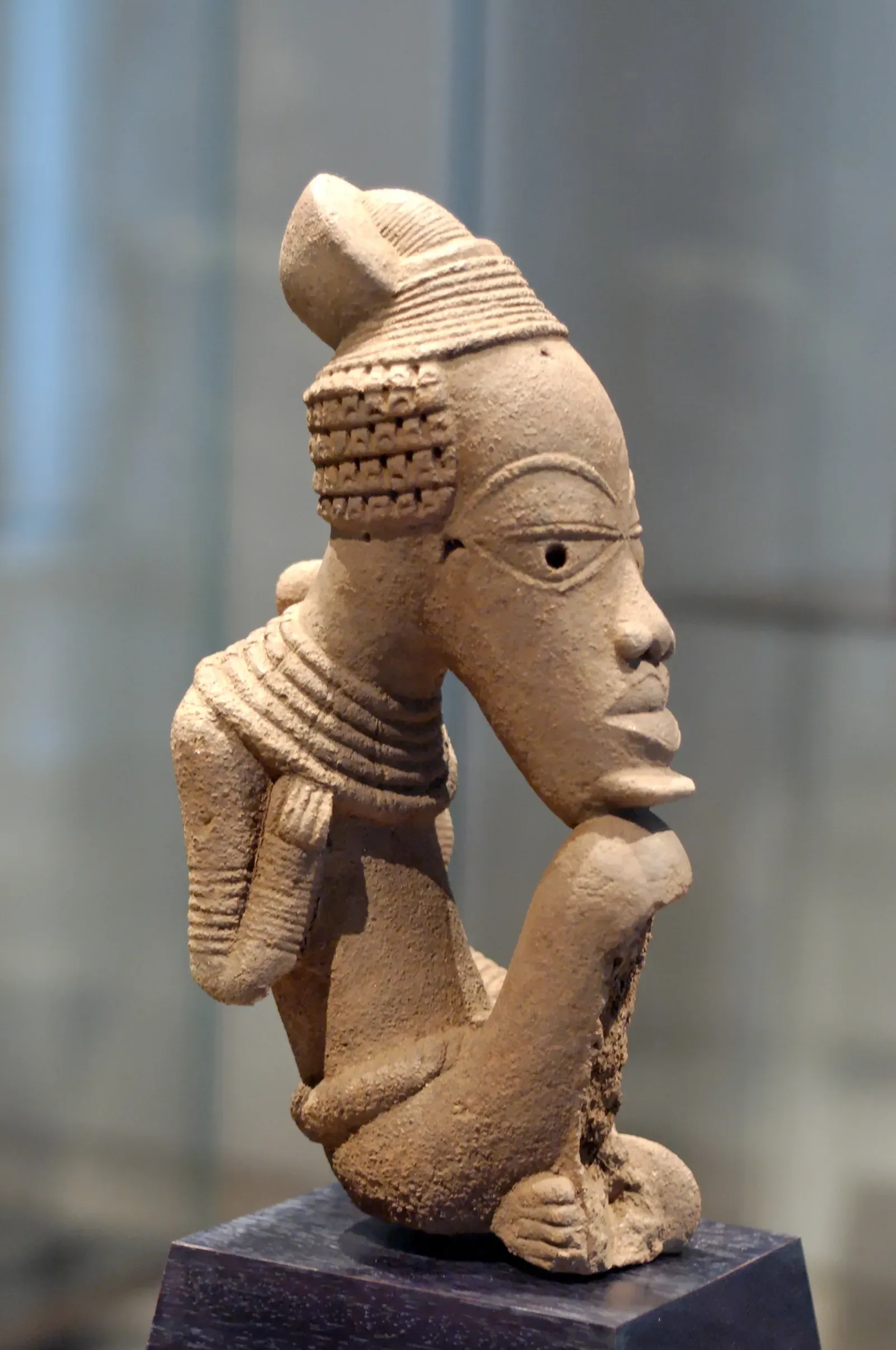
Not much is known about what happened to the Nok. A sharp drop in the volume of pottery and terracotta in soil layers suggests that the once-thriving Nok population declined fairly rapidly, nor has any evidence been found which suggests a reason for their disappearance. While many theories exist, all appear to be speculation as little evidence of the Nok’s disappearance has been found. All we have are their elaborate figurines, telling of an advanced society that suddenly vanished.
The Nok culture of present-day Nigeria is one of the least discussed of all the vanished civilizations, which is genuinely puzzling given how remarkable they were. They produced some of the earliest iron smelting technology in sub-Saharan Africa and created detailed, expressive terracotta sculptures that suggest a rich artistic tradition. Their figurines show people in elaborate poses, with detailed hairstyles and jewelry, evidence of a society with deep social structure and ceremonial life.
Flourishing from roughly 1500 BC to around 500 AD, the Nok disappeared leaving behind almost no written record, no clear successor culture, and no explanation in the physical evidence. It is hard to say for sure what brought them down, though some scholars point to climate shifts, soil degradation from iron production, or the gradual disintegration of trade networks. Whatever happened, an entire sophisticated African civilization essentially evaporated from history, and we still have no satisfying answer as to why.
10. The Cucuteni-Trypillia: Europe’s Largest Prehistoric Cities, Burned to the Ground

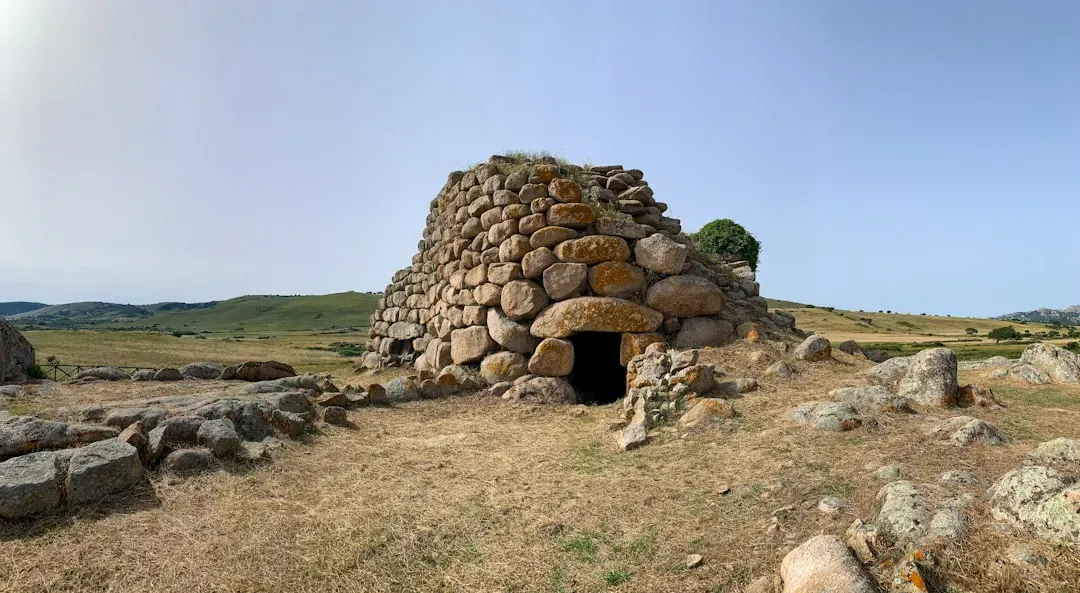
Here is one that genuinely baffles researchers. The Cucuteni-Trypillia culture, which flourished across present-day Romania, Moldova, and Ukraine between roughly 5500 and 2750 BC, built some of the largest settlements in the entire prehistoric world. Some of their communities housed thousands of people in an era when most of humanity lived in small scattered groups. They predated the pyramids of Egypt. They were, by any definition, urban pioneers.
What makes them deeply strange is a pattern archaeologists keep uncovering: every few generations, the Cucuteni-Trypillia people appear to have deliberately burned their own settlements to the ground and built entirely new ones nearby. This is not evidence of war or outside attack. It seems to have been intentional, possibly ritual in nature. No other prehistoric culture shows quite this same behavior at scale, which makes their story uniquely difficult to interpret.
Around 2750 BC, the culture collapsed entirely. Throughout history, numerous civilizations have thrived, only to vanish inexplicably, leaving behind mere traces of their existence. These societies, once bustling with life, culture, and innovation, now stand shrouded in mystery. The Cucuteni-Trypillia are perhaps the most extreme case of this: enormous, sophisticated, clearly organized, and then suddenly silent. The leading theories point to the arrival of semi-nomadic pastoralists from the steppe, climate stress, and resource depletion, but no single explanation has satisfied archaeologists. Their story remains genuinely open.
—
What ties all nine of these civilizations together is not just their disappearance. It is the unsettling gap between how advanced they were and how little we understand about their endings. Some of the most recent science, including 2025 research from Cambridge on Maya droughts and late 2025 findings on the Indus Valley published in Communications Earth and Environment, is finally giving us sharper tools to ask better questions. Every day new mysteries are uncovered, and each answer seems, sometimes, to only beget more questions as we dig deeper beneath the surface of our globe.
We build our cities, write our laws, raise our children, and assume continuity is guaranteed. These nine civilizations assumed the same thing. What do you think: is there a pattern to how great societies collapse, or is every ending its own unique story? Drop your thoughts in the comments.