Movie marketing has always leaned on a simple trick: tell people something is forbidden, and they’ll want to see it more. For decades, distributors, VHS box copywriters, and now social media accounts have slapped “banned” labels on films that were never actually pulled from any theater by any government. The line between a real ban and a rumor that just wouldn’t die gets blurry fast, especially once a claim gets repeated enough times to feel like fact.
Some of these stories started as marketing stunts. Others grew out of genuine confusion about who actually withdrew a film and why. A few are recent enough that they spread through TikTok and X before anyone bothered to check a source. Here are nine cases where the “banned in theaters” story turned out to be mostly, or entirely, invented.
1. A Clockwork Orange

For nearly three decades, British film fans were told that Stanley Kubrick’s dystopian classic had been banned by UK authorities after a wave of copycat violence. It became one of the most persistent censorship myths in film history, treated as gospel by generations of teenagers hunting down smuggled VHS copies. The truth is less dramatic but more interesting.
The noun most commonly associated with A Clockwork Orange is banned though this was never actually the case, since it was Kubrick himself who instructed that the film be withdrawn from circulation in the UK in 1973, and it could still be seen anywhere else in the world. No censor board, court, or government body ever issued a formal ban. The studio agreed to the withdrawal, and for over half a decade nobody even noticed, until 1979 when the National Film Theatre was refused permission to screen it as part of a Kubrick retrospective. By the time anyone realized the film simply wasn’t available, the rumor of an official ban had already taken hold.
2. The Exorcist
Ask almost anyone who grew up in Britain in the 1980s, and they’ll swear The Exorcist was banned nationwide. It has that reputation partly because of how hard it was to actually watch on home video during that era. The reality involves a much narrower decision made by a studio, not a sweeping government prohibition.
The Exorcist and A Clockwork Orange were arguably the two highest profile films that, for much of VHS’s popularity, you simply weren’t able to rent or buy on tape in the UK, though cinemas traded off late night shows where the film could still be seen freely, because Warner Bros opted, in the midst of the video nasty scandal, not to submit The Exorcist for a VHS release. That distinction, a distributor choosing not to release a tape versus a government banning a film outright, got lost almost entirely in the retelling. The legend of a nationwide theatrical ban simply isn’t supported by the actual paperwork.
3. Faces of Death
Few taglines have done more work than the one printed on VHS copies of this 1978 shockumentary: “Banned in 46 countries.” It became shorthand for extreme, forbidden content, repeated by kids trading bootleg tapes long before anyone thought to check whether the number was real. It turns out the figure was almost entirely invented for marketing purposes.
Faces of Death was banned in 46 countries, or so the legend went, and the claim was too good to fact-check, feeding the narrative that the movie was not just bad but dangerous. The movie was, in fact, banned in only a handful of countries, the United Kingdom and Australia among them. As to its claim to be banned in over 40 countries, there’s not much evidence to support that number beyond a few notable documented restrictions, and the claim can be partially chalked up to promotional ballyhoo.
4. Megan Is Missing
This found-footage horror film went viral on TikTok years after its 2011 release, and with that virality came a wave of claims that it was globally banned, pulled from theaters everywhere, and treated as too dangerous to screen anywhere in the world. That version of events is a significant exaggeration of what actually happened. The film’s real censorship history is much more limited than the internet rumor suggests.
It was banned in New Zealand, with the country’s Office of Film and Literature Classification stating that the feature depicts sexual violence and sexual conduct involving young people to such an extent, degree, and manner that its availability is likely to be injurious to the public good. That single, documented ban in one country got flattened online into a story about the movie being banned “in theaters,” full stop, as though it had been pulled from screens across the globe. It was pretty weird, by the standards of the time, that it wasn’t banned anywhere else, given how graphic it is.
5. Snow White (2025)
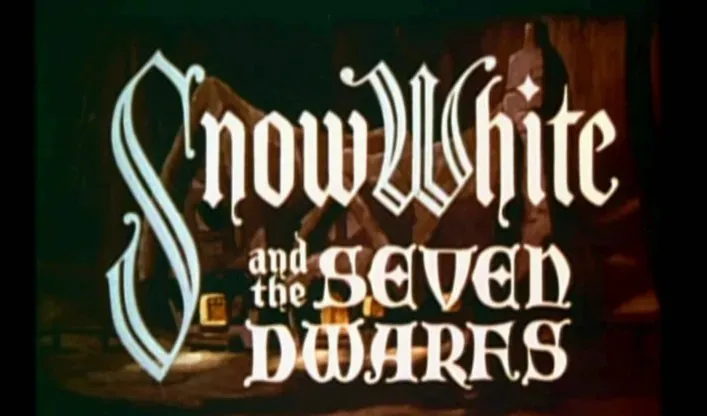
When Disney’s live action Snow White remake hit theaters, rumors quickly spread that it had been banned across multiple Middle Eastern countries because of star Gal Gadot’s Israeli background. Some of that was true, and some of it wasn’t, which made the story especially easy to distort. The version that spread furthest turned out to be false.
Partner offer
Snow White was banned in Lebanon because it starred Gal Gadot, not because of her acting but because she’s Israeli-born and served a mandatory two-year term in the Israel Defense Forces. There was also a rumor that Snow White was banned in Kuwait because it featured Gal Gadot, but that was proven false. The Lebanon situation was real and tied to an existing policy, while the Kuwait claim spread simply because it fit the same narrative people already believed.
6. Sound of Freedom
Few recent films have generated as many conflicting rumors as this 2023 anti-trafficking thriller. Social media claims insisted the movie had been secretly banned by Netflix and Amazon, and that AMC theaters were deliberately sabotaging screenings to sink it. Neither claim held up once anyone checked the actual box office numbers or spoke with the theater chain.
These claims likely stemmed from an interview in which producer Eduardo Verástegui described shopping the film to distributors who initially passed, before Angel Studios acquired the rights and launched a crowdfunding campaign for its theatrical release. Rather than being banned, the film went on to become a surprise hit. AMC’s CEO called the sabotage claims a conspiracy theory, noting more than one million people had watched the film at AMC theatres, more than at any other chain, while people falsely claimed otherwise.
7. The Poughkeepsie Tapes
This 2007 found-footage horror film leaned so hard into its fake documentary style that audiences started believing the footage was real. From there it was a short leap to rumors that the movie had been suppressed or banned because it contained actual snuff footage of a real serial killer. None of that is true, though the marketing certainly encouraged the confusion.
Urban myths and legends surround The Poughkeepsie Tapes and the story of serial killer Edward Carver, with persistent rumors that director John Erick Dowdle somehow got a genuine snuff movie into circulation, a reputation he stoked by marketing the film as based entirely on real events. The Poughkeepsie Tapes aren’t real, but they are based on true stories, a distinction that got lost as the rumor spread. There’s no evidence any government or ratings board ever banned the film for being an actual crime document, because it never was one.
8. The Blair Witch Project
Before found footage horror became its own crowded genre, this 1999 film built an entire marketing campaign around the idea that its footage was real and that the three student filmmakers who shot it had genuinely vanished. That approach worked so well that rumors started circulating about theaters quietly pulling the film after audiences reportedly believed they were watching evidence from an actual missing persons case. No such ban ever took place, and no theater chain ever confirmed anything close to that story.
The film’s official website and early promotional materials deliberately blurred fact and fiction, listing the actors as missing rather than crediting them by name in early trailers. That ambiguity fueled online message board speculation in the pre-social-media internet, some of which mutated into claims that theaters were forced to halt screenings. The film was, in reality, one of the most widely distributed independent horror releases of its decade, grossing far beyond its tiny budget with no documented ban anywhere.
9. The Human Centipede
This 2009 body horror film built its reputation on shock value, and shock value tends to attract exaggerated ban stories the way flames attract moths. Online lists and forum posts have long claimed the film was banned across dozens of countries, treating it as an underground object too extreme for any government to allow on a public screen. The reality is far more modest than the legend suggests.
The film did face genuine restrictions in a small number of jurisdictions, and some home video versions received cuts before certification in certain markets. However, the broad claim that it was banned “everywhere” or across a large swath of countries doesn’t match the documented censorship record, which shows a limited number of specific, localized decisions rather than a sweeping international prohibition. Much like Faces of Death decades earlier, the notoriety did more to inflate the ban count than the actual rulings ever did.
What ties all nine of these stories together is how little effort it takes for a rumor to outlive the facts once it fits a good narrative. A distributor’s cautious decision, a single country’s classification ruling, or a clever marketing tagline gets repeated, exaggerated, and eventually treated as settled history. Checking where a “banned” claim actually comes from usually reveals something far less dramatic than the story that made the rounds online.
Partner offer
Planning a trip to Vegas?
Compare hotel rates and show tickets on VEGAS.com.