Some songs outlive the careers that produced them. You can hum the chorus, picture the video, even remember the school dance where it played, yet the name of the act behind it slips away.
This gallery runs through ten tracks that fit that description. Most are tied to a single big chart moment, usually in the United States, so “one hit wonder” here is a loose label. Each entry gives you a few details first, then the answer.
1. Come On Eileen

That fiddle-driven rush and the sudden tempo changes are hard to forget. The song topped the US Billboard Hot 100 in 1983, after a huge run in Britain the year before. Think dungarees and a ragged, street-corner look.
The answer is Dexys Midnight Runners. In the UK they had other successes, including the chart-topping “Geno,” so the one hit wonder label mostly applies to American audiences. In the US, this track is the one that defined them.
2. Video Killed the Radio Star
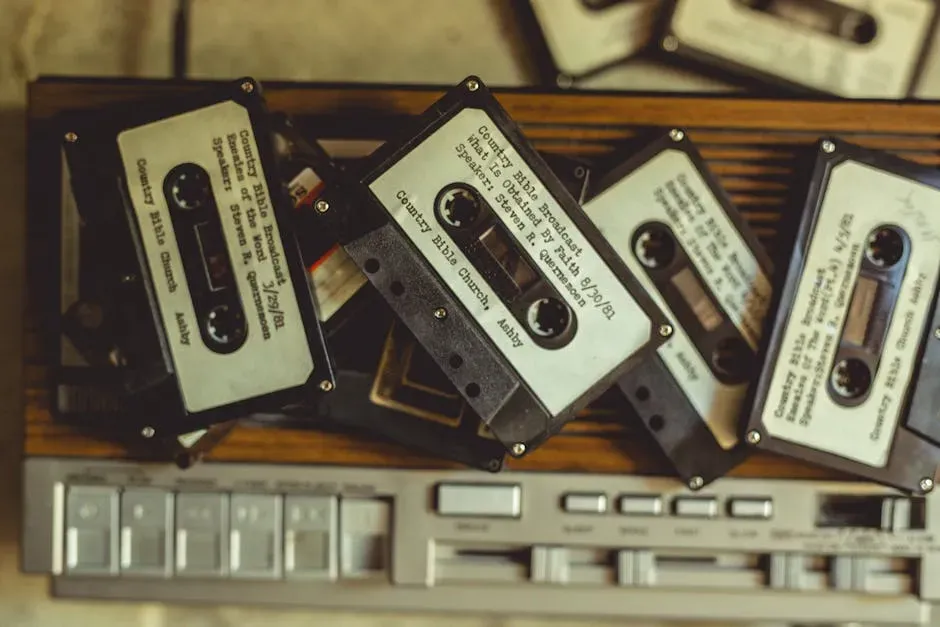
This synth-pop track from 1979 sounds like a warning about technology, delivered with a wink. It has a famous place in TV history. It was the first music video shown when MTV launched in the United States on August 1, 1981.
The act was The Buggles, a duo of Trevor Horn and Geoff Downes. Horn went on to become a celebrated producer, and both men later joined Yes for a time. The Buggles themselves never repeated that early success.
3. Tubthumping

A pub-style singalong about getting knocked down and getting back up became a global earworm in 1997. It came from an album called Tubthumper. In the US, it reached the top ten of the Hot 100.
That’s Chumbawamba, a British collective with a long anarchist-punk history before this song. Their sound and politics were far from the mainstream, which makes the hit an oddity in their catalog. American radio mostly knows them for this one chorus.
4. Macarena (Bayside Boys Mix)

You probably know the dance better than the lyrics. The remixed version of this Spanish-language track spent fourteen weeks at number one on the Billboard Hot 100 in 1996. It turned stadiums, weddings and political conventions into synchronized hand-and-hip routines.
The act is Los del Río, a Spanish duo from Seville. The original song dates back to the early 1990s, but it was the Bayside Boys remix that sent it into orbit in America. They remain among the best known examples of a non-English language smash in the US.
5. Mickey

Cheerleader outfit, bouncy chant, and a chorus spelled out letter by letter. The track hit number one in the US at the end of 1982. It started life as a different song, originally released in the UK with another title and another set of words.
Toni Basil is the name you’re after. She was already a respected choreographer and dancer before this, and she kept working behind the scenes in dance and film. As a chart act, though, she is remembered for this song alone.
6. Who Let the Dogs Out

This barking chant spread through sports arenas across North America around the turn of the millennium. It also won the Grammy for Best Dance Recording at the 2001 ceremony. Few songs have been so tied to a ballpark soundtrack.
The group is the Baha Men, from the Bahamas, performing in the Junkanoo tradition. The track was a cover of an earlier recording by someone else, and its authorship has been argued over in public for years. Their version is the one the world remembers.
7. 99 Red Balloons

A Cold War story about balloons mistaken for a military threat sounds like an unlikely pop hit. In 1984, the German original, “99 Luftballons,” climbed to number two on the US Hot 100. An English version followed as well.
The voice belongs to Nena, who was both the name of the singer and of the band. She enjoyed a long career in Germany and elsewhere in Europe. For many Americans, she is a single song from the early MTV years.
8. Mambo No. 5 (A Little Bit Of…)

A list of girls’ names, a horn-heavy beat, and a bright swing sound made this a 1999 radio staple. It peaked at number three on the US Hot 100. The tune drew on an older mambo instrumental by Pérez Prado from the late 1940s.
The singer is Lou Bega, a German artist with Italian and Ugandan roots. His version leaned into retro lounge style at a moment when swing was having a revival. Nothing else he released came close to its reach in America.
9. Blue (Da Ba Dee)

This one is pure Eurodance, built on a robotic vocal, a looping synth line, and a chorus of nonsense syllables. It reached number six on the US Hot 100 in 1999 and sold well worldwide. The video, with its all-blue palette, helped it stick.
It was recorded by Eiffel 65, an Italian trio. They had a few more releases in Europe, but outside it the group is remembered for this track. Even now it turns up in memes and playlists, a long way from its club origins.
10. Whoomp! There It Is

A shouted hook, a booming bass line, and a crowd-pleasing call and response made this a 1993 party staple. It reached the top of the charts in the US dance and rap scene and got to number two on the Hot 100. It’s still a regular at sporting events.
The act is Tag Team, an Atlanta duo, Cecil Glenn and Steve Gibson, known as DC the Brain Master and Steve Roll’n. The record helped put the Southern bass sound onto national radio. Follow up hits never arrived, which keeps them on most one hit wonder lists.