Every so often a film arrives in theaters, gets shrugged off by audiences, and then spends the next few decades quietly becoming untouchable. It happens more often than people assume, and the reasons are rarely simple bad luck. Sometimes a movie is just too strange, too dark, or too far ahead of what viewers were ready to pay for at the time, and only later does its reputation catch up with what critics or a handful of stubborn fans saw all along.
It’s a Wonderful Life (1946)
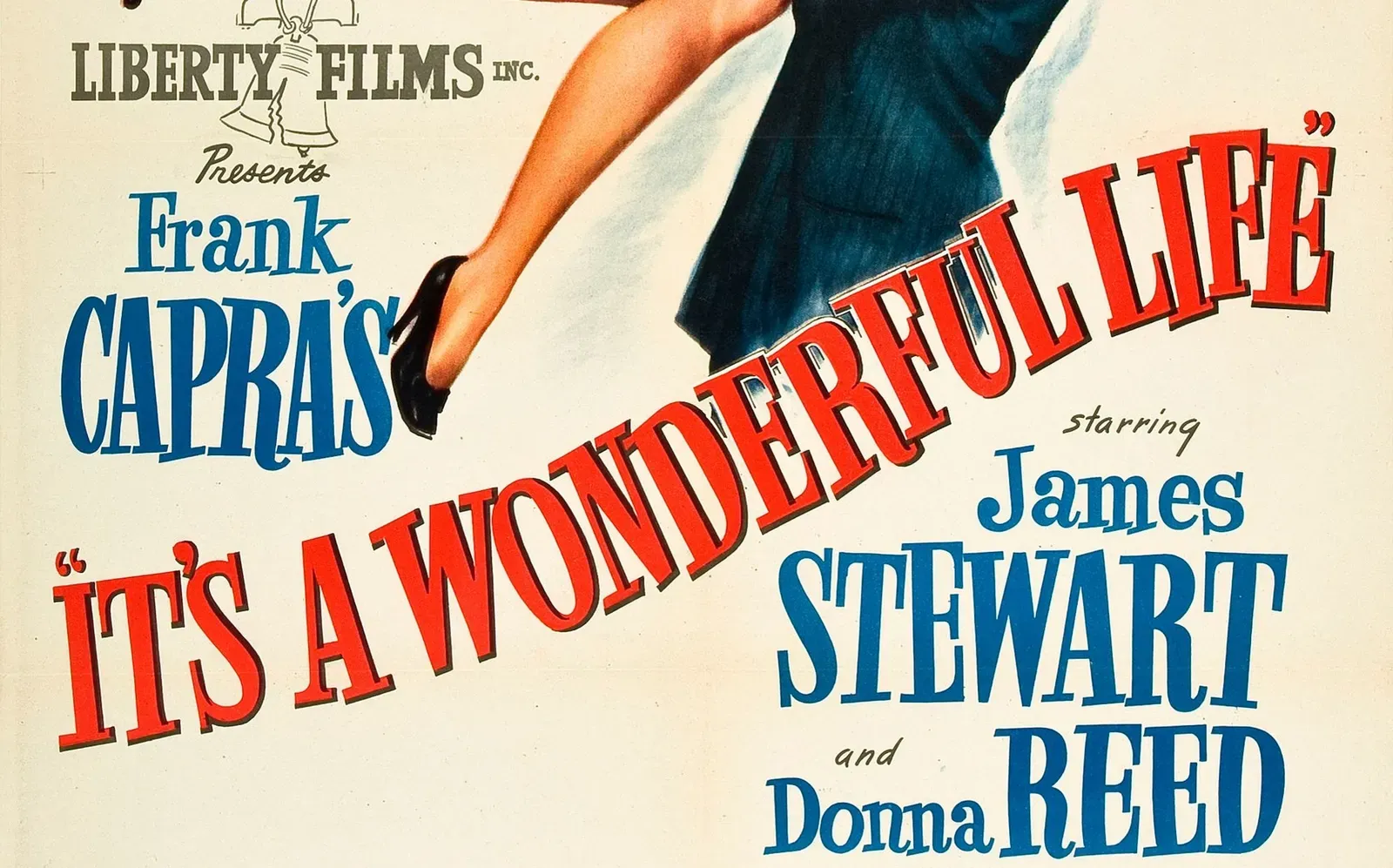
Frank Capra’s holiday staple was actually a financial gamble that went badly wrong the first time around. The film carried a budget that had ballooned to somewhere between two and three and a half million dollars depending on the source, and the film’s break-even point was $6.3 million, about twice the production cost, a figure it did not come close to achieving on its initial release. The loss reportedly landed around half a million dollars, enough to sink Capra’s newly formed production company entirely.
Its copyright in the U.S. expired in 1974 following a lack of renewal and it entered the public domain, allowing it to be broadcast without licensing or royalty fees, at which point it became a Christmas classic. Television stations aired it constantly through the 1970s and 1980s simply because it cost them nothing, and that endless repetition is what turned a forgotten flop into an annual ritual. Few movies owe their legendary status to a legal technicality quite so directly.
Citizen Kane (1941)
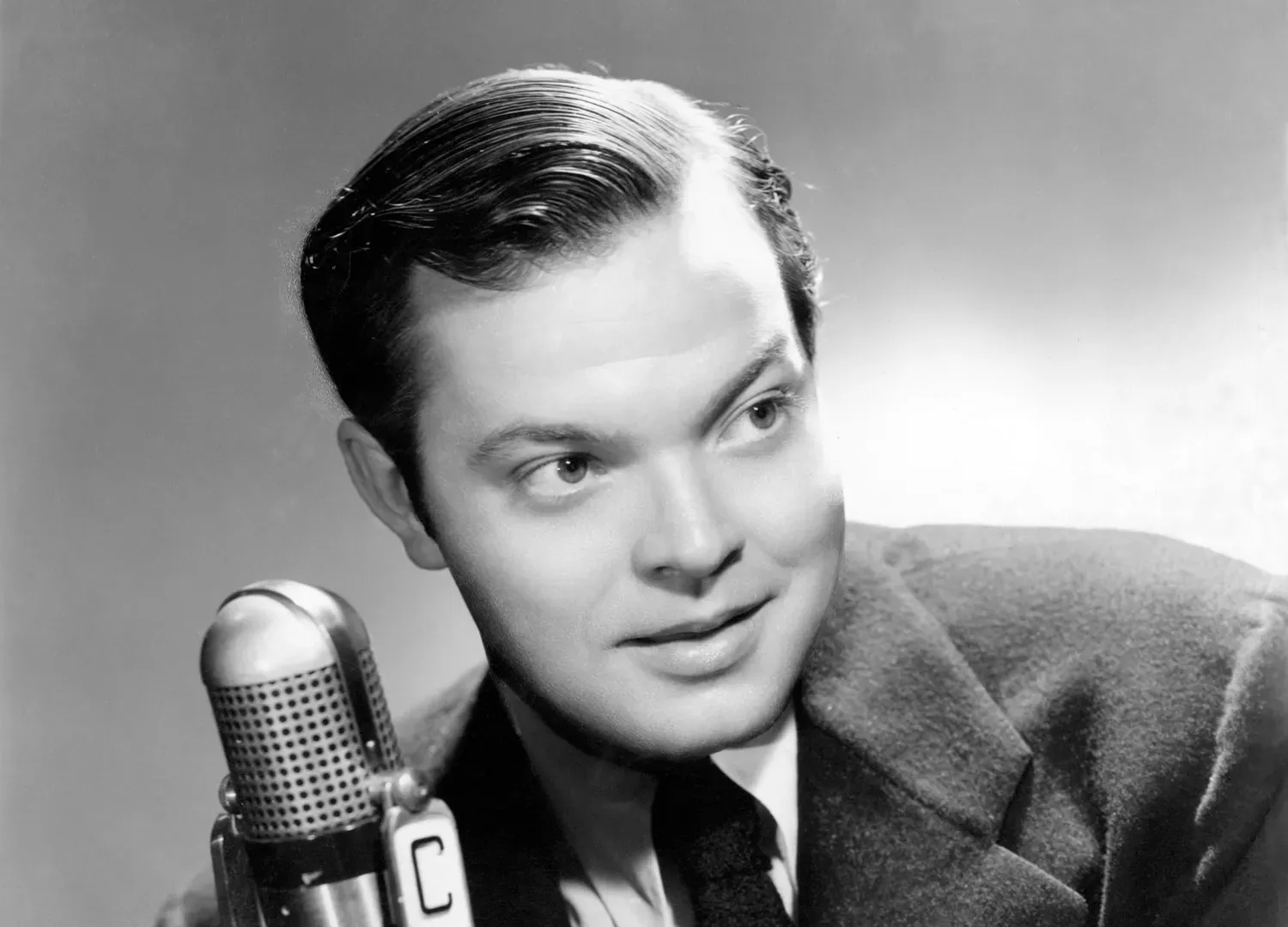
Orson Welles was twenty five years old when he made what is now routinely called the greatest American film ever produced, yet RKO Pictures barely recouped its costs on the initial run. Part of the trouble was self inflicted controversy: the film’s thinly veiled portrait of newspaper tycoon William Randolph Hearst led Hearst owned papers to blackball coverage of the movie and pressure theater chains into refusing to book it. Many major cinemas simply declined to screen it, which choked off the wide distribution a film needs to turn a real profit.
Welles never again received the same level of creative control from a Hollywood studio, and Kane’s disappointing commercial run followed him for years. Its reputation was rebuilt gradually through revival screenings, film school curricula, and decades of critics polls that eventually placed it at or near the top of nearly every serious ranking of world cinema. The gap between its 1941 ticket sales and its current stature is about as wide as it gets in film history.
Vertigo (1958)
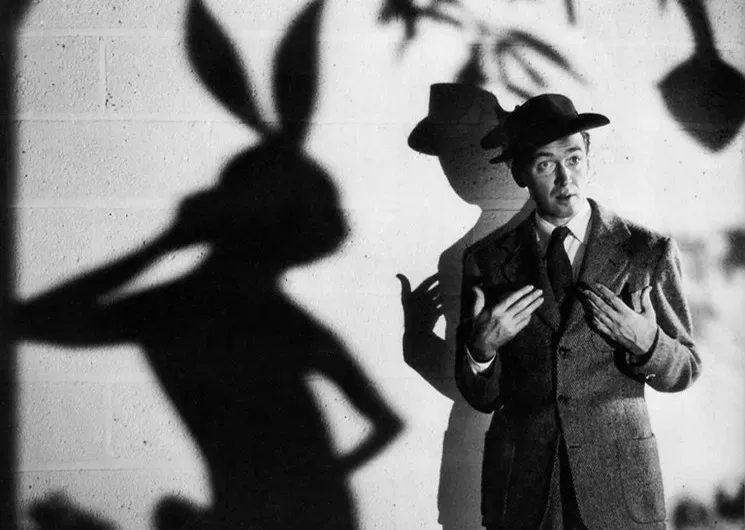
Alfred Hitchcock made plenty of hits, but this psychological thriller starring James Stewart and Kim Novak underperformed against the director’s own track record when it opened. Audiences at the time found its slow, obsessive story of a man remaking a woman in the image of someone he lost confusing rather than gripping, and it did not come close to matching the box office of Hitchcock’s more crowd pleasing work from the same era. Hitchcock himself pulled it from circulation in the 1970s along with four other titles, which only deepened its mystique once it eventually returned.
Decades later, restoration efforts and a wave of critical reassessment pushed Vertigo into rarefied territory. It topped the British Film Institute’s Sight and Sound poll of the greatest films ever made in 2012, unseating Citizen Kane after that film had held the top spot for fifty years. Few reversals of fortune in cinema history are quite that dramatic.
Willy Wonka & the Chocolate Factory (1971)
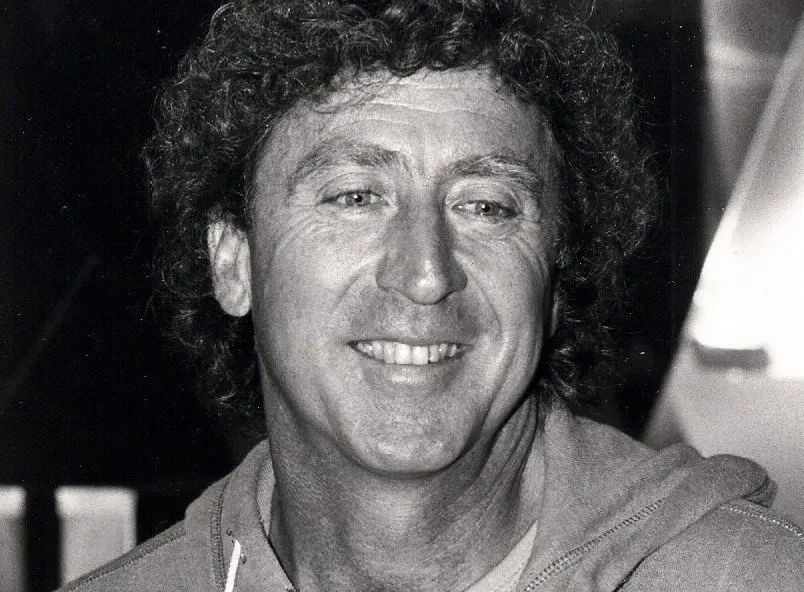
This adaptation of Roald Dahl’s novel, starring Gene Wilder in his most iconic role, struggled to find an audience during its original theatrical release. Paramount had modest expectations for the family musical, and moviegoers largely stayed away, leaving the studio with a picture that failed to turn much profit in its initial run. Even Dahl himself was reportedly unhappy with the changes made to his story, which did not help early word of mouth.
The film found its real audience later, through frequent television broadcasts and eventually home video, where children who grew up watching it passed their affection down to their own kids. Wilder’s performance, equal parts whimsical and unsettling, is now considered one of the more memorable turns in family cinema. What started as a box office letdown is now a fixture of childhood movie nights.
Blade Runner (1982)
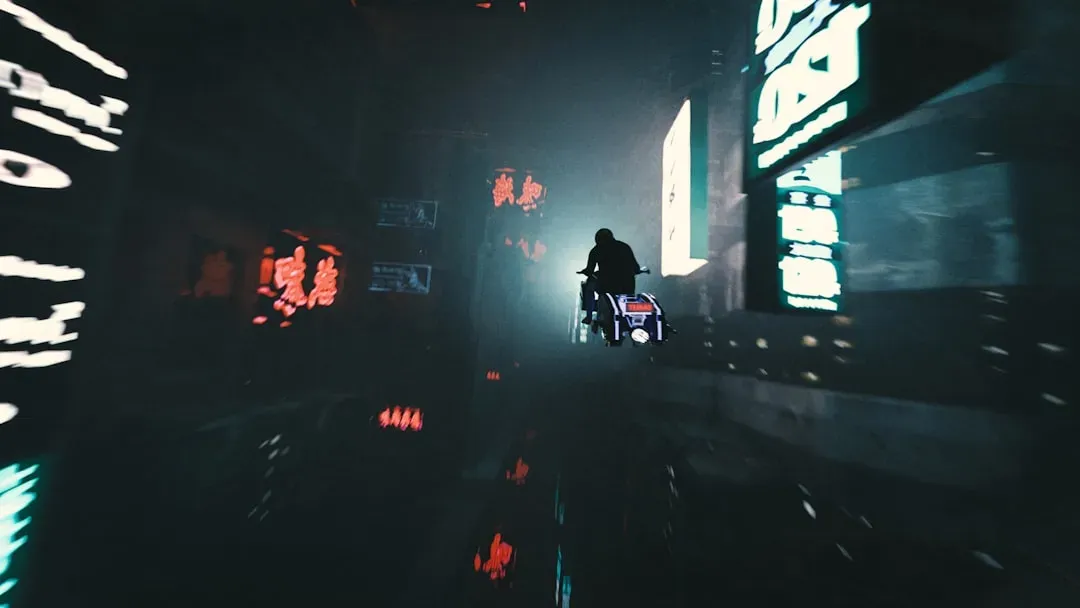
Ridley Scott’s dystopian vision of Los Angeles arrived with a reported thirty million dollar budget and left theaters having earned only around twenty six million dollars over its entire summer run, according to Variety’s contemporary reporting. The film earned $26 million in its summer run in 1982, not bad, but not enough to get it into the summer’s top 10, and it was certainly not enough to make a profit. Timing did the film no favors either, since it opened into a marketplace dominated by Steven Spielberg’s E.T. and Sylvester Stallone’s Rocky 3.
Critics at the time were mixed at best, and Variety’s original review predicted the movie would struggle to recoup its costs because of its bleak tone. “Blade Runner” was so radical that it took several years for its impact to sink in. Multiple recuts over the following decades, including Scott’s own director approved version, helped the film’s reputation grow into what is now widely regarded as one of the most influential science fiction movies ever made.
The Thing (1982)
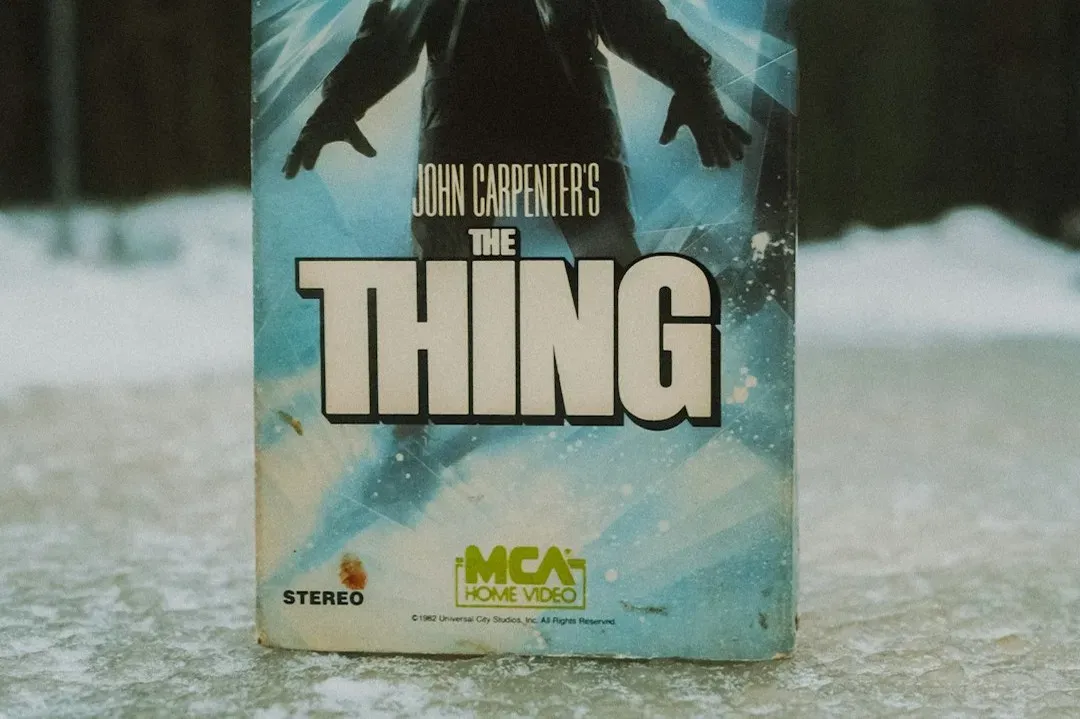
John Carpenter’s Antarctic creature feature had the misfortune of opening the same summer as E.T., and audiences were not in the mood for its bleak, paranoid tone. Made on a budget of $15 million, The Thing grossed only $19.6 million in theaters, not nearly enough to come out in the black after marketing costs. Critics were harsh too, with some publications at the time dismissing the practical effects heavy horror as excessive rather than groundbreaking.
Carpenter has spoken about how personally difficult the reception was, given how much he believed in the project going in. Home video and cable reruns slowly rebuilt the film’s audience through the 1980s and 1990s, and Rob Bottin’s practical creature effects are now studied as some of the finest ever put on screen. The Thing is regularly cited today as one of the best horror films of all time, a complete reversal from its rocky theatrical debut.
The Shawshank Redemption (1994)

Frank Darabont’s prison drama, adapted from a Stephen King novella, is currently the top rated film on IMDb’s user voted list, yet it barely registered at the box office when it opened. While the film received critical acclaim upon its release, particularly for its story and the performances of Robbins and Freeman, it was a box office disappointment, earning only $16 million during its initial theatrical run. That was against a twenty five million dollar budget, and the shortfall was steep enough to be considered a genuine bomb by 1994 standards.
Its failure was attributed at the time to many factors, including competition from the films Pulp Fiction and Forrest Gump, the general unpopularity of prison films, its lack of female characters, and even the title, which was considered confusing for audiences. Seven Oscar nominations helped drive a modest theatrical rerelease, but the movie’s real second life came through cable television, where it aired constantly through the late 1990s and 2000s. That repeated exposure is largely credited with turning it into the beloved classic audiences know today.
Fight Club (1999)
David Fincher’s adaptation of Chuck Palahniuk’s novel, starring Brad Pitt and Edward Norton, opened to a soft weekend and never really recovered domestically. It bowed against The Story of Us and disappointed with $11,035,485, placing number one for the slow weekend, and the domestic run closed with a soft $37,030,102. Against a production budget reported at somewhere between sixty three and sixty eight million dollars, that domestic total left the studio well short of profitability once marketing costs were factored in.
Reviews were sharply divided on release, with some critics uneasy about the film’s violent content and its satirical take on masculinity and consumer culture. What changed things was the DVD, as Fincher personally supervised a bells and whistles two disc special edition released in summer 2000, and the film found its audience through home video in a way it never had in theaters. By the mid 2000s it had become one of the most discussed films of its generation, a reputation that has only grown since.
The Big Lebowski (1998)

Joel and Ethan Coen followed up their acclaimed hit Fargo with this shaggy dog crime comedy starring Jeff Bridges as The Dude, and audiences at the time were left puzzled rather than delighted. Made on a modest budget of roughly fifteen million dollars, the film’s domestic theatrical earnings came in only slightly above that figure, a disappointing result for a studio expecting another awards friendly success in the mold of Fargo. Critics were similarly lukewarm, with many reviews finding the loose, rambling plot frustrating rather than charming.
The film’s fortunes changed almost entirely through home video and cable, where its quotable dialogue and eccentric characters slowly built a devoted following. That fandom eventually grew large enough to spawn annual Lebowski Fest gatherings in multiple cities, complete with bowling, costumes, and White Russians. Few Coen brothers films are discussed with as much affection today, a stark contrast to the shrug it received on release.
Looking across these nine films, a pattern emerges that says as much about audiences and marketing as it does about the movies themselves. Timing, competition, confusing titles, and simple bad luck sank pictures that critics or a small circle of fans recognized as something special from the start. It took years, sometimes decades, of television reruns, home video, and shifting cultural tastes for the wider audience to catch up to what those early admirers already knew.