Losing a frontman usually spells the end for a band. Fans move on, momentum dies, and the group quietly fades into a nostalgia act. Yet every so often, a lineup change does the opposite: it pushes a band into territory they never reached with their original singer. The following ten stories show just how unpredictable rock history can be. In each case, a new voice did not just fill a gap. It helped the band sell more records, fill bigger arenas, or reach an entirely new generation of listeners.
1. AC/DC: Bon Scott to Brian Johnson

When Bon Scott died in February 1980 after a night of heavy drinking in London, most people assumed AC/DC was finished. After the commercial breakthrough of their 1979 album Highway to Hell, AC/DC was planning to record a follow-up, but Scott died from alcohol poisoning, and the remaining members considered disbanding before ultimately choosing to continue and recruiting Johnson. Johnson had been fronting the glam rock band Geordie, a much smaller outfit with none of AC/DC’s profile.
What happened next became one of rock’s defining comeback stories. The album, which has sold nearly 50 million copies worldwide, was a tribute to Bon Scott and marked the beginning of a new era for AC/DC with Brian Johnson as the new frontman. Back in Black did not just match the band’s previous success, it dwarfed it, and Johnson has remained AC/DC’s voice for over four decades since.
2. Genesis: Peter Gabriel to Phil Collins

Genesis in the early 1970s was a cult favorite among prog rock fans, built around Peter Gabriel’s theatrical stage presence and elaborate costumes. When Gabriel left in 1975 to pursue a solo career, drummer Phil Collins stepped up to the microphone almost by accident, since he had sung backing vocals for years and knew the material inside out.
Rather than shrink, Genesis grew into one of the best selling acts of the 1980s. Albums like Abacab and Invisible Touch turned the band into arena headliners and radio staples, a commercial peak the Gabriel era never approached. Collins simultaneously built a massive solo career, which only added to the band’s visibility during that stretch.
3. Van Halen: David Lee Roth to Sammy Hagar

David Lee Roth’s flamboyant exit from Van Halen in 1985 seemed like it could sink the band. He had been the face of Van Halen through six albums, and replacing that kind of personality looked nearly impossible. Enter Sammy Hagar, a solo rocker with his own fan base and a very different vocal style.
The pairing produced 5150, the band’s first album to hit number one on the Billboard 200, something Roth-era Van Halen never managed despite selling millions of records. The Hagar years, often called the Van Hagar period by fans, delivered four consecutive chart topping albums through the late eighties and early nineties. It remains one of the clearest examples of a singer swap actually raising a band’s commercial ceiling.
4. Journey: Early Lineup to Steve Perry

Before Steve Perry joined in 1977, Journey was a modestly successful jazz fusion leaning rock band with three albums and little mainstream traction. Perry’s arrival changed the group’s direction almost overnight, pushing them toward the melodic, hook driven sound that would define arena rock for the next decade.
Albums like Escape and Frontiers turned Journey into one of the biggest touring acts in America, with songs such as “Don’t Stop Believin'” becoming cultural fixtures that still get airplay today. The band’s pre Perry material is largely known only to serious collectors now, while the Perry era catalog continues to sell and stream at a scale the original lineup never touched.
5. Black Sabbath: Ozzy Osbourne to Ronnie James Dio
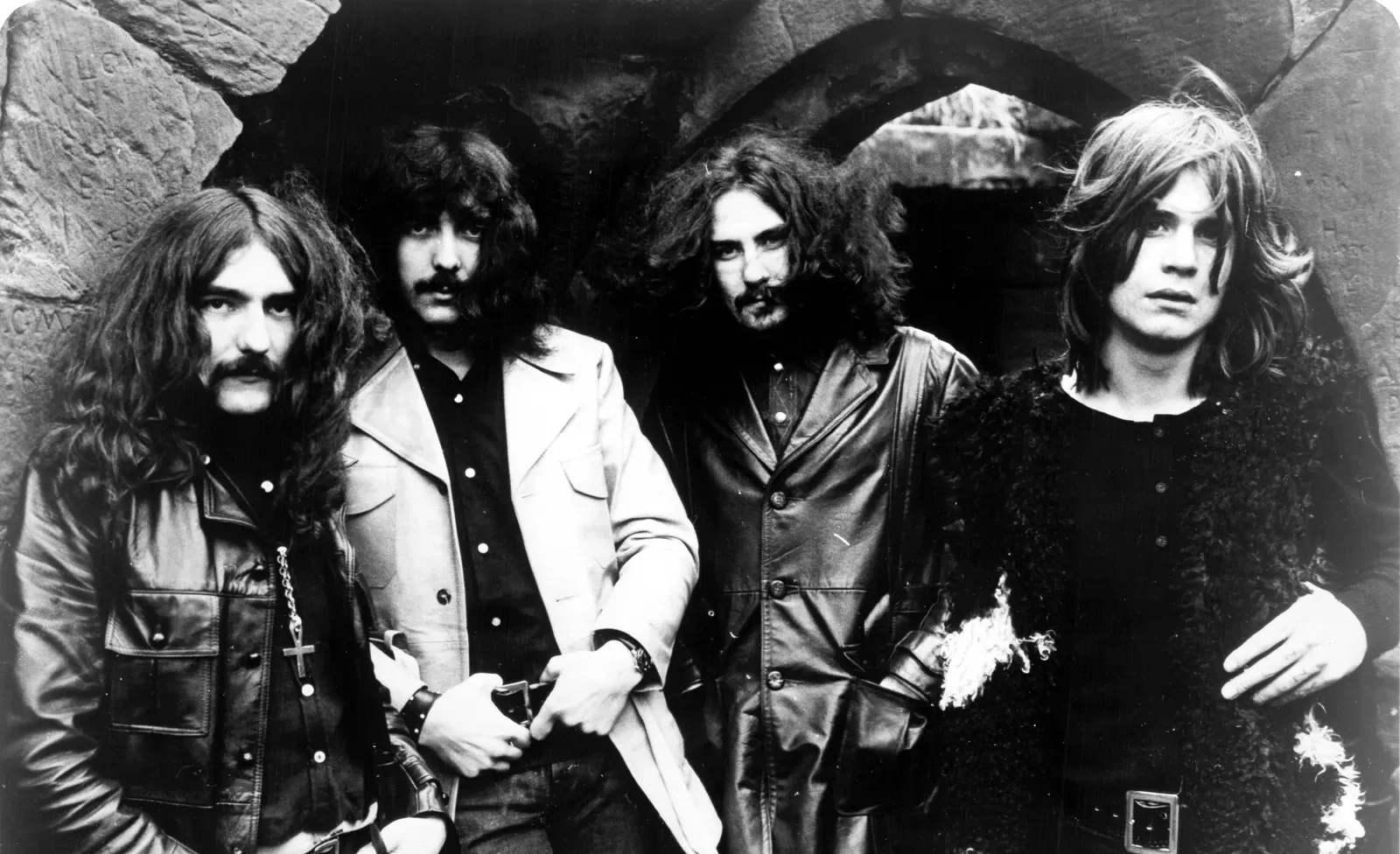
By 1979, Ozzy Osbourne’s struggles with substance abuse had led to his firing from Black Sabbath, a band he had co founded a decade earlier. Many assumed Sabbath would simply dissolve without its original singer, since Ozzy’s voice was so closely tied to the band’s identity.
Instead, Ronnie James Dio’s arrival produced Heaven and Hell, an album widely regarded by critics as a creative rebirth that introduced tighter songwriting and a different vocal power to the band’s sound. The Dio led lineup earned some of the strongest reviews of Sabbath’s career and proved the band could thrive with a completely different frontman, even as Ozzy went on to build his own massive solo legacy in parallel.
6. Fleetwood Mac: Blues Roots to Buckingham and Nicks
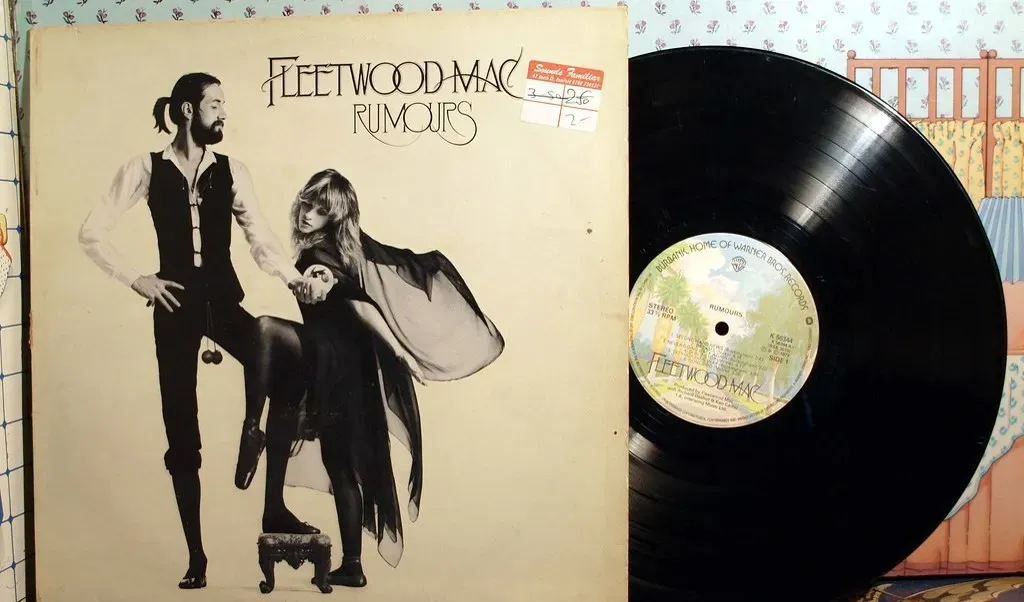
Fleetwood Mac started life in the late 1960s as a British blues band fronted by guitarist Peter Green, respected among musicians but never a mainstream force in America. The lineup churned through several singers and guitarists over the following years, leaving the band’s future uncertain by the mid seventies.
Everything changed when Lindsey Buckingham and Stevie Nicks joined in 1975, bringing a Californian pop sensibility that reshaped the band entirely. The follow up album Rumours became one of the best selling records in history, transforming Fleetwood Mac from a niche blues outfit into a household name that still fills stadiums on reunion tours today.
7. Alice in Chains: Layne Staley to William DuVall
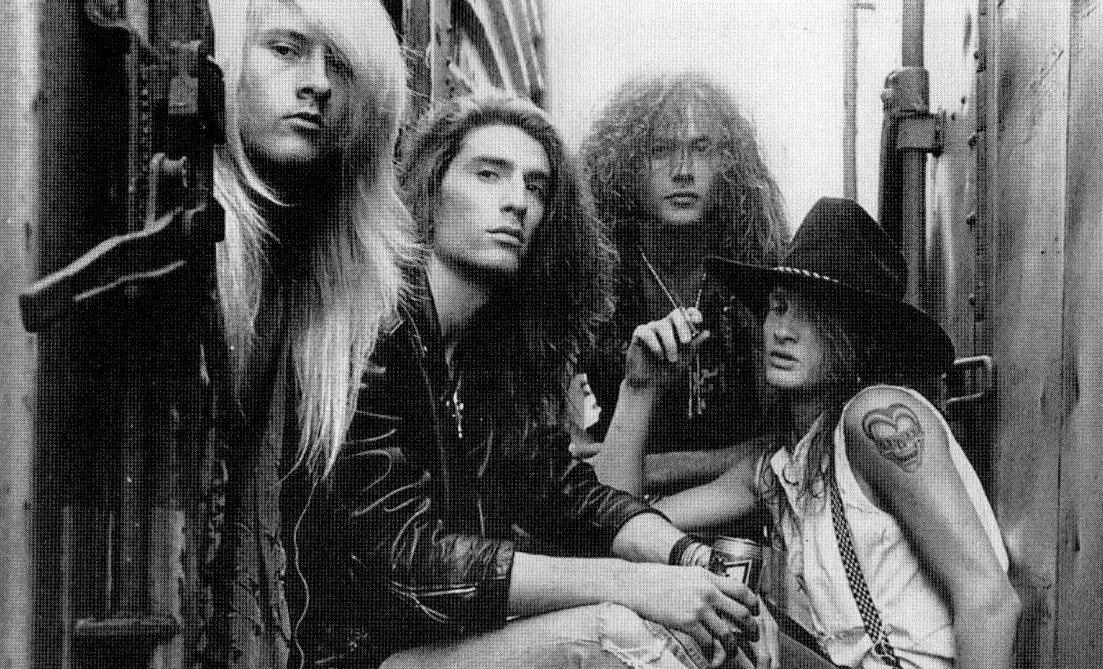
Layne Staley’s death in 2002 left Alice in Chains without one of grunge’s most recognizable voices, and for years it seemed unlikely the band would ever record new music again. When they reformed in 2005 with William DuVall on vocals, skepticism was widespread among longtime fans who doubted anyone could fill that void.
DuVall’s tenure has instead extended the band’s relevance well beyond what many expected. Albums like Black Gives Way to Blue and Rainier Fog reached the upper tiers of the Billboard charts, giving Alice in Chains its most commercially consistent stretch since the DuVall era began, all while honoring Staley’s legacy rather than trying to replace it outright.
8. Iron Maiden: Paul Di’Anno to Bruce Dickinson

Iron Maiden’s first two albums with singer Paul Di’Anno established the band within the burgeoning New Wave of British Heavy Metal scene, but internal tensions and Di’Anno’s personal struggles led to his departure in 1981. Bruce Dickinson, previously of Samson, brought an operatic vocal range that was a dramatic departure from Di’Anno’s punkier delivery.
The shift paid off almost immediately with The Number of the Beast, an album that pushed Iron Maiden from cult metal band to global headliners. Dickinson’s soaring vocals became inseparable from the band’s identity, and Maiden’s biggest commercial and touring successes have overwhelmingly come during his tenure rather than the earlier Di’Anno years.
9. Faith No More: Chuck Mosley to Mike Patton
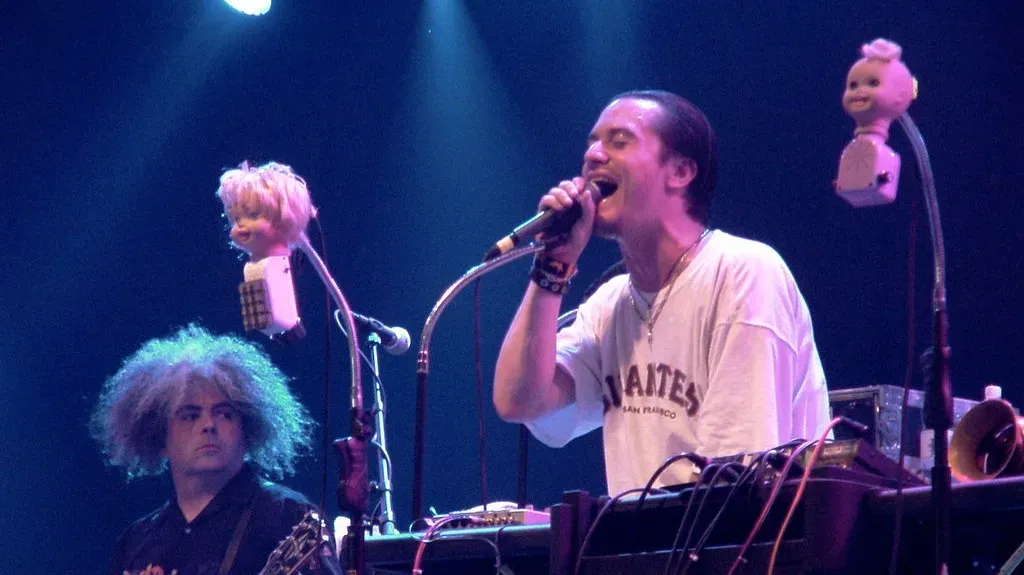
Faith No More built an early following in the mid 1980s with Chuck Mosley as lead singer, but the band remained a relatively underground act with limited commercial traction. Creative and personal friction led to Mosley’s dismissal in 1988, opening the door for a nineteen year old singer named Mike Patton.
Patton’s genre bending vocal style, capable of shifting from rap to opera within a single song, gave Faith No More the distinct identity that powered The Real Thing into mainstream success. The single “Epic” became a radio and MTV staple, introducing the band to an audience far larger than anything achieved during the Mosley years, and establishing Patton as one of alternative rock’s most versatile frontmen.
10. Linkin Park: Chester Bennington to Emily Armstrong

Chester Bennington’s death in 2017 effectively put Linkin Park on hold for seven years, and few expected the band to return with a new singer given how tightly his voice was tied to their sound. That changed in 2024 when Mike Shinoda and the band’s surviving members introduced Emily Armstrong, formerly of the Los Angeles band Dead Sara, as co lead vocalist alongside new drummer Colin Brittain.
The resulting album, From Zero, debuted at number two on the Billboard 200 with the eleven song set being Linkin Park’s twelfth top ten charting album and their first without Bennington and longtime drummer Rob Bourdon. From Zero also made history by becoming the first ever album to claim all top ten spots on the Billboard Hard Rock Songs chart. Reaction to Armstrong was mixed at first among longtime fans, but despite initial skepticism, the record smashing chart performance signals a bold new chapter for the band, with Armstrong stepping into a role carrying significant weight and expectation.
The pattern across these ten stories is not that grief or upheaval disappears when a band changes singers. It never does. What changes is the direction a band is willing to take once a new voice enters the room, and sometimes that new direction turns out to be the one that finally connects with the widest possible audience.