Every finished film is really two movies: the one that made it to theaters, and the one buried in hours of footage that never saw the light of day. The editing room is where stories get shaped, softened, or sometimes stripped of their most radical ambitions. Most deleted scenes vanish for good reason. They drag the pacing, repeat what’s already been said, or simply don’t fit the final cut.
But every now and then, a cut scene carries something much bigger than a few extra minutes of runtime. These are the scenes that would have reshuffled character motivations, reversed endings entirely, or closed the door on franchises before they ever got started. Here are nine of the most significant ones.
1. Alien (1979): Ripley Dies, and the Xenomorph Takes Over
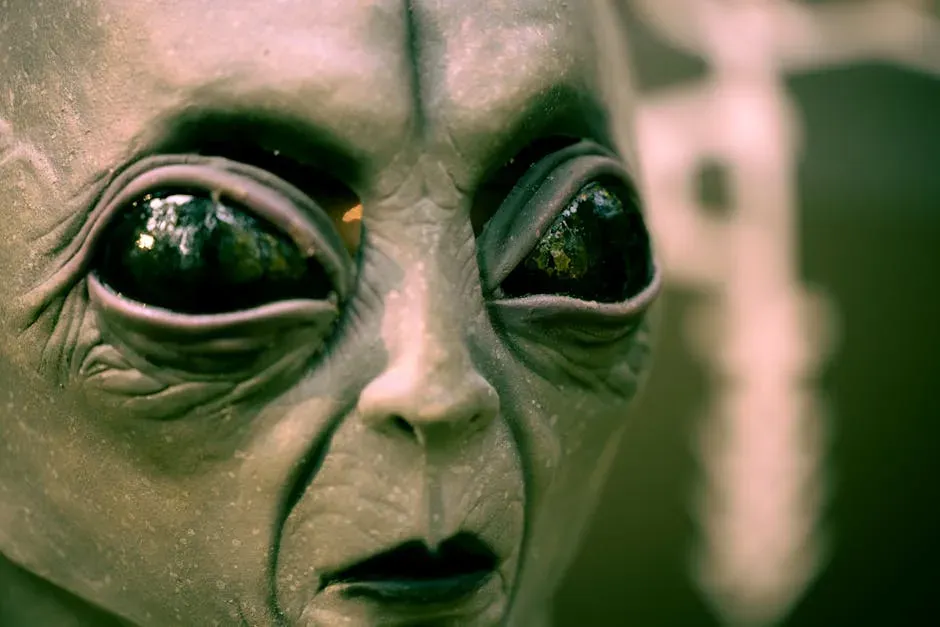
The original 1979 Alien movie is one of the all-time classic thrillers, but if director Ridley Scott had his way, the final scene would have played out very differently. Scott revealed that instead of harpooning the creature and sending it careening into space, Ellen Ripley was originally going to lose the battle and her life. Instead of managing to blast the Xenomorph into space, the Xenomorph was going to kill Ripley, commandeer the escape shuttle, and mimic Dallas’ voice to lure in rescuers and secure more victims.
A Fox executive arrived on set within 14 hours, threatening to fire Scott on the spot. That intervention preserved one of cinema’s most iconic heroines. The movie gave us one of the greatest female action stars ever in the form of Ellen Ripley, brought to life brilliantly by Sigourney Weaver. Had Scott’s version survived, there would have been no sequel, no franchise, and no Ripley at all.
2. Aliens (1986): The Scene That Rewrote Ripley’s Entire Motivation
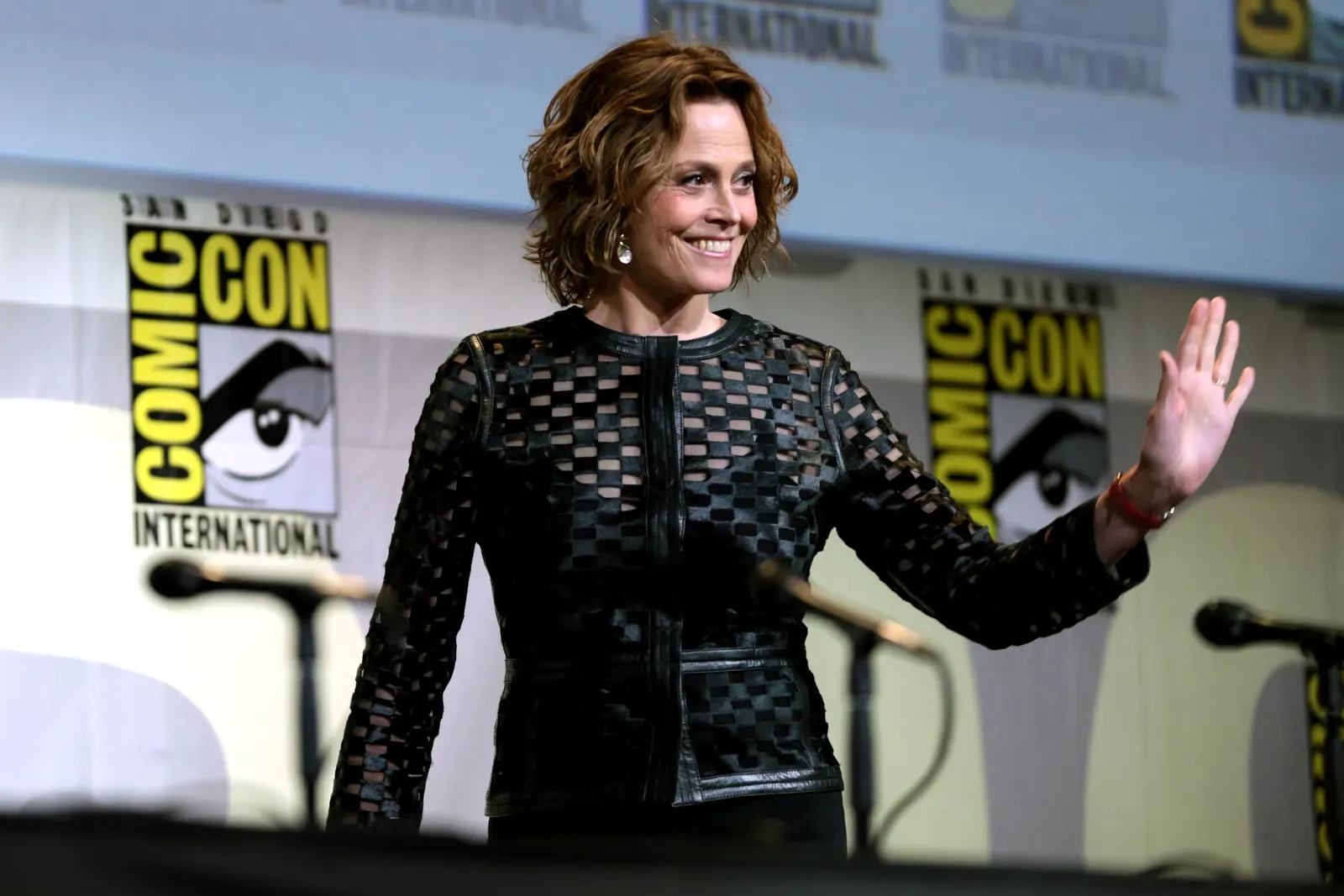
Most fans of the Alien franchise know that Ripley had a daughter, but no one knew that back in 1986. What is deemed an important motivational scene was deleted from the theatrical cut of Aliens, where we learn that while Ripley was floating around in space for 80 years, her 10-year-old daughter grew up and died. It ended up being cut for time, and James Cameron has said that Weaver was not happy about it.
This is very present in Ripley’s bond with Newt throughout their time running from the deadly life forms. She can save this little girl since she wasn’t there for her own daughter. It also adds a deeper connection between her and the Xenomorph Queen. Both are mothers. Both will do anything to protect their children. Without the scene, Ripley’s fierceness still reads as survival instinct. With it, the whole film becomes something else: a story about grief, guilt, and a second chance at motherhood.
3. Little Shop of Horrors (1986): The Villain Actually Wins
Every scene met with laughter and applause, until the plant devoured Seymour and Audrey, and the audience went silent. After two previews and many livid comment cards, Oz and screenwriter Howard Ashman decided to scrap the original 23-minute ending, in which the plant eats everyone and takes over the world, in favor of giving Seymour and Audrey their happily-ever-after. A full fifth of the film’s $25 million budget was committed to an astonishing closing sequence that saw gigantic plants wreaking havoc across New York City, destroying beautifully-wrought model buildings.
The film needed a 55 percent “recommend” score to really be released, and they got a 13. It was a complete disaster. The studio had no choice but to reshoot. The Little Shop of Horrors Director’s Cut Blu-ray arrived in 2012 and finally featured Oz’s original, intended version. It’s one of the most expensive deleted endings in Hollywood history, and the debate over which version is “right” has never really stopped.
4. Get Out (2017): Chris Gets Arrested Instead of Rescued
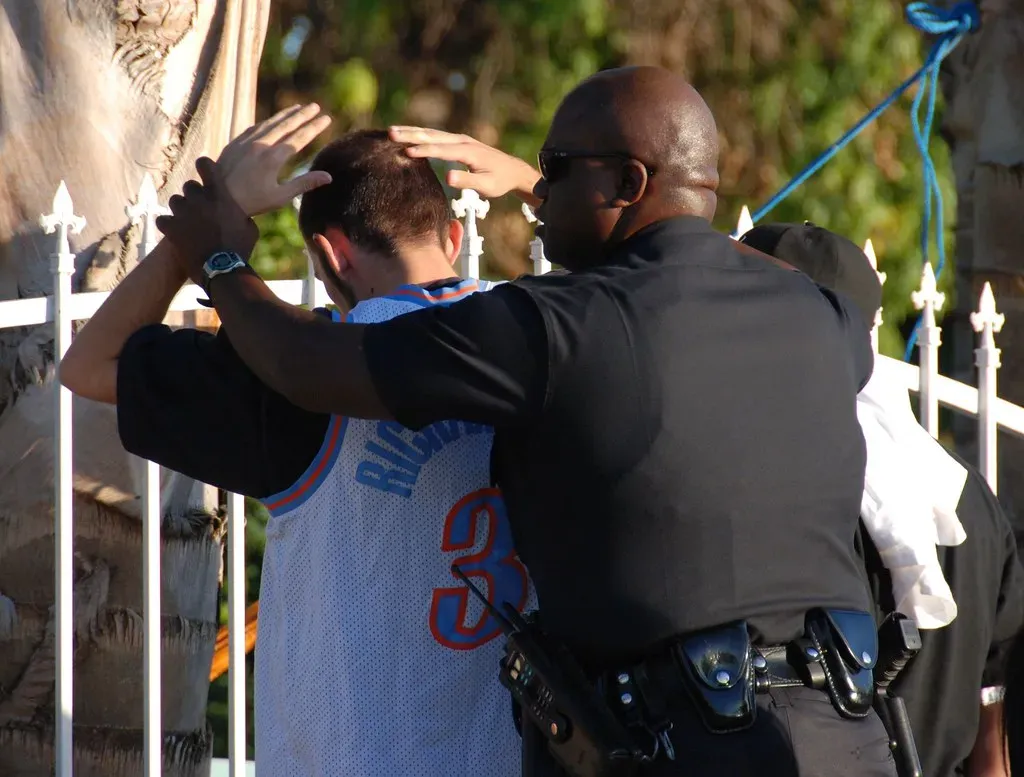
In the original version of Get Out’s ending, Chris escapes the Armitage family but is found by the police while choking out Rose, leading to his arrest. It’s a somber finale for the movie, but one that Peele ended up changing. The cops arrived before Rod and arrested Chris for killing Rose in his defense. This alternate ending does carry a dark but realistic aspect.
The shift in tone between the two versions is enormous. The theatrical ending offers a narrow, cathartic escape. The original ending offers something far more uncomfortable: the suggestion that the horror doesn’t end with the Armitage family, that the system itself is the threat. Get Out was the film that transformed Jordan Peele from a comedic mainstay to a revered horror director. The choice of which ending to keep ultimately defined what kind of statement the film was making.
5. Star Wars: A New Hope (1977): Jabba the Hutt Appears as a Human
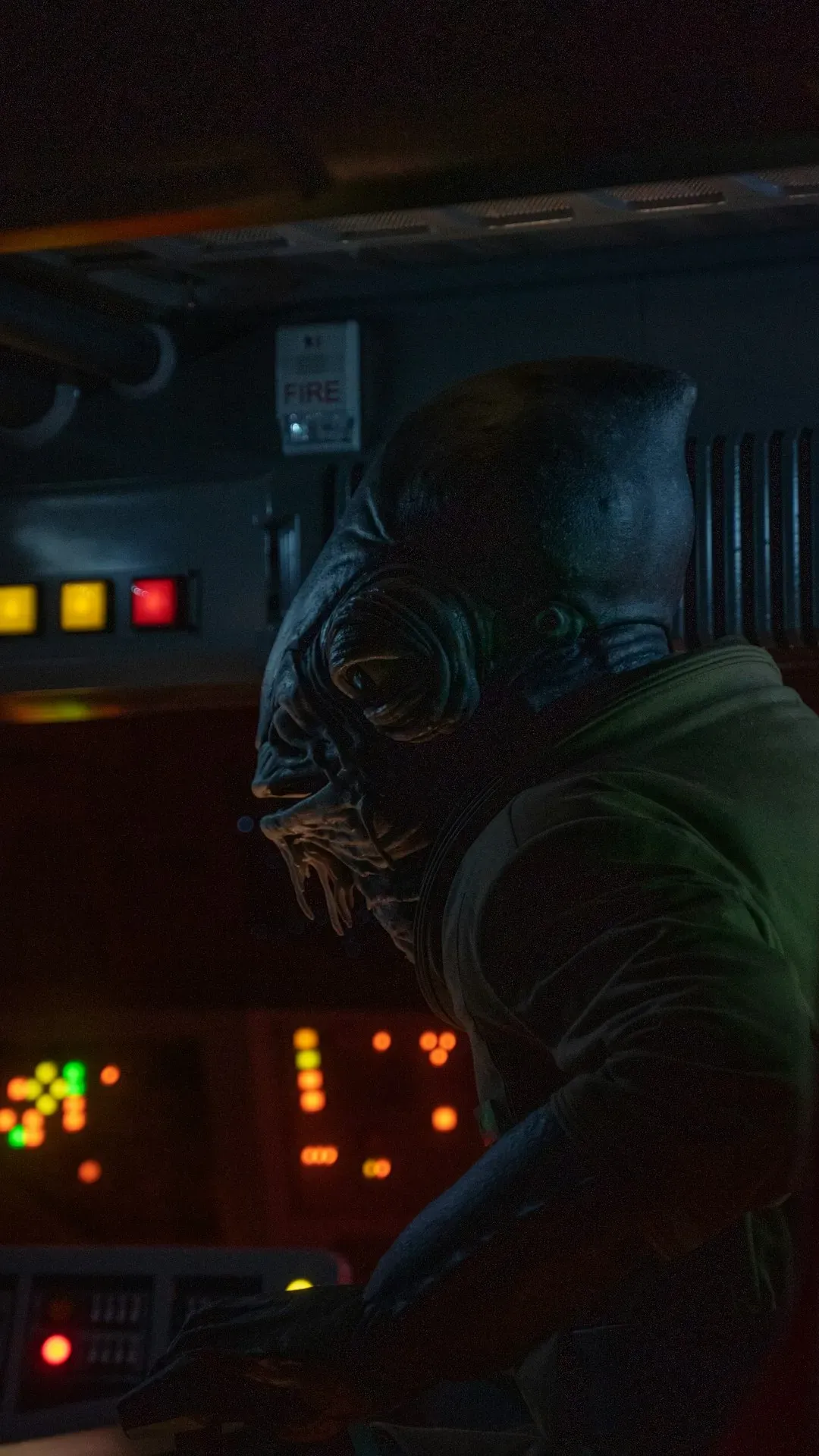
Jabba the Hutt was teased for two movies in the original theatrical releases of the Star Wars trilogy, before making his debut in Return of the Jedi. However, a deleted scene from the first film would have introduced a human version, trying to intimidate Han before he departed. The scene was actually filmed with actor Declan Mulholland serving as a stand-in, with the intention of replacing him with a creature effect later, but the scene was cut entirely before that could happen.
Partner offer
On top of messing with the pacing and removing the mystery of Jabba, the scene takes too much of the alien out of the story. Without that delicate balance, the Star Wars franchise might have fallen off its center and not become the pop culture bedrock it is today. It’s a rare case where what was left out may have been as important as anything that stayed in.
6. First Blood (1982): Rambo Dies at the End
Had production on the 1982 action film First Blood followed the plot of its source material, David Morrell’s 1972 novel of the same name, the franchise’s remaining four films would never have been made. The original novel takes a much more critical look at the Vietnam War and its aftermath, wrapping on a decidedly less optimistic note, with Rambo being shot and killed by authorities after a PTSD-fueled rampage. A version of this darker ending was filmed for the movie but ultimately cut.
While the film’s version of events show a subdued Rambo surrendering to authorities after a comparatively tame manhunt, the violence in the novel’s ending is much more shocking. The movie version has Rambo only killing a single deputy during his violent spree, while the novel shows him responsible for the deaths of almost two dozen people. Keeping Rambo alive was a commercial decision that spawned one of the most recognizable action franchises of the 1980s.
7. Toy Story (1995): Woody Deliberately Pushes Buzz Out the Window
In early development, instead of Buzz accidentally being knocked out of the window, Woody deliberately pushed him out. This much darker narrative about making violent decisions out of envy was easily noticed and removed long before release, but it would have changed the tone significantly, so far as people’s perceptions of Woody were concerned. The scene was actually shown to Disney executives during production and is famously cited as one of the lowest points in the film’s troubled early development period.
The difference between “accident” and “intent” is everything in a story aimed at children. An accidental knock preserves Woody as a flawed but redeemable character. A deliberate shove makes him genuinely cruel. Woody already is a bit hard to root for in the film, and this would have made him even more irredeemable. Pixar course-corrected and built one of the most beloved animated films ever made from the wreckage of that early draft.
8. I Am Legend (2007): The Darkseekers Are the Heroes
If the alternate ending scene had been included in the final cut of I Am Legend, the film’s narrative and central themes would have undergone a significant transformation. The revelation that the Darkseekers possess intelligence and are retaliating against Robert Neville’s actions would introduce moral ambiguity to the story, challenging the notion of Neville as an unambiguous hero and the Darkseekers as mindless monsters. In this version, Neville realizes the infected creatures are actually organized, feel emotion, and have been trying to retrieve one of their own that he took captive.
This shift in perspective would alter Neville’s characterization, presenting him as a misguided figure whose experiments inadvertently provoked the Darkseekers. In contrast, the theatrical ending’s portrayal of Neville’s self-sacrifice and the killing of the Darkseekers reinforces a more simplistic good-versus-evil narrative, failing to explore the complexities of the situation. The alternate cut, which has since circulated widely online, is widely considered the more faithful adaptation of Richard Matheson’s original novel.
9. Pirates of the Caribbean: At World’s End (2007): Jack Sparrow Gets a Backstory
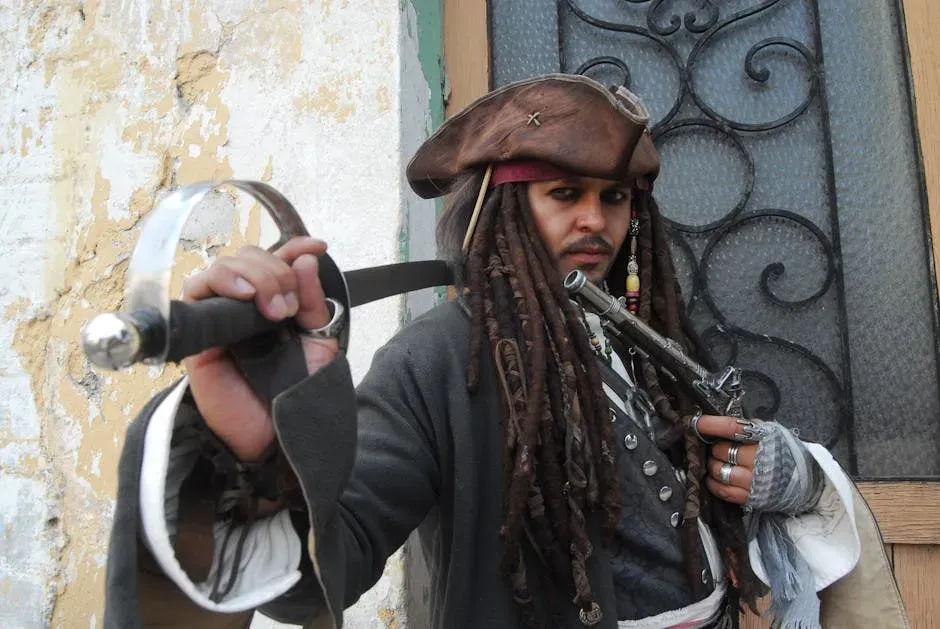
The film leans into the moral ambiguity of Jack as long as it can, leading to the emotional climax of him giving up his possible immortality to save Will. However, this noble choice would have been more obvious if the film had kept a deleted scene revealing Jack’s origins. During a conversation with the villainous Beckett, Sparrow would have been revealed as a merchant sailor for the East India Trading Company, who refused to transport slaves.
While this had some advantages, such as filling in the dots as to why Jack had bargained with Davy Jones in the first place, the scene would have undercut the more shady elements of the character needed to keep the tension going throughout this Disney movie. The character’s appeal rests on ambiguity. Audiences never quite know whether Jack is cowardly or calculating, selfish or secretly honorable. A definitive origin scene would have resolved that tension cleanly, and in doing so, diminished it. Some mysteries are better left alone.
What connects all nine of these cases is the same quiet truth: a film is never truly finished until it decides what it refuses to say. The scenes that get cut aren’t just trims around the edges. Sometimes they contain the darker draft of the story, the one where the hero dies, the villain wins, or the character we love turns out to be someone we wouldn’t root for at all. The fact that we rarely see those versions doesn’t make them disappear. It just means someone, somewhere, made a choice.
Partner offer
Planning a trip to Vegas?
Compare hotel rates and show tickets on VEGAS.com.