Some films arrive in theaters carrying an uncomfortable weight – the kind that makes studios nervous, lawyers busy, and audiences genuinely unsettled. Not every movie that gets shelved, cut, or quietly shoved into limited release is a bad one. Sometimes it’s the opposite. The films that disturb the most are occasionally the ones that matter most, which is what makes each of these cases worth revisiting.
Hollywood has buried projects for all sorts of reasons: graphic content, legal disputes, political pressure, religious outrage, and occasionally sheer panic. What follows are eight films that found themselves on the wrong side of those forces, some temporarily, some permanently.
1. Freaks (1932)

Tod Browning’s Freaks was pulled from distribution just a month after its release. MGM was so horrified by audience reactions that they cut nearly 30 minutes from the film and eventually shelved it entirely. The story, about a traveling circus and the revenge of its performers, cast real people with physical differences in the lead roles, which made studio executives deeply uneasy.
Some viewers who saw the original 90-minute cut fled from the cinema in horror, while others reported becoming sick during the film due to its horrific violence. MGM recut the film to 62 minutes, but some American theaters still withdrew even that version, and England banned it entirely for three decades. Today, Freaks is considered a genuine curiosity of pre-Code cinema – a film so far ahead of its time that the industry simply couldn’t process it.
2. Scarface (1932)

Hollywood in the early 1930s was a wild west as far as graphic content was concerned, but Scarface was a bridge too far. This foundational gangster film was an endless onslaught of gunfire and unsavory behavior, and it proved so controversial that it is cited as one of the movies responsible for the creation of the Production Code in 1934.
In the face of criticism, director Howard Hawks agreed to shoot an alternate, more virtuous ending. Still, producer Howard Hughes decided to pull Scarface from circulation after several local, state, and international officials banned the film. Italian Americans across the country decried its portrayal of Italian immigrants, and censorship boards denied permits to exhibit it in certain states. The film’s notoriety only solidified its place in cinema history.
3. A Clockwork Orange (1971)

Stanley Kubrick’s A Clockwork Orange remains one of cinema’s most controversial works. Its unflinching portrayal of violence and psychological manipulation led to bans in countries like Ireland and Singapore. In the UK, Kubrick himself requested its withdrawal from cinemas after a series of alleged copycat crimes and mounting public outrage.
The portrayal of violence and sociopathic behavior made many theaters pull or outright refuse to show the film, and it was banned in several countries including Ireland and Singapore due to its depictions of violent crime. These days, many theaters have reintroduced A Clockwork Orange and hailed it as a cult classic. Kubrick’s own decision to suppress the UK release remains one of the more extraordinary acts of self-censorship in the history of mainstream cinema.
4. The Last Temptation of Christ (1988)

Many Christians were outraged by the depiction of a very human Jesus struggling with temptation, including sex. Several Christian groups organized protests, and one even orchestrated a terrorist attack, setting fire to a cinema in Paris. Director Martin Scorsese faced death threats.
Several theater chains, including Edwards Theaters, United Artists, and General Cinemas, buckled under pressure and decided not to screen it. Religious groups condemned the film for its fictionalized elements, leading to bans in countries such as Greece and Turkey. The film has since been recognized as a serious and thoughtful work of religious inquiry, but its initial release was one of the most volatile in modern Hollywood history.
5. Silent Night, Deadly Night (1984)
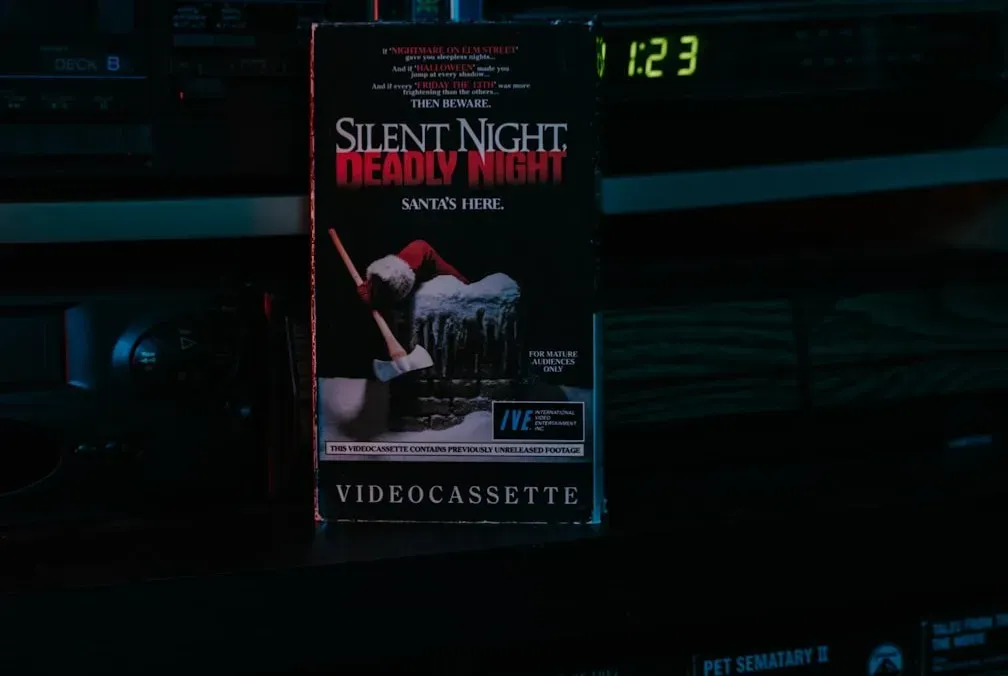
These days, alternative Christmas movies that paint the festive season in a darker light have become commonplace, but there were plenty of people who couldn’t condone a feature focusing on a department store Santa Claus with a thirst for murder. The entire marketing campaign was built around that very iconography, but a public outcry saw distributor Tri-Star Pictures pull any and all advertisements for the film less than a week before it opened.
Parents across the country didn’t like the subject matter, especially since it was released around Christmas. During theatrical screenings, people picketed outside. Eventually, advertisements for the film were pulled from newspapers, and theaters stopped showing the film – all within just six days of its initial release. Few horror films have had their run extinguished quite so quickly, or quite so publicly.
6. Cannibal Holocaust (1980)
Italian director Ruggero Deodato was actually arrested after Cannibal Holocaust’s release. Authorities believed the footage was real and that he had made a snuff film. He had to bring his cast members into court to prove they were still alive.
The film is infamous for its extreme realism and disturbing content. Banned in over 50 countries, its graphic violence and scenes of actual animal cruelty ignited global outrage. Its documentary-style presentation blurred the line between fiction and reality so convincingly that Deodato was arrested on obscenity charges. The film pioneered the found-footage format that The Blair Witch Project and countless others would later use. Its influence is undeniable, even if watching it remains a genuinely difficult experience.
7. Superstar: The Karen Carpenter Story (1987)
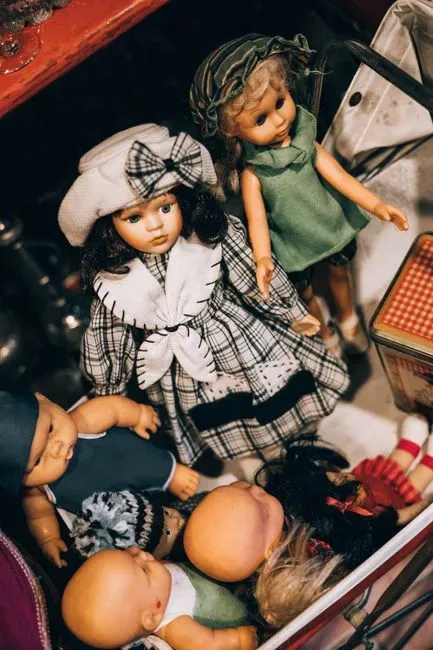
An unusual facet of the film is that, instead of actors, almost all of the parts are played by modified Barbie dolls. Haynes detailed Karen’s worsening anorexia by subtly whittling away at the face and arms of the Karen Barbie doll. The film follows Karen Carpenter from the time of her discovery in 1966 and her rise to stardom to her untimely death by cardiac arrest secondary to anorexia nervosa in 1983.
The film was withdrawn from circulation in 1990 after Haynes lost a copyright infringement lawsuit filed by Karen’s brother and musical collaborator, Richard Carpenter. Richard Carpenter won his lawsuit and all copies were ordered destroyed. However, because VHS is so easily replicated, bootleg videotapes of the film continued to be available at video rental stores throughout the world. The film has become legendary in certain film circles, but few have seen it due to legal restrictions. As of 2026, no official re-release has materialized, though Haynes has expressed optimism that it could happen.
8. Snowpiercer (2013)

The Weinstein Company acquired the distribution rights to Snowpiercer from CJ Entertainment in November 2012 with a plan for wide release in North America. It was eventually released in the United States on just eight screens in selected cities – a delay caused by Harvey Weinstein requesting 25 minutes of footage be cut, asking for less dialogue and more action, and a voice-over sequence added at the end of the film.
Weinstein was ultimately forced to comply with Bong’s wishes after a campaign to release the director’s cut was led by actors Tilda Swinton and John Hurt, along with a passionate group of fans. In retaliation, Weinstein switched Snowpiercer’s distribution to the Radius-TWC arm of his company, which would only release the film in select arthouse theaters without plans for expansion. Despite Weinstein’s aggressive attempts to squash its potential breakout success, Snowpiercer became a critical darling that was too beloved to ignore, as its strong performance in limited release resulted in an expansion to more theaters. Director Bong Joon-ho went on to win the Academy Award for Best Director for Parasite in 2020 – a fact that makes the Weinstein-era interference look all the more shortsighted in hindsight.
What connects these eight films isn’t that they were all great, though many were. It’s that the forces working against them – studios, censors, families, governments, and occasionally one notoriously heavy-handed producer – couldn’t quite stop people from finding them. Films that get buried have a strange habit of resurfacing.